


 United States — would you like to set this as your default country of delivery?


 Trade
Trade  Shops & Events
  Customer Service

Single MaltScotch Whisky
Malt whisky is the ‘original’ whisky of Scotland. Although other grains were used, barley was grown specifically for making beer and whisky. However, with the success of blended whisky in the late 19th century, little was drunk as single malt outside the Highlands until the 1980s, when ‘the vintages of the North’ were rediscovered by an enthusiastic public and began to be made available by distillery owners.
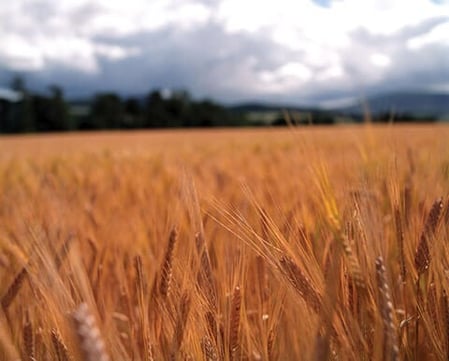 Single malt whisky must be made with 100% barley
Currently there are around 90 operating malt whisky distilleries in Scotland – it is difficult to be precise, since sometimes distilleries go out of production for periods, in order to balance stock levels. Single malts from a further 30-odd now closed distilleries may still be found.
Although made from very simple materials – malted barley, water and yeast – the make of each distillery has an individual character, owing to a variety of factors, such as the length of fermentation time, the style and size of the stills, and how they are operated, the type of condensers used and amount of spirit saved (called ‘the cut’).
By law, Scotch (both malt and grain whiskies) must be matured in oak casks in Scotland, and the casks themselves can make a huge contribution to the flavour of the finished product, according to a) how long the whisky has been left to mature, b) how often the individual cask has been used to mature Scotch and c) whether the cask is made from European oak or American oak. This makes it difficult to identify the mature products of individual distilleries.
Since at least the 1880s, blenders have identified different styles of whisky coming from different parts of Scotland. The original division, dating from the 1780s, was between ‘Lowland’ whisky and ‘Highland’ whisky. Then the whiskies made in Campbeltown and Islay were discerned to be different, and the whiskies of Speyside were added to the list.
With the dramatic growth of interest in single malt whiskies since the 1980s, the ‘Highland’ region has been sub-divided into Northern, Western, Eastern, Southern and Islands.
In truth, regional differences in the style and flavour of malt whiskies has more to do with tradition (how a malt is made in one place or another) than terroir, and although it is not possible to make a malt with identical character to another in a different distillery, it is possible to imitate a regional style out-with the region in question.
Did you know?
- more than one billion bottles of Scotch are exported every year, with France the biggest market
- the first reference to Scotch whisky was in 1495
- the first single malt to be marketed outside Scotland was by Glenfiddich in 1963
Typical Character and Style of Single Malt
 Malt
Malt 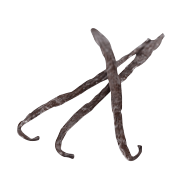 Vanilla
 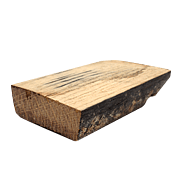 Oak
Oak 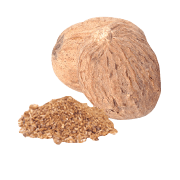 Nutmeg
 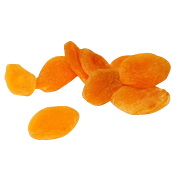 Dried Fruit
  Smoke
Smoke
Filter By
Price Range
Bottling Status
Region
Distillery/Brand
Flavour Profile
Age
Vintage
Cask Type
Single Cask
Bottler
Series
Strength
Size
Certification
Sustainability
Limited Edition
Food Pairing
Colouring
Flavour

Ileach Cask Strength
£49.50

Glen Garioch 12 Year Old
£44.25

Glen Ord 200916 Year Old Cask 4 Signatory Cask Strength
£78.95

Ardmore 201114 Year Old Signatory 100 Proof Edition 62
£48.50

Bunnahabhain 21 Year Old Cask Strength2025 Release
£251

Glenfiddich 12 Year OldOur American Oak Kosher Certified
£48.25

Isle of Raasay The Draam
£54.50

Dalwhinnie Distillers Edition
£79.75

Craigellachie 13 Year OldArmagnac Cask Finish
£59.95

Dalwhinnie Winter's Gold
£52.25

Auchentoshan 12 Year Old
£34.50

Bladnoch 16 Year Old
£109

Inchgower 14 Year OldFlora & Fauna
£61.25

John Crabbie Virgin Oak Peated Single Malt Scotch Whisky
£30.95

Port Askaig Sherry Cask
£63.25

Glendronach Cask StrengthBatch 10
£120

Aberlour Casg Annamh
£57.75

AnCnoc 12 Year Old
£35.95

Blair Athol 201111 Year Old Old Malt Cask
£72.95


Dalmore Port Wood Reserve
£76.75

Macallan Classic Cut 2024 Release
£129

Bowmore 12 Year Old
£42.50

Talisker 18 Year Old
£210

Clynelish 8 Year OldThompson Bros
£40.95