


 United States — would you like to set this as your default country of delivery?



 Trade
Trade
 Shops & Events
 Customer Service
Discover the Six Crus of Cognac
As we prepare to welcome our guests to Cognac Show in London on 22-23 March 2024, we’re taking a look at the diverse terroirs that make the world’s most famous brandy.
Much of the flavour in Cognac is born in the vineyard. The difference between a brandy filled with notes of mango or papaya and one that brings to mind violets and toasted nuts is often due to place of origin. Grapes across the Cognac region are greatly influenced by the soil that nourishes them and the landscape that surrounds them. These are the six crus of Cognac and the diverse spirits they produce.
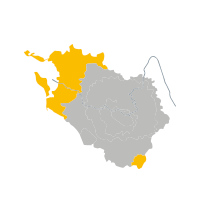
Bon Bois and Bois Ordinaires
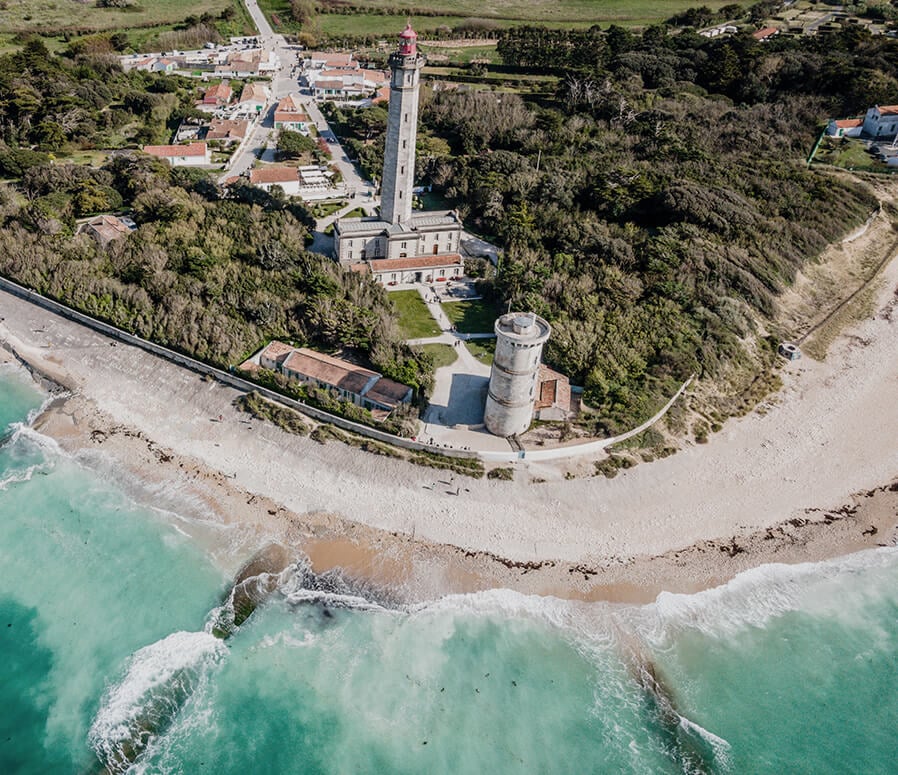
While the outer regions may not sound very romantic, these large crus offer a great range of growing conditions. These include pockets of chalky soil preferred by distillers and vineyards bathed in cool air from the Atlantic. Larger houses often overlook eaux-de-vie from the Bois, but an increasing number are embracing their distinctive character and subtle maritime influence, such as Camus which grows grapes on the picturesque Ile de Re.


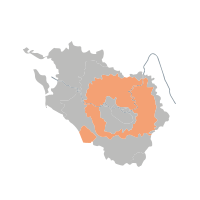
Fins Bois
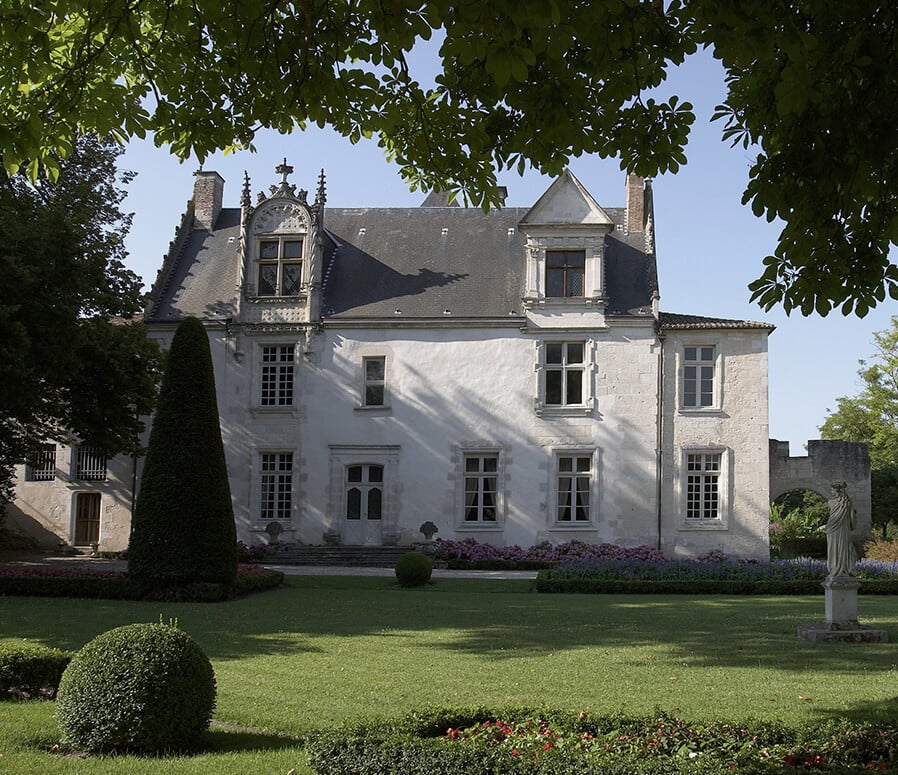
Fins Bois eaux-de-vie have long been used as a supporting player in blends, but a growing number of houses are now releasing Cognacs that champion their tropical fruit profile. Conventional wisdom has it that this sub-region doesn’t produce the longest-lived Cognacs. However, a number of older vintages on our shelves show that they can have great ageing potential – particularly releases from Cognac Park and Prunier.


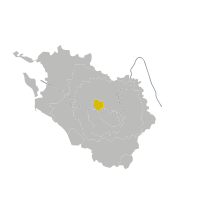
Borderies
Cognac’s smallest cru has limestone and clay soils which yield eau-de-vie with a distinctive nuttiness. Being relatively quick to mature, Borderies Cognacs are often used to provide structure and depth to blends. This is particularly true of Martell and expressions like the legendary Cordon Bleu. We also see an increasing number of single estate Borderies Cognacs of significant age, showing that some can continue to improve over many decades in oak.




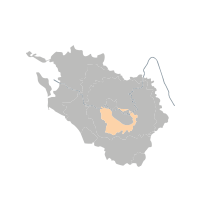
Petite Champagne
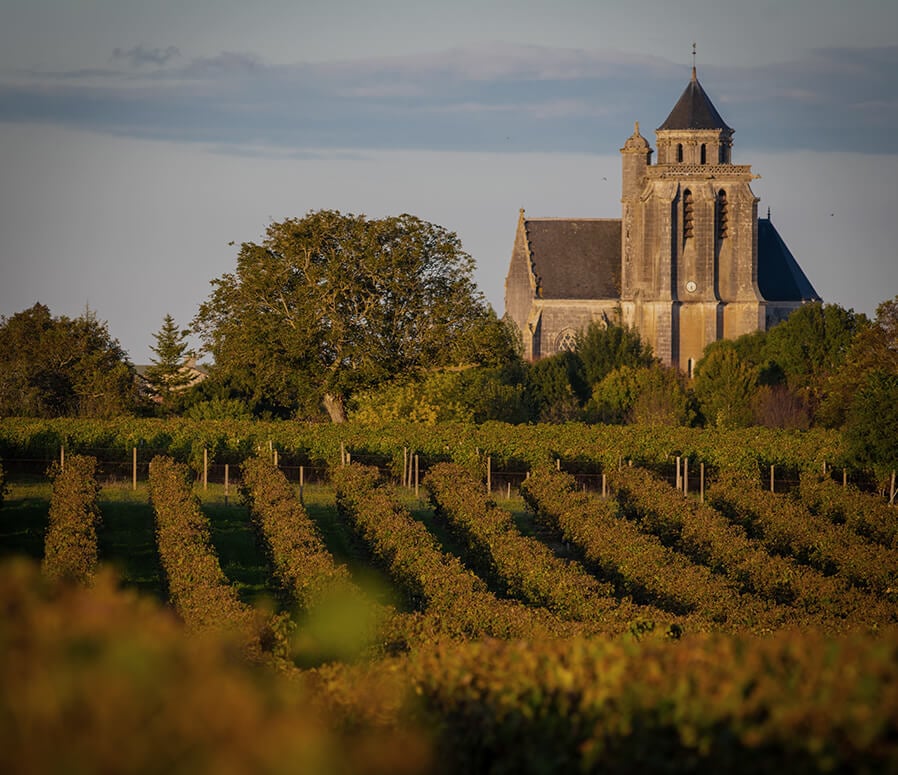
The heartland of Cognac is blanketed with chalk soils perfect for producing the light, acidic wines that make the very best eau-de-vie. Petite Champagne is actually much larger than Grande Champagne, and while it has historically been considered the region’s second Cru, it’s eau-de-vie has similar potential for long ageing. This is a great place to look for mature, elegant Cognacs marked by yellow fruits and delicate florals.
Fine Champagne refers to Cognac comprising at least 50% Grande Champagne eau-de-vie with the remainder coming from Petite Champagne.


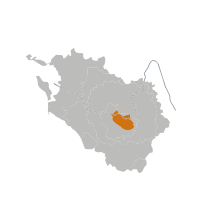
Grande Champagne
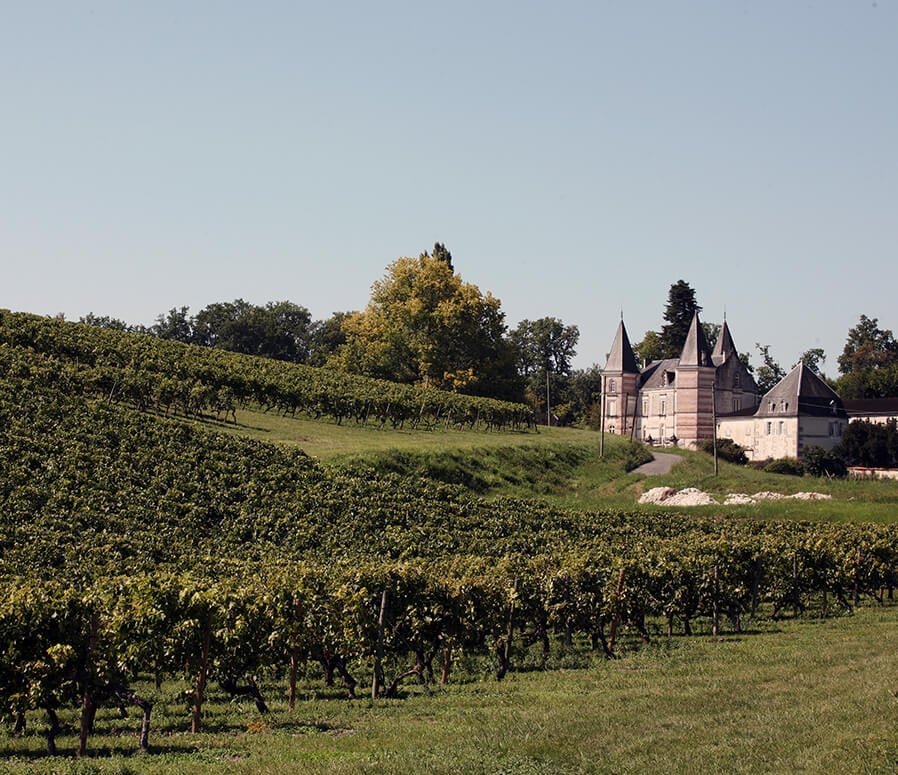
Big and vibrant with complex fruit and florals, some Grande Champagne Cognac will continue to develop for up to a century in cask. Cellar masters closely guard their oldest stocks of these precious eaux-de-vie, reserving them for use only in the most distinguished blends. While the biggest names in Cognac draw heavily on the top cru, it is also home to smaller producers of single estate cuvees such as Frapin and Michel Forgeron.


22 - 23 March 2024 Glazier’s Hall, London Bridge
You can continue this journey of discovery at our annual Cognac Show, which returns for its seventh year this March. We’ll be welcoming producers from across the region for two days of tastings and masterclasses complete with cocktails and food pairings to showcase the many ways to enjoy Cognac.
Tickets are selling fast, get yours today to avoid disappointment.