


 United States — would you like to set this as your default country of delivery?


 Trade
Trade  Shops & Events
  Customer Service
 What Is Madeira Wine? History, Styles, and Production
Discover the diverse and much-loved fortified wine, born in the Portuguese island of Madeira and now enjoyed around the world

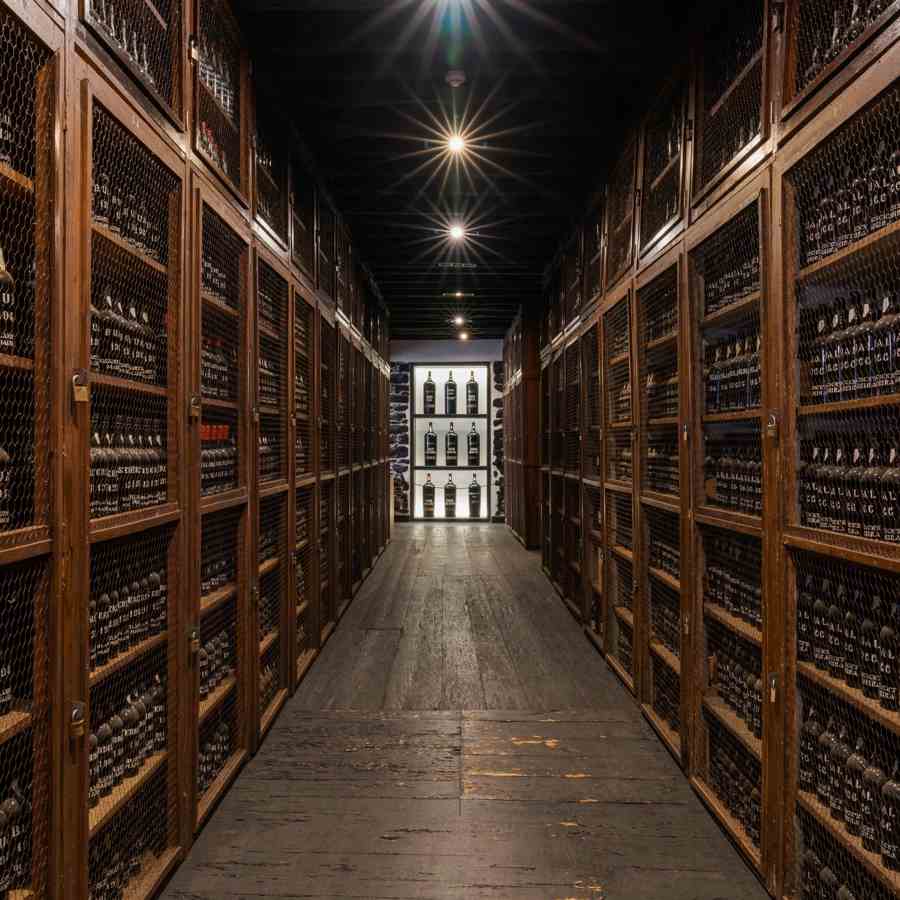
The caves at Blandy's
Ricardo Faria Paulino
This distinctive and delicious fortified wine comes from Madeira, a Portuguese archipelago comprising four islands off the coast of West Africa. While it shares similarities with port and certain sherries, Madeira has a unique style characterised by sweetness, acidity and a complex set of flavours achieved through ageing at high temperatures.
These wines range from light and relatively dry with notes of fresh fruit to dark, to sweet and highly oxidised styles that bring to mind sultanas, spices and nuts. As Madeira is a remarkably robust wine, the finest examples can improve for more than a century in the bottle.
While sweet Madeira is often taken as a dessert wine, drier styles can make excellent aperitif. The fact that Madeira was sturdy enough to survive long sea voyages once made it a popular in ports as far apart as Britain, North America and Japan. Today, Madeira is enjoying a resurgence, with bartenders and sommeliers rediscovering what was once one of the most widely consumed wines in the world.
In order to understand the unique character of Madeira wine, we must first look at its origins in the 15th century during the so-called Age of Discovery.
The history of Madeira
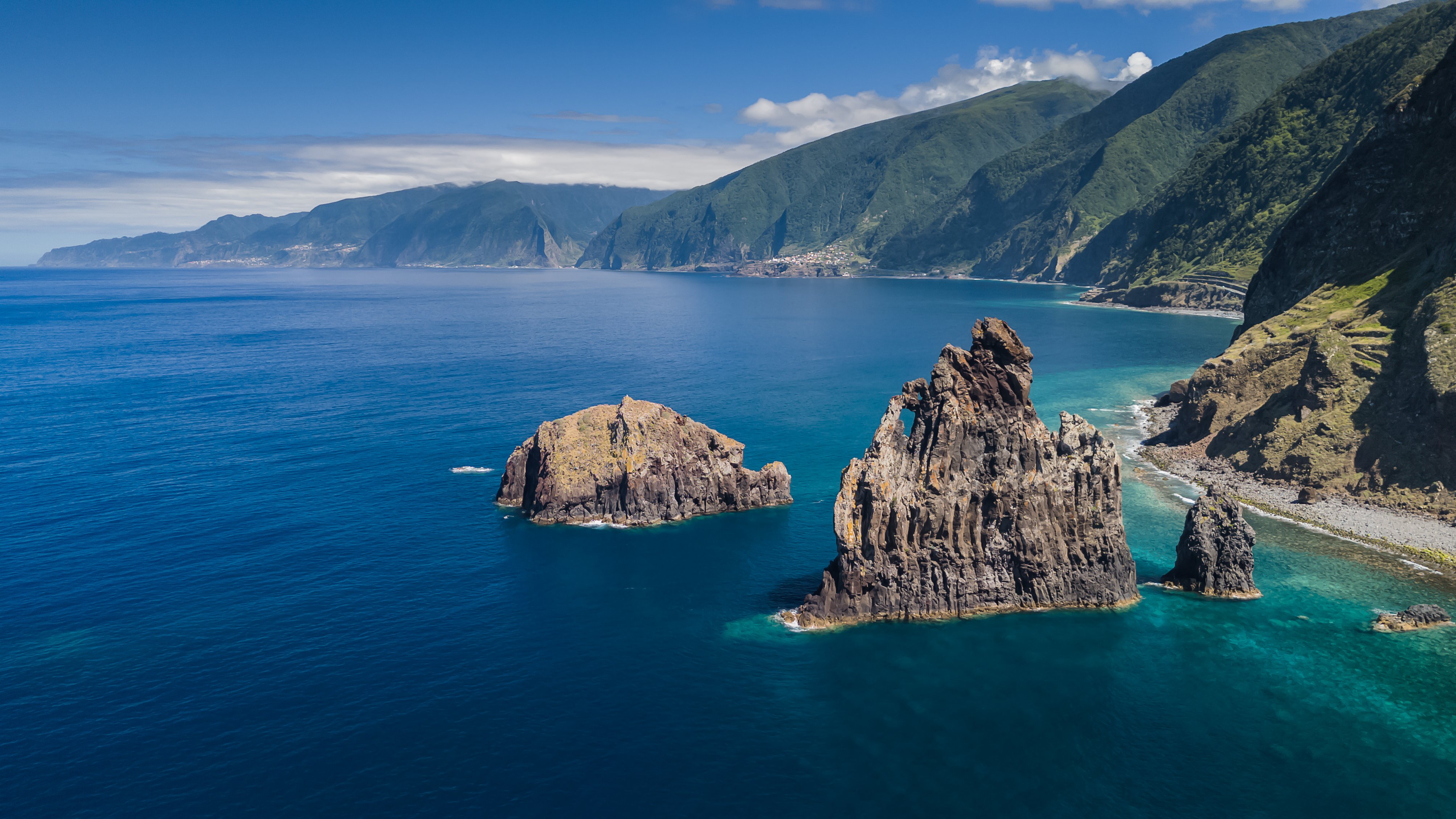
In 1419, acting on the orders of Prince Henry the Navigator, Portuguese explorers claimed the small archipelago that would become known as Madeira. These heavily forested islands were cleared for agriculture and proved capable of supporting mediterranean crops like figs, olives and grapes, as well as tropical fruit and sugarcane. With this great bounty at their disposal, the early Madeirans quickly set to work making wine and rum.
By the 16th century, the Madeiran capital of Funchal had become a thriving trading port and a stopover for ships facing the long Atlantic crossing. As winemaking was well established by this point, sailors would routinely take on a few casks with which to trade and pass the time. Unfortunately, these would often spoil during long months at sea and so producers sought a solution from the port wine industry on the mainland. By fortifying the local wine with rum, they were able to guarantee its longevity in the warm, humid conditions of the ship’s hold and a new style of wine was born. Today, Madeira is fortified with grape spirit, but this basic principle remains alive and well.
How is Madeira made?
Many of Madeira’s vineyards are built in terraces called socalos that jut from the islands’ volcanic slopes. These striking plots are maintained by thousands of kilometres of irrigation channels that carry water from mountain springs. The vertical nature of these terraces means that the use of heavy machinery is impossible and the delicate work of pruning and harvesting grapes is carried out by hand.
The most widely planted grape on the islands today is the red Negra Mole, which makes up the majority of Madeira sold internationally. Generally speaking, these are used for blended wines that are aged for a relatively short amount of time.
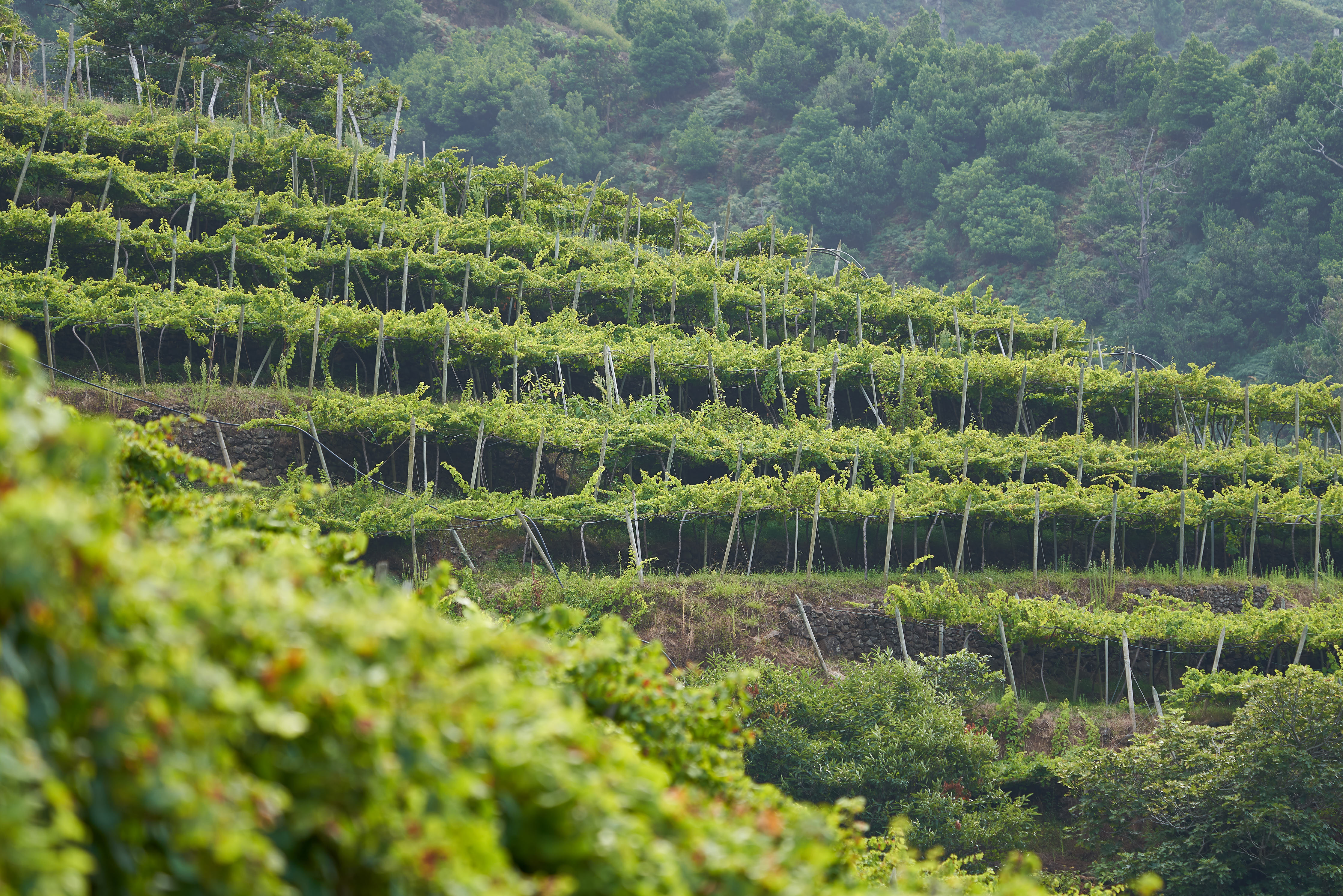
The four traditional grapes of Madeira – known as the noble varieties – are Sercial and Verdelho, which are used to make drier styles, and Bual and Malvasia, which make for sweet and highly concentrated wines.
To make Madeira, grapes are pressed and the resulting juice is fermented, either in oak or stainless steel containers. Producers may choose to fortify their wines early in this process, halting fermentation before yeasts have had a chance to convert the sugars in the grape juice into alcohol and creating sweet wines. Alternatively, they may wish to fortify later to produce drier styles.
What comes next is the crucial step in the process that sets Madeira apart from other fortified wines: a particular form of ageing known as ‘maderisation’, which stems from Madeira’s origins in Portugal’s age of trade and exploration.
How is Madeira fortified?
While fortification was originally intended to preserve wines, it also allowed them to develop and become more flavourful in warm conditions. Writing in the mid-17th century, an English merchant by the name of William Bolton described wine from Madeira being shipped to the tropics and back with the sole aim of improving its character. Those that had been at sea for longer were considered finer and could command a higher price. The influence of heat and oxidation became understood as key to the Madeira style and producers sought a way to replicate this process on land.
The Canteiro ageing method sees large casks known as pipes stored in specialised warehouses which are heated by the sun, effectively cooking the wine within. These casks are never totally filled, so that the wine inside has room to oxidise, concentrate and develop Madeira’s signature profile. Producers may start their casks ageing in the hottest part of their warehouses, near the roof, and then move them to the relative cool of lower floors for extended ageing.
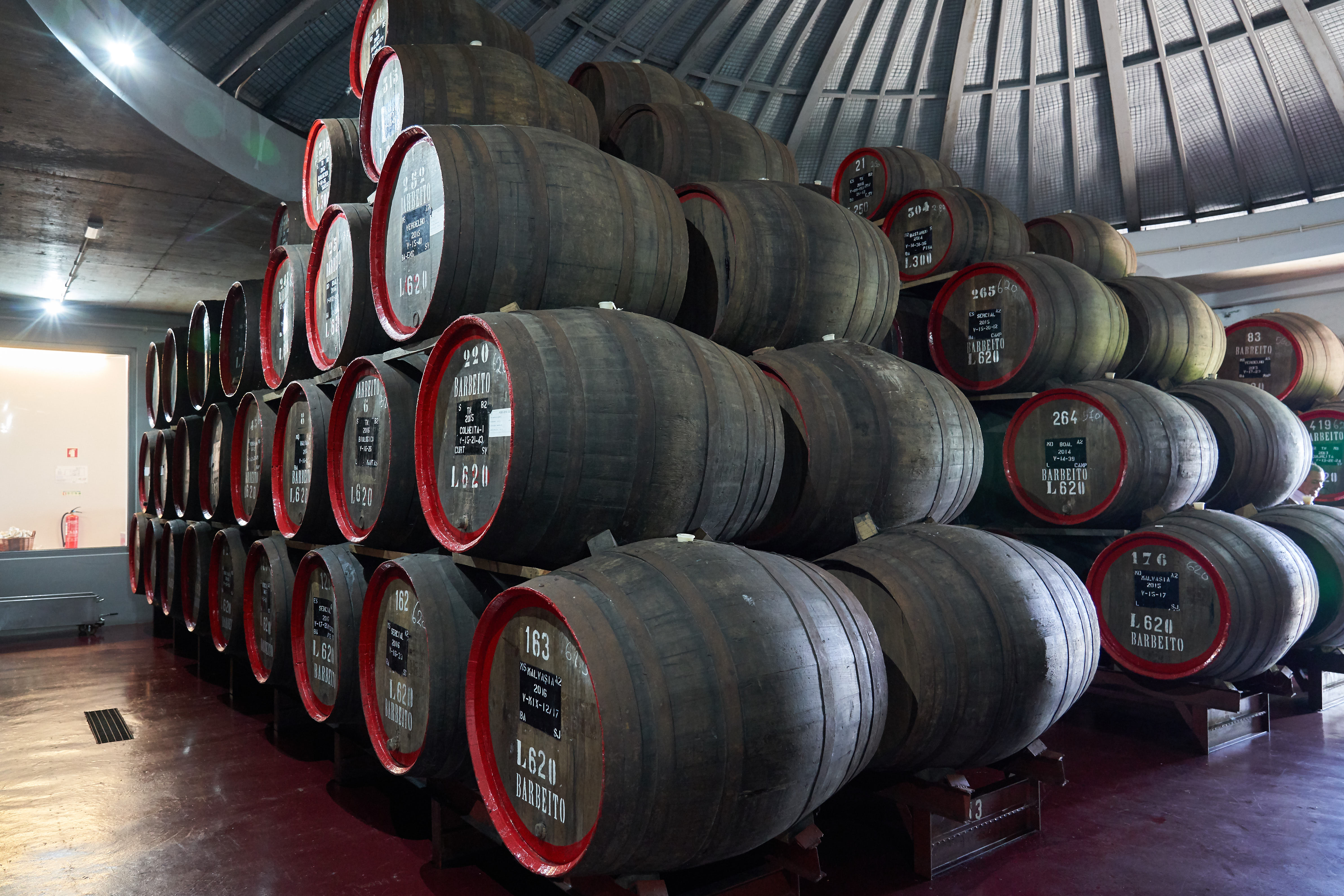
While this traditional method is still used when making fine Madeira, especially vintage bottlings, it is time-consuming and a great deal of wine is lost to evaporation – around 7% of the total volume each year. By the 19th century, Madeira’s longevity and popularity among seafaring types had made it a fashionable choice across the world. Seeking a yet quicker method of achieving Maderia’s particular style in order to meet demand, producers began to experiment with ways of artificially heating their wines to aid their development.
The estufagem process is a method of production in which wines are artificially heated to speed up maderisation. This either takes place in large tanks fitted with steam coils – known as Cuba de calor – or in heated warehouses where casks can be subjected to consistently high temperatures year-round – Armazen de calor.
Types of Madeira
Blended and Finest Blended Madeira
The most affordable Madeira tends to be built around the Negra Mole grape. They will generally be matured using the estufagem process for a minimum of 90 days. Finest blended Madeira will have been aged for a minimum of three years and will often carry an age statement, much like tawny port. Though blends are often thought of as the entry level of Madeira there are producers that create great blended wines, including Henriques & Henriques and Blandy’s.
Rainwater Madeira
A lighter style of medium-dry Madeira, this is a great place to look if you want a fruit-forward wine to serve chilled before a meal. Rainwater Madeira today is normally a blend of wines from red grape varieties with Verdelho and must be aged for at least five years prior to bottling. The family-run house Barbeito produces superb examples of the style.
Colheita Madeira
The Portuguese word for harvest, Colheita refers to wines from a single vintage, aged for a minimum of five years in cask. This relatively recent addition to the legal definition of Madeira came about in the early 20th century and has since been widely adopted by producers.
Frasqueira Madeira
The highest grade of Madeira, made using grapes from a single vintage and aged for a minimum of 20 years in oak using the canteiro method. These are among the longest-lived wines in the world and it’s possible to find examples from the 19th century that are still delicious. The relative affordability of Madeira means that these are a great choice for celebrating anniversaries or birthdays.
Varietal Madeira
Madeira made with a single grape variety, typically one of the four noble varieties, is particularly prized. There are varietal colheitas with an age statement identifying their maturity – typically promising five, 10-or-15-years cask ageing – or frasqueria bottlings with a vintage on the label.
Sercial
A slow-ripening grape with high acidity – when young, these wines are tart and dry but with age they can acquire dried fruit flavours that bring balance and depth.
Verdelho
A quicker ripening grape than Sercial, Verdelhos tend to be medium-dry. Characteristically, these wines often show notes of nuts and caramelised fruit with a fresh acidity.
Bual
Being quicker to ripen, Bual gives us wines that are usually medium-sweet, but again with balancing acidity. Bual Madeiras typically show notes of dark fruits, caramel, Christmas cake and candied peel.
Malvasia
Malmsey, from the Malvasia variety, is the sweetest style of Madeira, but the sweetness doesn’t dominate the palate. The combination of high sugar, acidity and oxidative ageing makes Malmsey Madeira extremely long lasting.
How to drink Madeira
You can serve dry styles well chilled before a meal and sweeter styles just lightly chilled for the best impact. The complexity of these wines and that streak of acidity means that they pair well with a variety of different foods. Try a dry Sercial with creamy goat’s cheese and nuts or a Verdelho with jamón ibérico or pâté.
Sweet Madeira is one of the world’s great after-dinner drinks. It’s not uncommon to pair Malmsey or Bual with chocolate or dried fruit-forward deserts, while very old examples can be a great match for cigars.
Madeira’s powers of longevity means that it can keep its charms for months after opening, though lighter varieties should be kept refrigerated. If you plan on serving a very old Frasqueria, it can be a good idea to open it several days in advance to allow the wine to breathe before pouring. After that, all you need to enjoy is a tulip-shaped glass or small wine glass to get the best out of it.
