


 United States — would you like to set this as your default country of delivery?



 Trade
Trade
 Shops & Events
 Customer Service

Calvados Guide: The French Apple Brandy Explained
The northern French region of Normandy has a long and well-known history, conjuring images of the island abbey of Mont Saint-Michel, windswept beaches and D-Day. But the region is also home to acre upon acre of apple orchards that produce the area's best-known spirit, Calvados

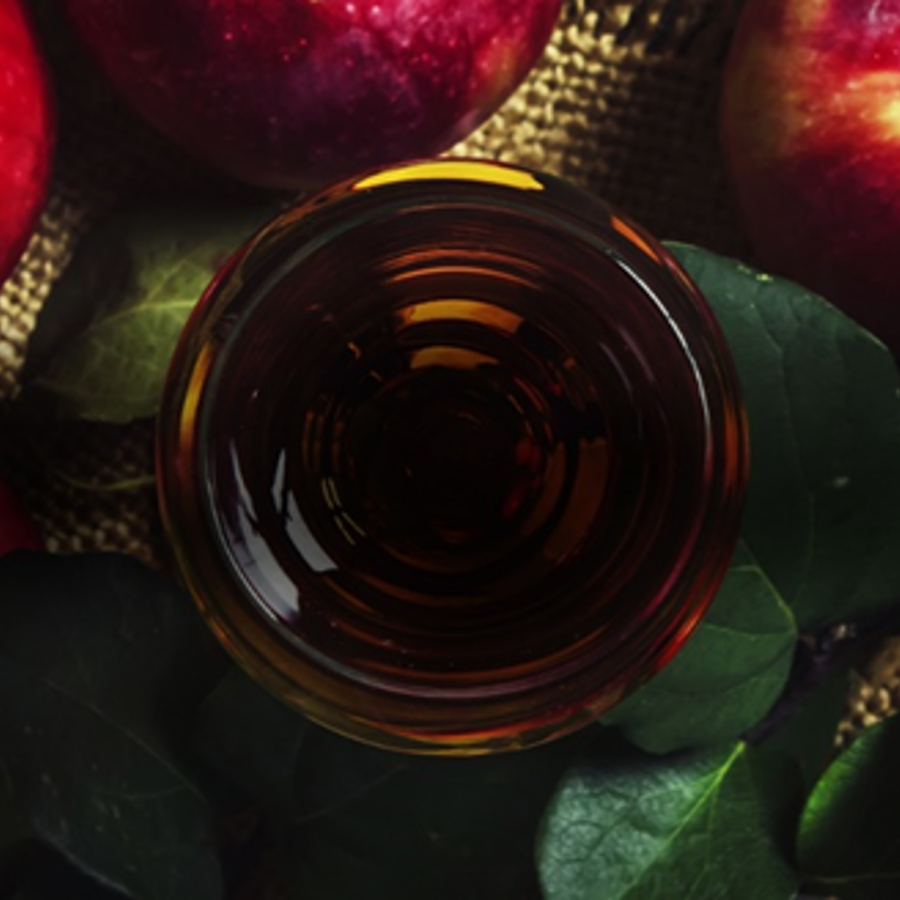
Simply put, Calvados is a distilled apple cider from Normandy, France. While there are hundreds of apple varieties that can make Calvados, it can also be made with perry, cider’s pear-based cousin. Like many of France’s famous drinks including Cognac, Armagnac and Champagne, it has an Appellation d’Origine Contrôlée (AOC), a strict set of rules that govern how and where it can be produced, from which type of apple producers can use – sweet, bittersweet, bitter and sharp – to the minimum amount of time it must be aged for.
There are around 300 Calvados producers in Normandy, but only a fraction of them export their spirit outside of France, leaving this historic spirit hard to find and not as popular as Cognac or Armagnac. In spite of the limited supply, Calvados has proven popular with bartenders around the world, acting as either the secret ingredient or the star of the show, but in parts of France it is a household staple.
How is Calvados made?
It all begins in the orchards, where an abundance of cider apples and perry pears grow. Unlike the fruit you might pick up at the supermarket, these are smaller and more tannic. With more than 200 apple and 100 pear varieties that are legally allowed for Calvados production, they are further divided into four categories: bitter, bittersweet, sweet and sharp.
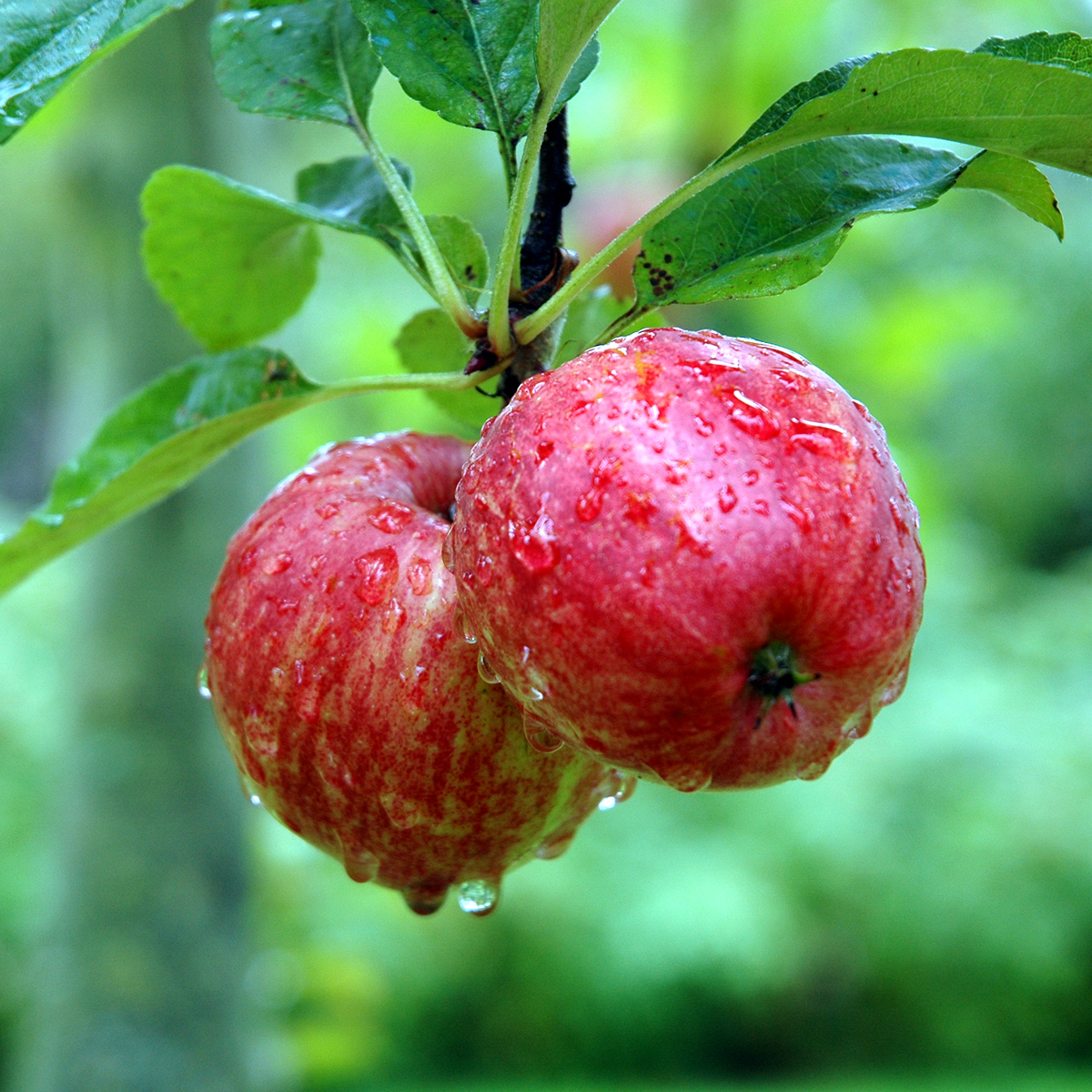
This is how these fruits become Calvados.
Harvesting
In late September, as summer draws to a close, cider apples and perry pears are harvested from the orchards, before being sorted, cleaned and mashed. The pulp is then pressed to extract the juice, which is known as 'must'.
Fermentation
Once pressed, the juice needs to be made into cider. Placed in large tanks, it is allowed to ferment naturally for at least 21 days, though the length of fermentation varies between the different appellations. The resulting cider is around 4.5% ABV and ready to be distilled.
Distillation
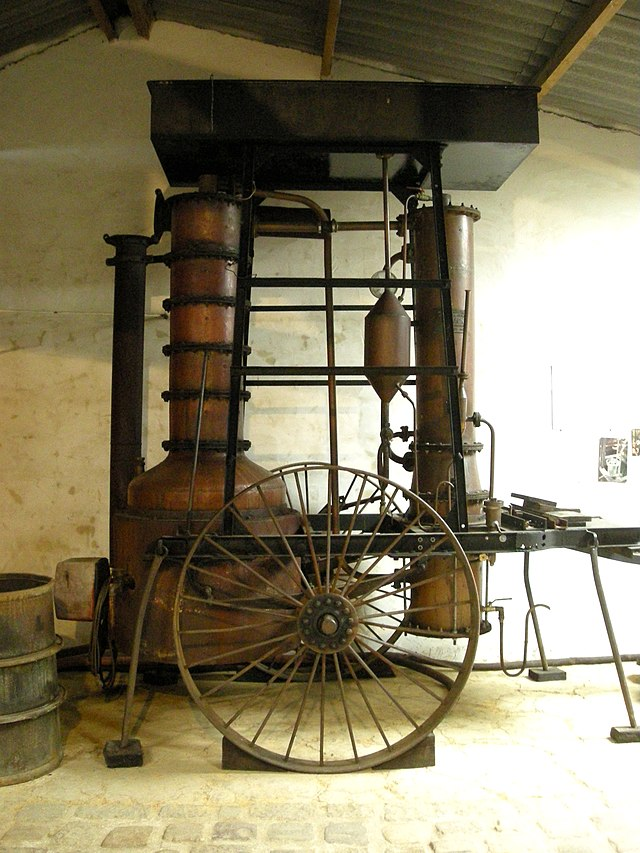
Depending on the style of Calvados being made, it can be distilled in one of two ways. The first uses an alembic pot still to double-distil the cider, the second is to use a continuous column still. During distillation the alcohol vapours are separated from the cider and condensed into a higher ABV spirit with a concentrated flavour, known as eau-de-vie.
Ageing
To become Calvados, this eau-de-vie must be aged for at least two years in French oak casks, but it is often aged for much longer. Some producers choose to first age the spirit in large barrels made of new oak to impart flavour and tannins, then moving the liquid to smaller, older casks for further aging. Other producers prefer to store the eau-de-vie in large vats before aging to minimize the influence of the cask and create a lighter style of Calvados. It is common for eaux-de-vie to be moved from cask to cask in order to achieve the desired character.
Blending
To create the perfect Calvados, the cellar master will select eaux-de-vie from different casks and blend them to craft the ideal character. For a vintage Calvados, casks filled in the same year will be chosen.
Where is Calvados made?
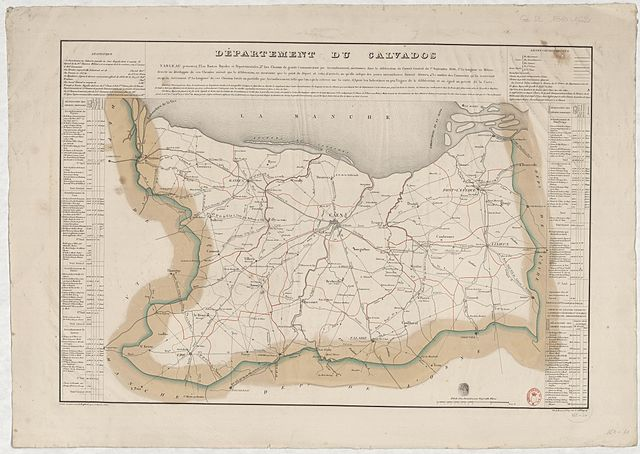
There are three distinct Calvados appellations within Normandy, each with different regulations on production. The strictest appellation is Pays d’Auge, which dates back to 1942, and the largest, simply dubbed Calvados AOC was formed in 1984. The most recent appellation is Domfrontais, which hails from the Domfront region of Normandy and was recognised in 1997.
AOC Calvados
The broadest Calvados appellation, encompassing much of lower Normandy, Calvados AOC is a combination of 10 regions that were part of the old Appellations d’Origine Réglementée system. There is no mandatory regulation on the method of distillation, but most producers in this appellation prefer the use of a column still, before a required minimum of two years aging in French oak casks.
AOC Calvados Pays d’Auge
This appellation covers a small area in the centre of Normandy. It is a requirement that Calvados made in the region undergoes double-distillation in a copper pot still and spend at least two years in French oak casks. A maximum of 30% perry can be used, but many producers will use a much smaller amount, or even none at all.
AOC Calvados Domfrontais
The youngest of the appellations lies in the southern reaches of Normandy, Domfrontais embraces the use of pears with a minimum of 30% perry required alongside the cider that is distilled. It is common for producers to use a much higher percentage of perry, creating a crisp, fresh spirit. Calvados Domfrontais must be made with a column still and has the longest age requirement of all, needing at least three years in French oak casks before it can be bottled.
How to drink Calvados
Like other brandies, Calvados is often enjoyed as an after-dinner drink or palate cleanser, consumed between courses. Older Calvados are often enjoyed alongside cigars or paired with foods including dark chocolate, apple pastries and creamy cheeses such as Camembert.