


 United States — would you like to set this as your default country of delivery?


 Trade
Trade  Shops & Events
  Customer Service
 Campbeltown Whisky Guide: Exploring the Historic Whisky Region
Scotland’s smallest whisky-producing region is a cult favourite among collectors and enthusiasts – discover the history and modern identity of Campbeltown, with distilleries including Springbank and Glen Scotia

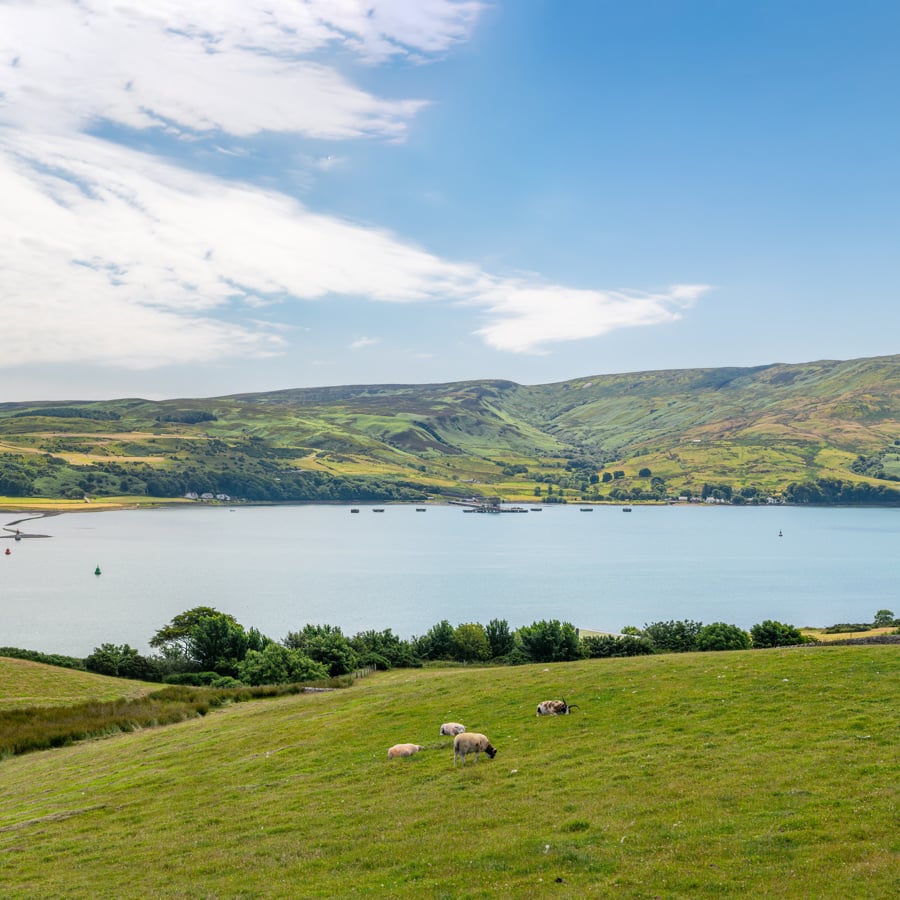
Campbeltown Loch
dvlcom - stock.adobe.com
Once the beating heart of Scottish distilling, with the greatest concentration of distilleries in the world, Campbeltown’s shifting fortunes meant that by the end of the 20th century it was home to just two producers. At that time, the robust and idiosyncratic whiskies for which Campbeltown is famous seemed at risk of disappearing forever. But the good news for whisky fans everywhere, is that the Wee Toon – as it is affectionately known – is experiencing a 21st-century revival.
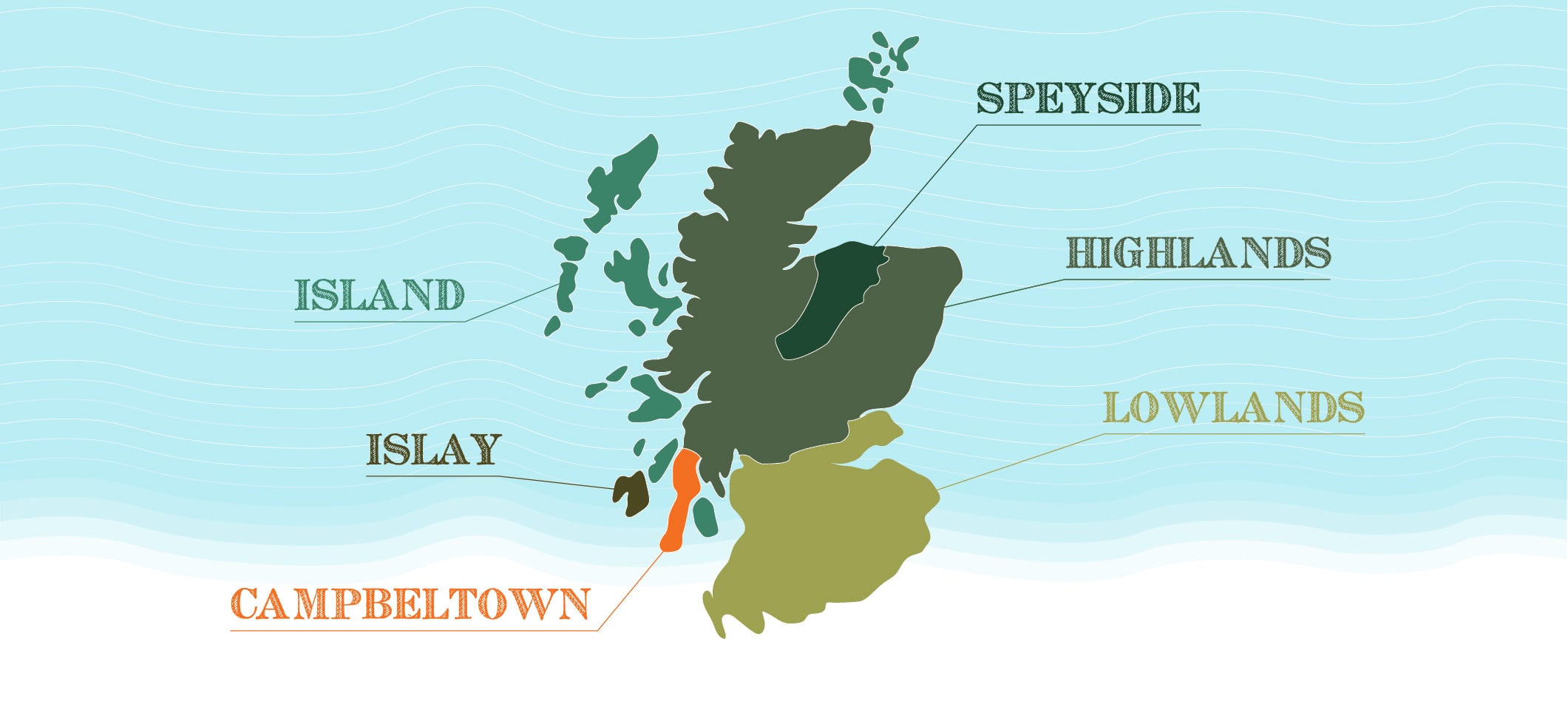
Springbank, Glengyle and Glen Scotia are the three distilleries currently online and laying down casks in Campbeltown. Though each is relatively small in terms of capacity, they loom large over the whisky world. These three survivors produce various different types of single malt, so identifying a common ‘Campbeltown style’ is not necessarily straightforward. However, the common thread between all Campbeltown whiskies is a sense of character and intensity. These are old-fashioned whiskies, full-flavoured and brilliantly out of step with the mainstream – there’s a reason most whisky geeks will find themselves in Campbeltown eventually.
‘Campbeltown Loch, I wish you were whisky
Campbeltown Loch, och-aye
Campbeltown Loch, I wish you were whisky
I would drink you dry.’
– Scottish Traditional Song
The history of Campbeltown whisky
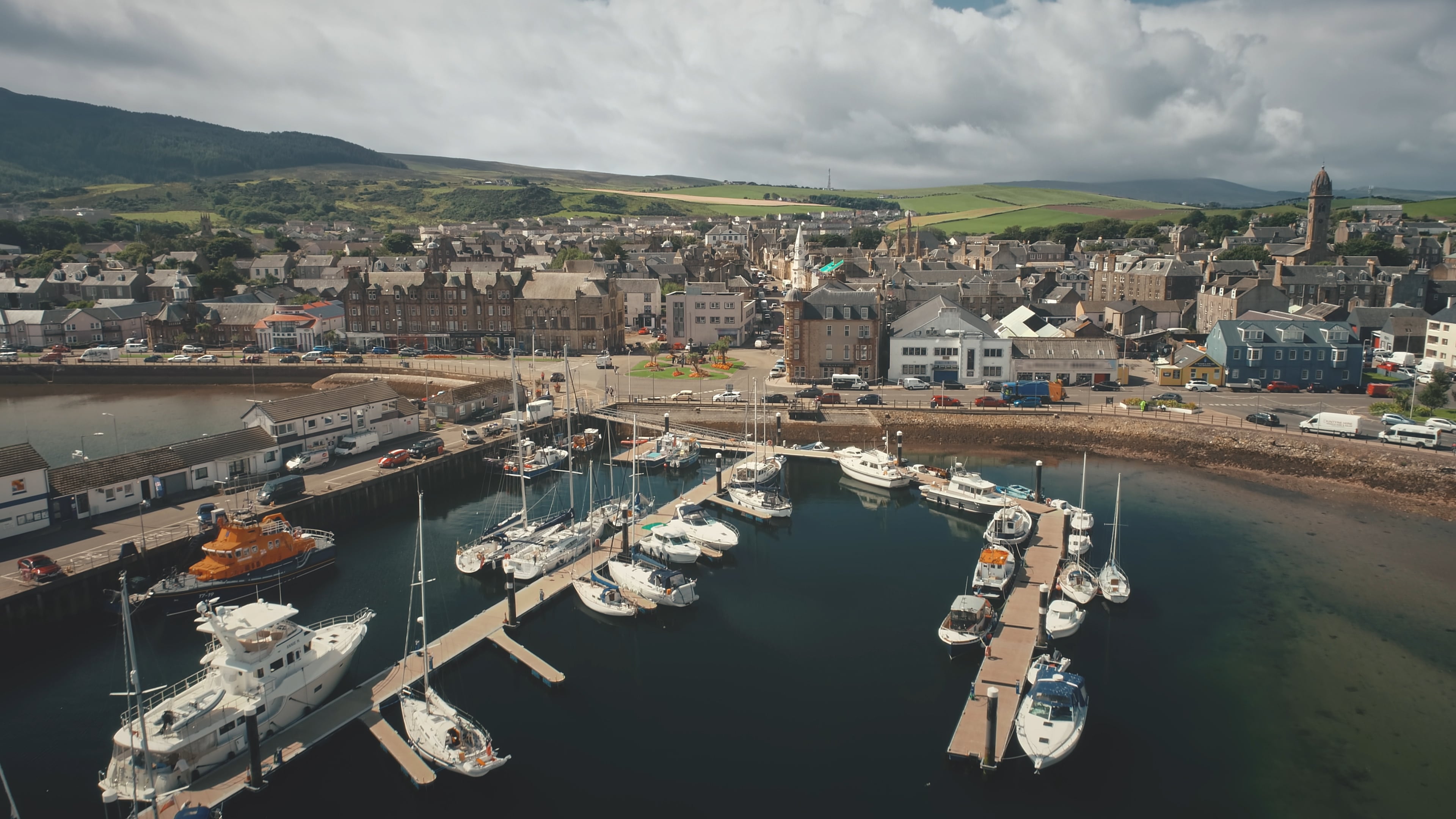
Located to the south of the Kintyre Peninsula on Scotland’s west coast, Campbeltown is built around a natural harbour that made it a thriving port during the herring boom of the early 19th century. While some distillers plied their trade in the region before this time, it was the Excise Act of 1823 that transformed Campbeltown’s fortunes, bringing a generation of would-be whisky makers looking for a piece of a veritable gold rush. This landmark piece of legislation brought distilling in the Highlands out of the shadows and facilitated an era of investment and expansion.
By the Victorian era, Scotch whisky was an international phenomenon, so a port town with established trading routes was a natural place to make whisky. This being Scotland, there were an abundance of local water sources, nearby Ireland was a reliable supplier of grain and experienced distillery workers, Drumblemble mine had coal to fire stills, and steam ships arriving in the harbour could carry casks of whisky anywhere in the world.
When Alfred Barnard visited Campbeltown in the 1880s as research for his still indispensable book The Whisky Distilleries of the United Kingdom, he found a thriving industry with at least 21 distilleries supplying malt whisky to Glasgow, London and across the British empire. He visited Scotia and Springbank, as well as lost distilleries with familiar names including Hazelburn and Glengyle (more on them later).
While Barnard’s writing about what he calls ‘Whisky City’ depicts distilleries expanding and planning for the future, the good times were not to last. World Wars, economic downturn and shifting tastes all took their toll on Campbeltown. Distillers elsewhere in the Highlands were building their reputations based on mellow, fruity malt whiskies. As a result, blenders were moving away from the heavier style that had made Campbeltown famous. Years of distillers overextending to meet demand and bandwagoners producing sub-par spirit had damaged the once towering reputation of the local malt whiskies. Campbeltown Loch was by this time horribly polluted and largely unusable. One by one, distilleries began to fall silent.
Some of the more established names clung on into the 20th century, but their fate was sealed by prohibition in the United States, which came into effect on 28 October 1919 and cut off a crucial market. Many of the Toon’s great distilleries closed during this time, with Dalintober, Ardlussa, Benmore and many others consigned to history. With no examples of their single malt available today, we can only speculate about the heights they reached and the styles of whisky they might have produced. By 1936, only Springbank and Scotia (which would later become Glen Scotia) remained.
Walk the streets of Campbeltown today and you’ll see shadows of its past hidden in the architecture. A pagoda shaped roof that marks a former maltings, a street name once shared with a distillery, or the barred windows of a bonded warehouse long since left to ruin. With just two distilleries keeping the tradition alive and production at a historic low, it looked for a time as though Campbeltown’s status as a region would be revoked, making it just another corner of the Scottish Highlands. But, luckily for us all, the new millennium brought renewed interest in single malt whisky and a glimmer of hope for the future.
Campbeltown's whisky distilleries
At the time of writing there are three distilleries currently active in Campbeltown – Springbank, Glen Scotia and Glengyle (which releases whiskies under the name Kilkerran) – with more on the way promising to usher in a new era of whisky making.
Springbank
For some whisky fans this is not so much a cult distillery as a full-on religion. Founded in 1828 and still independent, Springbank kept the tradition of Campbeltown whisky alive when it looked dangerously close to becoming extinct. Today, it produces three separate styles of single malt: the eponymous Springbank is lightly peated and undergoes an unusual 2.5 times distillation. The other two are the heavily peated, twice-distilled Longrow and the triple-distilled unpeated Hazelburn, both named after lost distilleries from Campbeltown’s heyday.
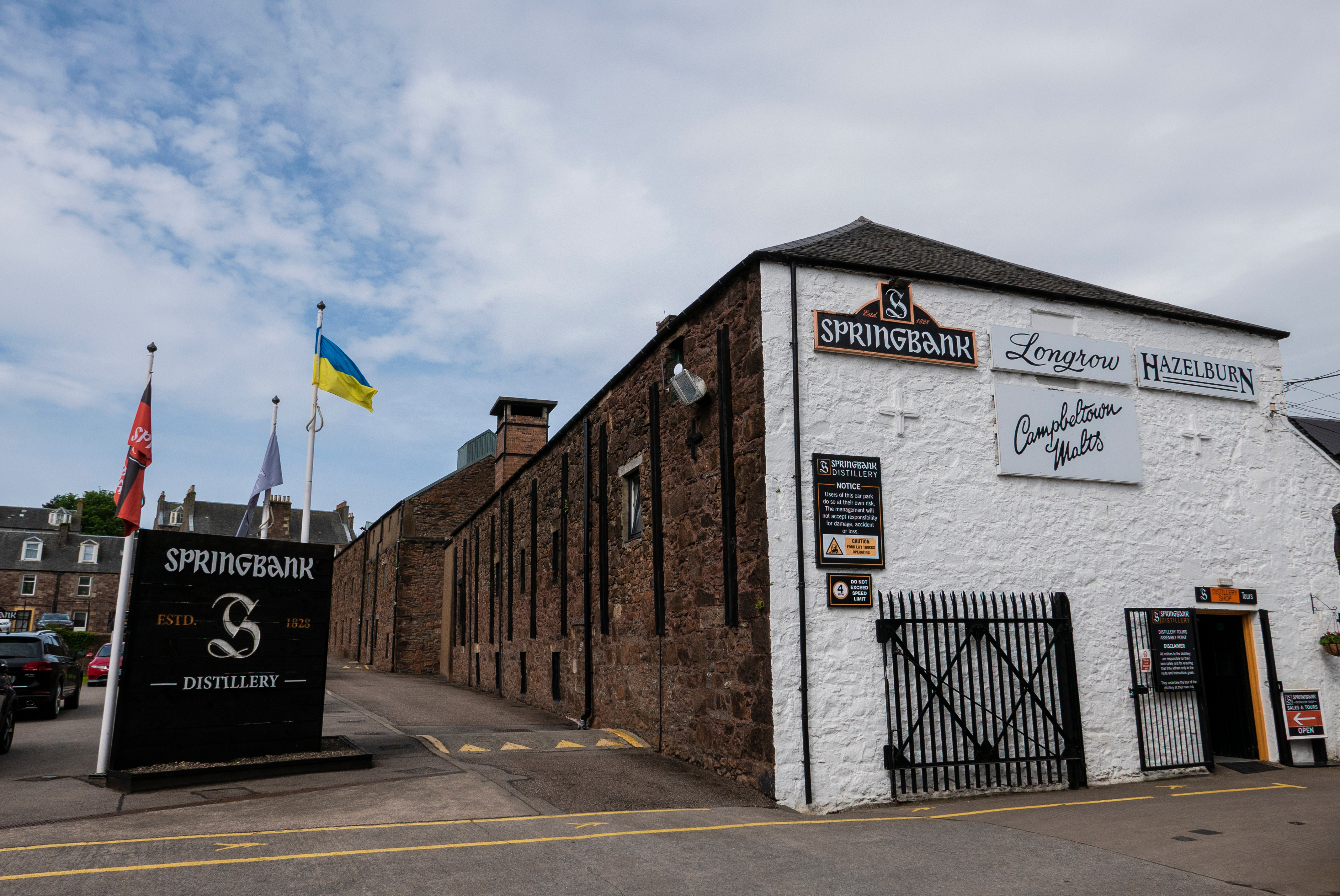
Though these different makes mean that Springbank is something of a chameleon in terms of style, it has a wild and old-fashioned quality that’s instantly recognisable and difficult to find elsewhere. Limited-edition Springbanks are always highly prized, especially rare single casks and the beloved Local Barley expressions made with grain from the Kintyre Peninsula.
Glen Scotia
Glen Scotia is located on the edge of Campbeltown harbour. Another stylistic shapeshifter, this robustly built Victorian stillhouse produces a range of peated and unpeated whiskies that share a common threat of coastal minerality and peppery intensity. Along with Springbank, this was a bastion of distilling at a time when Campbeltown looked set to disappear from the whisky map for good.
Glen Scotia’s versatility has allowed it to produce essential components for blenders over the years and helped it weather the whisky industry’s fallow years. Recent times have seen it emerge as a respected single malt in its own right, beloved for creative limited-edition whiskies – notably those produced for the annual Campbeltown festival – and its higher-proof Victoriana expression.
Glengyle and Kilkerran
The oft-told story of Glengyle begins at the turn of the 21st century, with the Scotch Whisky Association informing Springbank’s late chairman Hedley G Wright that two distilleries were not enough to maintain Campbeltown as a whisky-producing region. Being a formidable character – and a keen protector of Campbeltown’s legacy – Wright revived Glengyle distillery, which had closed in 1925. In 2004, under Springbank’s ownership, Glengyle began filling casks with new-make spirit, the first such inauguration in the region since 1879.
As the name Glengyle is trademarked elsewhere, this relative newcomer’s single malts are released under the name Kilkerran in reference to an early settlement near modern Campbeltown. Strikingly minimalist in presentation and thoroughly atypical, Kilkerran single malts typically show bright citrus and soft fruits, an industrial smokiness and strong minerality. The standard Kilkerran make is lightly peated and double distilled, but like Springbank the distillery also spends some weeks of the year producing more unusual heavily peated and triple-distilled variants.
The future of Campbeltown whisky
At the time of writing there are there are three distilleries in the works set to double the number of producers in Campbeltown: Witchburn, Dal Riata and Macrihanish. While it will be some years before they have mature single malts to sell, this points to something of a renaissance in this storied region that spent nearly a century in relative obscurity. For fans of the Wee Toon and its whisky, this can only be good news.


