


 United States — would you like to set this as your default country of delivery?


 Trade
Trade  Shops & Events
  Customer Service
 The Essential Guide to Islay Single Malt Whisky
The history and present day of this small island region, known for intense and usually peated single malt whiskies that combine vibrant spirit character with coastal influence

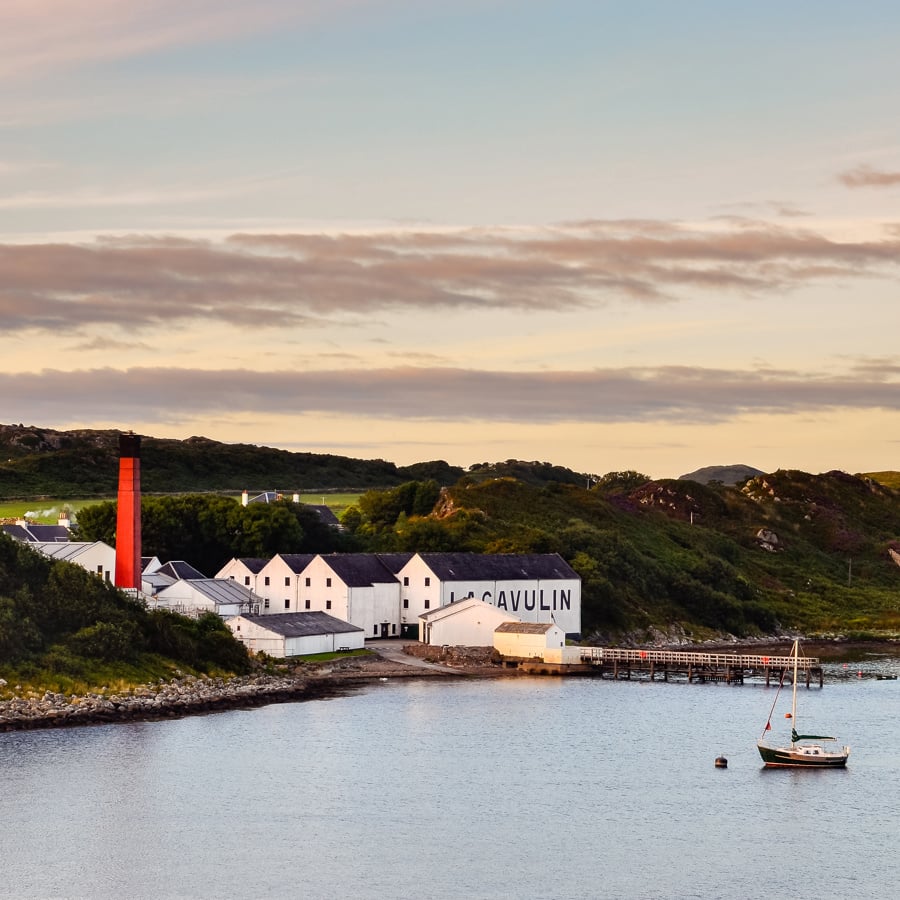
Lagavulin distillery, on the coast of Islay
Martin M303
There are few places as important in the history of whisky as Islay. The so-called ‘Queen of the Hebrides’ is home to 11 active distilleries, with more set to open in the coming years. While the island produces diverse and varied single malts, it is best known for smoky whiskies with a distinctive coastal character.
This style is often described as an acquired taste, but that shouldn’t discourage newcomers to whisky from exploring Islay. Unpeated drams from Bruichladdich or Bunnahabhain distilleries deliver Islay character without any smoke at all, Bowmore and Caol Ila both offer refined peat smoke that may prove more approachable, and even the intense medicinal smokiness of a Laphroaig or Ardbeg can be love at first taste for some.
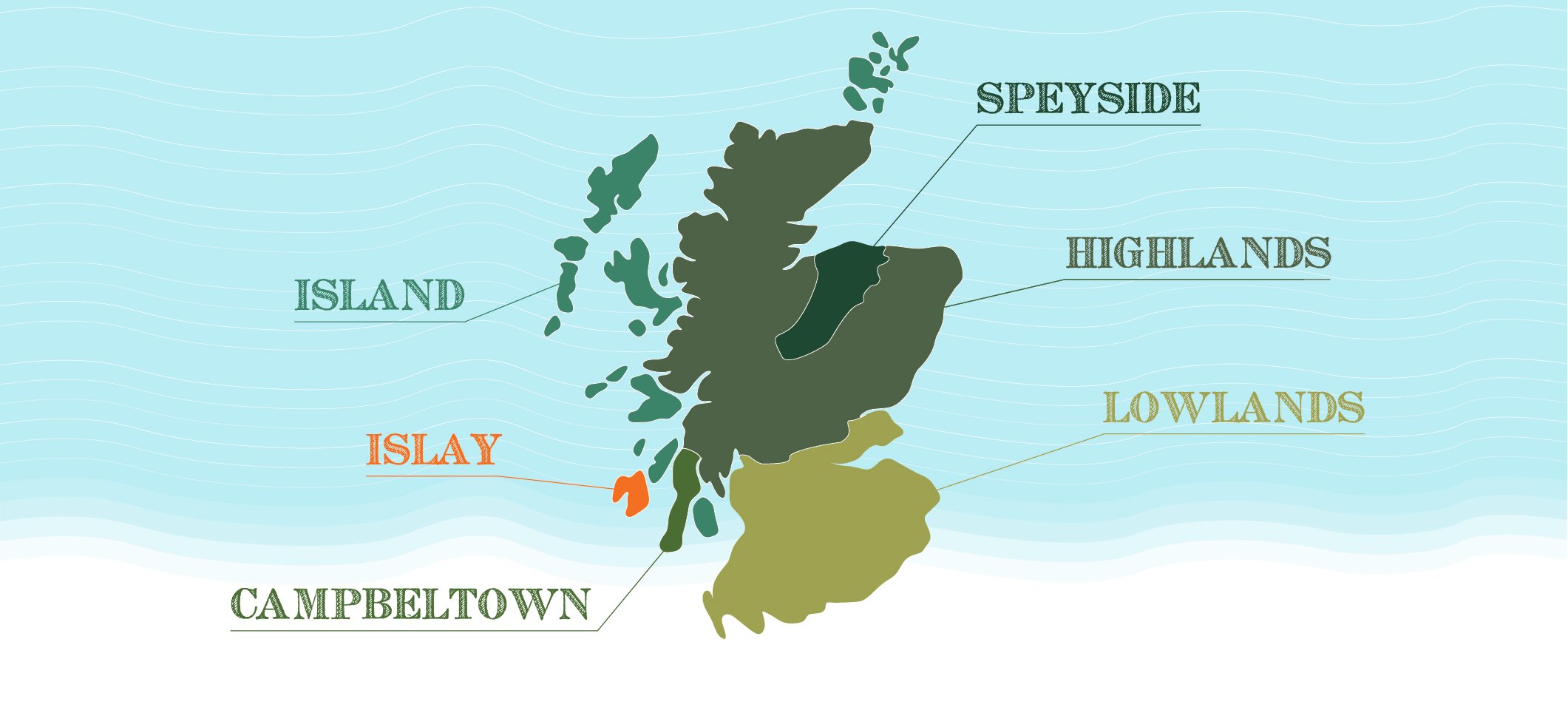
The fact that Islay whisky has a distinctive character and a formidable reputation for quality is no accident. Its whiskies are the product of centuries of human endeavour in the Hebrides, dating back to when the first people planted barley there more than 5,000 years ago. While it is remarkable that such a small place would become a great centre of distilling, it perhaps shouldn’t surprise us, as Islay had everything it needed to make great whisky from the beginning: abundant fields for growing barley, vast peat bogs for fuel, clean soft water and harbours providing links to the wider world – the perfect incubator for the art of distilling.
To make single malt whisky, barley needs to be malted, a process that requires heat. The Ileachs – inhabitants of Islay – didn’t have ready access to coal and wood, but they did have abundant reserves of peat, which could be burned to dry the barley. In this process, smoky phenolic compounds in the peat smoke stick to the grain and impart a character that lasts through fermentation, distillation and maturation. This meant that whiskies made using peat carried a distinctive smokiness, and Islay whiskies had a different character from those made on the mainland. While not every distillery on Islay focuses on peaty flavours, it has become the traditional style of whisky made on the island.
The history of Islay whisky
Whisky making in Scotland was mostly illicit before the 19th century. One of the great advantages Islay had was that if excise officers were on their way from the mainland, the islanders could see them coming.
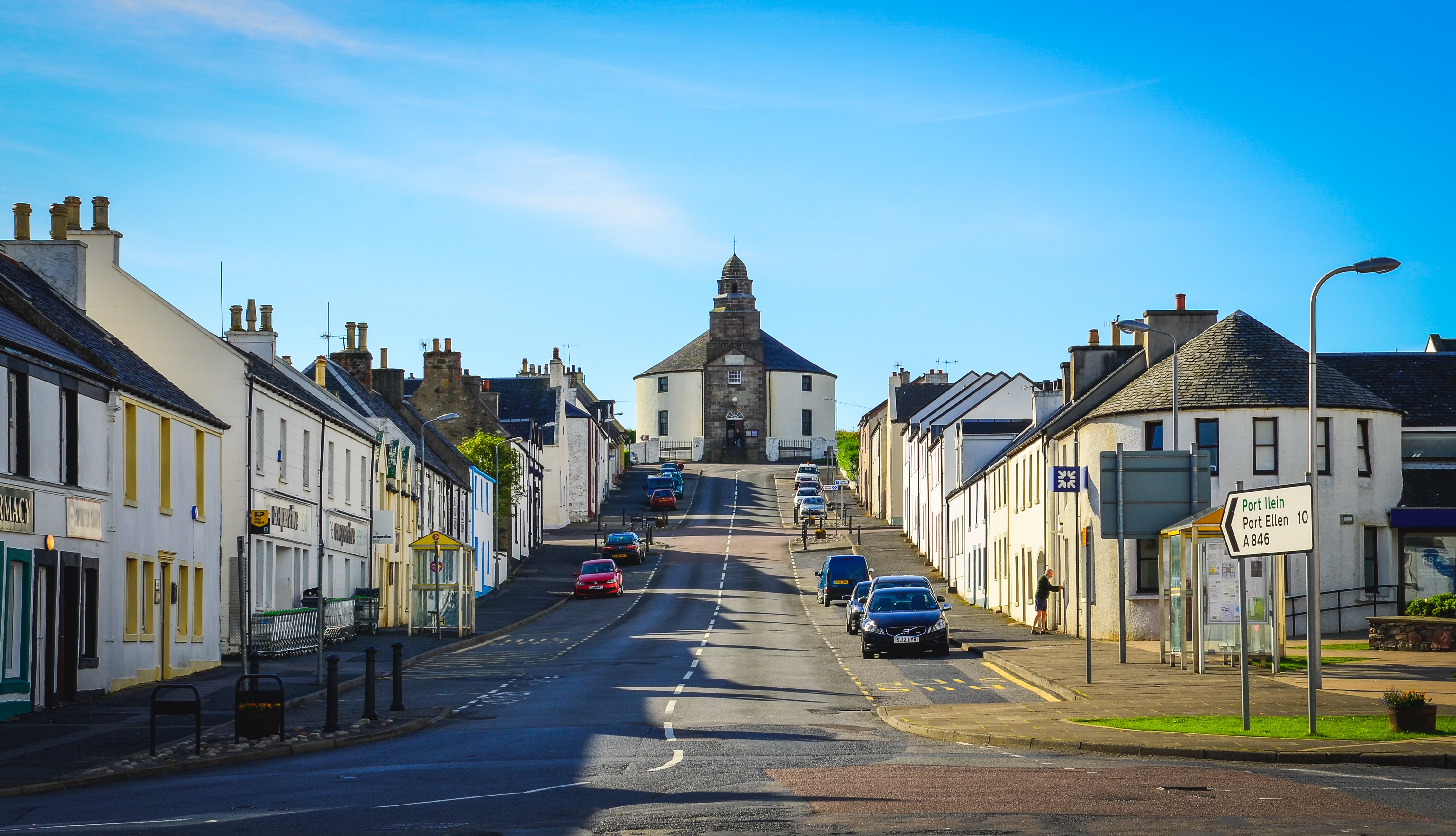
The island’s oldest registered distillery is Bowmore, located in its namesake town on the shores of Loch Indaal, which claims its founding date as 1779. By the time Scotch whisky began to develop as an industry in the Victorian era, Islay whisky already had a formidable reputation.
Fast forward to the mid-20th century, and most of the Islay distilleries we know today were well established. Though single malts were a relatively niche offering at the time, there are bottles of Laphroaig, Bowmore and others dating to the 1960s and earlier. If you break the seal on a blend like Johnnie Walker or White Horse from this time and detect a hint of fine, mineral smoke, that’s likely a little old Islay whisky making itself known.
The industry on Islay went through hardship in the 1980s, as was the case across Scotland. Public tastes veered towards lighter drinks like vodka, and the island’s full-flavoured single malts were not as sought-after as they once were. Port Ellen closed, seemingly for good, and production was pared back across the board.
Thankfully for enthusiasts everywhere, the 21st century brought renewed interest in whisky of all kinds. The people wanted flavoursome spirits once again. But it wasn’t just flavour that Islay delivered on. It was heritage, craftsmanship, provenance, cache, terroir. Production grew again, and Islay whiskies became the darlings of the whisky world.
The remaining casks of Port Ellen, mostly forgotten since they were filled in the 1970s and 80s, were finally getting the recognition they deserved under Diageo’s Special Releases banner. Ardbeg, which had been through decades of reduced production, ramped up once again and found a new generation of avid fans. Bruichladdich reinvented itself as a single malt distillery with a modern look and bold commitments to provenance. In 2017, it was announced that Port Ellen would be rebuilt, with its doors opening in 2024. Add to that newcomers to the island building new distilleries, and boom time had come to Islay once again.
The distilleries of Islay
Ardbeg
Est. 1815
One of Scotland’s true cult distilleries, Ardbeg produces an intensely smoky spirit with a distinctive oily peat character and a deep underlying sweetness. Ardbeg 10 Year Old is, for many, a benchmark Islay malt, with a rich palate of seaweed, tarred ropes, salt water, lemon, olives and shellfish.
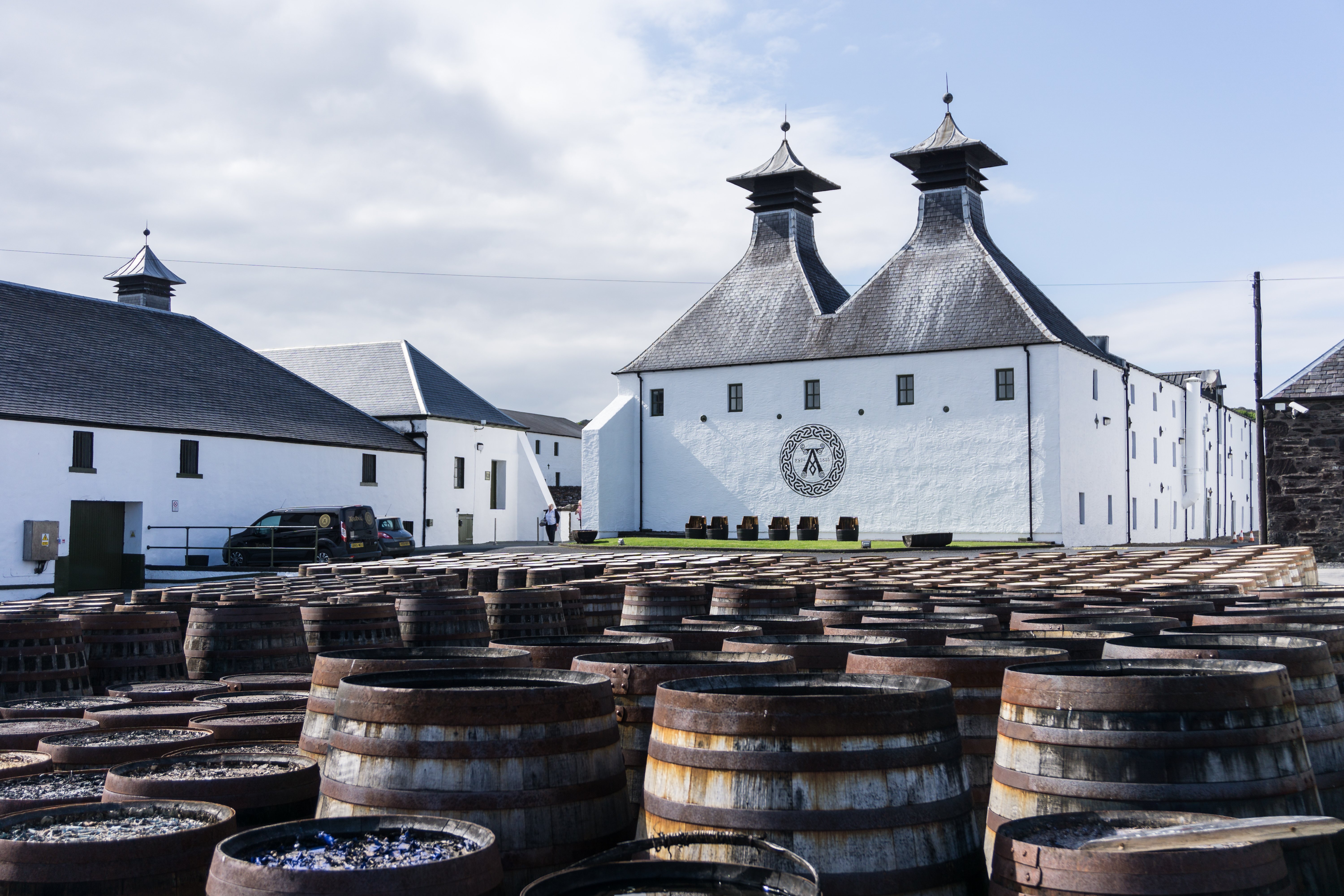
This very particular profile meant that Ardbeg sometimes flew in the face of prevailing trends for lighter, more delicate whiskies. As a result, it was closed for long periods, especially in the 1980s and 90s, but since it was acquired by LVMH – the group responsible for Glenmorangie and Dom Pérignon, among others – this old Islay distillery has gone from strength to strength. In recent years, a number of limited-edition releases have explored the influence of different cask types on the Ardbeg spirit.
Ardnahoe
Est. 2018
One of the new wave Islay producers, Ardnahoe was set up by independent bottler Hunter Laing, which broke ground on this thoroughly modern distillery in 2016. Early releases of Ardnahoe single malt suggest a classic Islay whisky character with marine minerals, rich peat smoke and complex fruitiness. Visitors to the site will find a picturesque stillhouse that looks out over the distillery’s namesake Ardnahoe Loch. One to watch.
Bowmore
Est. 1779
The oldest surviving part of this iconic distillery is the Number One Vaults, underground warehousing that lies below sea level. Some of Islay’s greatest whiskies were matured in the cold and darkness of these rooms, including the now legendary Black Bowmore releases. These 1964 vintage whiskies are regularly counted among history’s greatest whiskies, with a unique combination of tropical fruit character with elegant smokiness and rich, savoury sherry cask influence.
While the Bowmore character has evolved a great deal over the years, that thread of tropical fruit and a softer smokiness than many of its neighbours remains a common theme. It is one of just a handful of distilleries in Scotland that still maintains traditional floor maltings, which supply about 40% of its grain requirement. Bowmore 12 Year Old is an excellent introduction to the distillery character and a great example of bright and elegant Islay malt. Older and more sherried expressions provide a richer take on the house style that’s well suited to cold weather and after-dinner sipping.
Bruichladdich
Est. 1881
One of Scotch whisky’s great comeback stories, Bruichladdich has successfully transitioned from workhorse distillery to top-tier producer of single malt. For much of the 20th century, this Islay stalwart was traded among various owners who used it to supply bulk spirit for blends. Its soft, creamy and – crucially – unpeated whiskies were purportedly well-liked by the locals but proved hard to contextualise among the other Islay malts.
After a silent period starting in 1996, the site was bought by a group of investors in 2001. The new owners began experimenting with local barley and transferring existing stocks into fresher oak, including a high proportion of wine casks. With a new focus on locality, the self-styled ‘progressive Hebridean distillers’ began working with barley grown on Islay and started to mature and bottle on the island.
They also expanded Bruichladdich’s repertoire with the addition of the heavily peated Port Charlotte and super-heavily peated Octomore. While the flagship Bruichladdich Classic Laddie single malt – in its modern incarnation with a striking turquoise bottle – offers a lactic, citrus and cereal-forward profile, its smoky siblings are different beasts entirely. Port Charlotte is characterised by red fruits, oaky spices, mineral smokiness and just a little funk. Octomore is likely the most heavily peated whisky produced today, offering an intense – if occasionally rather extreme – smoky profile.
Shop Bruichladdich >
Shop Port Charlotte >
Shop Octomore >
Bunnahabhain
Est. 1881
The island’s northernmost distillery is a great place to start if you want to explore the softer side of Islay. While Bunnahabhain does produce smoky expressions, its signature style is soft and inviting with layers of fruity and coastal notes. The flagship Bunnahabhain 12 Year Old has a nutty, lightly sherried character with notes of sea air adding freshness to a palate of exotic citrus fruits and soft leather. The keen-nosed might detect a wisp of smoke on the finish, but this is still the perfect dram to serve to anyone who thinks Islay whisky is all big peat and raw power.
As with many of Scotland’s distilleries, Bunnahabhain was built to supply fillings for blends. While not as famous as many of its neighbours to the south, this old Islay institution delivers on both quality and value for money. It also counts some legendary bottlings from over the years, especially heavily sherried expressions from 1960s vintages, like the superb Bunnahabhain 1968 Auld Acquaintance.
Caol Ila
Est. 1846
Islay’s biggest distillery is often described as a sure bet, delivering consistently high-quality whisky whether bottled young or old. Caol Ila – named after the Scots name for the Sound of Islay, which separates Islay from the Isle of Jura – offers a beautifully elegant peat character reminiscent of beach bonfires, citrus, white fruit and shellfish. This is especially true of the flagship Caol Ila 12-year-old single malt, largely matured in refill American oak, which lets that refined spirit character really shine. Older bottlings often feature pared-back peat and more vivid fruitiness, still balanced by seashore minerality.
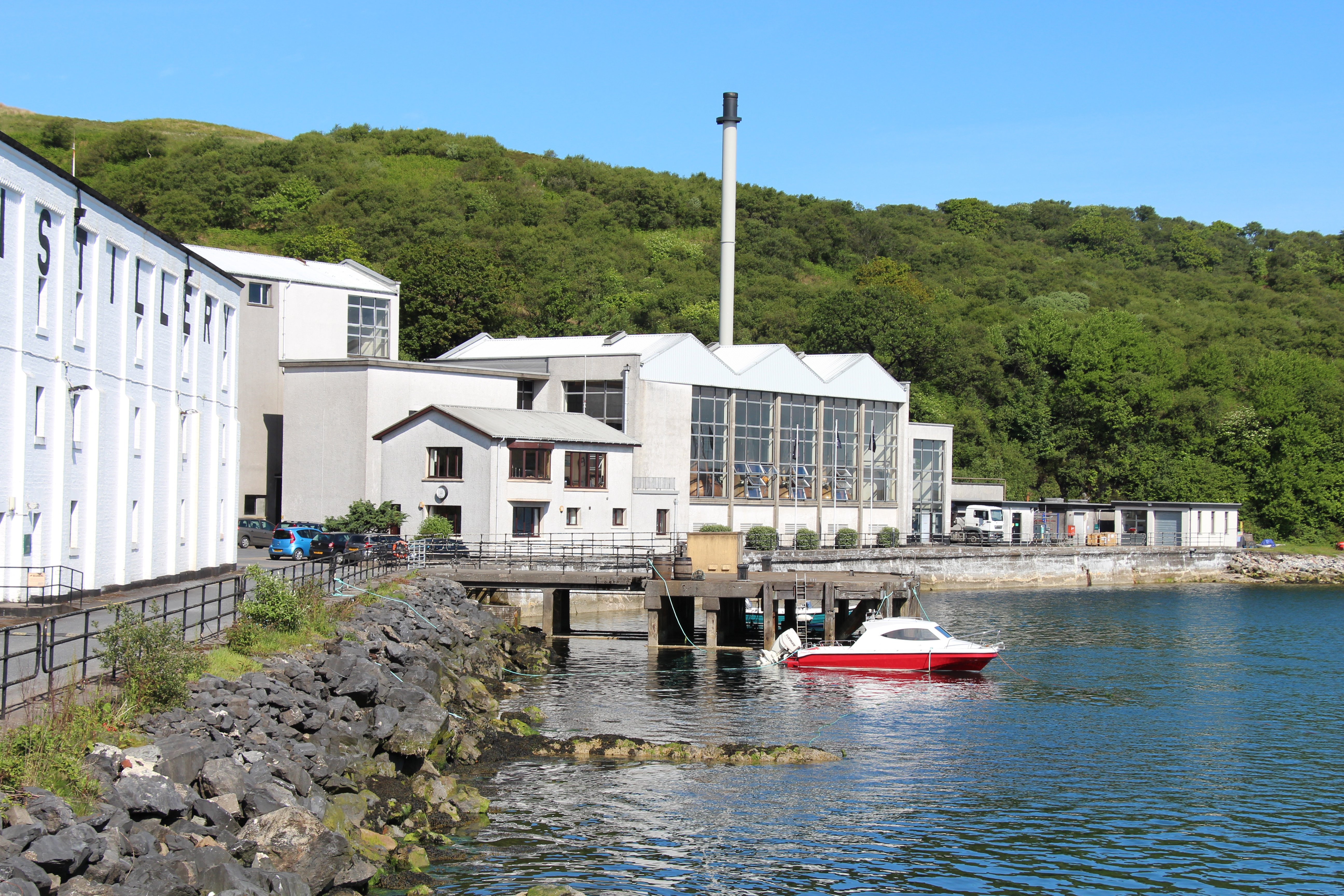
Most spirit produced at Caol Ila is earmarked for its owner Diageo’s blended whiskies, but the official single malts and independent bottlings offer crisp, well-defined Islay character. Anyone who likes peat should try young independently bottled Caol Ila at cask strength – a perennial favourite among whisky drinkers, which generally offers great value for money.
Kilchoman
Est. 2005
Inspired by the many small farm distilleries that once covered the island, this relative newcomer has always championed a local approach to whisky making and is known for releasing expressions made with 100% Islay-grown barley. Though it has since expanded, it began with the installation of stills and washbacks in a modest farmstead in Islay’s Kilchoman Parish. Along with Laphroaig and Bowmore, Kilchoman is one of the few distilleries on the island – and in all of Scotland for that matter – that still operates traditional floor maltings to supply part of its grain requirement.
Launched in 2012, the flagship Kilchoman Machir Bay quickly won fans around the world for its creamy almond, lemon and cereal notes and fine, mineral peat character. It has since been joined by a number of fortified-wine-cask-finished whiskies, including the sherried Kilchoman Loch Gorm, which adds salted caramel, nut and cigar box notes to its bright underlying spirit. As production at Kilchoman is about 0.65 million litres of spirit a year – far less than any of its neighbours – its whiskies are less widely available and therefore make a great choice for any Islay whisky fans looking for something unusual.
Laggan Bay
Est. 2016
At the time of writing, Laggan Bay is Islay's newest distillery, filling its first cask on 2 April 2026. Little is known about what the spirit style will be, with distillery manager and Islay native Malcolm Rennie still getting the production process dialled in. It's owned by Ian Macleod Distillers, who also own Glengoyne, Tamdhu and Rosebank, so the expectation of great whisky is high.
Lagavulin
Est. 1816
The iconic Lagavulin 16 Year Old is among the most recognisable whiskies in the world. Heavily peated, speaking of burning driftwood, scorched citrus fruit, smoked tea and balanced sherry influence, it’s a classic for a reason. It’s hard now to believe that in the 1980s Lagavulin was seen by owner United Distillers – the precursor to drinks giant Diageo – as far too extreme in style to ever find a sizeable audience as a single malt. Thankfully, shifting tastes have made Lagavulin’s powerful yet nuanced distillery character a hit around the world.
This sizeable distillery is located on the Kildalton coast, just between Ardbeg and Laphroaig. With a capacity around half that of its sibling Caol Ila, Lagavulin runs near-constantly to keep up with demand. The greater part of production is used for the flagship 16-year-old, but the distillery also produces an 8-year-old expression, which offers a fresher profile with more intense smoke, and regular 12-year-old cask-strength releases.
Laphroaig
Est. 1815
Laphroaig has sported the same striking green glass and white label since the early 20th century. It’s known today for towering peat smoke and a distinctive iodine character that can be challenging at first but quickly becomes quite compelling. In fact, Laphroaig was marketed as a dram you would love or hate long before Marmite adopted its classic slogan.
The longstanding Laphroaig 10 Year Old sums up the house style perfectly, with notes of ashy peat kilns, lemon juice, oysters and seaweed, with a little vanilla and hints of spruce. Older expressions often find this powerful profile refined by age as those intense peaty flavours begin to break down, allowing more nuance to show through. Anyone lucky enough to crack open bottles of Laphroaig distilled in the 1970s or earlier will find a much milder character with distinctive notes of passionfruit, mango and guava blanketed in light, medicinal peat smoke.
Port Ellen
Est. 1825
Though it’s now known as the birthplace of some of the rarest and most sought-after single malts in the world, Port Ellen spent most of its history in relative anonymity, quietly filling casks for blenders. This sizeable site on Kilnaughton Bay fell silent in 1983, at the lowest of times for the Scotch whisky industry. Some independent bottlings of Port Ellen single malt were produced over the years, but after the closure, this old distillery looked as though it might become a footnote in the history of Islay. It was only after the remaining stocks had spent decades maturing in refill oak casks that they found new life as part of the annual Diageo Special Releases.
Its whiskies distilled in the 1970s and early 80s are now counted among the very best surviving Islay whiskies, showing complex layers of earthy, marine, mineral and spicy notes as well as an austere smokiness quite different to many modern peated whiskies. Buoyed by the success of the Special Releases, Port Ellen was completely rebuilt starting in 2017 and filled its first casks for more than 30 years in March of 2004.





