


 United States — would you like to set this as your default country of delivery?


 Trade
Trade  Shops & Events
  Customer Service
 A Guide to Rye Whiskey: History, Taste, and Best Brands
Discover the history and modern identity of rye whiskey, a staple of American distilling tradition and now experiencing a renaissance around the world, from Sweden to England

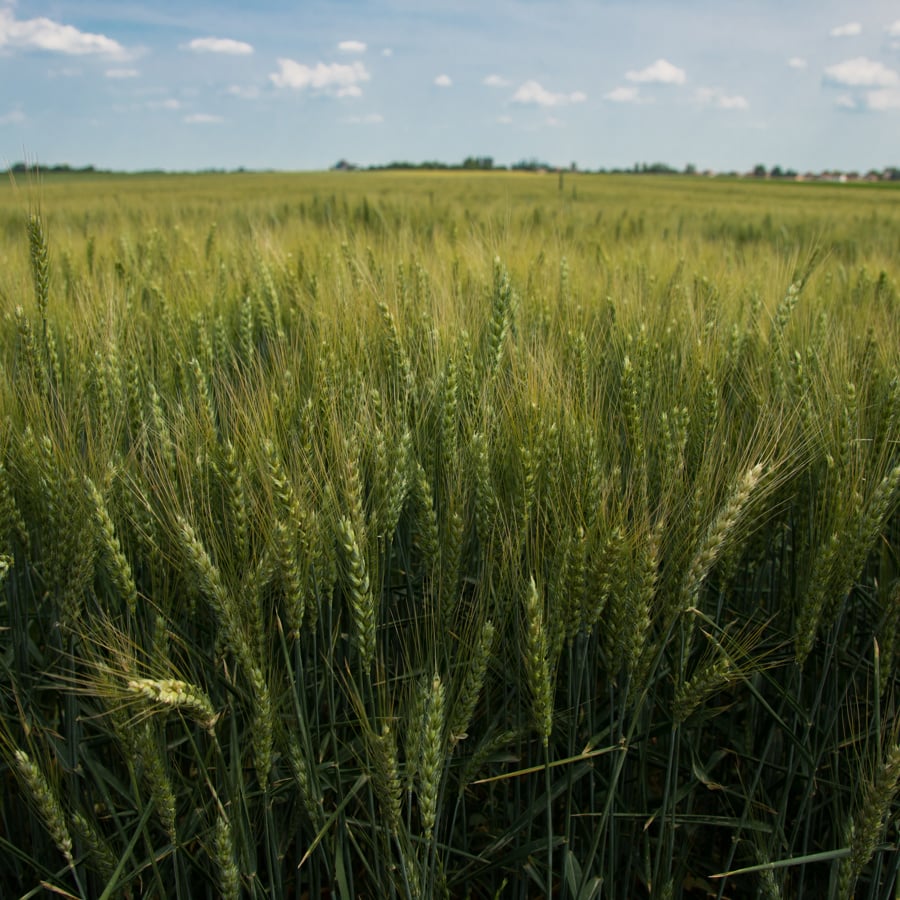
Fields of rye
hardtodigit - stock.adobe.com
In an era where strong flavours are back in style, the United States’ first homegrown spirit is enjoying something of a golden age. Spicy and herbal rye whisky is today being made and enjoyed across the world. Now, it has spread around the globe, with the Nordic countries and elsewhere in Europe all contributing their distinctive takes on this classic spirit.
But rye whisky has experienced many peaks and troughs throughout its life, principally in the United States where the vast majority of rye is still produced. It was greatly favoured during early settlement, saw a sharp decline during Prohibition, fell out of fashion in the 1960s, and is enjoying a resurgence in popularity thanks to the craft distilling and cocktail renaissance of the early 21st century.
The history of rye whiskey in America
While the malt whiskey of Early Scottish and Irish settlers struggled to adapt to the new American landscape, rye, brought over by Dutch and German farmers, thrived on the East Coast, especially in Pennsylvania and its neighbouring states.
Rye's deep root systems make it well-suited to cold conditions, even allowing it to grow under snow cover. This hardiness against the East Coast's cold winds is the primary reason why rye whiskey became the first spirit produced by American settlers.
The Revolutionary War helped to boost the stalwart whisky’s popularity by cutting off access to Caribbean rum from British colonies. This cemented a then proto-rye whiskey as the drink of choice in the fledgling United States.
Fast-forward to the broadening of the temperance movement in the late 19th and early 20th centuries and rye was in difficulty. During Prohibition, rye whiskey, like all alcoholic beverages, faced an existential challenge due to the nationwide ban on the production, sale, and distribution of alcohol from 1920 to 1933. A once flourishing industry was decimated overnight and many of the distilleries were forced to sell their stocks and brand rights to what would later be known as the ‘big six’ – Jim Beam, Heaven Hill, Makers Mark, Four Roses, Wild Turkey and Woodford Reserve. These were the final few companies that were given licenses to produce bonded spirits for ‘medicinal purposes’ – all the while consolidating the market for Prohibition's inevitable repeal.
Even after the era of Prohibition, the rye whiskey industry struggled to regain its former prominence, a state of affairs that was worsened by the Swinging Sixties. Younger consumers rejected the spirits their parents had enjoyed and favoured clarity and purity, leaving bold and robust drinks like rye whiskey by the wayside.
How is American rye whiskey made?
To be labelled as ‘rye whiskey’ in the USA, the proportions of grain, or mash bill, that are fermented and distilled must be at least 51% rye, supplemented by some combination of corn, malted barley and/or wheat. Rye alone can be difficult to ferment, so the enzymes in other malted grains play a crucial part in the process. If aged for at least two years in new charred oak barrels, this whiskey earns the classification ‘straight rye’ – a sign of quality.
Stylistic differences between American rye whiskies are largely dependent on their mash bills – the proportion of different grains in the recipe. The majority of rye whiskey in the USA is made in Kentucky, by many of the same distilleries that make the region’s best-known bourbon, and includes recognisable brands like Sazerac and Rittenhouse.
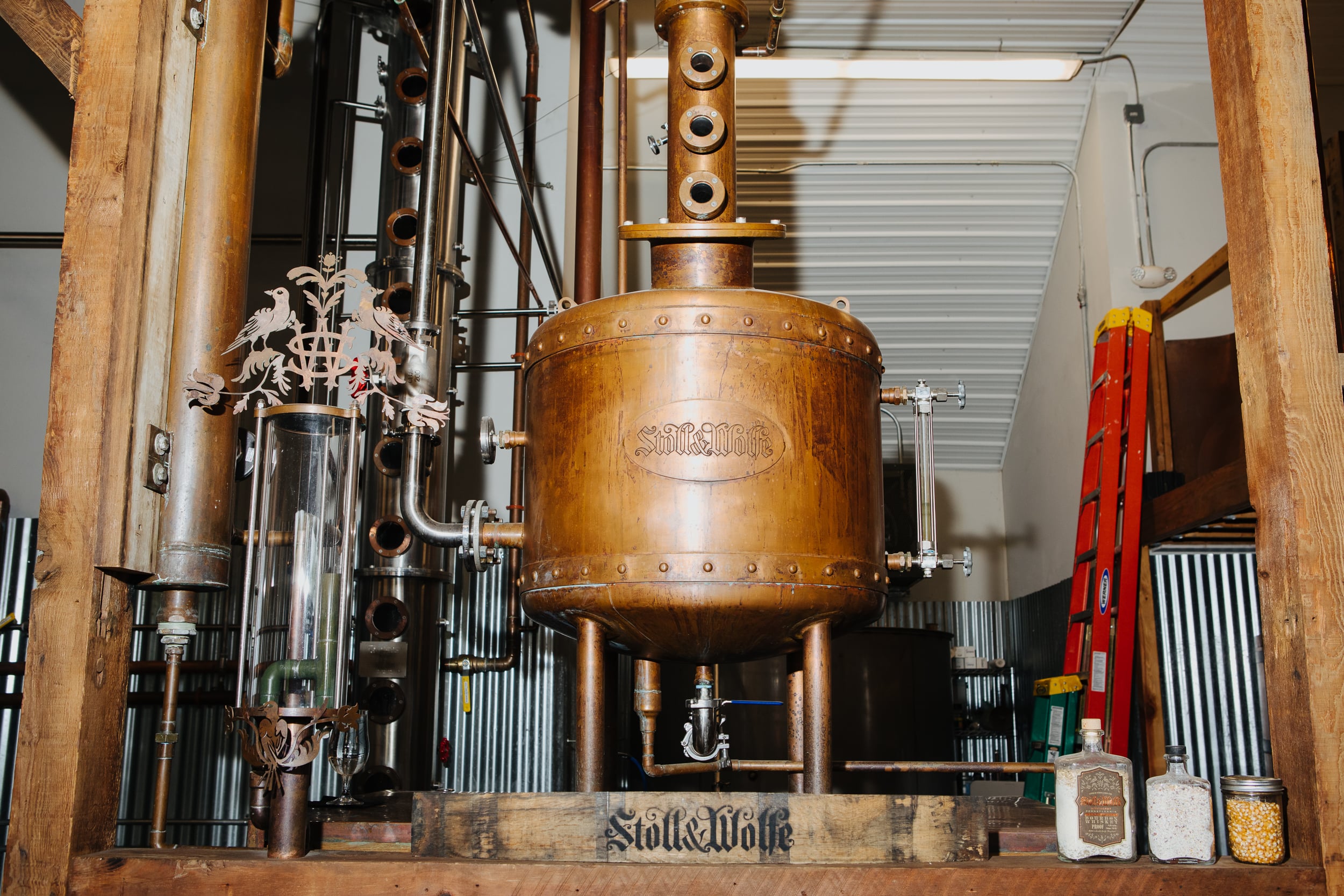
What is colloquially known as Maryland rye contains a higher proportion of corn in the mix, which adds a roundness to the whiskey. Pennsylvanian or Monongahela ryes have a higher proportion of rye and can even be entirely comprised of the hardy grain. Pennsylvania in particular has played a huge role in the rise of rye, largely with Michter’s, a brand that exemplified the region’s distilling heritage before it relocated to Kentucky.
Rye whisky in Canada
It’s no surprise given Canada’s climate, similar in many areas to the Nordic countries, that rye has been an important crop there for centuries. This led to rye becoming an intrinsic part of Canadian distilling to the extent that ‘rye’ is often used as shorthand for whisky of all kinds.
However, Canadian whisky differs in style and production from American rye. Historically, many Canadian whiskies have been made by blending relatively neutral spirits made from cheaper grains like wheat and corn with more flavoursome rye whiskey. This means a rye whisky made in Canada – like those released under the ever-popular Crown Royal or Canadian Club brands – may not be made mostly from rye. Regulations stipulated it being mashed, aged and bottled in Canada and aged for a minimum of three years in oak, but little else. While popular in the mid-20th century, this style of rye has fallen out of favour with many modern drinkers, but they are still considered to represent good value for money, especially as mixing spirits.
Perhaps taking cues from its healthy craft brewing scene, there has been an influx of Canadian distillers seeking to make flavourful, high-rye or rye-only spirit in the 21st century, with many of them becoming popular and celebrated internationally. A good example of this modern style is Lot 40’s 100% rye.
Rye whiskey in the present day
The late 20th and early 21st centuries saw a renewed interest in rye whiskey. This revival can be attributed to the resurgence of craft whisky distillers across the US, which itself seeded a growth in cocktail bars that championed craft spirits and pre-Prohibition-style drinks.
Rye whiskey was now being championed by a network of the initiated and is frequently mixed into popular cocktails like the Old Fashioned, Manhattan, and Whisky Sour. Longer-aged ryes are also being introduced to attract collectors and connoisseurs of complex, layered spirits.
Rye around the world
Rye whiskey is a spirit as old as the United States, and its continued resurgence in popularity is remarkable considering its tumultuous history. Its success has been such that producers east of the Atlantic, where rye has long grown in abundance, are finding their own ways of using the grain. Rye was originally from the region now known as Turkey and was spread across Europe by the Romans – today’s ‘world rye’ whisky is most closely associated with the Nordic countries but notable producers also come from England, Germany, France, and beyond.
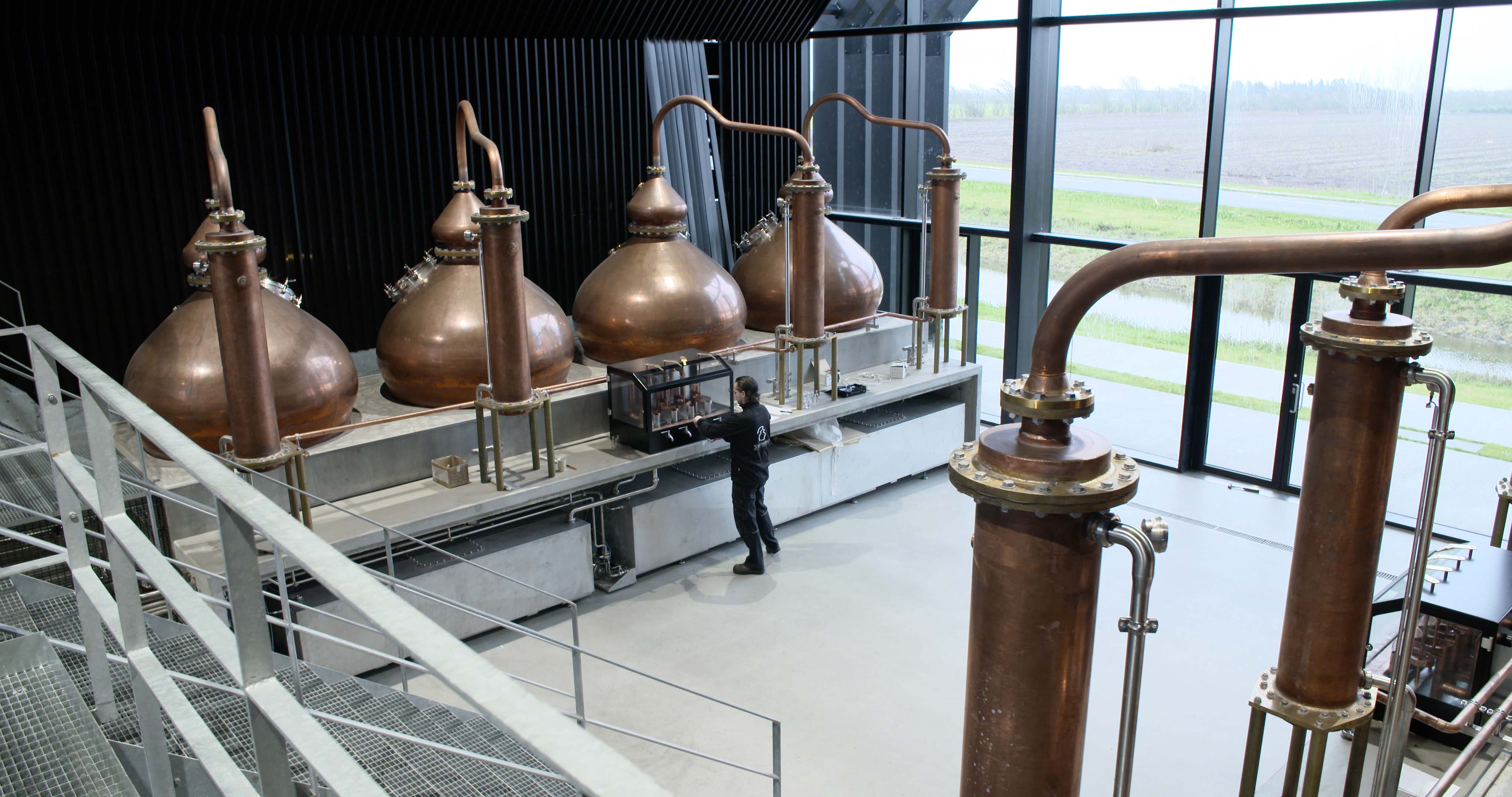
Some of these European distillers are directly inspired by American rye whiskey and others often incorporate local traditions and expertise into their whiskey-making processes, giving their own spicy spirit a sense of place. Good examples of this are Swedish distillery Stauning Rye or Oxford Distillery’s Fielden. Generally speaking, there is much less strict regulation around rye made elsewhere than there is in the USA or Canada, and as long as it conforms to its country’s legal definition of whisky, it can be made with 100% rye, with malted rye, or with a combination of grains.
Though this richly flavoured form of whiskey once seemed like it would become a foot note in the history of distilling, there has never been a better time to discover rye than now.


