


 United States — would you like to set this as your default country of delivery?


 Trade
Trade  Shops & Events
  Customer Service
 What Is Bourbon Whiskey? How It Is Made and Best Brands
The best-known and most widely enjoyed American whisky, bourbon is a historic style made predominantly from corn and aged in new white oak barrels

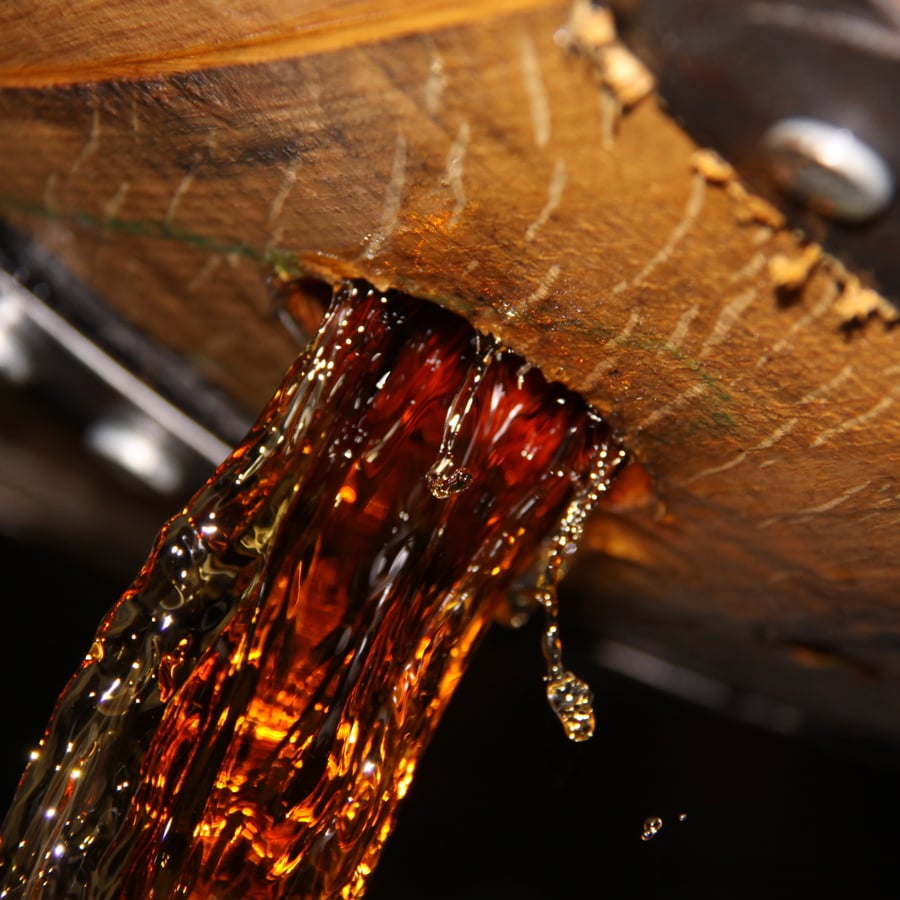
Bourbon pouring from a barrel at Buffalo Trace distillery
This bold form of whiskey was born when European distilling traditions met native grains grown in the fertile lands of North America. It typically displays rich notes of vanilla and spices and is commonly enjoyed neat, on the rocks or mixed in some of the world’s best-loved cocktails – like the Old Fashioned and the Whiskey Sour.
The state of Kentucky is the cradle of bourbon and remains the centre of production to this day. But in the 21st century a thriving craft scene across the United States produces their own interpretations of this traditional spirit defined by corn, new oak and a distinctive spicy sweetness.
The history of bourbon whiskey
North America’s first distillers plied their trade far from the modern bourbon heartland of Kentucky. The pioneers of American whiskey first established themselves in the eastern states, particularly Pennsylvania, before being lured south by the promise of lower taxes and grants encouraging the cultivation of corn. This led whiskey makers to shift from using the stalwart rye crop that had defined early American whiskey and spurred the creation of a thriving whiskey industry in Kentucky.
Bourbon gets its name from Bourbon County, itself named after the House of Bourbon, an old French dynastic family. In 19th century, whiskey from Bourbon County was poured into barrels stencilled with the name ‘old bourbon’ and loaded onto ships headed down river to New Orleans. As more people tasted this aged spirit, the name bourbon stuck and became synonymous with quality whiskey.
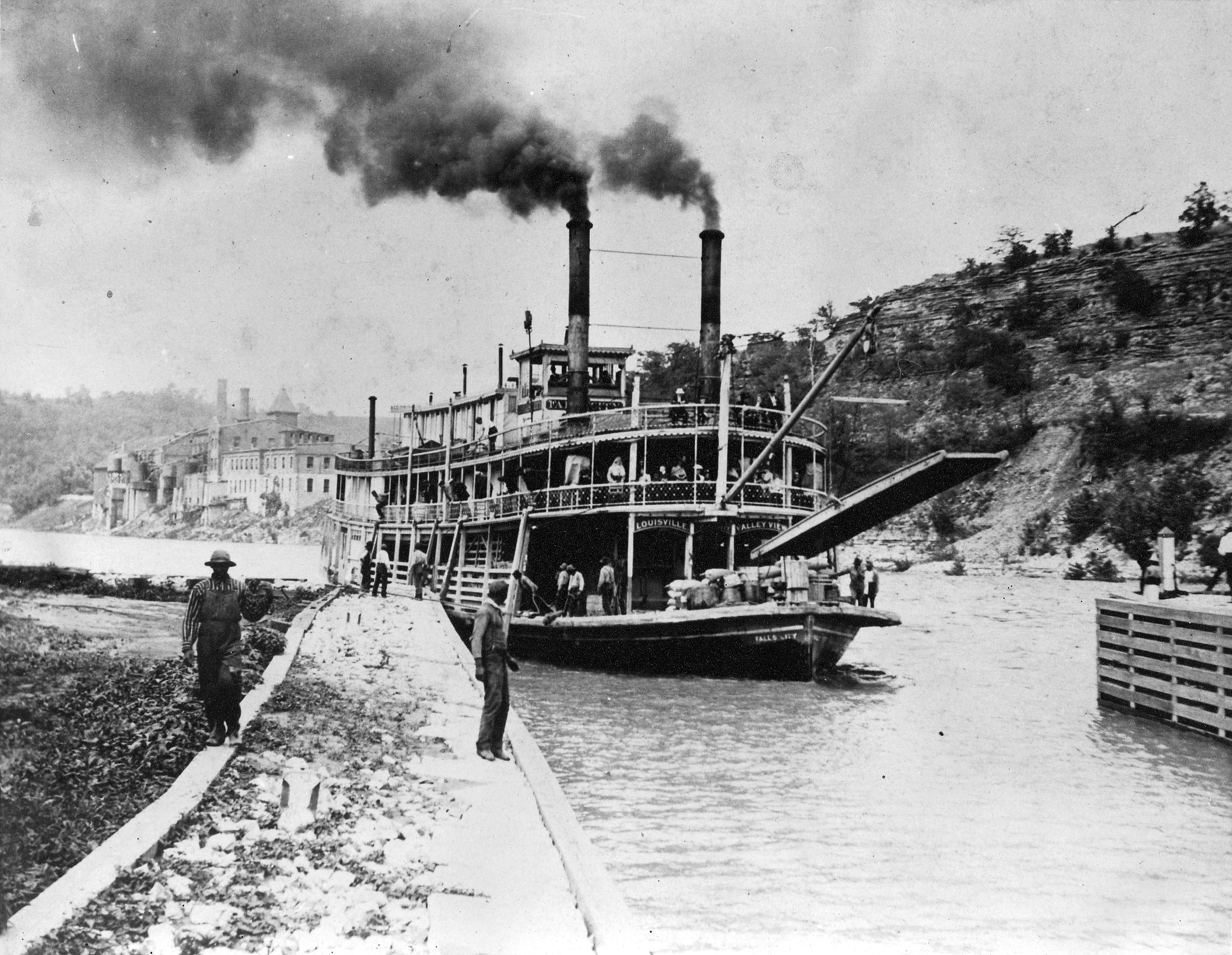
By today’s standards, these early bourbons were likely quite rustic but as time went on, key figures in the burgeoning whiskey industry made refinements to production. Legend has it that Baptist preacher Elijah Craig popularised the idea of maturing whiskey in charred oak barrels, a practise that is now an accepted and required part of bourbon production.
Dr James Crow, a Scots-born chemist, was another pioneer of bourbon and was among the first people to implement a rigorous approach to ‘sour mashing.’ A method analogous to baking sourdough bread, this incorporated the use of ‘spent’ mash, leftover at the end of distillation, into the new mash. This inclusion reduced bacterial growth by controlling pH levels, thereby optimising fermentation. The incremental refinements made in the 19th century laid the groundwork for what is now one of the world's top-selling spirits.
How is bourbon made?
Like all whiskies, bourbon begins with a mash of grains, which are fermented to create alcohol and a range of appealing flavours, which are then concentrated through distillation. The resulting spirit is filled into charred new oak casks and matured before bottling.
Officially, bourbon “must be made in the U.S. and its mash bill must be a minimum of 51% corn. It must be aged in new charred oak containers; the spirit must be distilled to no more than 80% ABV and entered into the cask at no more than 62.5% ABV.”
These regulations may seem rigid at first glance, particularly when compared to other styles of whisky. However, a closer look uncovers ample room for creativity throughout the production process.
Mashing
To start this process, grains are ground into a coarse meal and mixed with water to create a mash. As per the above regulations, the grain recipe, or ‘mash bill,’ must be made with a minimum of 51% corn, but the remaining ingredients are used In varying amounts to add further complexity. Use a lot of rye and its dry, herbal and spicy flavours will provide a counterpoint to the corn’s sweetness. Producers who create a ‘wheated' bourbon dial up the level of said grain in the mash bill, adding elegance, creaminess and even a nutty character. Malted barley, though not primarily used for its flavour, plays a crucial role in the next part of the process as the enzymes in the malt allow for fermentation.
Fermentation
Next, yeast is then added to the mash, starting the fermentation process, which transforms the sugars into alcohol, creating what is known as 'distiller's beer.' This stage is crucial for developing a wide range of flavours. Many producers use their own proprietary yeasts to give their bourbon a distinctive character.
Distillation
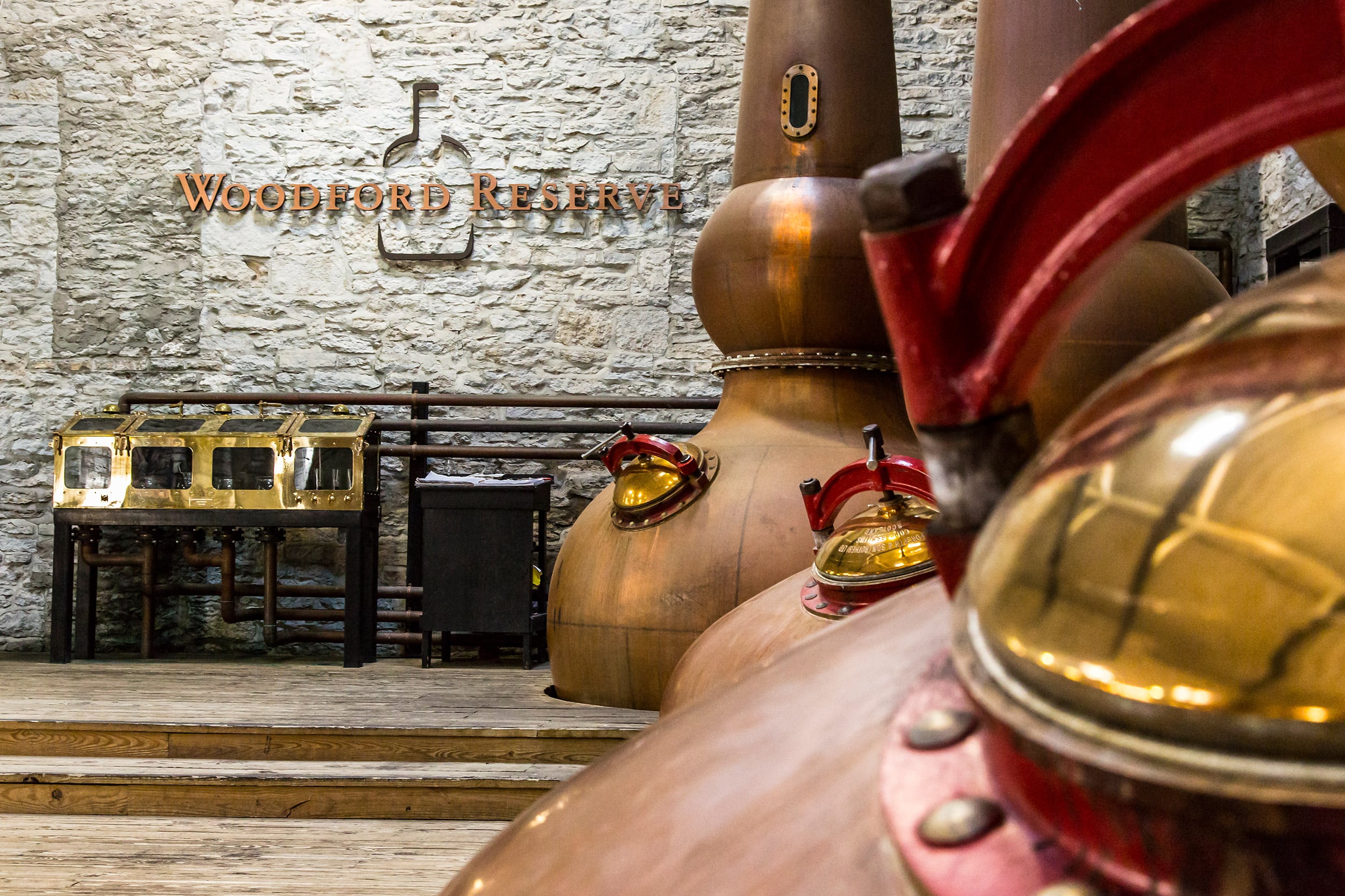
In a typical bourbon distillery, the beer is run into a column still where it is distilled to around 60-62% ABV. The resulting ‘low wine’ goes on for a second distillation in what is essentially a pot still called a ‘doubler’, where it leaves the still at around 67% ABV. This process separates the alcohol and some of the flavours developed during fermentation, from the solids and water, resulting in a clear spirit called ‘white dog.’ There are many decisions that can be made in this process, like the distillation strength and barrelling proof to name but a few, which will shape the character of the finished bourbon.
Barrel ageing
American Standard Barrels (ASBs) are casks that hold 180-200 litres of spirit. These barrels are charred on the inside, a crucial step in bourbon production as it prepares the cask to interact with the whiskey. That charring makes for lots of available carbon, which removes sulphur compounds from the spirit. It also reduces the levels of bitter tannins in the oak and increases the availability of vanillin, the substance that gives bourbon its distinctive vanilla note.
White dog is poured into these charred new white oak casks and stored in warehouses to mature. The location of a cask in the warehouse can significantly influence the way the spirit within develops. Barrels stored higher up in the warehouse experience greater extremes of temperature and humidity, which means the interaction between whiskey and oak is intensified. Those lower down will age more slowly, but can potentially remain in cask for longer without becoming overwhelmed by wood influence. To qualify as straight bourbon, a whiskey must age for a minimum of two years, though many producers choose to age their bourbon for much longer.
Bottling
Once the bourbon has reached its desired level of maturity, it is dumped from the barrel and filtered. Often, but not always, it is also diluted with water to achieve a desired strength, with the legal minimum being 40% ABV. Bourbon offered without any dilution will usually be identified as ‘barrel proof’. At this point, the bourbon is bottled and labelled for distribution, ready to make its way to your glass.
Bourbon in the modern day
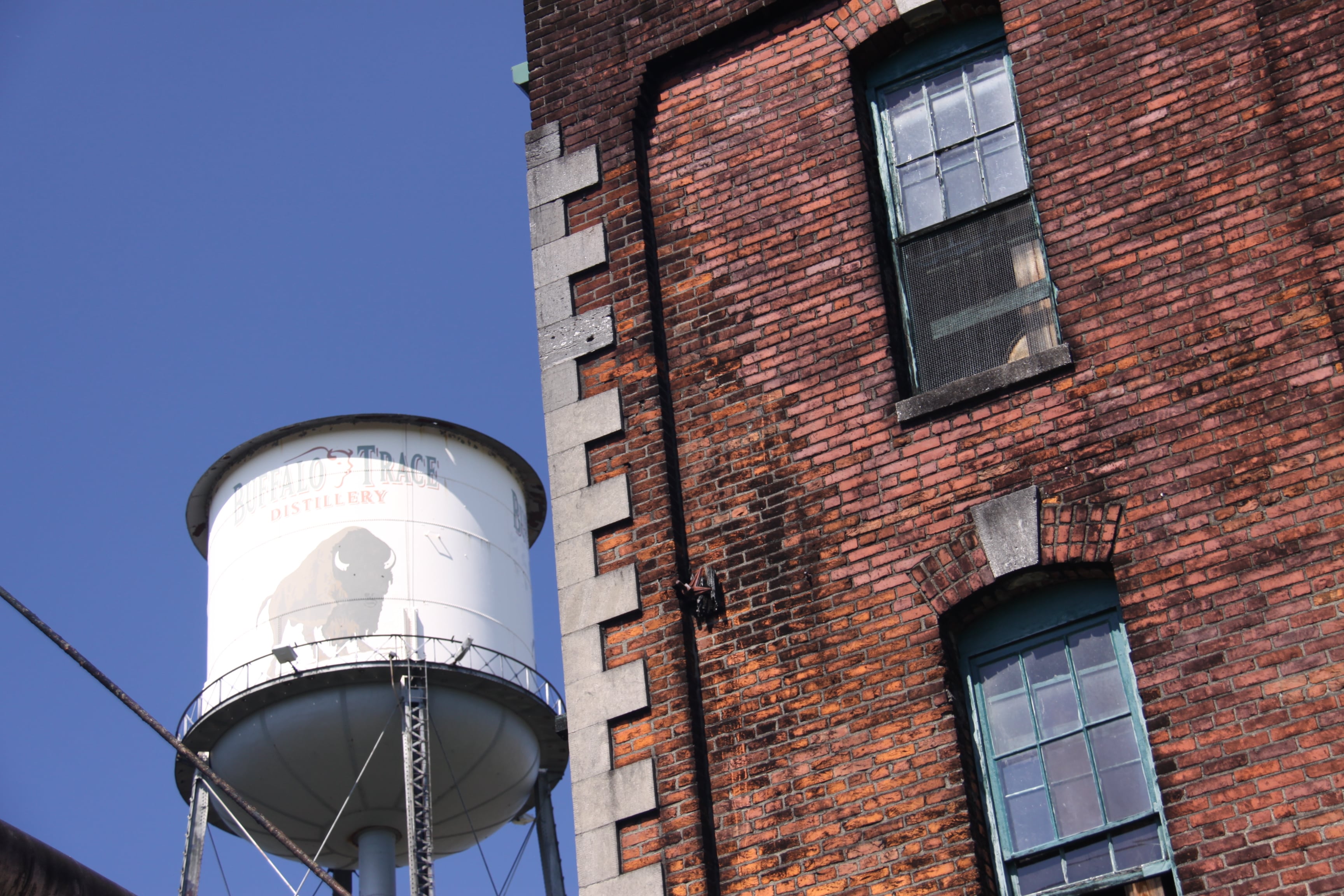
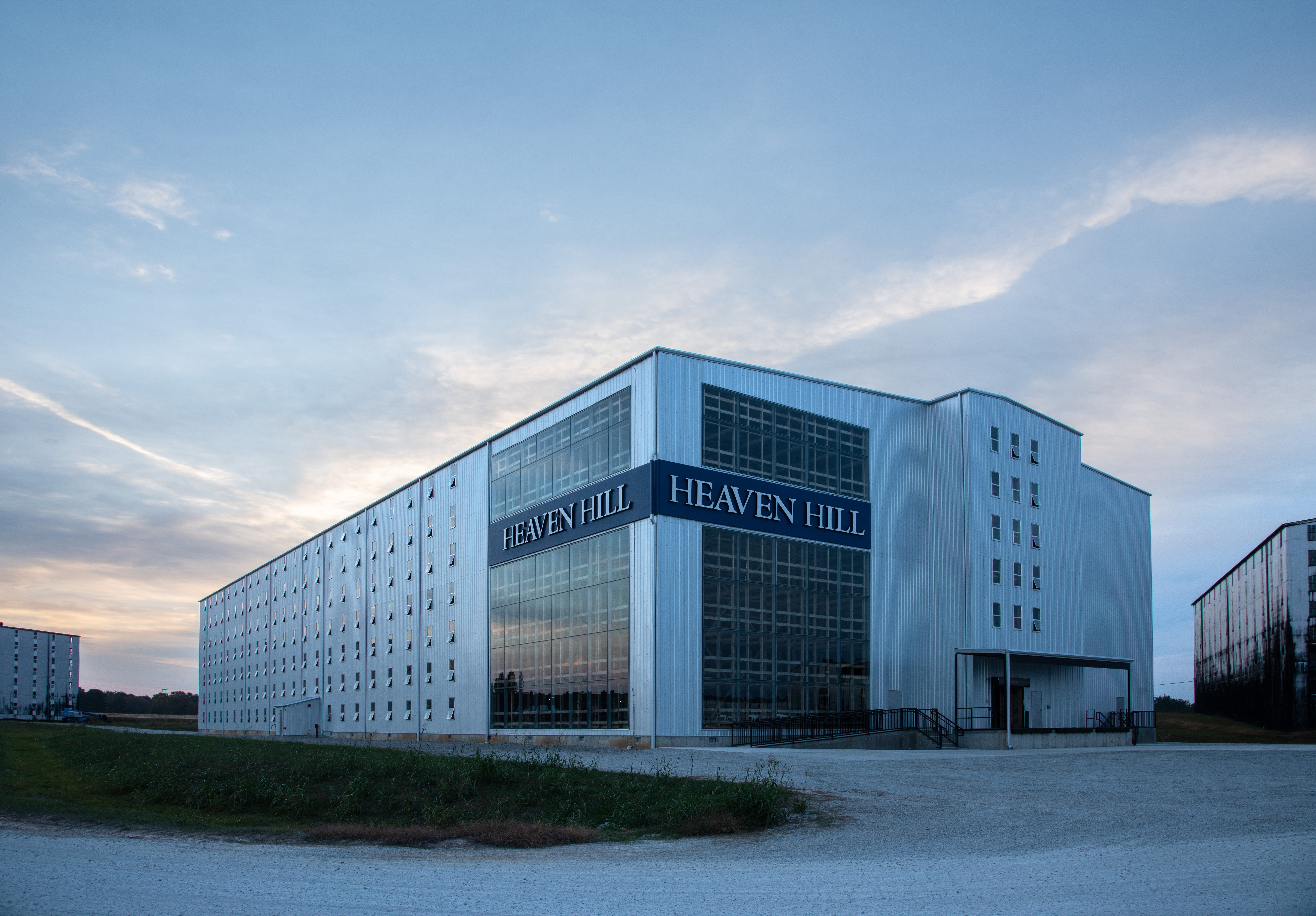
Today, many of the most coveted bottles of bourbon come from industry giants like Buffalo Trace, Beam Suntory and Heaven Hill. It is commonplace for multiple brands to be made at one distillery – for example, Buffalo Trace in Frankfort owns and produces bourbons including Eagle Rare, Blanton’s Single Barrel, George T. Stagg, E.H. Taylor and many more, while Heaven Hill releases bourbons under the Heaven Hill, Evan Williams and Elijah Craig brands, to name a few. While bourbon has generally been thought of as a drink of the people, widely available and broadly inexpensive, a new wave of rare and collectible bourbon has begun to appear, spearheaded by the Pappy van Winkle and Old Rip van Winkle brands from Buffalo Trace.
The craft spirits renaissance of the late 20th century saw new distilleries popping up like the reinvented Woodford Reserve in Kentucky, and small batch distilling returned to traditional whiskey-making regions like Pennsylvania, including the Stoll & Wolfe brand, co-created by original Michter’s co-founder Dick Stoll.
Moreover, with a renewed focus on grain-to-glass distilleries around the world, the US has followed suit, with farming families turning their hands to whiskey distilling and in doing so, turning their grains into a far more lucrative product that tells the story of its environment. Good examples of this are Frey Ranch in Nevada or Jeptha Creed in Kentucky.
This is a golden age for bourbon and many billions of dollars are being invested into its growth over the coming decades. What began as a way for American farmers to generate a living from their fields has become one of the world’s great drinks. Bourbon has survived temperance, Prohibition and war, all the time refining its character and now enjoying a long-awaited renaissance, long may it continue.
How to drink bourbon
Bourbon can be savoured neat or mixed into longer drinks. It's been a go-to ingredient in cocktail bars for years, with the Old Fashioned becoming the elegant drink of choice for those in the know. This beloved drink has helped to inspire enthusiasts as they start to stir and shake at home, while exploring other American cocktail staples.


