


 United States — would you like to set this as your default country of delivery?


 Trade
Trade  Shops & Events
  Customer Service
 A Complete Guide to Tequila: Types, Regions, and Brands
Tequila, distilled in Mexico from the Blue Weber agave, is now one of the world's best-loved spirits, enjoyed neat or in classic cocktails

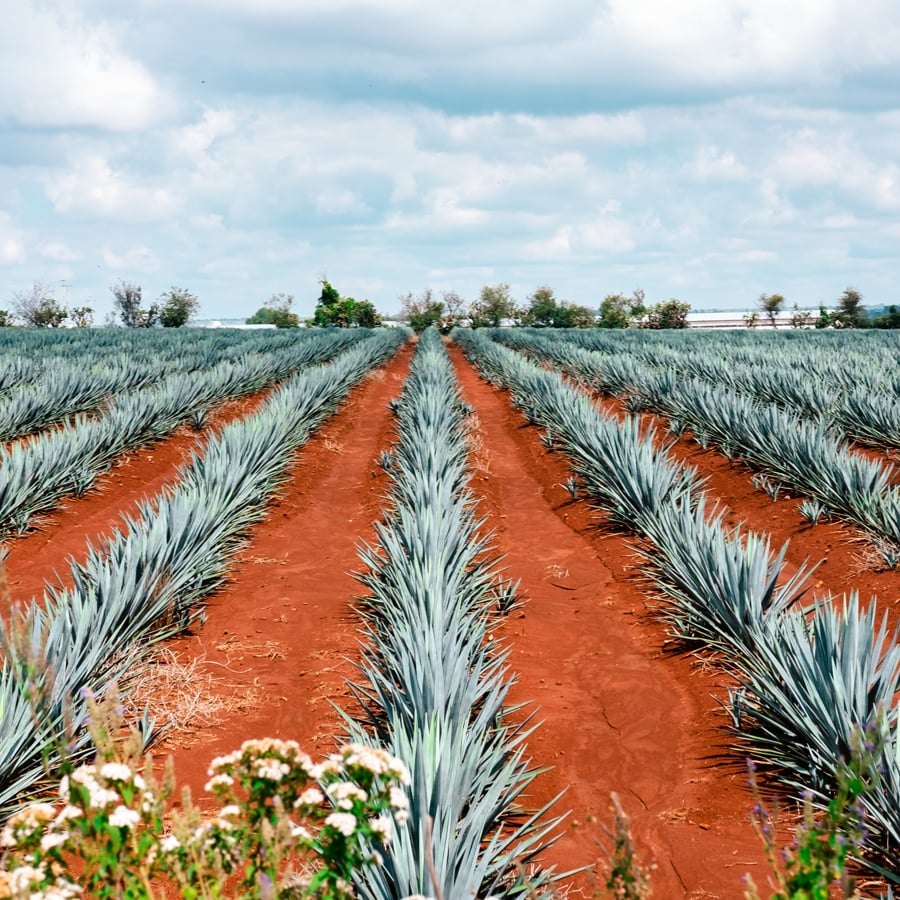
A field of Blue Weber agave in Jalisco
Emmanuel Lozano - stock.adobe.com
Arguably Mexico’s most famous export, tequila has a rich history and a plethora of exciting brands for the modern drinker to choose from. Fresh blanco tequilas take centre stage in cocktails around the world, and aged reposados and añejos are also growing in popularity as a spirit to sip and savour like whisky or brandy.
Tequila today is the largest spirit in the USA in terms of sales and continues to win new fans around the world. This has been aided by growing interest in Mexican food and drinks spurred on by the global bartending scene and passionate industry figures educating us all about Tequila. Notable among them is the late great Tomas Estes, who in his role as tequila ambassador to the European Union helped dispel misconceptions about this ancestral spirit and help establish its reputation in the UK and beyond at the turn of the 20th century.
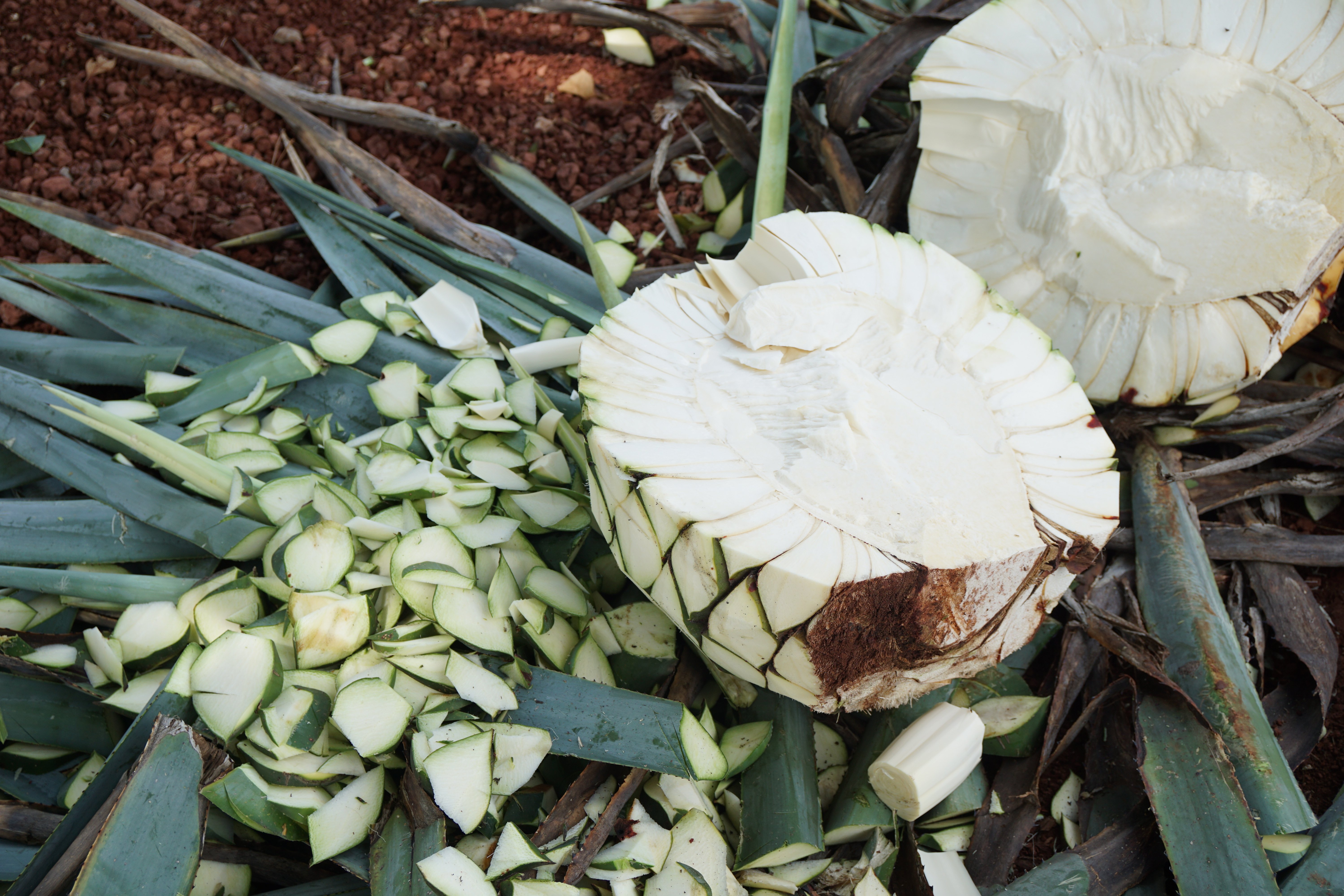
Into the modern day, Tequila has found a new audience of enthusiasts fascinated by craft, provenance and the unique qualities of its key ingredient, the Blue Weber agave.
The history of tequila
To the indigenous peoples of modern-day Mexico, the agave plant was sacred. Its leaves provided food and medicine, its fibres could be woven or burned for fuel. But perhaps its greatest value was in its core, filled with sap that could be fermented to create a drink called pulque. In the 16th century, either European colonists or Filipino merchant sailors introduced distillation to the region, leading to the distillation of agave wine. This process resulted in the creation of the first agave spirits, which came to be known as vino de mezcal, the precursor to modern tequila.
Towards the end of the 19th century, two almost simultaneous developments led to the vino de mezcal from the northern state of Jalisco becoming dominant. Firstly, around 1875, Jalisco's producers switched from roasting their agaves in earthen fire pits to baking them in stone ovens instead. This innovation meant that their spirit no longer had the distinctive and complex smoky flavour of mezcals from other regions.
The arrival of the railway in Jalisco's capital, Guadalajara, in 1888 opened up new market routes for the region's vino mezcal producers, who were centred around the township of Santiago de Tequila, just under forty miles away.
The popularity of this easy-drinking, non-smoky mezcal quickly soared. By the early 1900s, vino mezcal de tequila was referred to as mezcal de tequila, and production became industrialised with the introduction of modern pot stills. This refinement led to another surge in popularity, and soon mezcal de tequilawas simply known as 'tequila.'
Where is tequila made?
Mexico is home to numerous agave species, but only one is used to make tequila. The Blue Weber agave thrives in the state of Jalisco, where it has been cultivated around the town of Tequila for generations. Today, the Tequila Valley and the Jaliscan Highlands of Los Altos are responsible for more than 90% of the tequila we drink. These regions – as well as several smaller production areas outside of Jalisco – offer unique growing conditions that directly affect the flavour of the finished product.
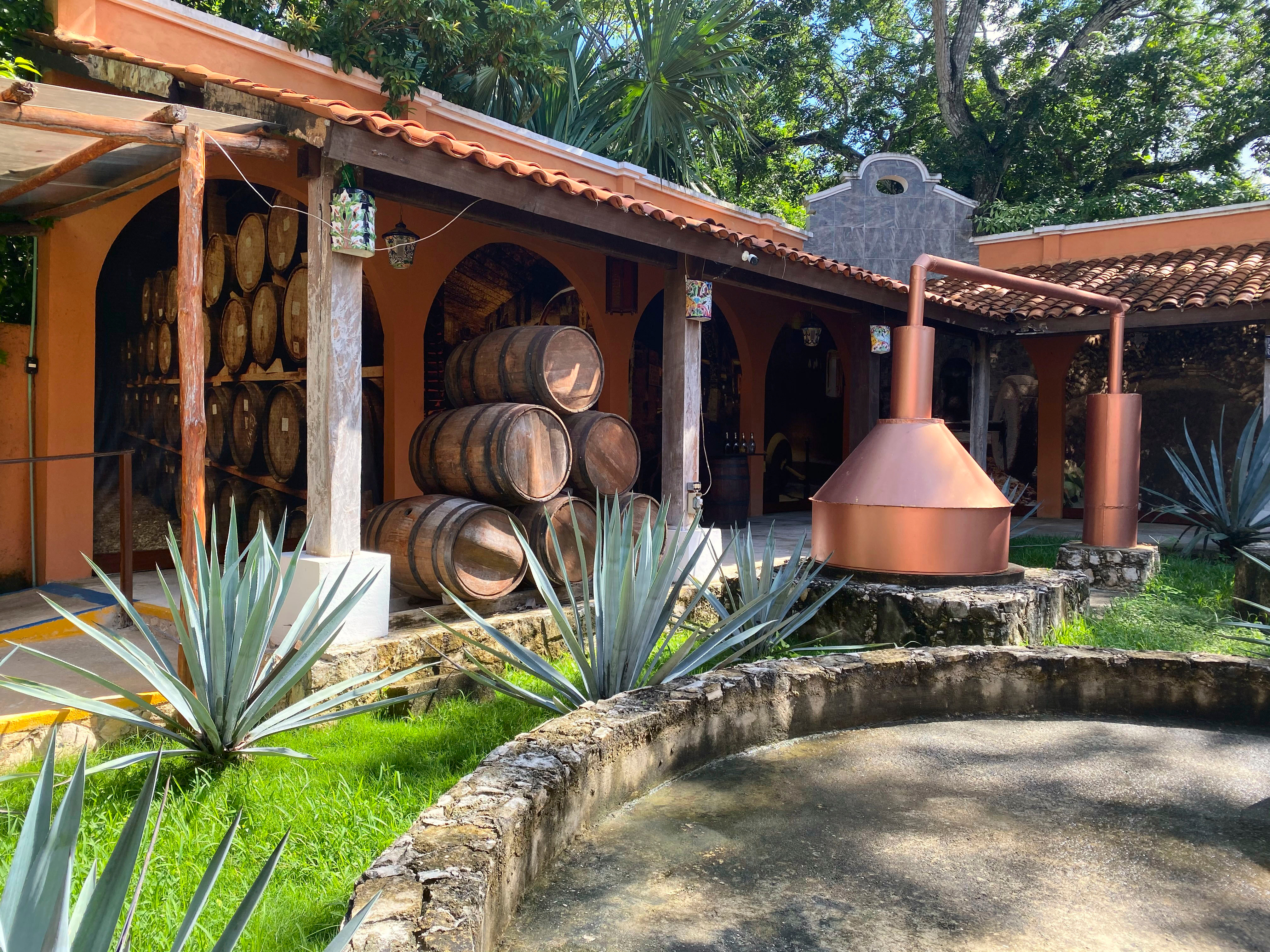
Unlike single malt whisky, which is generally traded on the names and reputations of individual distilleries, tequila is more dependent on brands. It’s not unusual for large distilleries to buy agaves from multiple sources and produce spirit to order for different companies. Indeed, in a category where there are more than 2,000 brands on the market, there are only around 200 individual distilleries, and far fewer than that are sites owned by and producing only one brand.
Tequila is governed by the Consejo Regulador del Tequila (CRT) and keeps strict records of each distillery and its output. A 4-digit number called a Norma Oficial Mexicana, or NOM, is assigned to each individual distillery to keep track of who produces spirit and for whom. As with many other drinks categories, a tequila being produced according to a contract at a separate distillery does not necessarily denote a lack of quality.
How is tequila made?
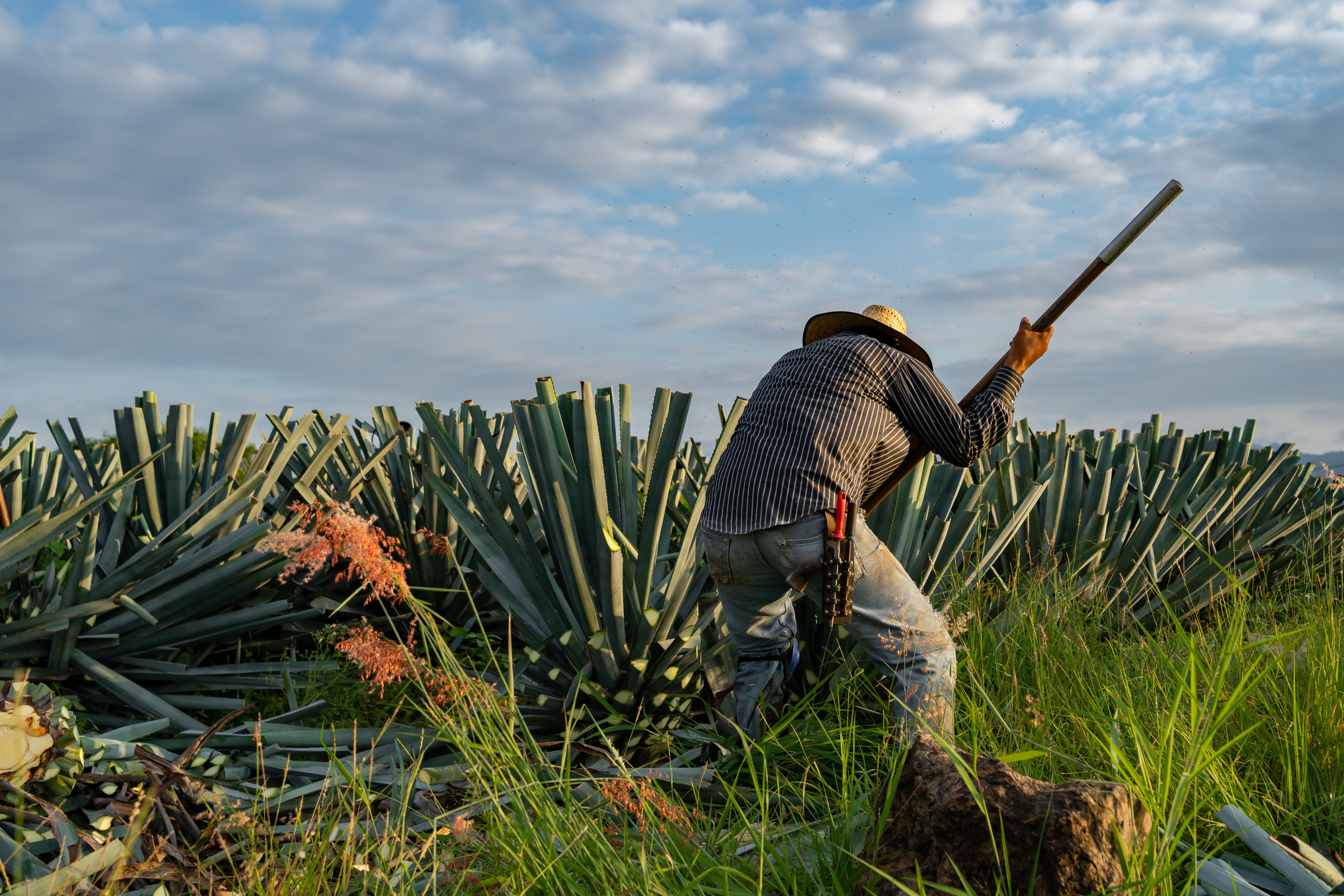
It can take a decade or more for the blue agave to reach maturity and be ready to harvest. When the time comes, farmers known as jimadors cut away its spiky leaves to reveal the heart or piña – so-called because it resembles a pineapple. The piña is then steamed or roasted, in traditional brick ovens or more advanced and efficient machines called autoclaves, to develop the sugars within and crushed to extract its sweet, fermentable juice.
Once the fermented agave juice – or mosto – has reached the desired alcohol content, usually between 4 and 10% ABV, it is ready for distillation. Various still types are used, from modern columns capable of producing light, clean spirits to the small copper pot stills traditional in the region for centuries. Distilling once, and then a second time, leaves us with clear, aromatic spirit of around 55% ABV. A little dilution to bring it down to drinking strength and we have blanco tequila, the way it has been enjoyed for generations. Some producers choose to add abocante to their spirit – a solution made up of flavouring agents including caramel or oak extract to add colour and apparent oak influence, glycerine for texture, and sugar syrups or sweeteners like stevia.
The mid-20th century saw tequila brands release their first commercial aged expressions, usually filled into whiskey casks imported from the USA. This gave rise to reposado tequila, rested for 2-12 months, and añejo tequila aged for at least a year. Spirits mature rapidly in the Mexican climate, but some producers push the limits of cask ageing with extra añejo tequilas, matured for at least three years. Age can bring remarkable richness and concentration but older isn’t necessarily better. It’s useful to think of fresh, grassy blancos and rich, buttery añejos as different styles with their own particular qualities.
Types of tequila
Blanco
At their best, blanco tequilas provide clean, unaltered agave flavours that reflect the essence of the plant and the quality the production process. The fermentation and distillation techniques used here significantly influence the resulting spirit. You can expect bright, fruity, and peppery flavours, often underpinned by vegetal and earthy notes. While blanco tequilas are typically unaged, they may be rested for less than two months in inert containers, allowing the spirit to soften and mellow.
If you’re looking for depth of flavour, then Tapatio Blanco offers beautiful agave purity in a textured, fruity style, while Patrón Blanco delivers light but focused agave character with clarity and a sense of sweetness.
Reposado
Reposado or ‘rested’ tequilas age in oak from two months up to a year, offering a range of styles within this window. Some lighter reposados like Ocho retain the bright, crunchy notes of a blanco with its edges tempered by oak. While others like Herradura Reposado take on deeper characteristics, with the casks lending thicker, toffee-like characteristics.
Consider reposado as you might golden rum: some styles are ideal for cocktails, while the finest – though not necessarily the oldest – reward contemplative sipping too.
Añejo
This is a category of tequila aged for a minimum of one year and a maximum of three. Oaky flavours like toffee, vanilla and coconut often feature prominently in añejo tequila, but many producers go to pains to ensure that these notes don’t overwhelm the agave character of their spirits.
Tapatio Añejo offers a wonderfully balanced profile that highlights the spice and creamy texture of an aged spirit. The much-sought-after Don Julio 1942 stands out – not only for its striking bottle but for its decadent sweetness, punctuated by light vegetal notes from the agave. This dark, rich style of tequila is best enjoyed neat or on the rocks.
Extra Añejo
The introduction of the new Extra Añejo category in 2006 reflects tequila’s growing status as a luxury spirit, especially in the United States. Extra Añejo is oak-aged for at least three years, and frequently much longer.
These are extravagant, oak-enriched tequilas such as Jose Cuervo Reserva de la Familia, which has at least five years of age; or the velvety smooth Ocho Extra Añejo – which spends exactly three years and a day in oak.
100% agave tequila
Tequila’s aforementioned regulations have always allowed product to be sold as tequila if at least 51% of the sugars used in fermentation come from the agave plant. This has left the other 49% up to the choice of the distiller, with many so-called ‘mixto’ tequilas made more cheaply and delivering less in the way of agave character.
Thankfully, the modern tequila market is made up more and more of tequilas made only with agave, earning them the title 100% agave, 100% de agave, or 100% puro de agave. When choosing a tequila for sipping or mixing in cocktails, it’s best to stick within this subcategory – although be mindful that a tequila may still be labelled 100% agave if it includes abocante.
How to drink tequila
Generally speaking, the days of tequila shots as the go-to way to drink this spirit are long gone, and many enthusiasts – especially in America – now understand tequila as a sipping spirit, or a quality cocktail ingredient.
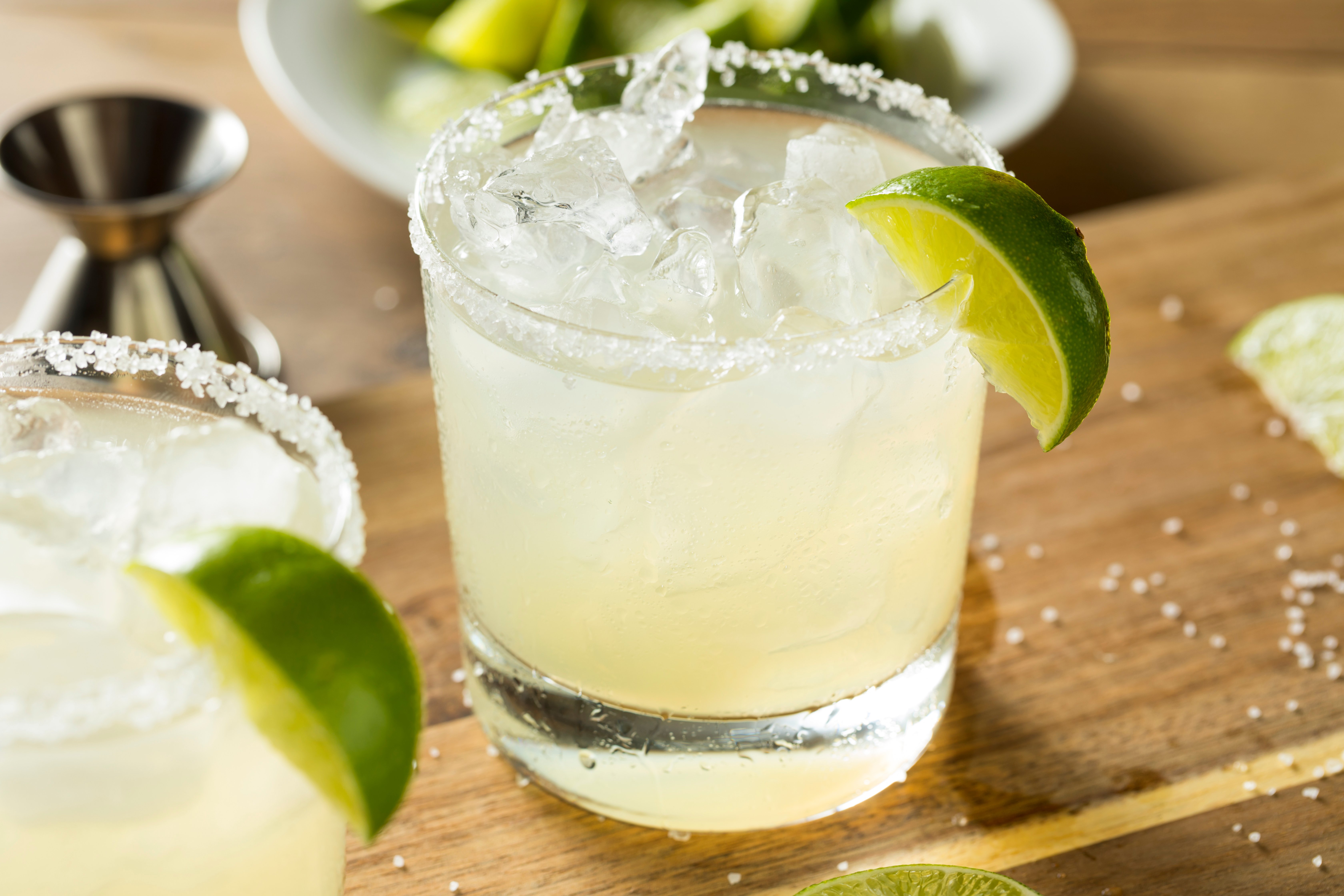
The complex character of blanco tequila in particular has always made it a versatile cocktail ingredient. Drinks like the Margarita and the Paloma – which combine flavoursome agave with citrus and salt – have helped bring tequila to new audiences around in the world. Rather than a G&T, try your favourite tequila with soda water and a wedge of grapefruit – this simple agave highball is light, refreshing and the perfect drink to sip as day turns into evening.



