


 United States — would you like to set this as your default country of delivery?


 Trade
Trade  Shops & Events
  Customer Service
 A Guide to Liqueurs: Types, Flavours, and Uses
Rich and spicy, fruity or bitter, liqueurs have gone in and out of fashion over the centuries yet remain hugely popular in their myriad styles for sipping or mixing

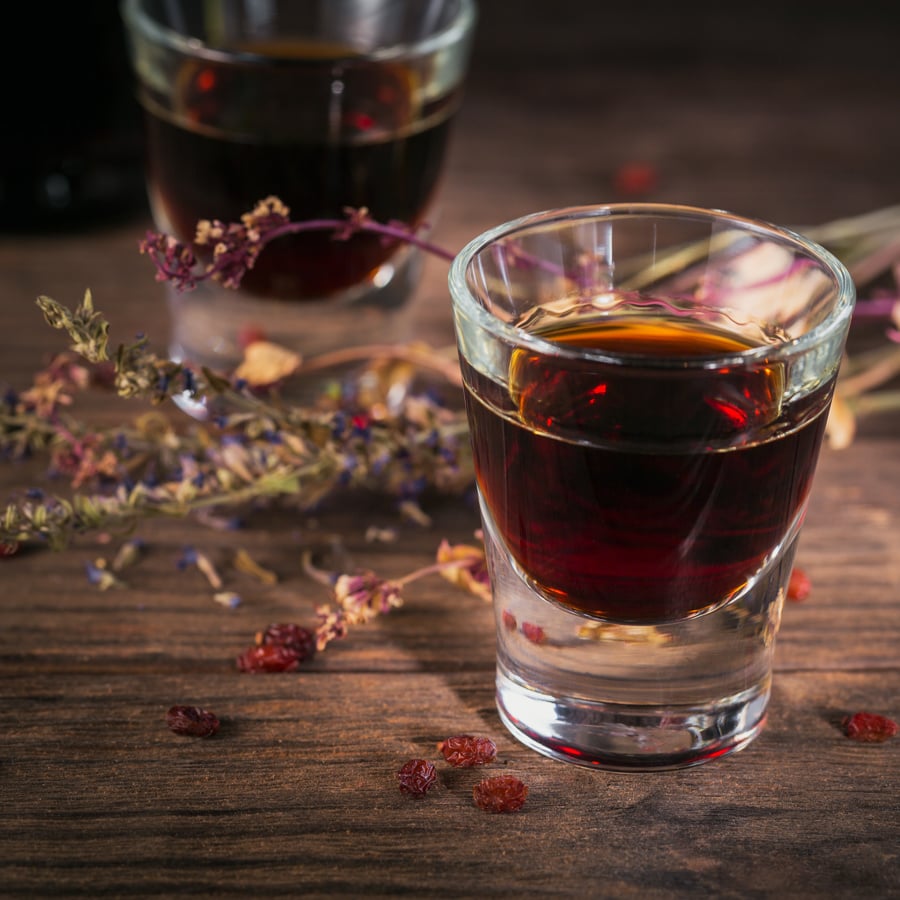
A glass of herbal liqueur
svittlana - stock.adobe.com
In general terms, liqueurs are distilled spirits that are sweetened and flavoured with fruits, herbs, or spices. But comparing a glass of Chartreuse to one of limoncello, or an amaretto to a pastis, showcases just how diverse this category of drinks can be.
The history of liqueurs
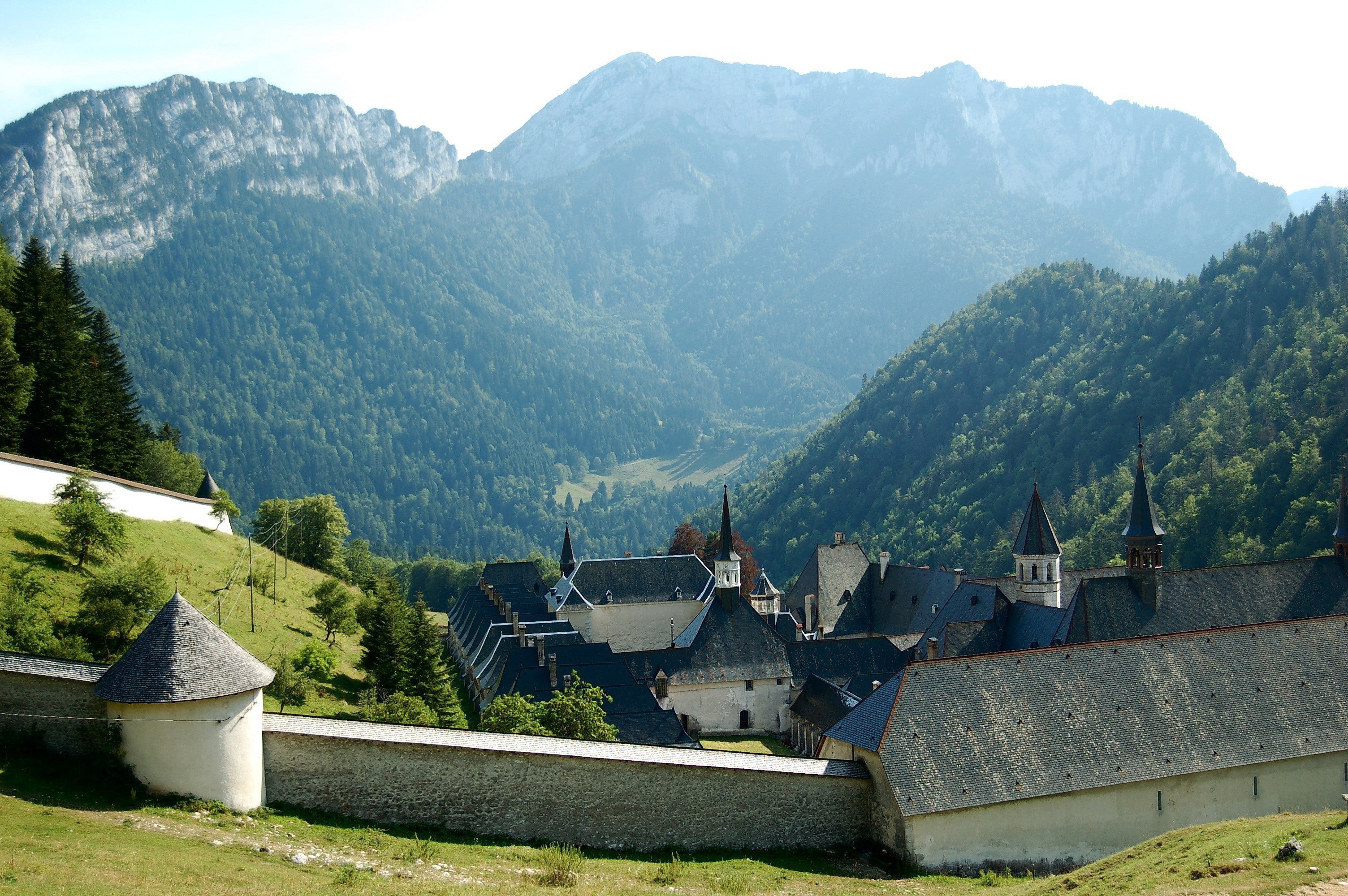
The earliest records of liqueurs are patchy, but it’s generally agreed that the ancestors of today’s liqueurs began as herbal medicines, devised to aid digestion or ward off illness, dating back as far as the ancient Greeks and Egyptians. By the 13th century, though, this basic idea was refined by monastic orders in France and further afield, using primitive distilling equipment to create spirit in which was macerated herbs, botanicals and other ingredients. Many of these forerunners to today’s liqueurs were sweetened with sugar, to make them more palatable and improve their longevity.
Liqueurs made by monks may sound surprising at first, but they are far from a historical quirk. Some of the world’s best-loved liqueurs, most notably Chartreuse, are still made by holy orders to closely guarded recipes. For instance, Bénédictine, created in France in the 19th century carries a backstory (possibly apocryphal) that revolves around a monastery.
In the 1700s, the art of liqueur-making spread to what is now Italy, where many of the styles we enjoy in the 21st century originated. Nut liqueurs like amaretto and Frangelico were created as sweet digestifs. Dry cherry-infused maraschino originated in the Republic of Venice at this time and remains a key ingredient in classic cocktails today. Likewise, sambuca has become an international favourite, limoncello enjoys enduring popularity, and bitter aperitif liqueurs like Campari are now ubiquitous in bars worldwide.
France is renowned for its diverse range of liqueurs, from historic herbal and anise-flavoured varieties to orange-infused triple sec and beyond. Meanwhile, the Netherlands’ Bols – active since the late 1500s – produces a wide selection of fruit liqueurs as well as Advocaat. In fact, you’ll be hard-pressed to find a drinks-producing country that doesn’t offer some form of liqueur.
Liqueurs in the modern day
Before the 1920s, liqueurs – like the prototypical cocktail bitters – were still generally thought of as drinks to be consumed neat and prized for their perceived health benefits. However, during the golden age of the cocktail, these drinks were picked up by bartenders eager to use them to add flavour to the cocktails of the day.
In the 1970s and 80s, as cocktails evolved from refined classics to elaborate creations laden with fruit juices, many liqueurs fell out of fashion. These once-celebrated bottle were regarded as passé, relegated to curiosities gathering dust in drinks cabinets.
However, since the resurgence of cocktail culture in the 2000s, liqueurs from across the spectrum have gained new popularity among both professional and home bartenders. Many of the liqueurs that were almost forgotten are now highly sought after by enthusiasts and collectors alike. Thanks to their high alcohol and sugar content, liqueurs have a long shelf life, often remaining in drinkable condition for decades. This enduring quality makes older editions of classic liqueurs like Campari or Chartreuse particularly intriguing and popular among collectors.
How are liqueurs made?
To be classified as a liqueur a drink must:
- Be based on a spirit: liqueurs can be made with everything from vodka to tequila, brandy, rum, or whisky.
- Contain additional flavouring from infusions, macerations, or re-distillation of ingredients, with the most common being fruits, spices, and herbs.
- Be of at least 15% alcohol by volume and have a minimum of 100g of sugar per litre (this is a requirement of European law).
Types of liqueurs
Generally speaking, most liqueurs can fit into one of the styles described below. All must comply with the above regulations (especially on sugar), but some categories may specify additional rules regarding sugar levels, production techniques and alcohol content.
Herbal liqueurs
One of the oldest styles, herbal liqueurs have been consumed since the Middle Ages. These liqueurs are typically bittersweet and flavoured with a wide variety of botanicals. Chartreuse with it’s complex botanical profile is still highly-prized and has gained new appreciation among bartenders for its use in classic cocktails. Other notable examples include Jägermeister, which was reinvigorated by the Jägerbomb craze in the 2000s but continues to be made according to its original recipe; Zwack, a Hungarian liqueur with Unicum as its most popular brand; and Spain’s vanilla-scented Licor 43.
Fruit liqueurs
A wide array of liqueurs is made with one or more fruits and neutral spirits, grain spirits, or brandies. Apricot brandy, cherry liqueurs (like Cherry Heering), crème de mûre and cassis (blackcurrant liqueur), crème de fraise (strawberry liqueur), crème de pêche (peach liqueur), and limoncello are all widely popular, with both historic and newer craft producers making examples across the spectrum.
Triple sec, curaçao and orange liqueurs
While technically falling within the fruit liqueur category, orange liqueur's prevalence in classic cocktails makes makes it worthy of its own mention. Curaçao and triple sec are the two best-known examples: curaçao was invented in the Netherlands and is so-called because its original flavouring was the peel of a bitter orange native to the Dutch colony of Curaçao in the Caribbean (blue curaçao is orange-flavoured but dyed with blue colouring); triple sec was invented in France and flavoured with up to three types of orange peel. Perhaps the most famous triple sec is Cointreau, which is generally the go-to orange liqueur in a classic Margarita or a refreshing Sidecar cocktail. Meanwhile, French producer Pierre Ferrand creates a wonderful example of a dry curaçao using Cognac at its base.
Nut liqueurs
Rich liqueurs flavoured with nuts are predominantly found in Italy, with the historic hazelnut liqueur Frangelico tracing its roots back more than three decades. Meanwhile, amaretto remains very popular, with a number of craft producers including Adriatico and Saliza producing excellent examples of the style. Amaretto is traditionally made with almonds, although some – like mainstream brand Disaronno – are made with crushed apricot stones, which contain a similar flavour.
Pastis and anise liqueurs
One of the most expansive categories of liqueurs is that flavoured with aniseed and other plants from the same family, including star anise and fennel. The historic French liqueur pastis is among the most famous, with notable producers Pernod and Ricard merging in 1975 to form the nascent Pernod Ricard drinks conglomerate. Pastis remains immensely popular in France, especially in the south, where it is typically diluted with ice-cold water.
Many European countries have their own versions of anise-based liqueurs and spirits, including sambuca in Italy. It’s important to note that absinthe, Greek anise spirit ouzo, and Turkish anise spirit raki are similar, but often sweetened to much lower levels than the 100g/l required by European regulations to be classified as liqueurs.
Cream liqueurs
Widely enjoyed in the colder months leading up to Christmas, cream liqueurs are made from a base of cream and/or milk, sweetened, mixed with a base spirit, often flavoured with vanilla and other ingredients. The most popular and widely available cream liqueur is Baileys Irish Cream, but many others exist, including those produced by smaller whisky distilleries such as England's Cotswolds and Ireland’s Coole Swan.
Coffee liqueurs
Coffee liqueur is often enjoyed as a digestif but has found a new lease of life after the rise to ubiquity of the Espresso Martini, invented in the 1990s by British bartender Dick Bradsell in London. Kahlúa is the most famous and the original coffee liqueur in the drink, but modern versions, including Mr Black, are also popular
Whisky liqueurs
Liqueurs that blend sugar and flavourings with a whisky base continue to be popular. Drambuie and Highland Nectar, crafted with grain whisky from Scotland, are prime examples of this beloved style. In the US, Southern Comfort stands out, using whiskey as its foundation while infusing it with orange peel and other enticing flavours.
Other notable liqueurs
Beyond these styles, there are innumerable liqueurs made across the flavour spectrum. Other notable liqueurs include:
- Maraschino, a liqueur made from Marasca cherries native to Croatia, most notably by Italian producer Luxardo and Croatian producer Maraska, but with a few other producers in the mix. Drier than many cherry liqueurs, with a complex herbal edge, it’s a key ingredient in classic cocktails including the Martinez, The Last Word and many others.
- Ginger liqueurs, most notably The King’s Ginger, a historic drink created by wine merchant Berry Bros. & Rudd for King Edward VII in 1903, popular to this day as a sipping liqueur and an ingredient in some recipes for the modern classic cocktail the Penicillin.
- Falernum, a liqueur sweetened with sugar cane and flavoured with citrus and spices, popular in the Caribbean and an ingredient in the classic Corn n' Oil cocktail (note that some falernum is sold as a syrup, without alcohol).
- St Elizabeth Allspice Dram, an intensely flavoured liqueur that uses allspice and other spices, and often appears in Tiki-inspired cocktails.
- Crème de menthe, a spearmint-flavoured liqueur made with either spearmint oil or extract, and colourless or bright green. It is a key ingredient in the Grasshopper cocktail.
- Advocaat, a custard-like liqueur based around brandy blended with vanilla, sugar and egg yolks.
- Mastiha or mastika, a sweetened spirit native to the Greek island of Chios and flavoured with mastic, a solidified pine resin.
- Gin liqueurs, which usually start with a base of gin and are flavoured and sweetened after distillation.
- Honey liqueurs, flavoured with honey and occasionally other botanicals.
- Chocolate liqueurs, often flavoured with cocoa, chocolate and other ingredients and enjoyed neat.
- Bitters and aperitifs, usually Italian in origin, are both bitter and sweet. These include Campari and Aperol, but these are generally better understood as the amaro or aperitif category of drinks, which includes bitter spirits, like fernet, that are sweetened well under the minimum 100g/l and are therefore not liqueurs.


