


 United States — would you like to set this as your default country of delivery?



 Trade
Trade
 Shops & Events
 Customer Service

The Essential Guide to Highland Single Malt Whisky
Discover Scotch whisky's biggest and most diverse region, with a rich history and home to many of the world's most famous and best-loved single malts

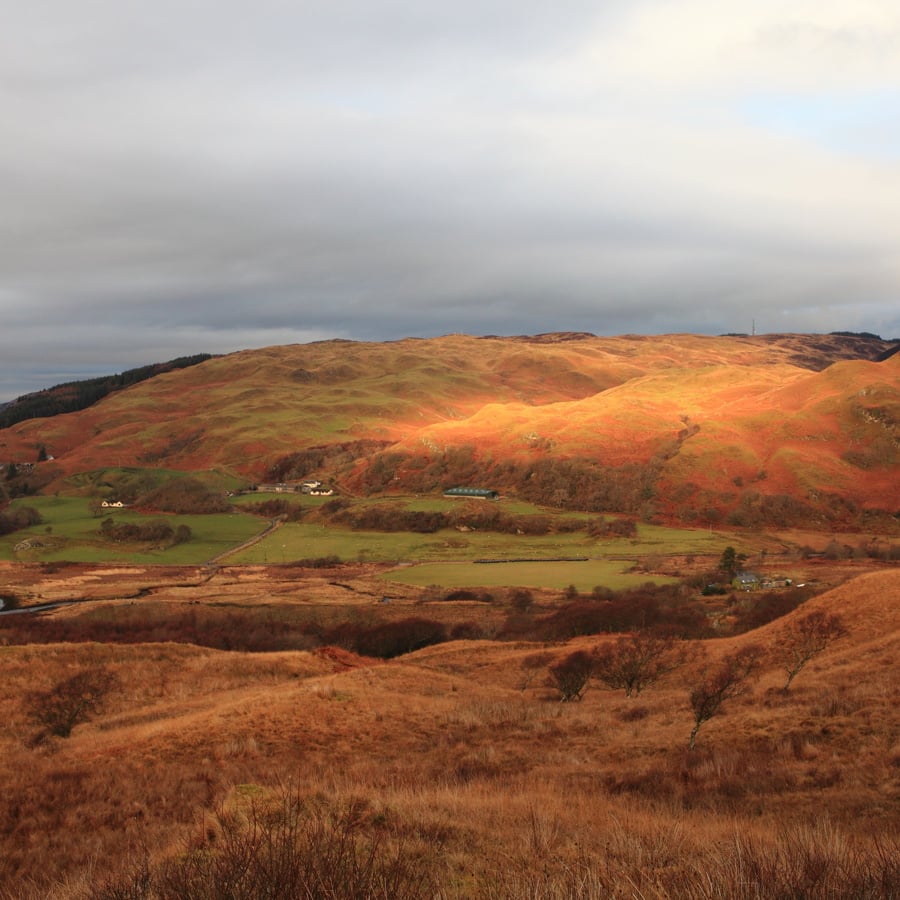
Dramatic scenery on Scotland's West Coast
vic36 - stock.adobe.com
The largest of Scotland’s whisky-producing regions begins at the Highland Line, the divide between the Highlands and Lowlands that stretches across the country between the mouths of the River Clyde in the west and the Tay in the east. It encompasses (almost) everything from the rugged west coast and the Grampian mountains to the rolling hills of the Cairngorms and gentler east coast, and even includes Scotland’s islands.

Inside the Highlands is the smaller Speyside sub-region, an area around the River Spey that’s the most densely populated whisky region in the world. This vast area boasts a dizzying array of styles, from rich and bold to elegant and floral – these are whiskies that refuse to be pigeonholed.
‘My heart’s in the Highlands, my heart is not here,
My heart’s in the Highlands, a-chasing the deer;
Chasing the wild-deer, and following the roe,
My heart’s in the Highlands, wherever I go.'
– My Heart’s in the Highlands, Robert Burns
Even without the famous Speyside enclave, you’ll find some of whisky’s most famous names in the Highlands, and some of its most fiercely individual spirits. Only three distilleries are permitted to use ‘Royal’ in their name – Royal Brackla, Royal Lochnagar and the now-closed Glenury Royal – all of which are Highland distilleries, and join Dalmore, Loch Lomond, Deanston and more in line-up of famous names that populate the region.
The history of Highland whisky
There is some debate over the exact origins of whisky as we know it, but everyone seems to agree that by the mid-16th century grain spirits were growing in popularity everywhere from the Highlands to the islands, and beyond. By distilling surplus cereals, farmers not only negated the risk of grain spoiling in storage, but also produced a spirit that could be sold to boost their income. Early distillers in the Highlands favoured small pot stills that were easy to use and to move, and after a while most farms throughout the Highlands were making their own proto-whisky.
As distilleries moved beyond homemade spirit and edged towards more commercial operations, the amount of Highland whisky being made and sold grew large enough to catch the eye of the government, and in the 1640s Scottish Parliament imposed its first levies on whisky. It was hard for the larger distilleries to hide from the excise officers, but nestled in remote glens and hidden among the wild hills, smaller illicit distilleries persisted with their craft and dodged tax officials whenever they came to call.
Canny Highlanders hid their spirit and their stills in increasingly ingenious ways, developing networks of locals and contacts from further afield to help keep their distilleries alive. The ability to dismantle and hide your stills in next to no time was a priceless skill. Over the next 150 years the Highland whisky smuggling boomed, despite thousands of illegal stills being seized by the Crown during this time.
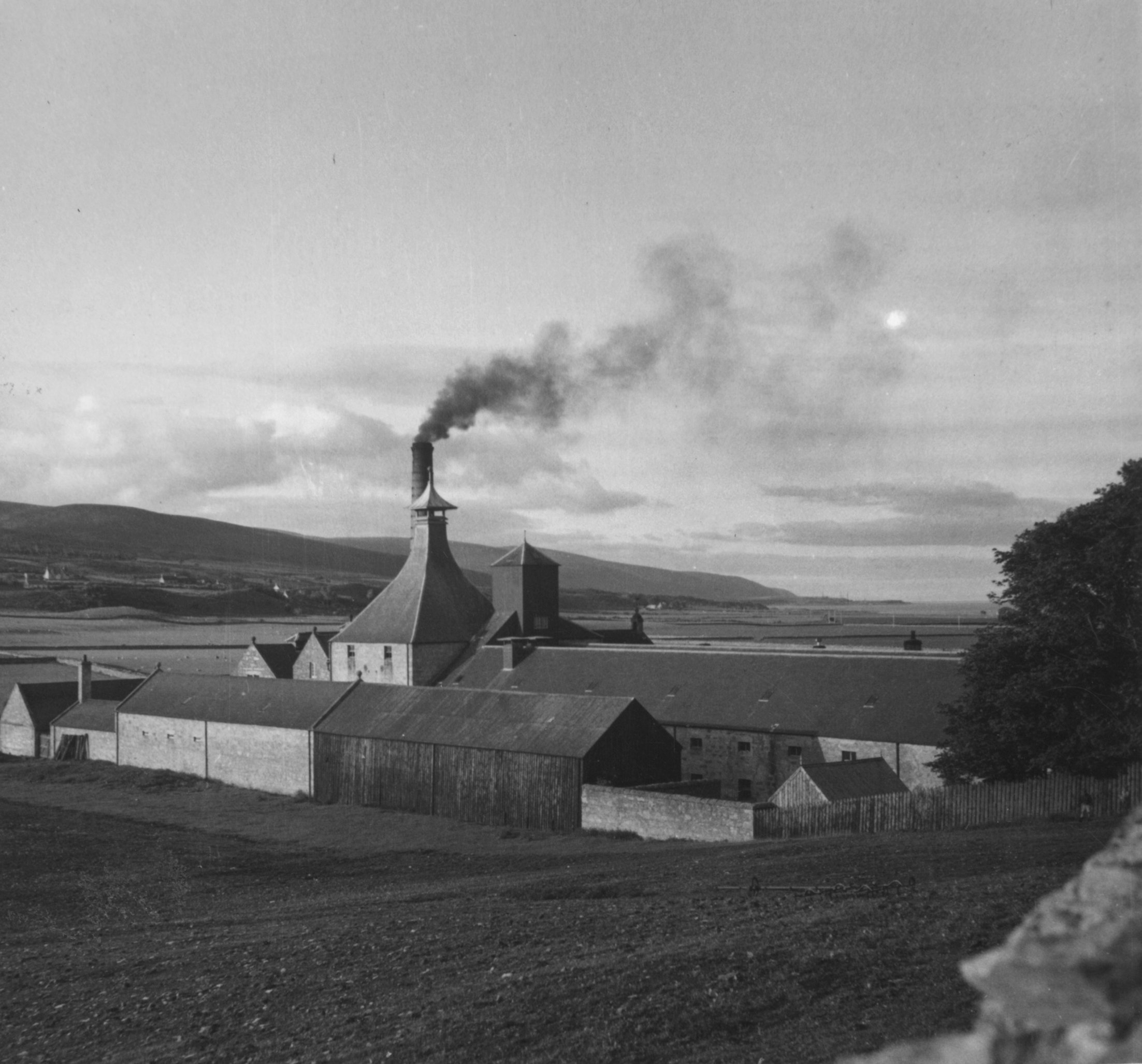
The reputation of the spirit made above the Highland Line grew as producers perfected their craft without paying duties on their spirit. The popularity of the bold, characterful Highland whisky continued to grow, and was felt painfully by those distilling in the south. Without the imposing mountains and hidden glens available to their northern cousins, Lowland distilleries struggled to hide from the excise officers and faced taxation for their efforts. To minimise the duties to be paid, Lowland distillers used other cereals – including wheat and oats – as well as malted barley, since the malt itself was subject to taxes. This created a lighter character that, alongside a focus that erred more towards quantity than quality, led to a less robust whisky than the diverse spirits the Highlanders were producing.
The Excise Act
In the early 19th century, the continued flouting of the law prompted the Duke of Gordon, whose land in the Highlands was home to some of the finest illicit whisky in the country, to propose to the House of Lords that the Government should make it more profitable to produce whisky legally. In 1823 the Excise Act was passed, which allowed for the distilling of whisky in return for a license fee of £10, set a fixed duty per gallon of spirit, permitted warehousing of distilled spirits before duty needed to be paid, and significantly reduced opportunities for evading taxes on distilling.
Now that it was far easier and more profitable to distil legally, Highland whisky smuggling died out almost entirely in the next decade, and by 1833 there were 260 licensed distilleries in Scotland, many of which were in the Highlands.
Highland Whisky in the modern day
In the 20th century, the Scotch whisky industry experienced a rapid expansion. From the late 1950s to the mid-1970s, the number of distilleries in Scotland, and overall output of whisky, increased massively – in the 1960s alone, Scotch malt whisky output doubled. This growth was thanks to a reduction in restrictions on distilling that coincided with increased demand for Scotch. The United States market in particular showed a phenomenal rate of expansion and its demand for Scotch whisky, especially blended whiskies, grew rapidly.
However, what goes up must come down, and a period of economic recession starting in 1973 created an over-supply of whisky that far outweighed the dwindling demand. Saddled with vast quantities of whisky that nobody wanted to buy, the industry faltered and became unsustainable, entering a time known as the ‘Whisky Loch’. Many distilleries were closed or even demolished, including a number of beloved names, and production of Scotch whisky shrank to a fraction of what it had been. The impact of this time is still felt today.
The late 2000s and early 2010s welcomed a new phase of growth, global demand for Scotch once again rising. This has allowed for new distilleries to open in the Highlands, and across Scotland, and efforts to resurrect distilleries lost to the Whisky Loch have begun, including the legendary Highland distillery Brora.
Understanding the Highlands
As the largest and most diverse of Scotland’s whisky producing regions, the Highlands can be hard to understand. From the windswept coastline and rugged mountains to rolling moors and picturesque glens, there is a lot of land to cover. While Speyside and the Scottish Islands are part of the Highlands, they each have their own rich history and story to tell.
The simplest way to divide the stylistically disparate Highland distilleries is by geography: Southern for those that lie closest to the Highland Line; Western for the few scattered along the Hebridean coast; Northern for the eastern coastline above Inverness; Eastern along the coast either side of Aberdeen; and Central for the remaining cluster, largely falling in Perthshire.
The South
A handful of distilleries remain within easy reach of the Highland Line, each with its own style that contributes to the diversity of this microcosm: from grassy, intense and deceptively powerful Glengoyne to the multifaceted, iconoclastic Loch Lomond; and from the distinctive waxiness of Deanston to the nutty and fragrant Tullibardine.
The West Highland Way
The rugged, serpentine curves of Scotland’s Hebridean coast are now something of a wasteland for distilleries, but this is beginning to change with newcomers Ardnamurchan and Nc’nean. Loacted on the remote Ardnamurchan peninsula, Ardnamurchan is the most westerly distillery on the mainland, and produces a mix of peated and un-peated spirit – it’s AD expression is a great place to start. Nc’nean is the most recent addition to Scotland’s west coast distilleries, only firing up the still in 2017, and the independent, organic distillery maintains focus on sustainable production.
The quiet, remote location of these two distilleries makes the visitor centres an unlikely bet for any passers-by, but the two other Western Highland distilleries enjoy more efficient transport links: the maritime fruitiness of Oban and the muscly spiciness of Ben Nevis can both be reached by train, road and even by boat.
The North
The coastline north of Inverness is a hotbed of whisky individuality. While there is a general tendency towards medium-weight spirit with a hint of brine, that is where the similarities between the distilleries of the area stop. Stop in at Glenmorangie and you’ll be greeted by a fragrant, spicy character, while a visit to Dalmore provides a rich, complex style with a backbone of dried fruit. Clynelish is known for its uniquely waxy character that remains present in both its peated and unpeated single malts, while one of the most northerly mainland distilleries, Pulteney, has embraced the maritime influence of its coastal home with its Old Pulteney single malts.
The East
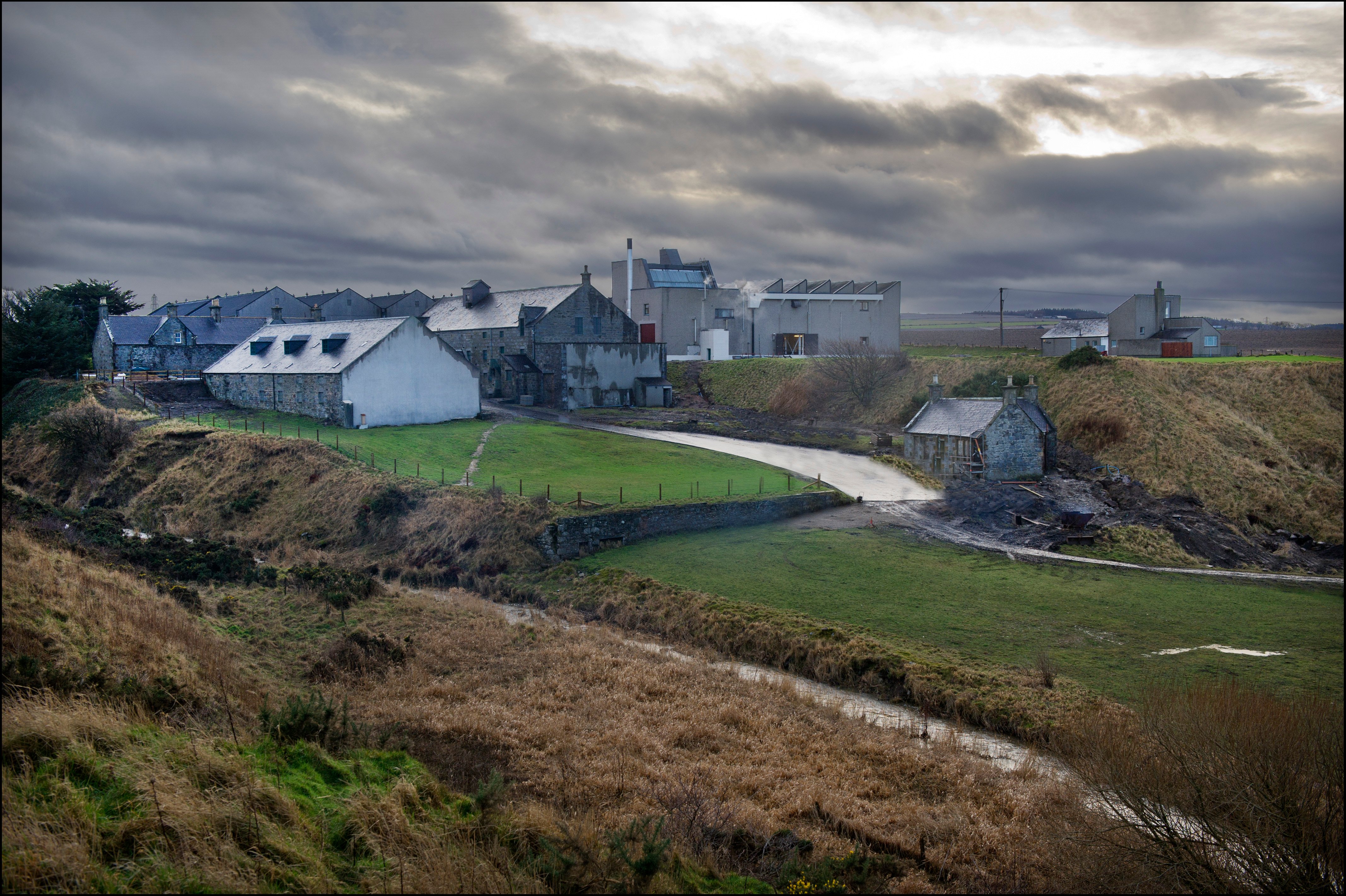
The Eastern Highlands, encompassing Banff and Aberdeen, and sweeping south towards Montrose, are home to wildly differing distilleries. From Glendronach and Glenglassaugh that tend towards the richer style popular in Speyside to the smokier delights of Glen Garioch and Ardmore, the distinctly fruity and savoury spirit of Fettercairn, and the creamy, malty character of Glencadam, there is truly something for everyone here.
Perthshire and the Central Highlands
Perthshire once counted around 70 distilleries within its borders, but through the decades this has been whittled down to fewer than 10 distilleries in the whole of the Central Highlands. These survivors still offer a variety of styles, ranging from the thickly fruited spice of Aberfeldy and the bold, fruit-forward punchiness of Edradour, to grassy Royal Lochnagar in the shadow of Balmoral, and the succulent, honeyed richness of Dalwhinnie.