


 United States — would you like to set this as your default country of delivery?


 Trade
Trade  Shops & Events
  Customer Service
 A Guide to Lowland Whisky: The Lowland Style Explained
All you need to know about this historic Scotch whisky region, from its history of floral and grassy single malts to its towering grain distilleries, plus the new distilleries adding to its modern identity

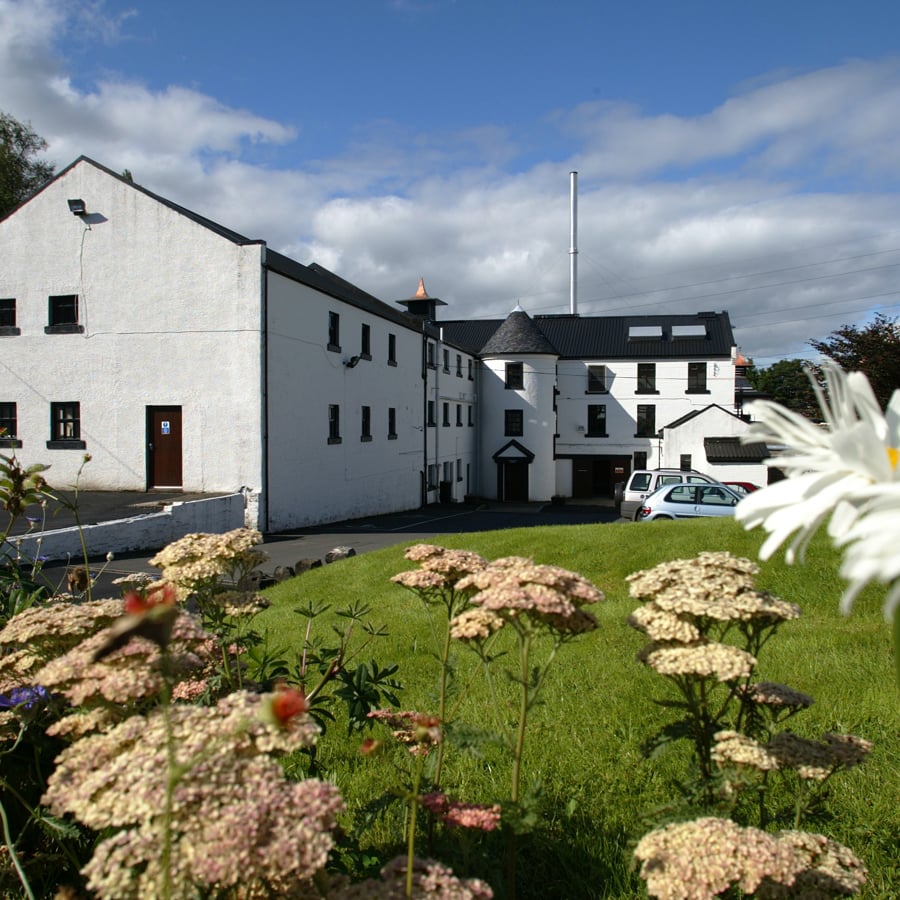
Auchentoshan distillery
Once famous for a particular style of light, grassy single malt, the Lowlands produces more whisky than other region of Scotland. However, only a tiny fraction of this output is malt whisky: for many years, this has been the home of big-name blends and the towering grain whisky distilleries that make blending possible.
More recently in the Lowlands, though, there’s also been in new distilleries producing single malts that challenge the region’s reputation for being all sweetness and light.
The history of Lowland whisky
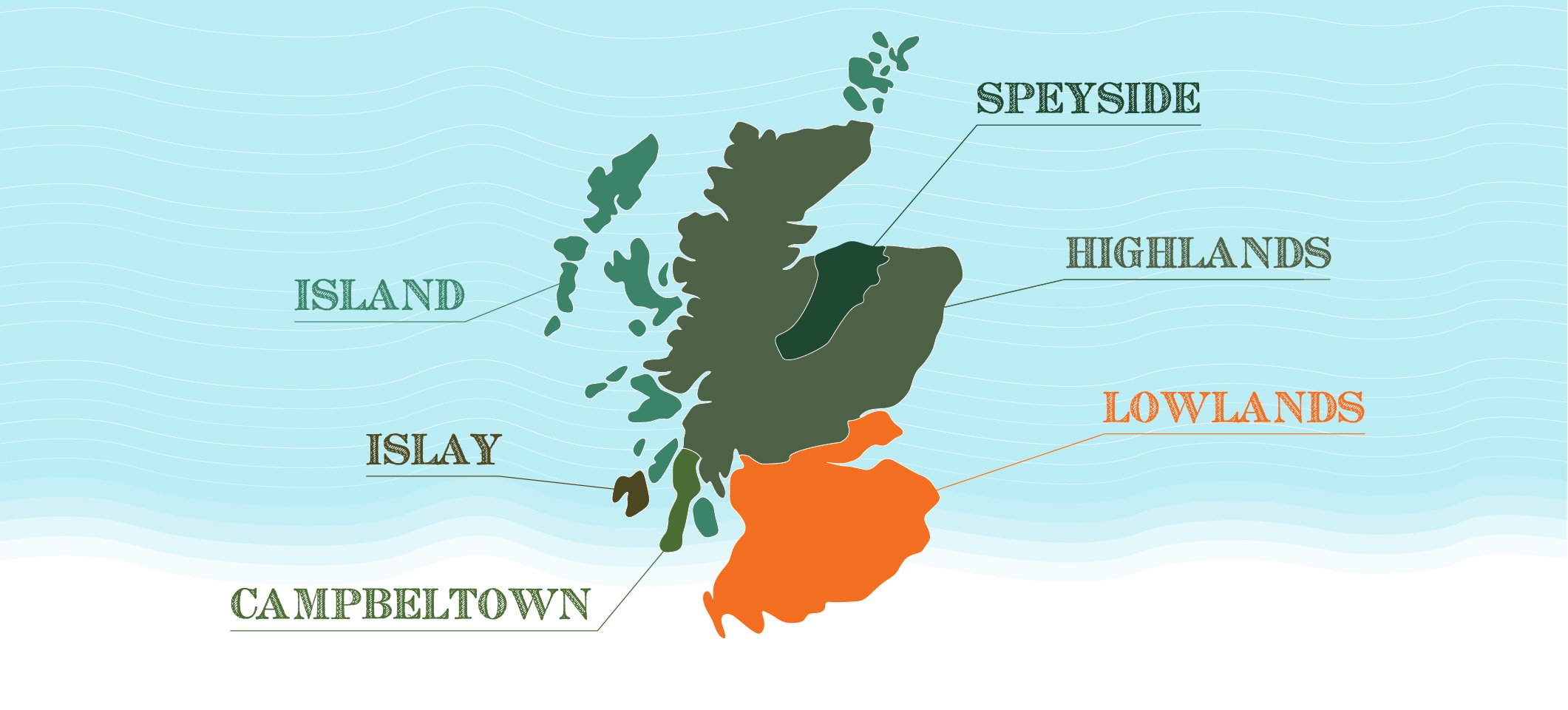
Centuries before Scotland’s whisky regions were defined in law, there was the Highland Line. This divide from the Firth of Clyde in the west to the Firth of Tay in the West was drawn by the 1784 Wash Act, which imposed different taxes on distilling in the Highlands and Lowlands. While it was hoped that this would kerb illicit distilling in the north, it in fact drove production underground. As the nascent industry gained momentum, each side of the line began to evolve differently.
Close proximity to Glasgow and Edinburgh and extensive road and rail networks gave distillers in the Lowlands, south of the line, access to markets around the world, and they expanded operations to meet demand. Ironically enough, mass production became the enemy of Lowland single malt, with distillers earning the region a bad reputation in the 18th century by flooding the market with poor-quality spirit. The Excise Act of 1823, which heralded the dawn of the modern Scotch whisky industry, brought a period of rationalisation in the Lowlands and the foundation of many of the distilleries that define the region today.
Already impacted by the rise in popularity of blends through the end of the 19th century, Lowland malt distilleries were dealt further blows by tax hikes, the first world war and the onset of Prohibition in the USA. These factors ruined the finances of many distillers, leading them to close their facilities or refocus on making grain spirit to be combined with Highland and Island malts for the rising number of blended Scotch brands.
Thankfully, a few hardy Lowland distilleries survived the bad times and continued to produce the gentle, grassy and easy-drinking single malts that are the signature style of the region. While for many years the number was small, we have seen a small boom, in part driven by the Lowlands' accessibility in comparison to the more northerly reaches of Scotland.
Grain distilleries in the Lowlands
The arrival of the column still in Scotland in the 19th century was revolutionary for the whisky industry. With these new continuous stills, producers could make light and inexpensive grain whiskies – made from wheat, corn or other grains, rather than malted barley – that would be combined with costlier malt whiskies. This afforded them the ability to make the consistent, affordable blends at scale.
The Lowlands, with their rail and road links bringing ready supplies of fuel and grain, were the natural location for a new breed of whisky distillery, the grain plant. Today, there are six active grain distilleries in the region; Cameronbridge, Girvan, North British, Invergordon, Strathclyde and Starlaw. Together, they are capable of producing in excess of 430 million litres of alcohol each year. While some grain is made elsewhere in Scotland, if you’re drinking a blended whisky then chances are it has components from of these great workhorse distilleries.
The Lowlands in the modern day
As malt distilling in the Highlands and islands exploded in the 19th century, production in the Lowlands shifted towards large, industrial grain plants. These modern factories supplied grain whisky in previously unimaginable quantities to support the new wave of blends making Scotch famous around the world.
A relatively small number of single malt producers clung on into the 20th century, but by the mid 1990s only two remained – Auchentoshan, northwest of Glasgow, and Glenkinchie, east of Edinburgh. Happily for us, the 21st century has brought a renaissance for Lowland single malt. The previously closed Bladnoch and Rosebank distilleries have reopened and more than a dozen new distilleries are either in operation or development.
It's arguable that this region never reached the heights of its more famous neighbours to the north, but with more producers making more whisky than at any time in living memory, the future looks bright for the Lowlands. Styles across the regions of Scotland have become less distinct, but the new wave of Lowland distillers are, in the main, sticking with history and making the elegant and grassy spirits that the region was once known for. However, the modern world of whisky has moved on and alongside the more traditional styles, we now see a full spectrum of whiskies being produced, from rich and sherried to big and peaty, with everything in between. Single malt whisky in the Lowlands is very much having a renaissance, and there’s much more to come.
Notable Lowlands distilleries
Auchentoshan
Ock-en-TOSH-an – est. 1817
Along with the newly revived Rosebank, this is one of only two distilleries in the Lowlands to produce exclusively triple distilled whisky. There’s a persistent myth that all the region’s single malts are made this way – probably related to the general idea that Lowlanders are all mild and grassy – but that isn’t really the case. There are references to some Lowland distilleries making ‘pot still Irish’ style spirit, most notable in Afred Barnard’s essential Whisky Distilleries of the United Kingdom. This may have referred to spirit made from a combination of grains – not just malt – triple distilled spirit, or both. But in the Lowlands today, standard double distillation is the norm.
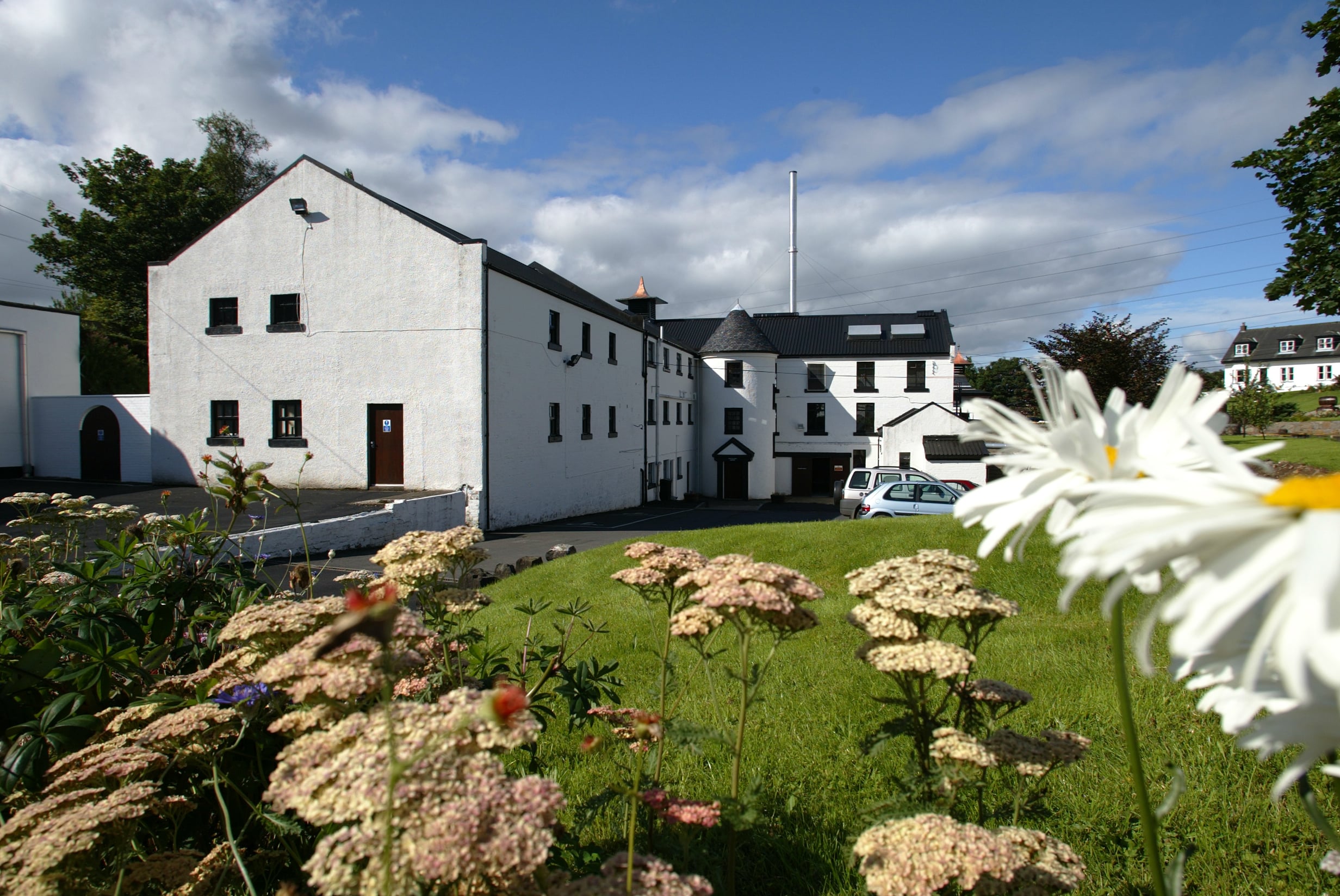
By employing an unusual three-still setup along with a relatively short fermentation, Auchentoshan produces a light spirit with high citrus notes and a grain-forward character. As a result, its whiskies often gain the larger part of their character through ageing and oak influence. This certainly the case with the popular Auchentoshan Three Wood – aged in a combination of bourbon and sherry casks – which features a floral nose of rose petals and cherry blossoms over vanilla fudge and sweet coffee. Older bottlings like the Auchentoshan 18 Year Old tend to show a spicier, more developed oak profile with ginger and spices, while those lemony notes from the new make turn to orange oils and satsumas.
Ailsa Bay
Est. 2007
Located in the grounds of the colossal Girvan grain plant, this capacious distillery is set up to produce various styles of spirit. This allows it to supply components for its owner William Grant & Sons’ portfolio of blends, while simultaneously taking pressure off single malt stocks from its flagship distilleries Blavenie and Glenfiddich.
The few releases of Ailsa Bay single malt to date suggest that in today’s whisky industry, geography doesn’t dictate style. Far from the lemon drops and freshly cut grass of the stereotypical Lowlander, the Ailsa Bay launched in 2017 shows peaty notes of smoked tea and singed grapefruits with buttery American oak influence. A small number of independent bottlings released under the pseudonym Dalrymple have been variously nutty and fatty and summery and light – fitting, for one of Scotland’s new breed of chameleon distilleries.
Bladnoch
BLAD-nok – est. 1817
This picturesque distillery in Dumfries and Galloway had a turbulent 20th century, with periods of closure during the various shocks that befell the whisky industry. In the 1990s, Bladnoch’s owner United Distillers (a forerunner to Diageo) bottled an ongoing 10-year-old single malt under the Flora & Fauna banner. This now hard-to-find expression reveals what you might call a typical Lowland character, with lemon zest, fresh hay, light herbs and honeyed sweetness.
The site was purchased by Australian businessman David Prior in 2015, after which production resumed following a long period of inactivity. Several no-age-statements bottlings built around casks acquired with the distillery gave way to a new range of single malts in 2024. The flagship Bladnoch 13 Year Old is every bit the classic Lowlander, matured entirely in American oak with fresh notes of jasmine tea, sweet grain, dried flowers and citrus oils.
Glenkinchie
Glen-KIN-chee – est. 1825
For much of its lifetime, Glenkinchie supplied the expected light and easy Lowland whisky for blends like Haig’s Dimple and Dewar’s. As such, precious few bottlings of its single malt were ever created prior to 1988, when United Distillers added a 12-year-old expression to the lineup of the Classic Malt Selection. This saw the relatively modest Glenkinchie rubbing shoulders with such industry heavyweights as Talisker and Lagavulin, effectively putting the distillery on the map and defining the Lowland character for many whisky enthusiasts.
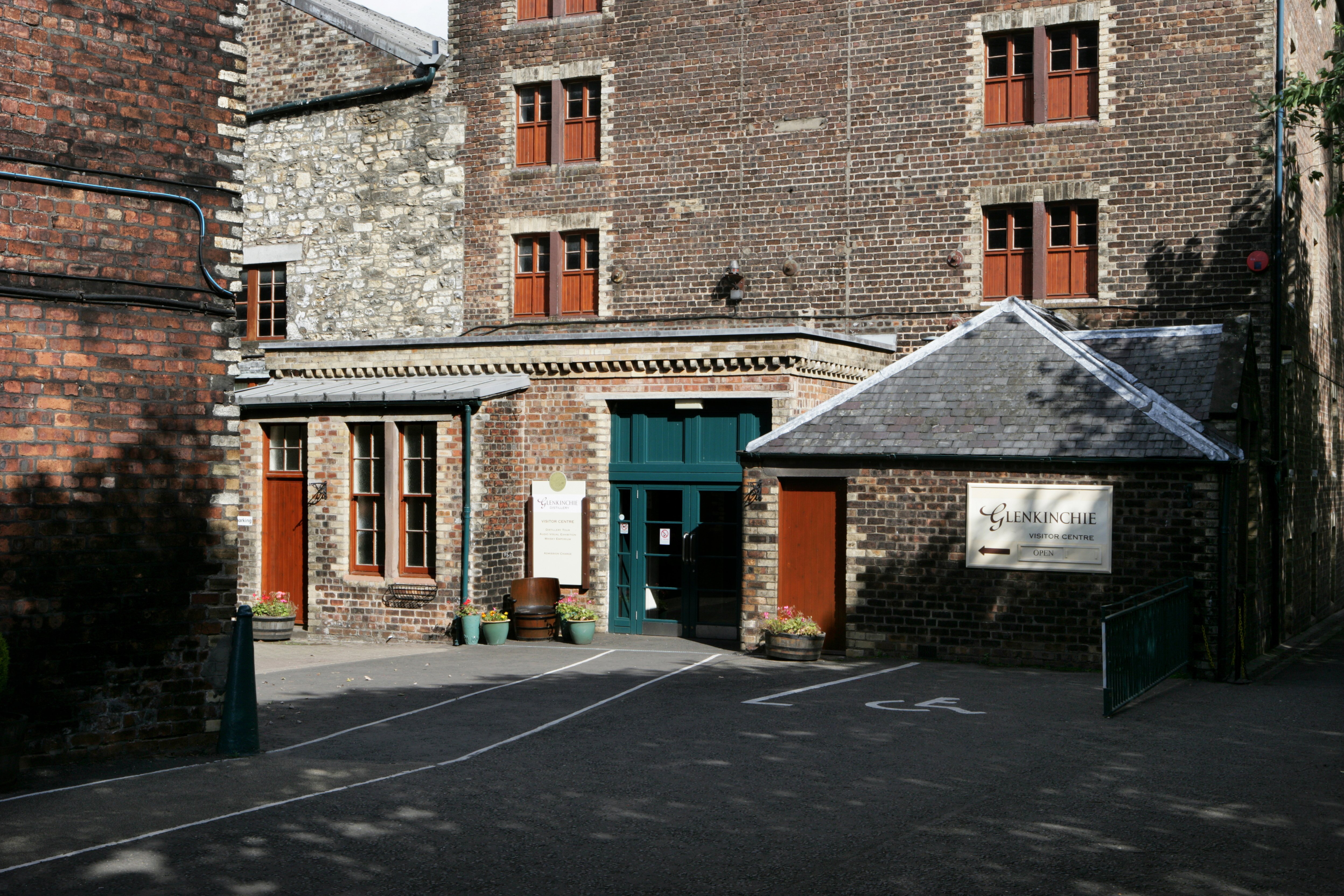
While single malts from this old Lowlander remain relatively uncommon, an occasional sherried ‘Distiller’s Edition’ offers a richer take on the house style. The Glenkinchie 27 Year Old Special Releases bottling released in 2023 shows how this elegant spirit ages, with a more concentrated core of orchard fruit and fine, complex florals.
Rosebank
Est. 1840
Rosebank in the 19th century was a modern distillery producing a bright, triple distilled spirit that helped establish the broader Lowland character as we know it today. Its whisky was highly sought after by blenders into the 20th century, and was even bottled as a single malt as far back as the 1970s. Unfortunately for this star of the Lowlands, the difficult years of the 1980s saw it almost relegated to the history books.
When United Distillers (Diageo) chose Glenkinchie to represent the Lowlands in the Classic Malts lineup it was a nail in the coffin for Rosebank. In 1993, the so-called King of the Lowlands fell silent, facing spiralling refurbishment costs and falling demand for malt whisky. Over the ensuring decade, its buildings fell to ruin and much of its equipment was stolen. Rosebank seemed lost for good.
But then, something remarkable happened: the surviving casks of citrus-forward, floral, elegant single malt from the distillery began to make waves in the whisky world. Bottlings released under the Diageo Special Releases banner grew the myth of Rosebank with the modern whisky drinker – aided by the romantic notion of a great distillery that was underappreciated in its lifetime and taken from us too soon. Independent bottler Elixir Distillers released a wildly popular series entitled Rosebank Roses and older bottlings began to demand sizeable sums at auction.
In 2017, Ian Macleod Distillers announced that it planned to rebuild Rosebank and begin production once again. Since then, it has bottled older casks from before the distillery’s closure to great success and began laying down new stocks for the future – exciting news for whisky fans everywhere, and a great indication of the health of the Lowland region.
Daftmill
DAH-ft-mill – est. 2005
Brothers Francis and Ian Cuthbert began converting old mill buildings on their family farm into a small whisky distillery in 2003. They filled their first casks a couple of years later, but they showed no great hurry to bring their single malt to market. This was to be slow whisky, made exclusively from barley grown in the surrounding fields and released when it was ready. The inaugural bottling finally came in 2018, announcing the Daftmill distillery character to the world with its honeyed orchard fruits, lemon oils and fresh cereal notes mingling with more complex herbal aromas and a pleasant oiliness.
Since then, releases of Daftmill single malt have always been highly regarded and hard to come by as whisky enthusiasts snap up any chance to sample this beguiling spirit. As it fills only about 100 casks each year, this is by far the Lowlands’ smallest distillery but it’s also a strong candidate for the most charming.
Other Lowlands distilleries
The Lowlands revival is continuing apace, with many new distilleries having released their first single malts in the last few years. The list includes Lochlea in Ayrshire, whose first single malts are inspired by the passing seasons and which uses its own barley in many of its single malts, like its Our Barley release; Eden Mill in Guardsbridge; Lindores Abbey, named for the eponymous abbey in Newburgh; Kingsbarns on the eastern coast of Fife; modern distillery InchDairnie, also in Fife, which makes single malt and rye whiskies; and Holyrood and Port of Leith, both in the city of Edinburgh, and therefore within the Lowlands region.
Another notable distillery is Littlemill, a historic distillery that was lost to a fire in 2003, and whose bottlings are highly sought after by collectors.


