


 United States — would you like to set this as your default country of delivery?


 Trade
Trade  Shops & Events
  Customer Service
 A Comprehensive Guide to Grain Whisky
Get to know this easily overlooked but fascinating style of whisky, from the traditional grain that forms the basis of our most beloved blends to cutting-edge experimental styles


Girvan grain distillery in Ayrshire
William Grant & Sons
All whisky is made from grain, but when we talk about ‘grain whisky’ we’re generally referring to something quite specific. Traditional grain whisky is a lighter spirit than single malt made using highly efficient column stills and usually distilled from grain that isn’t malted barley. It is a legally defined style in Scotland and Ireland which is mostly used as the backbone of blended whiskies.
However, non-traditional styles of whisky also fall under the legal definition of grain whisky. This means that when today’s more experimental producers stray outside the conventions of single malt, they often find themselves making single grain – the ‘single referring not to the number of grains, but the fact it’s made at one single distillery. There are also forms of grain whisky made across the world, including in Japan, the Nordic countries and the United States that are quite different to those found in Scotland and Ireland. The frontiers of flavour and style grain whisky presents at present seem to spell a bright future for this easily overlooked category. But before we get to the future, we should address the most traditional form of grain whisky.
What is Scottish and Irish grain whisky?
At their core, the Scottish whisky definitions are quite simple: Malt whisky is made from 100% malted barley distilled in a copper pot still. Grain whisky is all other forms of whisky distilled in Scotland. Ireland produces single pot still – which is made with a combination of malted and un-malted cereals – but this is also considered distinct from grain whisky. The main points of difference between malt whisky, pot still whiskey, and grain whisky are the type of still used and the raw materials.
Continuous stills and blended whiskies
Column stills were introduced to Scotland and Ireland in the 19th century, with the promise of a more efficient way to make whisky. The advantages of this new piece of technology over the traditional pot still was the fact that it could distil spirit to a higher ABV and be run continuously. If distillers kept the column hot and supplied with wash, they could make huge volumes of spirit cheaply and without stopping.
This level of efficiency came with certain trade-offs. The new grain whiskies were generally not as flavoursome as the traditional pot-distilled forms of whisky. In fact, there was resistance from some producers – especially in Ireland – to a perceived threat to the overall quality of whisky posed by the column still. But, by combining malt or pot still whiskies with grain whisky, producers were able to create blends that were both economical and consistent.
Almost all grain whisky made today is destined to become part of the blended Scottish and Irish whiskies enjoyed around the world. Johnnie Walker, Jameson, Ballantine’s, Chivas Regal and many more rely on a constant supply of economical and good quality grain whisky. The facilities where these grain whiskies are made are far from household names – they include Invergordon, Girvan, and North British – but they are essential to whisky industry. To get a sense of the scale of a modern grain plant, Cameronbridge in Fife is the largest drinks distillery in Europe, boasting a capacity of 136 million litres of pure alcohol each year – this towers over the most capacious malt distillery, Glenfiddich, which tops out at around 21 million LPA.
How is grain whisky made?
Most grain whiskies are made from a base of wheat or corn with a small proportion of malt to supply the enzymes needed to kickstart fermentation. The choice of raw materials is mostly dictated by cost, as un-malted grains are much cheaper than malted barley. Traditional grain whisky starts off as a lightweight spirit which must legally be aged for a minimum of three years in oak cask before blending or bottling.
Grain whiskies draw much of their character from the casks they are matured in. Many will be blended and bottled relatively young, but if they are allowed to age, they can start to achieve depth and complexity. While this can take decades, older grains are a perfect canvas for oak-focused flavours, with the lighter spirit character taking on elegant toffee and caramel notes and even dark fruits depending on the cask type.
Single grain and blended grain
As we’ve mentioned, the words ‘single grain’ on a bottle mean that it contains grain whisky from one distillery, while a blended grain will comprise grain whiskies from multiple distilleries. These styles are relatively uncommon compared to single malts or blends, but some companies in Scotland and Ireland do bring traditional grain whiskies to market. These include Diageo’s Haig Club and the pioneering Hedonism blended grain from Compass Box. Irish Distillers Ltd has also released a handful of single grain whiskies under its experimental Method and Madness label. These showcase grain whisky’s ability to easily take on the flavours of unusual cask types such as those made from hickory or new Spanish oak.
In terms of what single and blended grain whiskies taste like, younger examples will often be light and sweet, with a profile heavily influenced by cask ageing. If they’re matured in American oak, they’ll likely be creamy and bright with abundant vanilla – if they’re aged in sherry casks, they’ll be more likely to taste of sherry. Very old grain whiskies – we’re talking about those aged for 40 years or more – can develop remarkable complexity and offer an experience quite distinct from other styles of whisky. This is notable in bottlings such as Compass Box’s now legendary Last Vatted Grain, Elixir Distillers’ North of Scotland 50 Year Old and official bottlings of whisky from now closed grain distilleries Port Dundas and Carsebridge created for the Diageo Special Releases.
Grain whisky in the modern day
Now, the above covers traditional grain whisky as has been produced in Scotland and Ireland for well over a century. But as we said earlier, the term grain whisky can also refer to any whisky that is distilled in a way other than single malt or single pot still. As producers become more experimental and consumers seek new horizons in flavour, we are finding new forms of whisky being created that fall under the umbrella of grain.
Some producers today work with stills that differ from the ‘traditional copper pot still’ specified in the regulations for single malt. This includes specially designed columns and hybrid setups that combine pot and column features to give the distiller greater flexibility. Other distilleries are working with traditional pot stills but using a mixture of different grains – remember, if it’s not made from 100% malted barley, it isn’t single malt. One notable example is InchDairnie outside Glenrothes, which released its first rye whisky in 2022, with a mash bill of 52% malted rye and 48% malted barley.
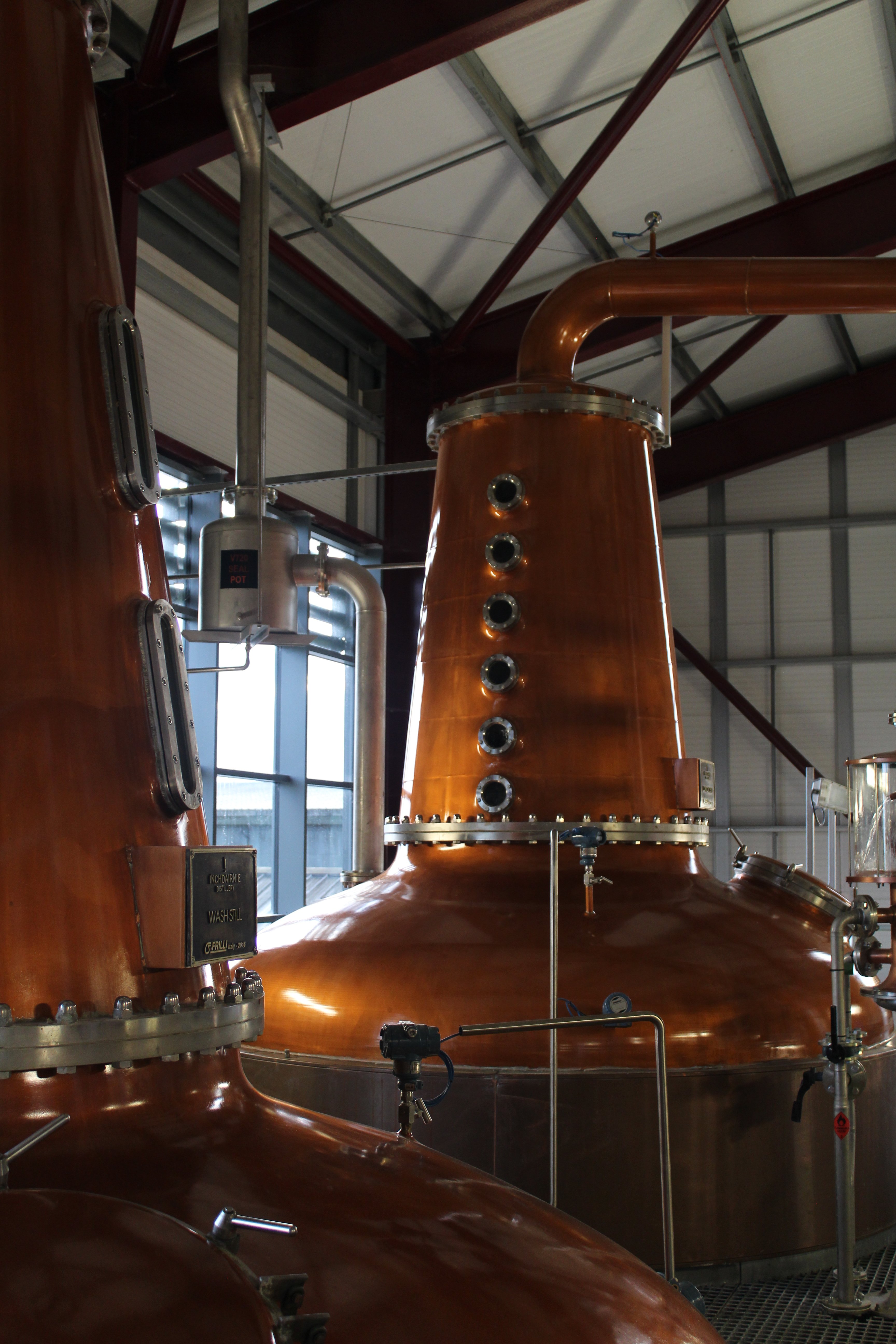
We are also seeing column-distilled whiskies made from 100% malt – like the bright and easy-drinking Loch Lomond Single Grain – and others made from non-traditional grains like rye – such as Powers Irish Rye. While grain whisky was once almost all light and sweet, this diversification in production techniques has made things more varied.
Many of the newer whisky-producing countries have been inspired by Scotland and Ireland, but with different traditions of food and drink, they often move away from the focus on barley that we see in the old world. Across the Nordic region you’ll find rye used, with more exotic grains like millet, sorghum and the wheat/rye hybrid triticale popping up in countries from the USA to Namibia. Regulations around the world don’t always define grain whisky as a category, but many of these new whiskies would be termed single grain if we use the old-world definitions.
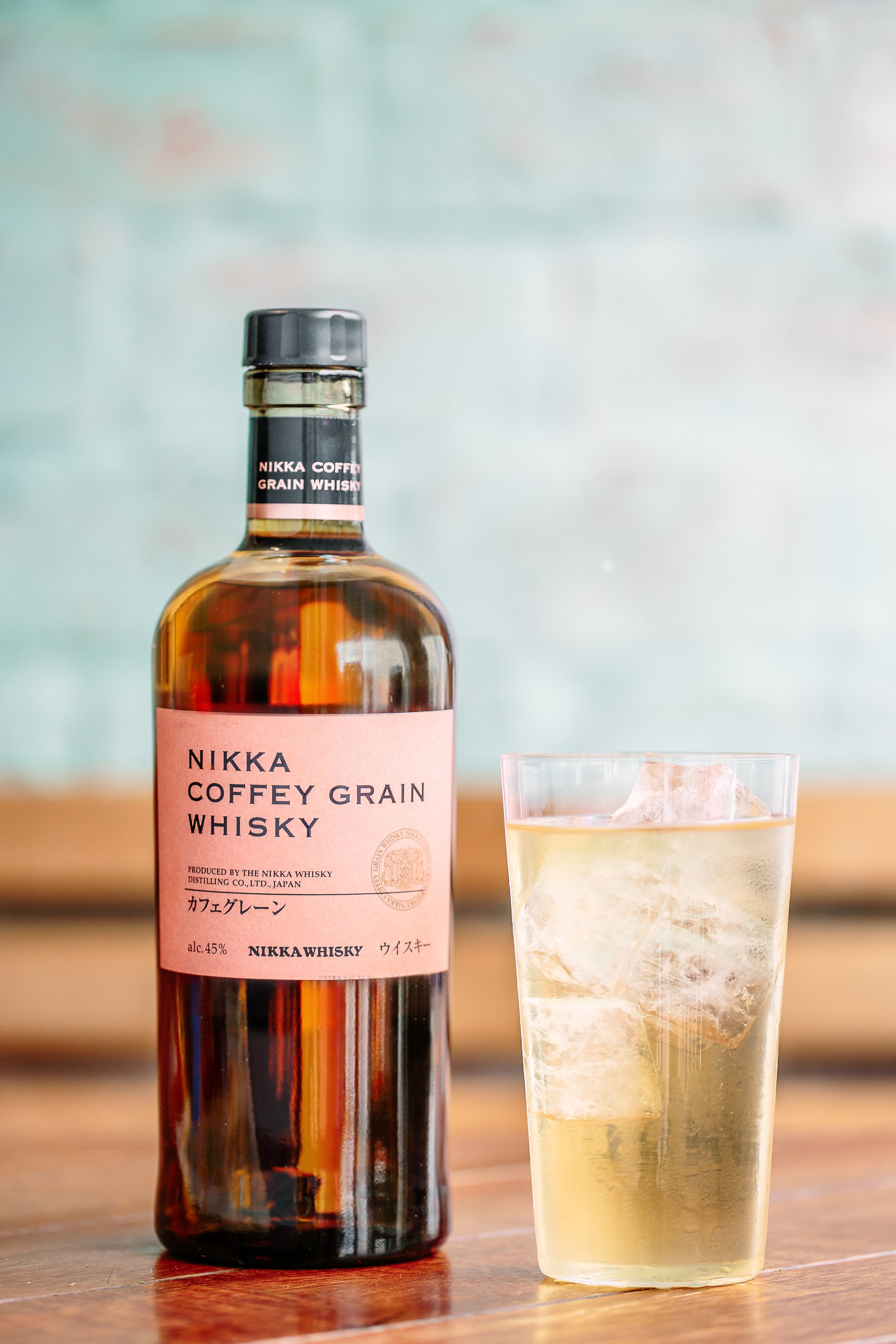
The Japanese whisky industry was originally modelled on the Scottish industry of the early 20th century. This means that it set out to produce quality blended whiskies that necessitated the creation of large grain plants like Suntory’s Chita and the installation of continuous stills at Nikka’s Miyagikyo. Both have since produced popular single grain whiskies – Nikka Coffey Grain and The Chita Distiller’s Reserve – which are delicious and quite different from Scottish single grain whiskies.
These new styles and flavours as well, as a focus on grain whisky as something to be drunk on its own, are all demonstrations that grain is very much a category with potential.





