


 United States — would you like to set this as your default country of delivery?


 Trade
Trade  Shops & Events
  Customer Service
 Cachaça Guide: Brazil’s National Spirit Explained
The national drink of Brazil is one of the most consumed spirits in the world, eclipsing both gin and whisky in terms of absolute volume. It’s often described as Brazilian rum, but cachaça has a distinct identity, and a unique flavour derived from fresh sugarcane

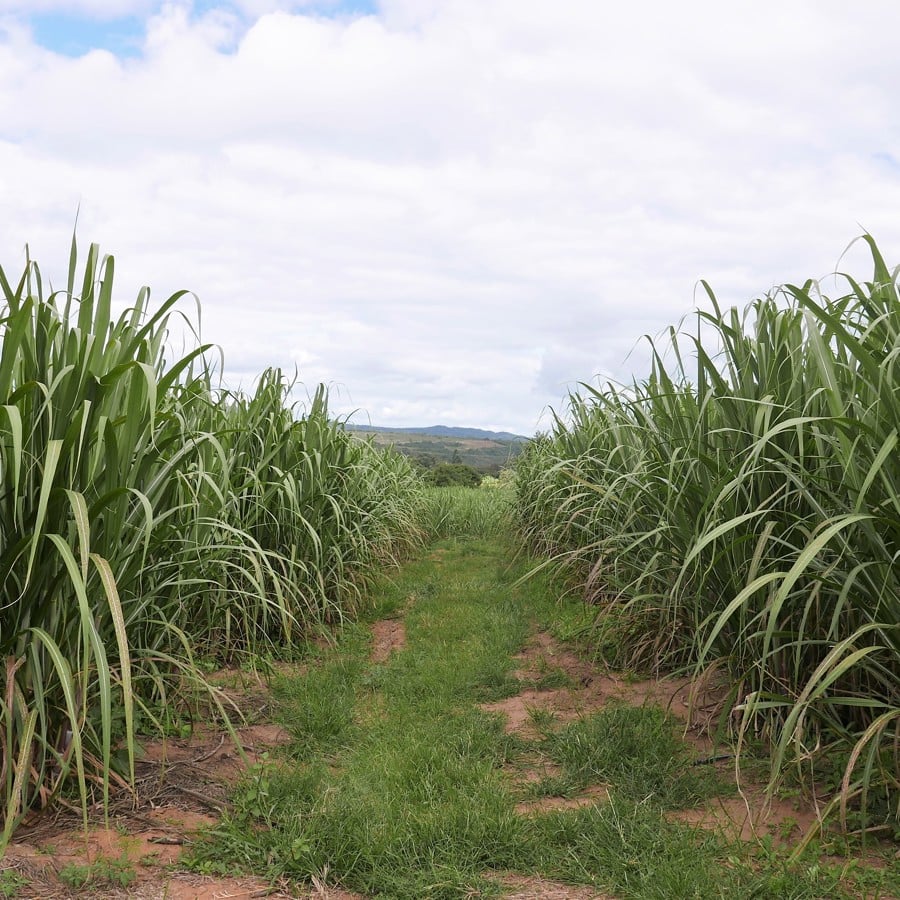
Sugarcane fields in the Brazilian state of Bahia
Before the first rum flowed on the islands of the Caribbean, there was distilling in Brazil. In the 16th century, Dutch traders used their pot stills to concentrate the local cane wine into presumably quite fiery aguardente de cana – the forerunner to modern cachaça.
Whereas rum can be based on molasses or the juice from crushed sugarcane, cachaça is always made from fresh cane juice. It can only be distilled to a maximum strength of 75% ABV, much lower than other spirts. This makes for a characterful spirit with lots of vibrant and herbaceous raw sugarcane flavour. Producers range from industrial operations with towering column stills to artisans with small, traditional pot stills. Around 99% of all cachaça is consumed in Brazil where it is enjoyed neat or with sugar, lime and crushed ice in the famous Caipirinha cocktail.
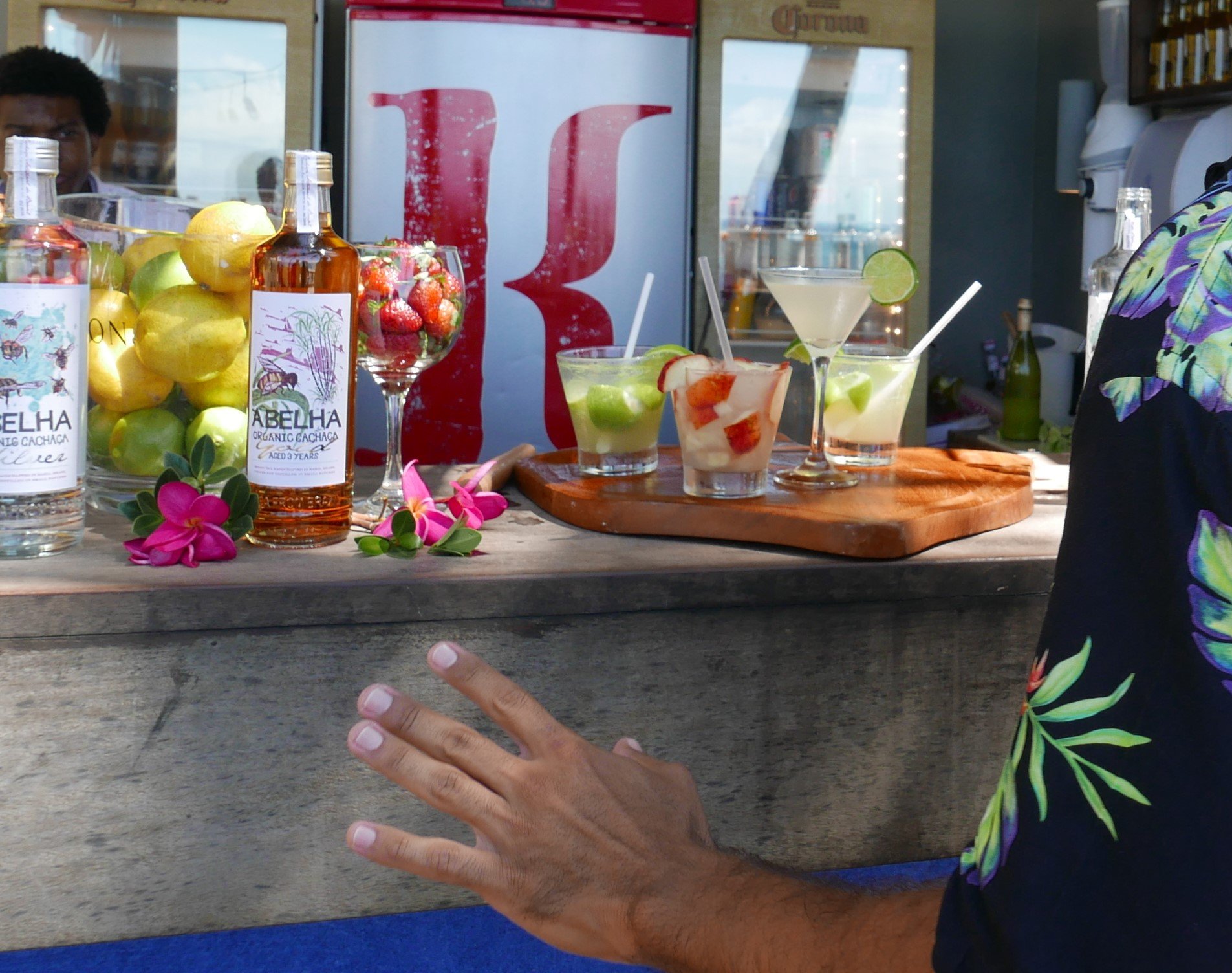
What is cachaça?
The terms aguardente de cana and cachaça are often used interchangeably, but Brazilian law draws a distinction between the two. In fact, production of both is among the most tightly regulated in the world of sugarcane spirits. There are strict limits on the levels of various flavour compounds like esters and aldehydes which decide each spirit’s profile, as well as defining raw materials. Cachaça must come from Brazil, while aguardente is more of a generic term that isn’t geographically specific. Additionally, cachaça must be produced in a single distillation, similar to pisco, while aguardente can be redistilled to achieve a higher ABV.
While the maximum strength that cachaça can be distilled to is 75% ABV, many smaller producers will distil to much lower strengths. This means that their spirits contain less alcohol, leaving more room for the compounds responsible for flavour and aroma. Artisanal producer Yaguara offers a ‘still strength’ bottling reduced from about 54% to the legal maximum of 48%. This is a great example of pot distilled cachaça at higher strength, delivering great aromatic intensity and notes of lime zest, freshly cut grass, green apples and black pepper.
The majority of cachaça is made to be enjoyed unaged, full of vibrant spirit character and abundant green sugarcane flavour. Silver, classic and traditional are all labels that refer to young spirits that have been rested for a small amount of time rather than aged as such. Leblon cachaça for instance is rested French oak for between one and six months before bottling, but this is to let the spirit develop rather than to take on strong colour or flavour from the cask itself. This means that in the glass, Leblon is soft and fruity with distinctive banana and guava notes.
Some aged cachaça is also produced to regulations that specify maturation in a wooden container of 700 litres or less for more than a year and up to 15 years. This style typically shows the herbal character of the underlying spirit but with added notes of vanilla, caramel and sweet spices. Oak casks are commonly used, but coopers in Brazil also work with a variety of native hardwoods to make casks for ageing cachaça. These include amburana, which gives a distinctive almond and cherry character to the spirit. Abelha Gold Organic cachaça is aged for three years in casks made from Brazillian ash, lending it a salted caramel note that sits nicely alongside overripe stone fruit, pepper and light vanilla.
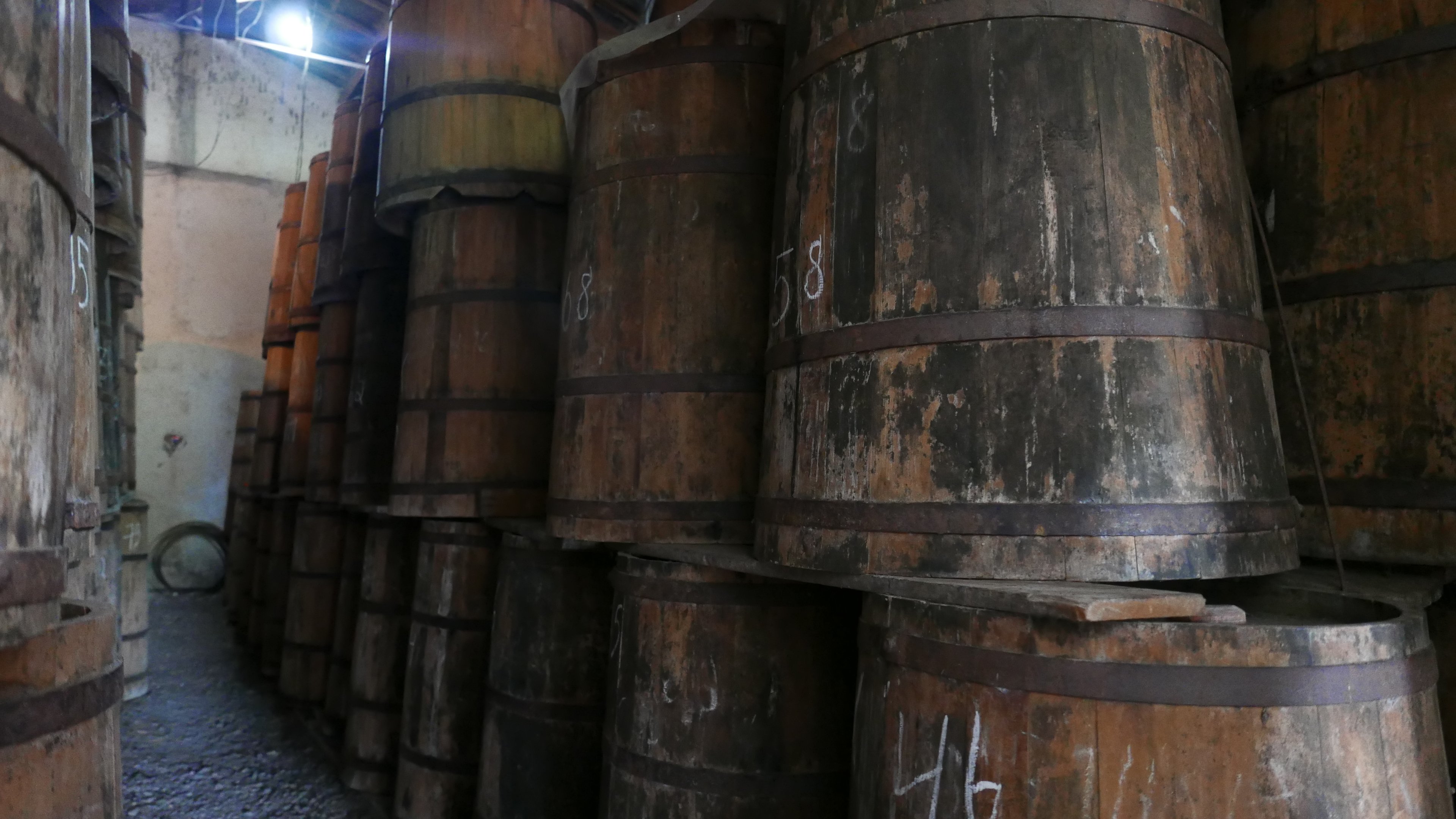
Gold is a common labelling term for aged cachaça, indicating that the spirit has been matured in wood – taking on some colour and flavour – without a specific reference to its actual age. Some producers use spirit caramel to make their cachaça appear darker, but other colourings and the use of wood chips to simulate oak ageing are forbidden.
How to drink cachaça
The vast majority of the 1.5 billion litres (enough to fill 600 Olympic swimming pools) of cachaça that is produced every year is consumed in Brazil, and most of that volume is enjoyed in Caipirinhas. Based on the triumvirate of sugar, citrus and cane spirits common across the Caribbean the Caipirinha calls for muddle lime and sugar, crushed ice and a healthy measure of cachaça. Refreshing and easy to make at home, this simple cocktail is a fantastic place to start exploring one of the world’s great spirits.


