


 United States — would you like to set this as your default country of delivery?


 Trade
Trade  Shops & Events
  Customer Service
 Scottish Island Whisky: History, Distilleries, and Characteristics
These windswept islands have been important centres of whisky making since the very earliest days of Scottish distilling, and today produce some of the most beloved single malts in the world

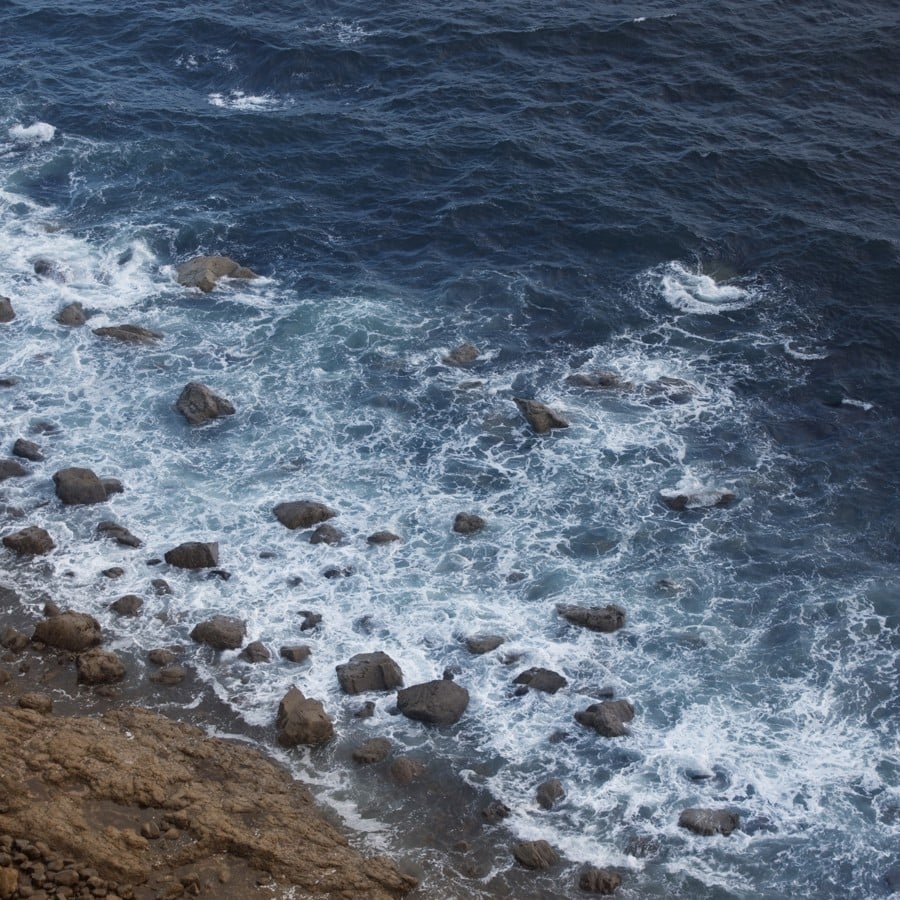
The Isle of Skye
Scottish whisky began in the Western Isles, with the arrival of monks and clerics spreading the good word and knowledge of distilling. This was in the 15th century, give or take, when the island’s inhabitants had already been malting barley and brewing beer for hundreds of years. As early grain spirits grew more sophisticated and began to resemble the whiskies we enjoy today, the Islands became great centres of distilling.
While the Islands are often described as a region, they technically form part of the Highlands and are also considered separate from the isle of Islay, which is a region unto itself. The isles of Arran, Mull, Jura, Raasay, Skye, Lewis and Orkney all produce malt whisky, which ranges in style from delicate and fruity to heavily peated with a pronounced coastal character. These furthest-flung corners of Scotland are also home to some of the most celebrated distilleries in the world, including big hitters like Highland Park and Talisker, and as such we at The Whisky Exchange refer to them as a proper noun and a distinct region.
The history of Scottish Island whisky
Early distillers on the Scottish Islands didn’t just have a head start on the mainlanders when it came to whisky making, they also had everything they needed to make whisky well. Those on which the craft flourished had fields for growing grain, abundant fresh water – this is rainy Scotland, after all – and peat bogs that yielding fuel for drying malt. As cask ageing became an accepted and ultimately fundamental part of whisky making, the cool temperate climate enjoyed by the islands proved perfect for ageing spirit, promoting gentle oak interaction and balanced maturation.
At a time when the legal status of distilling put the pioneers of Scotch whisky at odds with the government, the remote islands also provided sanctuary from the prying of excise officers. All of these factors combined to make the islands the cradle of whisky making as we know it.
There are currently 11 active distilleries across eight Scottish Islands, with more set to launch in the coming years. This makes identifying a unified ‘Island style’ somewhat difficult. Many malts from the sub-region provide a sense of their place of origin, a maritime ruggedness that’s highly prized by whisky fans. But, if there’s a single unifying thread that links them all, it’s a sense of quality, character and place.
Scottish Islands and their distilleries
Orkney
Highland Park
Est. 1798
Located on the largest of the spectacular Orkney islands, Highland Park produces acclaimed single malts that are renowned for their balance of floral peat smoke, honeyed softness and subtle maritime notes. The distillery is one of the few left in Scotland that malts its own barley on site. This barley is dried using Orcadian peat, which imparts a distinctive heathery note that’s essential to Highland Park’s identity. Much of the spirit it produces is filled into sherry casks, which contribute fruit and spice notes that make for rich and nuanced single malts.
These whiskies have been highly sought after by bottlers and blenders for generations, but Highland Park’s owners have always been protective of the distillery name. As a result, independently bottled Highland Park single malts are often labelled simply as unnamed ‘Orkney’ or ‘Whitlaw’ – in reference to the Whitlaw hills visible from the distillery grounds. Such bottlings are a perennial favourite among whisky fans and offer a great combination of quality and value for money. Likewise, the 12 and 18 Year Old official bottlings are regarded as benchmark single malts the world over.
Scapa
Est. 1885
Scapa produces a style that couldn’t be more different to its neighbour Highland Park, a great example of the diversity to be found in the Scottish islands. The distillery’s unusual straight-necked pot stills are set up to produce an elegant, perfumed spirit with abundant notes of white fruit and citrus.
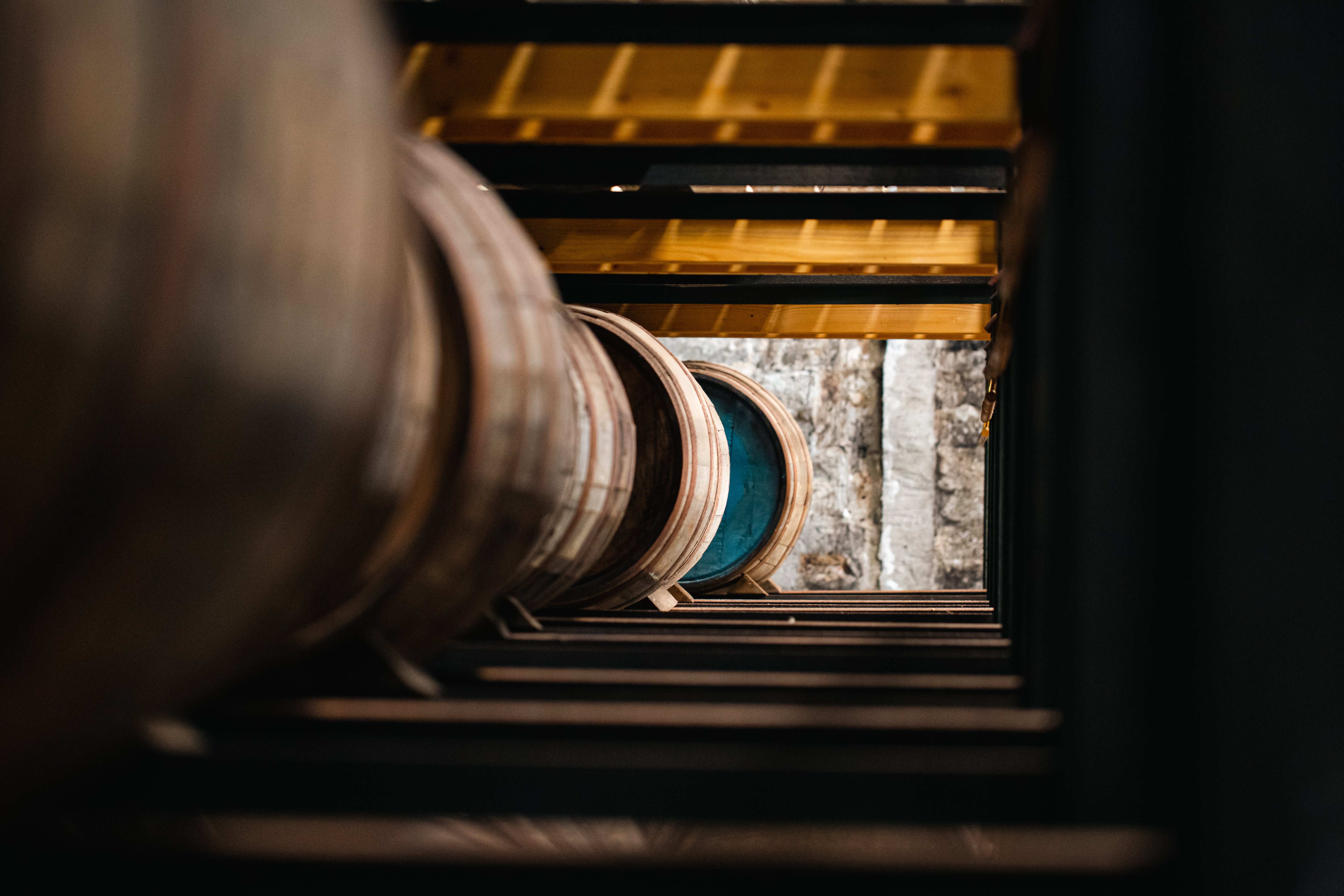
While Scapa single malts have been a cult favourite of whisky fans for years – particularly the Gordon & MacPhail distillery label bottlings – it has spent most of its history supplying casks to blenders. However, in 2024 it was relaunched with a new range of single malts sporting a modern redesign and a greater emphasis on maturation in top-quality American oak. The latest incarnation of Scapa 16 Year Old displays all the juicy fruits and tropical hints we like to see from this old islander with a background of vanilla fudge and warm spices.
Jura
Isle of Jura
Est. 1810
This bestselling single malt has appeared in many guises over the years, ranging from lightly peated to intensely smoky. Recent releases have leaned into a moderate level of peat and placed an emphasis on combining different cask types to lend definition and depth to Jura’s nutty, oily spirit.
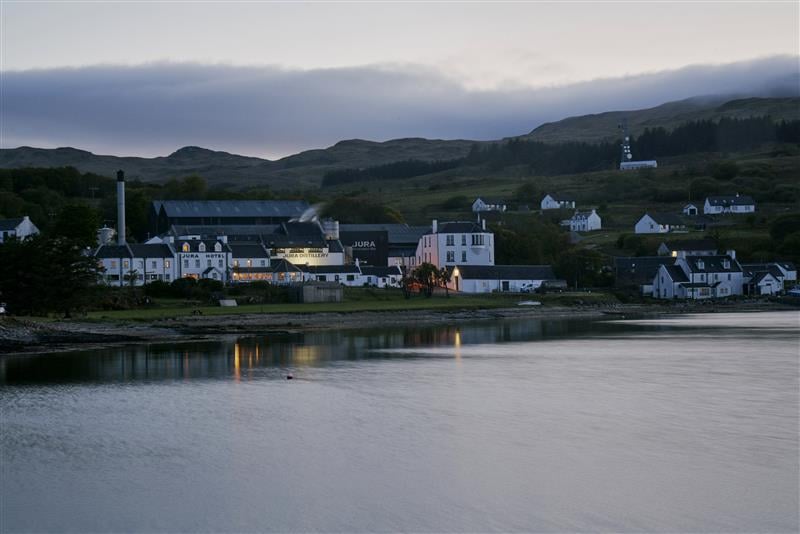
Jura has been in business since the early-19th century when the Laird of Jura ordered a distillery built on Long Road, which is incidentally the only road on this tiny Hebridean island. Though it experienced periods of reduced production and inactivity in the early 20th century, Jura single malt has been available since at least the 1970s. Since the mid 1990s its owners have cultivated the brand with a now iconic bottle shape and a focus on pronounced oak influence. Jura Seven Wood provides a great example of the style, with a combination of American and French oak casks adding rich vanilla, almond and ginger notes to a palate of malt, oranges and caramel.
Harris and Lewis
Isle of Harris
Est. 2015
While many of the Scottish islands have a longstanding history of whisky making, this relative newcomer was the first legal distillery in the history of Harris. After making a name for itself with a wildly popular gin made with locally harvested sugar kelp, Harris launched its first single malt in 2023. The Hearach shows a mineral peat character with a palate of warm cereals, lemon oil, soft herbs and cider apples. It's a welcome addition to the Islands and a distillery we expect great things from in the years to come.
Skye
Talisker
Est. 1830
For many whisky enthusiasts, Talisker on the isle of Skye is the definitive island distillery. It was also among the earliest to come to market as a ‘pure malt’ – a precursor to the modern concept of single malt – with a handful of early 20th-century bottlings still surviving today. A longstanding eight-year-old Talisker was a favourite of whisky enthusiasts in the 1970s and 80s but its modern incarnation started with the addition of a new 10 Year Old expression to the Classic Malts Selection in 1988. This set of six whiskies from across the regions of Scotland was created by Talisker’s owner United Distillers (now Diageo) and helped to introduce many newcomers to single malt whisky.
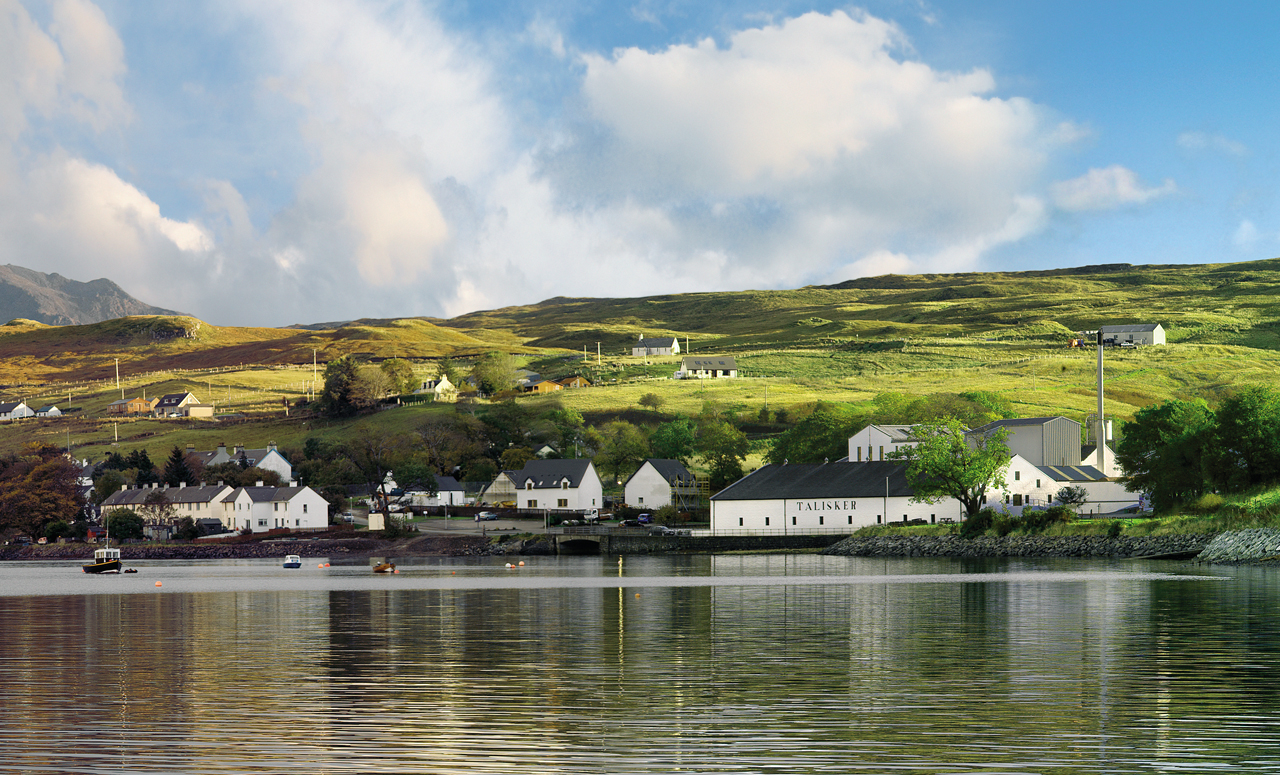
Talisker 10 Year Old is now considered a pillar of single malt, with an instantly recognisable profile of brine, refined peat smoke, white pepper, woody herbs and raw wool. In addition to the undeniable sense of balance complexity that Talisker single malt offers, its popularity may also be due to the fact that it carries a sense of place. Its combination of maritime notes with balanced smokiness perfectly evokes the rugged glamour of the Scottish islands. Older expressions of Talisker, as well as occasional limited-edition bottlings offered at higher ABVs, are always sought after by fans and collectors.
Torabhaig
Est. 2017
The first new distillery on the Isle of Skye since Talisker, Torabhaig launched its first ongoing release in 2021. Allt Glean, named for the watercourse than runs alongside the distillery – is a heavily peated single malt with notes of sea air, fresh shellfish, citrus oils and mineral peat smoke – a perfect encapsulation of the Scottish islands.
Arran
Arran
Est. 1995
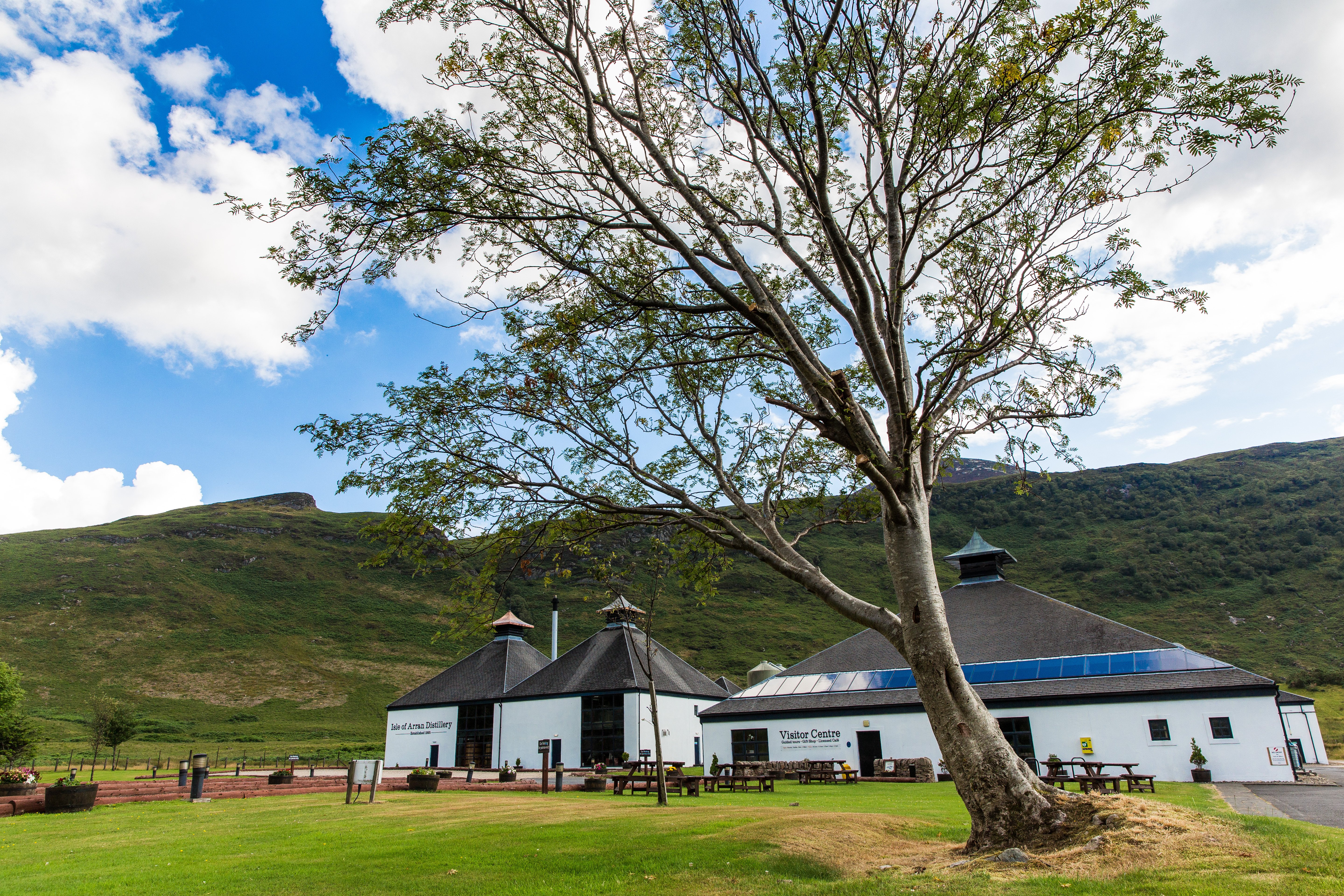
A relative newcomer to the Scottish islands, Lochranza distillery on Arran filled its first casks in 1995. While historic island distilleries often worked with peated malt as a matter of necessity, this modern producer has always led with a zesty unpeated spirit marketed under the name Arran. A stylish update to the brand’s livery in 2019 cemented the distillery as a leader in Scotland’s new wave of single malt producers. The Arran 10 Year Old perfectly sums up the Lochranza distillery character at an affordable price. You can expect intense notes of citrus fruit, buttered brioche and ripe pears.
Lagg
Est. 2019
Following the success of Lochranza, the distillery’s owners began production at a sister site on the south of Arran. This second distillery was named Lagg – after one of the island’s historic producers – and set up to produce a heavily peated make. The first bottlings of Lagg single malt reveal an ashy smokiness with notes of fermenting white fruit and earthy umami. One to watch.
Mull
Tobermory
Est. 1798
The picturesque village of Tobermory on Mull provides a beautiful setting for one of Scotland’s oldest distilleries. There were sparse bottlings of Tobermory single malt through the latter half of the 20th century, but recent years have seen official bottlings growing in prominence. This is in part due to the increasing popularity of the distillery’s heavily peated variant, Ledaig. Pronounced leh-check, these intensely smoky single malts have proved popular with independent bottlers and whisky fans. The official Ledaig 18 Year Old was voted The Whisky Exchange Whisky of the Year in 2023 after impressing the judging panel with its nuanced palate of herbal peat smoke, salted caramel and hints of stone fruit.
Raasay
Isle of Raasay
Est. 2017
Another new-wave islander, Raasay landed on our shelves in 2020 starting a string of releases that combined peated and unpeated spirit matured in a range of casks including rye whiskey barrels and Bordeaux wine casks. This emphasis on active oak steers Raasay toward a modern style of Island single malt with strong wood influence complementing the fresh spirit character of its – as yet – young whiskies.
The future of Island whisky
Of more than 900 islands off the Scottish coast around 70 are inhabited. Recent openings have seen stills fired and warehouses filling up on Unst, Shetland and Barra, meaning that we have many more whiskies to look forward to in the future, with a raft of new styles, new flavours and spectacular surroundings to discover.





