


 United States — would you like to set this as your default country of delivery?


 Trade
Trade  Shops & Events
  Customer Service
 A Guide to Tennessee Whiskey: History and the Lincoln County Process
Tennessee whiskey is often synonymous with the colossal Jack Daniel's, and with good reason. But there's more to this style of American whiskey than many of us think


Coopers working at Jack Daniel's distillery in Lynchburg Tennessee
Both the velvet-voiced Frank Sinatra and the gravel-throated Lemmy from Motörhead enjoyed Tennessee whiskey as their pre-show ritual. This Southern style of whiskey is a slice of Americana, combining a down-home image with the glamour of its many celebrity devotees. It’s a spirit that permeates western culture and for many its deliciously rich and chewy character marks their introduction to whisky proper.
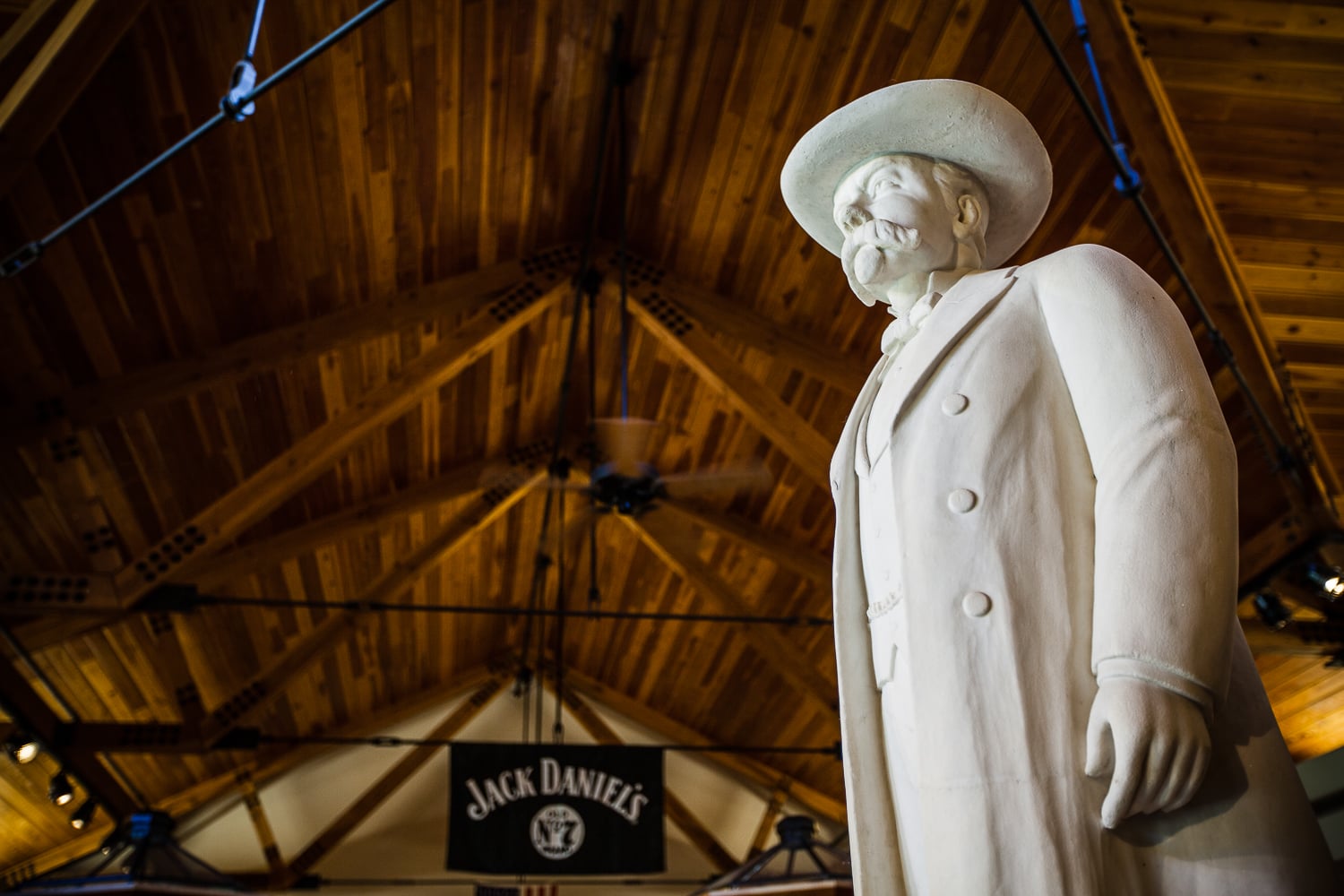
While there are many distilleries in the landlocked state of Tennessee, there is there is no doubt that its leading light is Jack Daniel's, with the lesser-known (but also excellent) key player in the region George Dickel, and a notable new producer in Uncle Nearest. There are also a number of smaller producers popping up and making names for themselves with new takes on the sweet and spicy spirit.
What is Tennessee whiskey?
Much like bourbon, Tennessee whiskey must be distilled from a fermented mash of grain consisting of at least 51% corn and be aged in new charred oak barrels. Stylistically, Tennessee whiskey is distinct from bourbon in part due to its typically lower rye content – which generally makes for a softer, less peppery profile.
The Lincoln County Process
Another key difference between these two types of whiskey is an additional step in production known as the Lincoln County Process. This filtration method involves passing the freshly distilled Tennessee spirit through a thick layer of sugar-maple charcoal, which helps remove impurities while softening and tempering the spirit. The spirit is then poured into new charred American white oak barrels. While Tennessee whiskey has no minimum ageing requirement, most producers shoot for a maturation period of four to seven years.
In 2013, Tennessee Governor Bill Haslam signed House Bill 1084, mandating the use of the Lincoln County Process for Tennessee whiskey. The only exception is Benjamin Prichard's, which was granted a grandfather exemption, allowing the distillery to continue its traditional unfiltered style.
Jack Daniel, Nathan Green and Tennessee whiskey's rise to prominence
Found on nearly every back bar in the world, Jack Daniel's needs little introduction. As the second best-selling American whiskey brand, it ranks as the third most widely consumed whisky globally. To put that into perspective, American whiskey sells over 1.5 million cases annually in the UK, with around three-quarters belonging to the Jack Daniel's flagship Old No. 7.
The history of Jack Daniel's is closely linked to the story of Tennessee whiskey. Founded by Jasper Newton 'Jack' Daniel in 1866, the producer is one of the oldest registered distilleries in the United States. Jack learned the art of whiskey making as an apprentice to Nathan 'Nearest' Green, a distiller and an enslaved man. Green would later become the head distiller at the Jack Daniel's distillery and is recognised as the first known African-American master distiller. Today, a new brand and distillery called Uncle Nearest shines a light on his invaluable contribution to the history of American whiskey with a range of Tennessee whiskies.
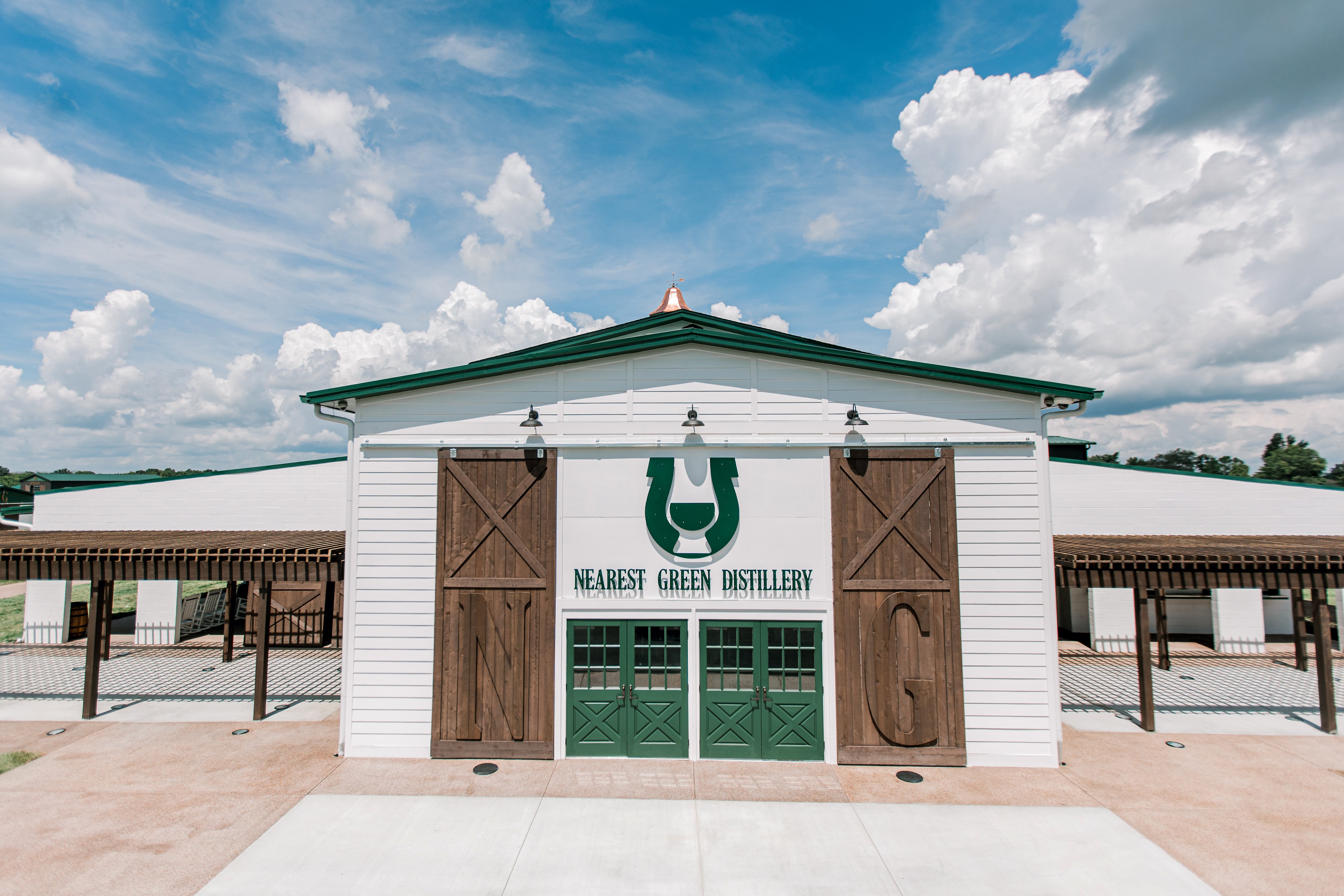
One of Nearest’s many contributions to distilling is said to be the introduction of the Lincoln County Process. This now-famous step played a crucial role in giving Jack Daniel's whiskies their honeyed, soft character, helping them reach a wider audience.
Following Daniel's death in 1911, the brand faced a major setback with the onset of Prohibition (1920-1933). Where Jack Daniel's once pulled patrons into bars, they were now being directed to the doctor for a shot of American whiskey. Those suffering from a range of ailments, including colds, influenza, pneumonia, high blood pressure, and anxiety, to name but a few, could be prescribed a pint of whisky every ten days to soothe their ills. Some drug stores of the day benefitted enormously from this loophole, growing their regional businesses into coast-to-coast chains off the back of medical whiskey.
In the years after Prohibition, Jack Daniel's regained momentum, bolstered by celebrity endorsements and marketing that transformed it into a lifestyle brand and household name. Today, it is owned by international drinks company Brown-Forman and has expanded its range to include single cask expressions and the double-filtered Gentleman Jack, among others.
The future of Tennessee whiskey
Tennessee whiskey has long been adept at welcoming in new audiences with open arms. It is fascinating to watch how established brands like Jack Daniel's continue to evolve as they explore new styles of Tennessee whiskey including rye whiskey and single malts.
Newcomers to Tennessee are also shaking things up by prioritising innovation. Producers like Chattanooga Whiskey, Pennington Distilling Co and Corsair are redefining the style with experimental mash bills, inventive barrel-aging techniques, and creative blending practices.
What’s certain is that this rich, spicy, and honeyed style of whiskey will continue to be enjoyed globally, often with ice-cold cola. At the same time, more of us are waking up to the quality of small-batch releases from large and independent distilleries alike.





