


 United States — would you like to set this as your default country of delivery?


 Trade
Trade  Shops & Events
  Customer Service
 A Guide to Independent Whisky Bottlers and Labels
The history of independently bottled whisky, from the grocers and brokers that championed single malt to the best bottlers working today

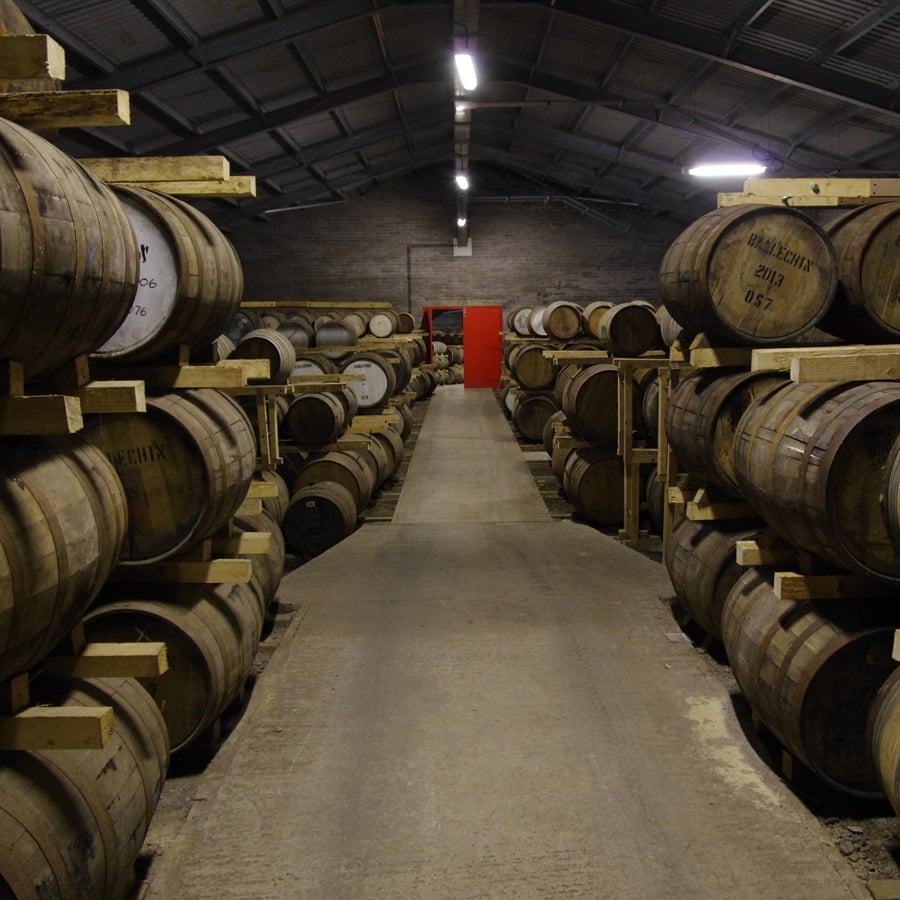
Casks in traditional dunnage warehouses of Signatory Vintage
Generally speaking, every single malt whisky you'll find on the shelves of The Whisky Exchange or elsewhere will be classified as either an official bottling or an independent bottling. Your favourite Highland Park 12 Year Old and Clynelish 14 Year Old are official bottlings (sometimes called distillery bottlings) – distilled, matured, vatted and brought to market by the respective owners of those distilleries. Independent bottlings, however, are whiskies offered by companies that buy casks from distilleries, brokers or individuals and sell them under their own labels.
Many enthusiasts love independent bottlings because they give a different perspective on the single malts they know and love. If you enjoy Laphroaig, then a heavily sherried single cask Laphroaig from an independent bottler showcases a different side of that distinctive distillery character.
How does independent bottling work?
For much of the 20th century, the Scotch whisky industry focused exclusively on producing blends. Long before the concept of single malt caught on, independent bottlers were buying casks and bottling ‘pure malt’ or ‘unblended’ expressions from Scottish distilleries. In doing so, they saved some of history’s greatest spirits from being blended into anonymity. In fact, it’s largely thanks to independents that we have beautifully preserved examples of whisky from iconic distilleries made during the golden era of the 1960s and 70s.
Even today, distilleries don’t necessarily retain ownership of every cask of whisky they produce. Some are filled and immediately sold on for bottlers to age in their own warehouses, while others are allowed to age and then sold on as mature single malt. This will usually be because a warehouse manager or blending team determines that their casks do not align with their future release plans.
Too many sherry butts of peated whisky in your inventory when the market is favouring a lighter style? Not to worry – in steps in the independent to take the stock off your hands. While surplus to the requirements of the original producer, these stocks can be a boon to the indie bottler, who will offer them as an exciting proposition to fans of their distillery of origin.
Cask trading and independent bottling has been an important part of the whisky business since the beginning. It helped to establish single malt as a concept and build the international community of whisky enthusiasts we have today. For many fans, getting into indie bottlings is a great way to delve deeper into the world of single malt and enjoy whiskies that exist outside the mainstream.
Distillery names in independent bottling
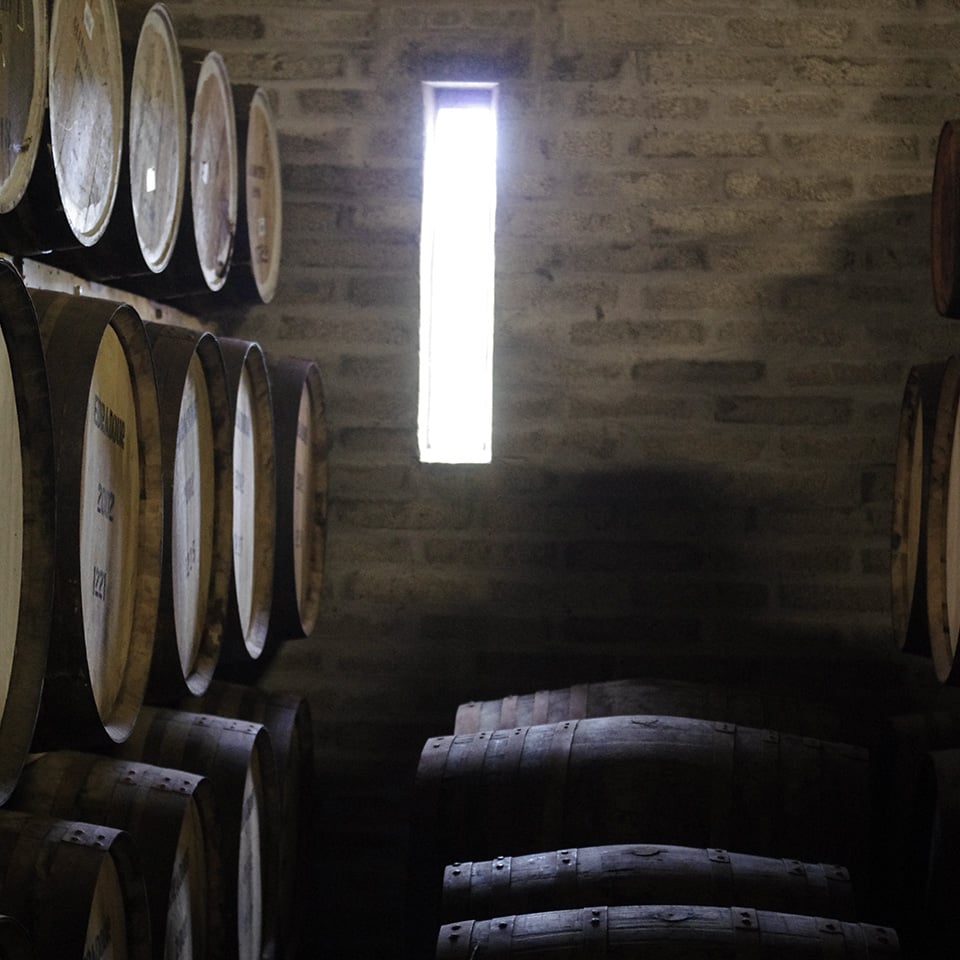
Distilleries often sell their whiskies to bottlers under alternative names, either to distinguish these releases from their official range or to comply with trademark restrictions. Highland Park, for instance, often appears as ‘Unnamed Orkney’ or ‘Whitlaw’. Williamson, Westport, Burnside and Wardhead are all names that correspond to individual distilleries, all among the most famous in Scotland.
Teaspooning
Another way that distilleries protect their brand when selling to independent bottlers, is through a practice known as teaspooning. This is when a warehouse worker will add a few drops of whisky from another distillery to a cask of single malt. This final addition ensures that the cask no longer contains whisky from one distillery, meaning it is now a blended malt. The added whisky doesn’t significantly affect the flavour, as the quantity is trivial compared to the original contents of the cask, but it prevents bottlers from marketing the whisky using a distillery name.
Independent bottlers and lost distilleries
There is a clear reciprocal relationship between independent bottlers and distilleries, and examples like the once-closed Port Ellen highlight how independent bottlers can shape a distillery’s reputation. Through their releases, bottlers such as Gordon & MacPhail, Signatory Vintage and Cadenheads played a key role in elevating Port Ellen’s status, ultimately influencing Diageo’s decision to reopen the distillery after decades of closure.
The history of independent bottling
In the days when blends were king, malt distilleries weren’t especially designed to release their own whisky under their own brands. Instead, they produced spirit to be sold to speculators, private individuals, blending houses or sometimes their own blending operations.
In the middle of the 20th century very little thought was given to the distillery as a brand in itself, as most new-make spirit was sold to third parties. This model persisted until the 1970s and 80s when the whisky market began to shift. Speculators often purchased new-make spirit, laying it down in casks with the hope that it would be needed by blending houses in the future. Brokers facilitated these transactions, acting as intermediaries between distilleries, speculators and blending companies.
The whisky industry faced a significant downturn during the 1980s known as the 'whisky loch', when oversupply caused a steep decline in demand. This made companies hesitant to invest in whisky production, leaving only a handful of brokers and blenders in the market. It was during this time that independent bottlers began to gain traction. Companies like Gordon & MacPhail and Wm Cadenheads – already established players – seized the opportunity to purchase surplus stocks at good prices.
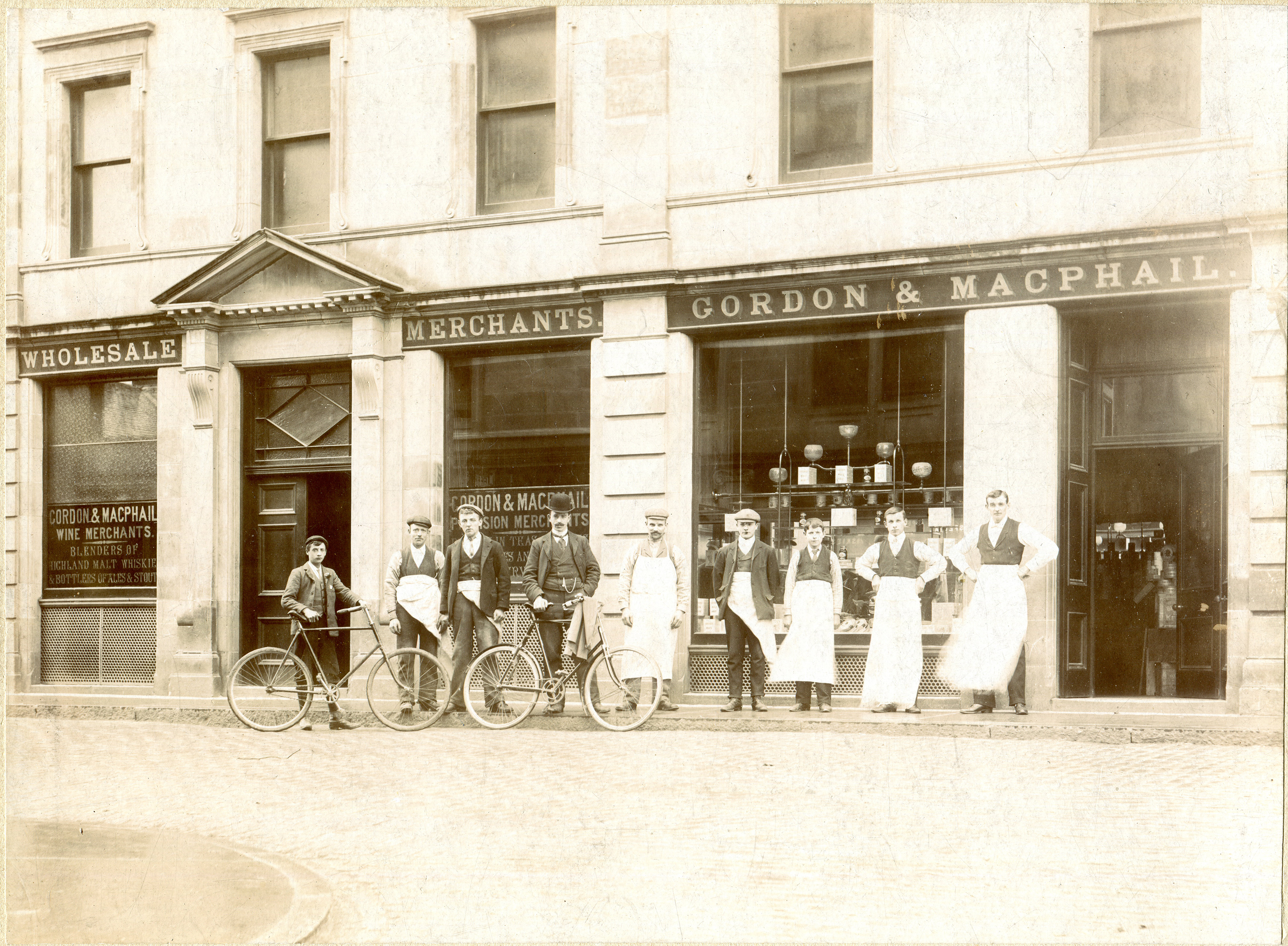
Gordon & MacPhail had been advocating for single malt whisky long before it became fashionable, effectively acting as champions for distilleries that weren’t at all marketed by the companies that owned them. If you wanted a bottle of Mortlach in the 1960s or 70s, Gordon & MacPhail was your go-to source. This symbiotic relationship helped pave the way for other independent bottlers, such as Cadenheads, to carve out a niche in the market by offering single cask, cask-strength, and small-batch releases. By the 1980s, these bottlers were exporting whisky to growing markets in Italy, Japan, and Germany, helping to popularise single malts internationally.
The independent bottling landscape further expanded with the establishment of Signatory Vintage in 1988. As the appeal of premium whisky grew, so too did consumer interest in single malts. Retailers began upselling single malts to customers who already enjoyed premium blends. Independent bottlers were also great at supporting retailers, which helped single malts flourish. These efforts turned what was once a niche product into a popular and enduring category, and as the market for single malts grew and new whisky distilleries opened worldwide, the number of independent bottlers increased as well.
Notable independent whisky bottlers
Signatory Vintage
One of the bottlers we work closely with here at The Whisky Exchange, Signatory Vintage is renowned for having some of the best casks of Scotch whisky in the business and curates an exceptional range of single malts.
The company was founded in 1988 by Andrew Symington, former manager of the Prestonfield House hotel in Edinburgh and curator of its whisky collection since the late 1960s. Signatory has built on Andrew’s reputation for selecting and releasing outstanding drams. Today, the company also owns Edradour distillery in Pitlochry, and you’re just as likely to find Andrew running the stills as you are to see him in the warehouses choosing the next whiskies to bottle.
Decadent Drinks
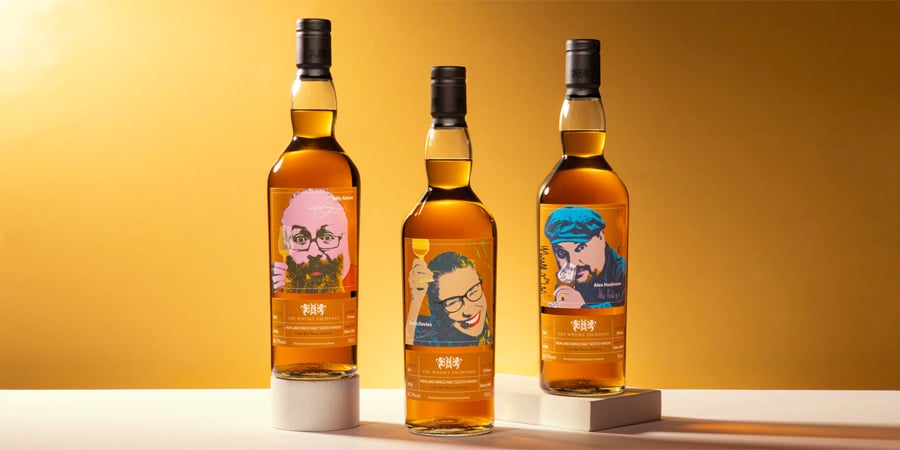
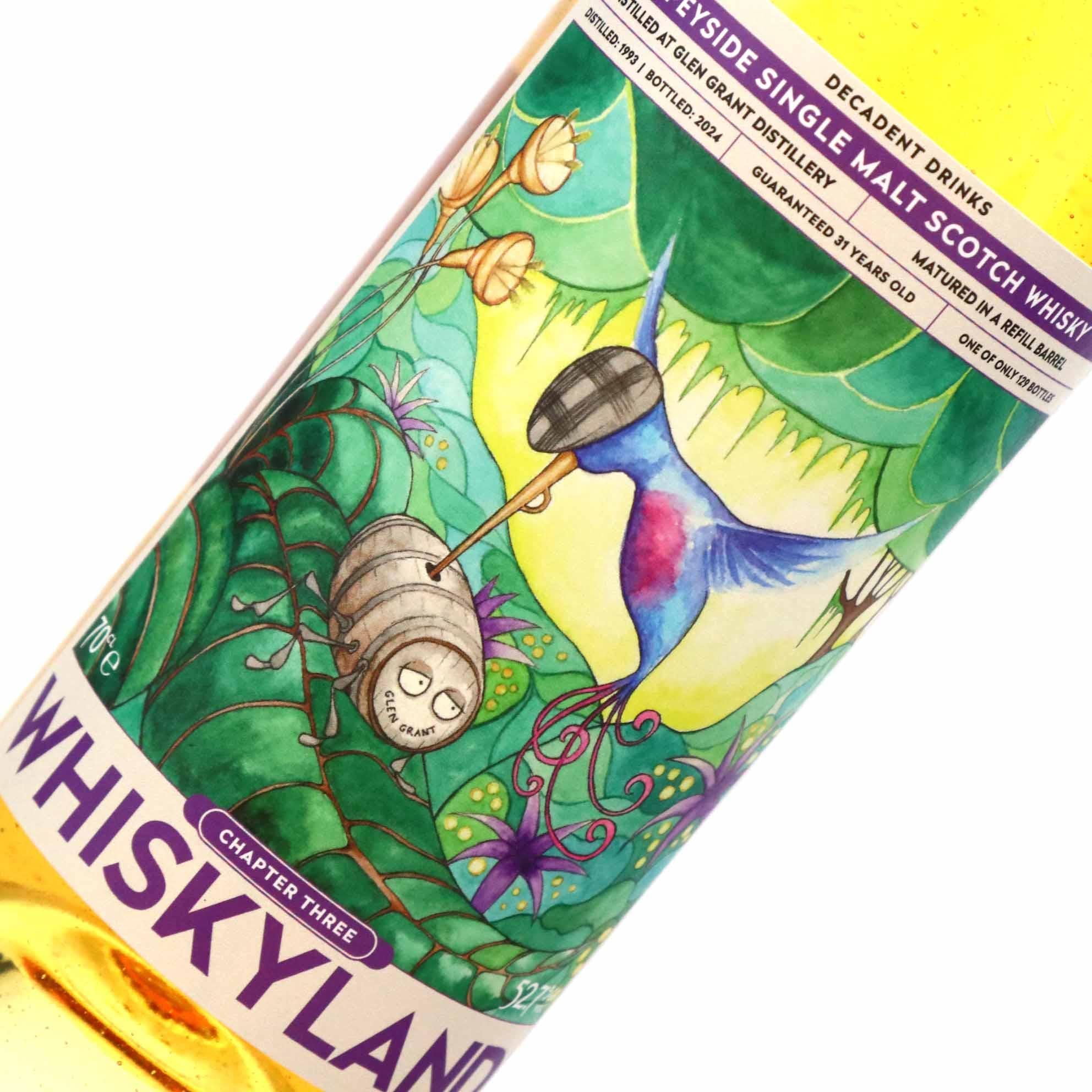
Decadent Drinks is a modern indie bottler founded by whisky writer Angus MacRaild that prioritises distillery character above all else. Its single malts are often matured in refreshingly simple refill casks which promote the development of distillery character over the influence of oak. While Decadent Drinks takes a lively, conceptual, and often playful approach to their labels, the spirits inside truly speak for themselves.
Gordon & MacPhail
Arguably the most renowned independent whisky bottler, Gordon & MacPhail began as a grocer in Speyside in 1895. in the 1950s and 60s, it was the main bottler of whisky from what are now some of the best-known distillers in Scotland. Long before Macallan was bottling its own single malts, Gordon & MacPhail were shipping the distillery’s whisky around the world.
The company now owns Benromach distillery and has expanded far beyond its origins as an Elgin grocer, and while it remains family-run by the descendants of one of the original employees, it is now one of world’s largest independent whisky bottlers. Its vast warehouses house an impressive selection of whiskies with vintages stretching far back into the 20th century still maturing, waiting for the perfect moment to bottle.
Elixir Distillers
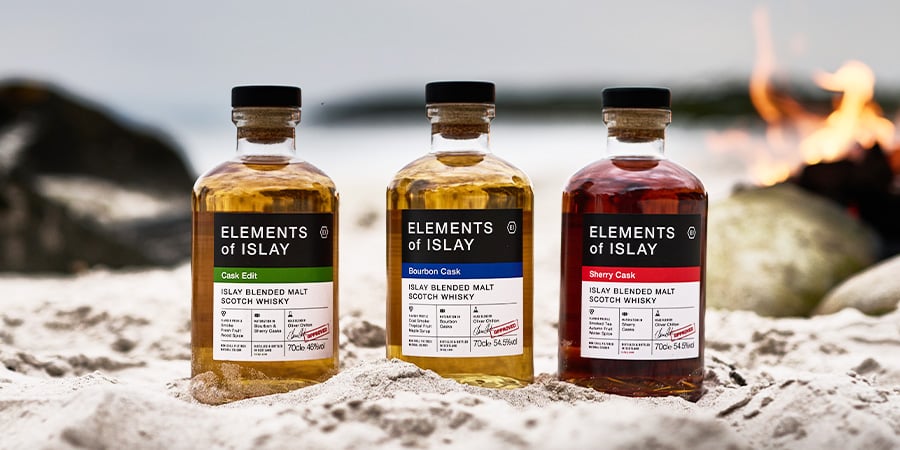
Owned by the founder of The Whisky Exchange, Sukhinder Singh, this bottler releases a diverse selection of whiskies and other spirits. This includes Port Askaig, Elements of Islay, The Single Malts of Scotland and Black Tot rum. Driven by Sukhinder's in-depth knowledge of whisky, the award-winning range continues to expand. The company also now owns two distilleries: Tormore in Speyside and the forthcoming Port-n-Truan on Islay.
Douglas Laing
Originally united under the Douglas Laing banner, brothers Fred and Stewart Laing split the company when their children came of age. Fred and daughter Cara now lead Douglas Laing, while Stewart is joined by his sons Scott and Andrew at Hunter Laing.
The bottler and blender is known for its range of blended malts, including Big Peat and Scallywag, as well as single malts under the Old Particular and Provenance labels. The Laing warehouses were always well stocked, and the recent gems suggest Fred received his fair share of casks when the company was divided.
Hunter Laing
Hunter Laing focuses on single casks of whisky and have retained the Old Malt Cask and Old & Rare ranges, adding The Sovereign and single grain whisky to its portfolio. While Douglas Laing may have more elaborate packaging, Hunter Laing takes a more traditional independent bottler approach. Hunter Laing also owns the Islay distillery Ardnahoe and has brought in Bruichladdich’s former master distiller, Jim McEwan, as an advisor, signalling exciting times ahead for the company.
Thompson Bros
Phil and Simon Thompson gained recognition for establishing one of Scotland’s finest whisky bars before venturing into distilling and independent bottling. They focus on carefully selecting exceptional casks and bottling the whisky with minimal intervention. Recent years have also seen them draw on their stocks to create unique small batch blends and blended malts. Thompson Bros whiskies are also beloved for their eye-catching artwork, some of which pays homage to historical bottlings and classic single malts. Alongside their releases of single casks and small-batch whiskies, they own the expanding Dornoch Distillery, where they are dedicated to reviving traditional distillation methods.
Adelphi
An independent bottler with a long history, able to trace its beginnings to the building of the Loch Katrine Adelphi distillery in Glasgow in 1826. By 1932, the distillery had ceased production and by 1971, it had been demolished – the Central Glasgow Mosque now sits on the site. However, the name was revived in 1993 and since then Adelphi has been bottling excellent whiskies. In 2014, it opened Ardnamurchan distillery, starting a new chapter in the company’s story.
The Heart Cut
The Heart Cut, founded in 2023 by Georgie Bell and Fabrizio Leoni, is an independent bottler highlighting emerging whisky distilleries around the world, and offers whisky enthusiasts the chance to explore exciting new expressions in idiosyncratic styles. The inaugural releases feature whiskies from Denmark, London, Finland, England and the United States.
The future of independent bottling
There are more independent bottlers than ever before, and with increased competition comes innovation. Established bottlers, with tens of thousands of casks accumulated over decades, can plan their releases with greater ease, while the new generation focus on attracting a broader audience to the whisky world, using vibrant conceptual artwork and experimenting with a diverse range of cask styles.
Long-time fans might find their favourite Islay malts aged in mezcal barrels, or their preferred Speysider matured in fruity calvados casks. Single malts have never been aged in such a diverse range of casks from around the globe – an innovation driven by independent bottlers.
Whether it’s single casks, small batches, whiskies that defy a distillery’s usual character, boutique blends, blended malts or overlooked single grains, independent bottlers have something to offer every whisky enthusiast. By bringing us casks distilleries can’t or won’t release, they provide a fresh perspective on Scotch whisky, opening the door to an incredible variety of rare and intriguing drams.