


 United States — would you like to set this as your default country of delivery?


 Trade
Trade  Shops & Events
  Customer Service
 What Is Cask Finishing? The Science of Secondary Maturation
By transferring their whisky from one cask to another, producers open up new possibilities of flavour


Sherry casks at bodegas Fernando di Castilla, highly sought after for finishing single malt whisky
Finishing is a simple process by which we can change the flavour of an aged spirit. In short, it is the act of moving a maturing spirit from one cask into another to encourage it to take on flavour. It’s a process with lots of flexibility and the potential to create great-tasting results.
As a spirit or wine interacts with a cask, it extracts flavours from the wood and also soaks into the staves. While this gives flavour to the spirit that is in the cask, it also leaves extra flavour in the wood from that first filling once the cask is emptied. Once it is filled again, the new spirit will take on some characteristics from the previous occupant, as well as flavours from the wood itself.
Finishing is all about getting the character of multiple casks into a spirit. Producers in Scotland might fill new make spirit into a bourbon barrel, where it will mature into whisky, gaining flavours of vanilla and spice in the process. After that initial ageing, they can transfer it to an oloroso sherry butt, where it will take on different oak notes, as well as a darker colour, and the distinctive and complementary flavour of sherry.
A history of cask finishing
While we see cask finishing used in everything from rum to Cognac, the current popularity has come from Scotch whisky.
Behind the scenes, producers would move spirits between casks to ensure that they developed appropriately during maturation, but this was not something that was ever really talked about publicly. If a cask was not giving the spirit inside the required character, it would be moved into a new cask, where it would hopefully become the spirit the producer required.
However, in the 1990s, as whisky became more popular, and drinkers became more interested in what was inside the bottle, a couple of producers started talking about how they created their whiskies using cask finishing: Glenmorangie and Balvenie.
Glenmorangie released a series of special-edition whiskies, each aged in a different combination of casks, generally starting from bourbon casks before spending time in casks made from different types of oak and those filled with different wines.
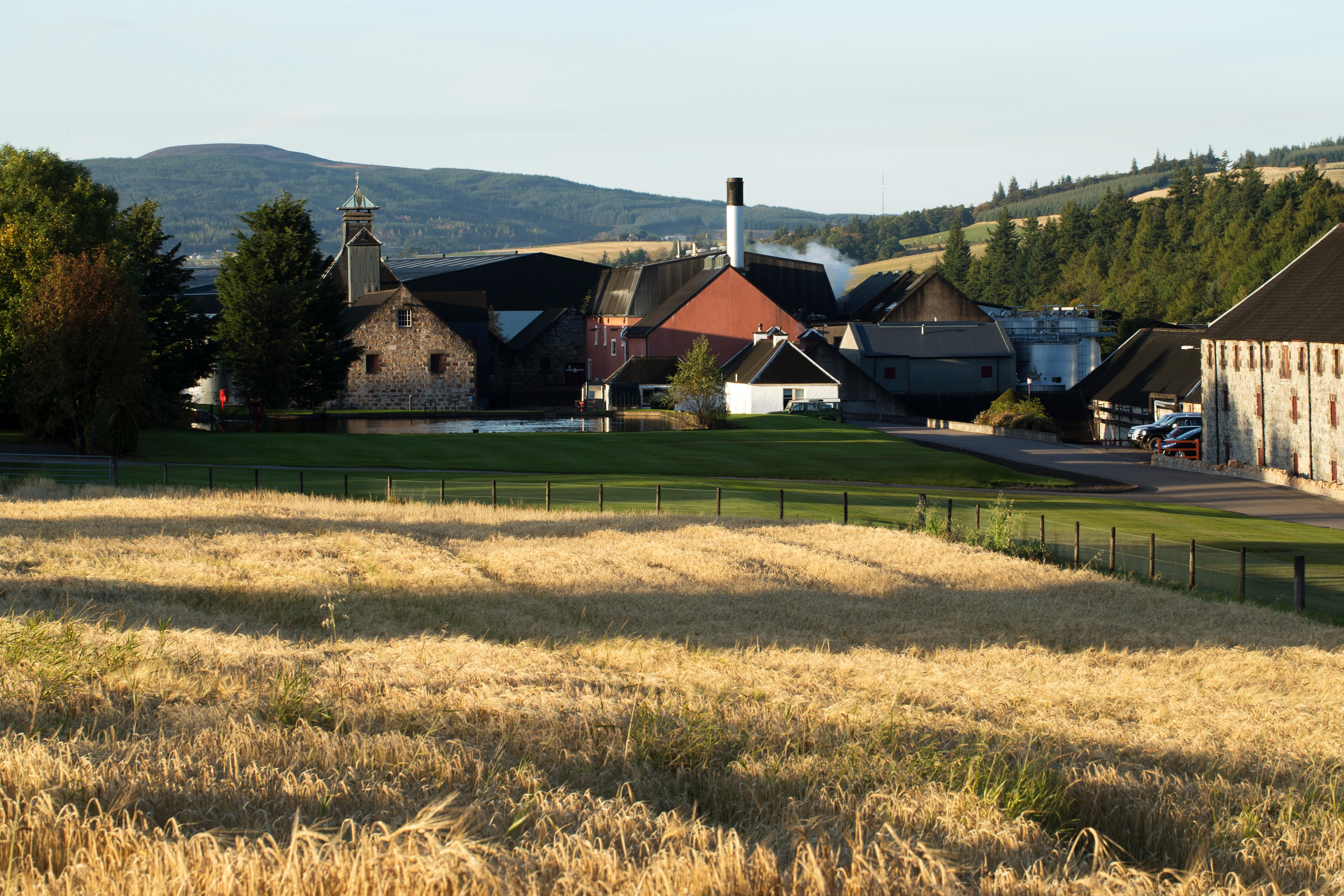
Balvenie, which had been using the sherry finishing to create its Balvenie Classic for a while, launched Balvenie 12 Year Old DoubleWood, a flagship whisky that championed the use of cask finishing to create new flavours, in 1993. This was followed by other ongoing whiskies, and the distillery is still known for its focus on cask finishes.
With these two distilleries leading the way, and consumers now keen to know how their whisky had been created, other companies – many of which had been finishing whiskies and experimenting with the process for a long time – started to release cask finishes. Over the years this has now become common practice in the wider whisky industry, not only behind the scenes but also a selling point to consumers. As the popularity rose, the idea spread over into other categories, and we now see widespread use of cask finishing to create new flavours in spirits.
Sherry casks
The most commonly used finishing cask is sherry – the famous Spanish fortified wine. These casks are commonly used in the whisky world, introducing rich, dark fruit flavours. When used for a full maturation, they can produce incredibly dark and rich spirits, however, when used for a finish, this effect is reduced. This allows for spirits that combine the sherry-cask character with the character of the initial cask. This generally adds complexity, and create styles of spirit not possible with a sherry cask alone.
Sherries are not all the same, with a number of different styles available. However, in the finishing world, most casks used to hold oloroso, a dry, rich and fruity sherry, with a character that matches up with the traditional flavours associated with a sherry finish.
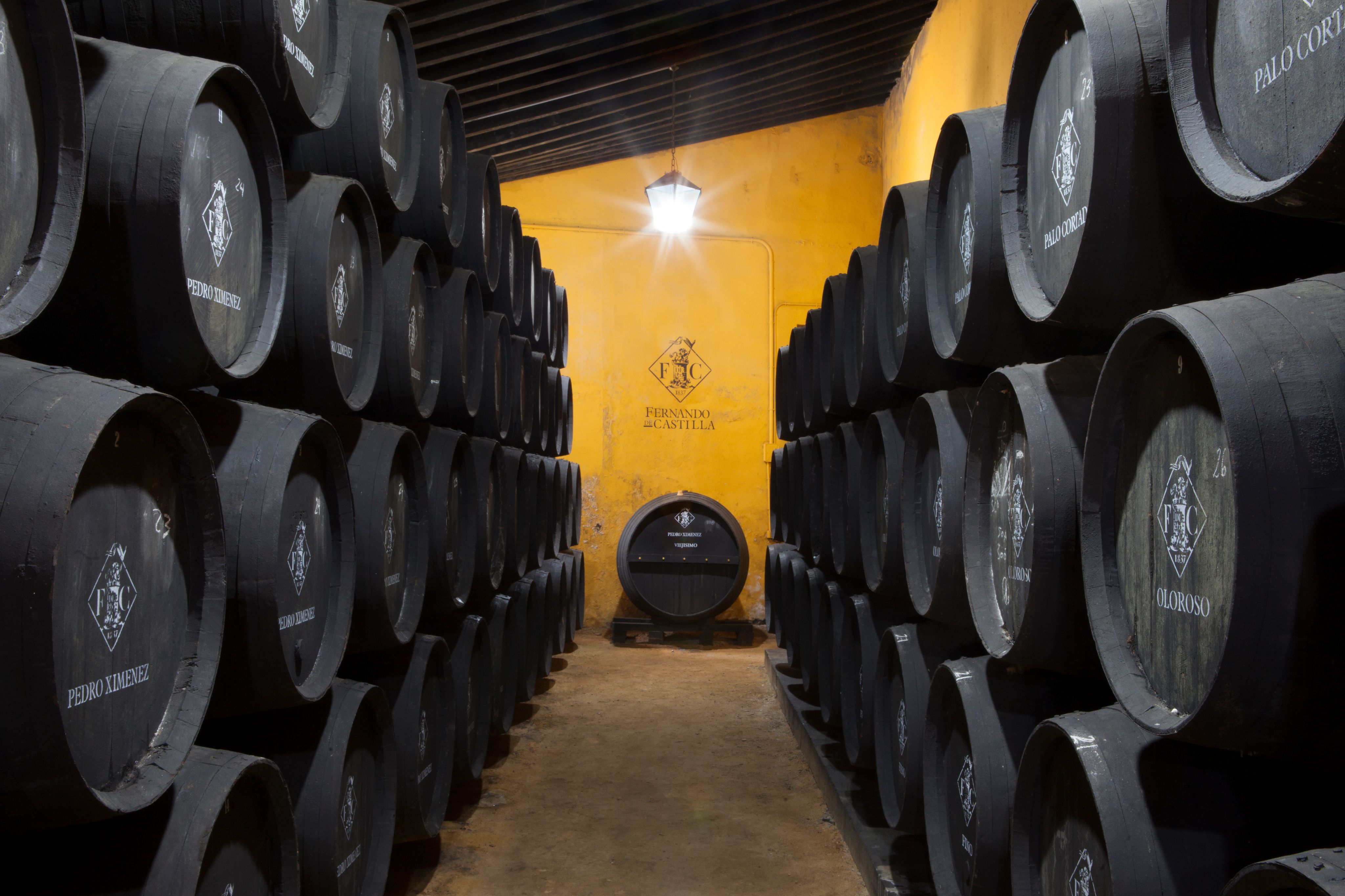
Outside of oloroso, palo cortado and amontillado also give a similar character. Pedro Ximénez, aka PX, is a dark, rich and sweet style that will impart those qualities to a maturing spirit. Fino sherry is also used for finishing, although rarely. It is dry and fresh-tasting sherry and can give some of the more traditional darker fruity flavours, but also brighter fruit.
Almost all sherry casks used to mature spirits are made to order by seasoning fresh casks with sherry, breaking them down into staves and shipping them to cooperages around the world for reassembly. Some whisky producers have gone to great lengths to source casks actually used by sherry producers to mature their wines, including old casks from traditional ageing systems known as soleras. After decades being filled and refilled, these solera sherry butts can impart quite different flavours to a whisky than a conventional seasoned cask and – while uncommon – they often pique the interest of connoisseurs.
Dutch producer Millstone is notable for maturing its whiskies entirely in casks that have seen extensive use in sherry bodegas. These robust single malts enjoy a cult following for their intensely sherried character.
Learn more about sherry in our guide to sherry
Which other casks are used to finish spirits?
Outside of sherry, a wide range of wines and spirits are used, each bringing their own character.
Bourbon casks
While most commonly used as an initial maturation cask, bourbon casks can also be used for finishing. They usually add creamy and brightly spicy notes.
Rum casks
An increasingly popular cask to use for finishing, rum casks will generally add sweet toffee notes to a spirit. However, the style of rum can influence the way that this is expressed, with sugar-cane juice rums often showing more grassy notes, and funky high-ester rums – packed with fruity flavour – adding their own particular character.
Port casks
Port casks impart the fruity and sweet character of this Portuguese fortified wine to spirits during finishing. This is not from the sugar in the wine, of which there is little left in the cask, but from a perceived sweetness created by the fruity flavours it adds.
Other fortified wine casks
In pursuit of new frontiers of flavour, producers of spirits including whisky, tequila and rum have begun sourcing novel fortified wines from around the world for finishing. Today, it is possible to find spirits partly matured in Portuguese madeira drums and Spanish moscatel butts – among others. Midleton distillery in Ireland has released a number of whiskies of significant age that show the potential of extended finishing in lesser-seen fortified wine casks. Notable examples include a 1991 single cask Redbreast finished in a Marsala cask and a 1999 Yellow Spot finished in a sweet Malaga cask.
Wine casks
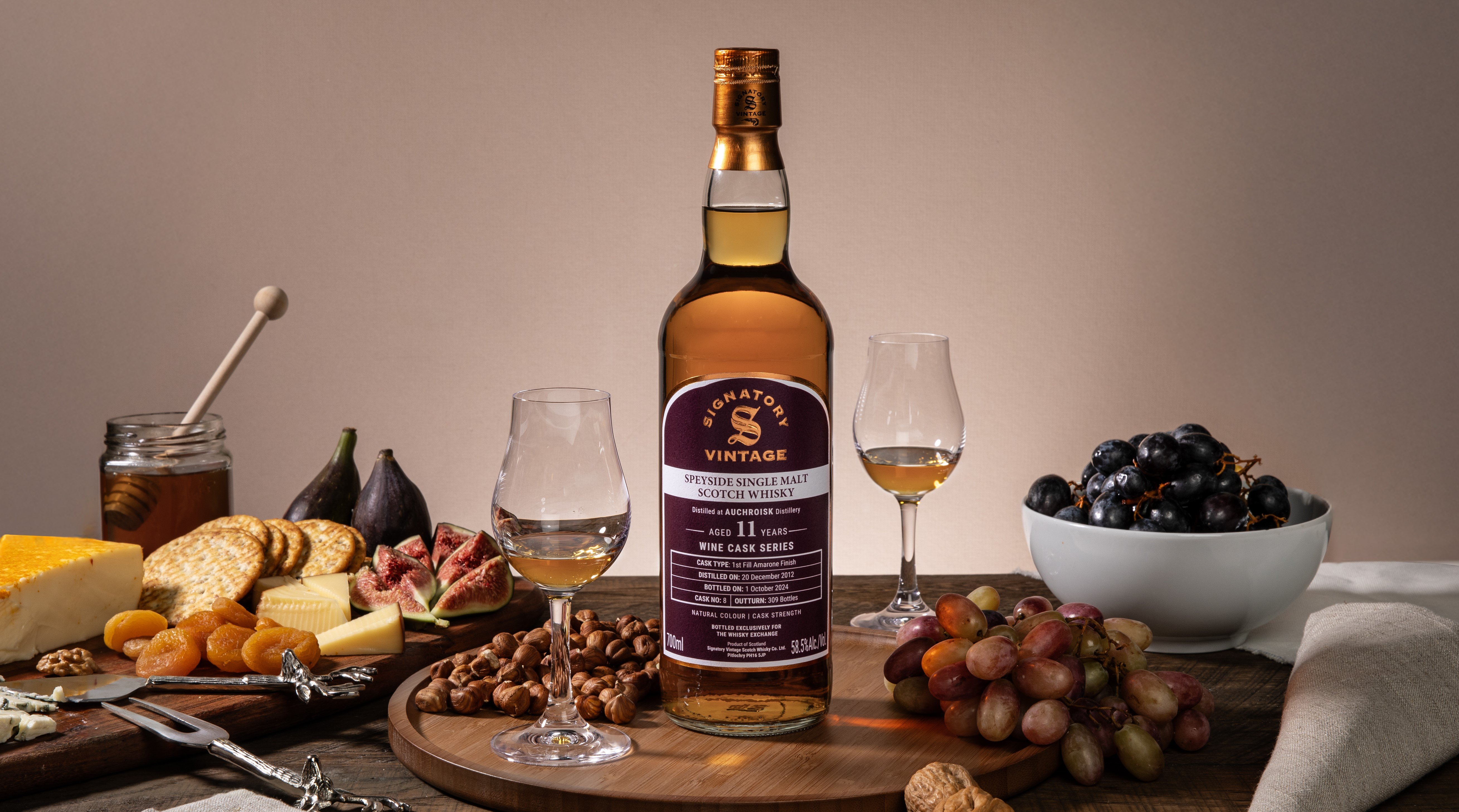
Outside of fortified wines, other wine casks have more recently been used to add character to spirits through finishing. Most commonly we see red wine casks, which depending on the style can add anything from dark berries to fruitcake batter, as well as simple, wine-sourced flavours: tannins and grapes. White wines are less commonly used, and generally lean more towards fresh fruit and sponge cake flavours.
Agave spirits
Still rare, but popping up across the whisky world, with some rum producers also experimenting, tequila and mezcal casks are being used to mature and finish spirits. While agave can be a comparatively delicate flavour, spirits finished in agave-spirits casks often take on a lot of that character – black pepper, vegetal notes and rich smoke are common. However, balancing those flavours with those of other spirits is hard, and results vary wildly.
The future of cask finishing
While cask finishing has been widespread for decades – if not longer – the continued rise in popularity now that drinkers understand the process doesn’t looking like it’s going to stop any time soon. With more producers across all spirits categories experimenting with both simple aging and finishing, we’re going to see more cask-finished spirits hit the market as the years go by. Not every experiment will be successful, but we look forward to seeing the great finished spirits still to come.


Balvenie 12 Year Old DoubleWood
£50.50

Glenmorangie Lasanta 12 Year Old
Out Of Stock


Auchroisk 201211 Year Old Amarone Cask Signatory for The Whisky Exchange
£84.95

Yellow Spot 199923 Year Old Malaga Cask Exclusive to The Whisky Exchange
£525

Red Spot 199131 Year Old Marsala Cask Exclusive to The Whisky Exchange
£945

Millstone 201012 Year Old PX Sherry Cask Exclusive to The Whisky Exchange
£87.95

