


 United States — would you like to set this as your default country of delivery?


 Trade
Trade  Shops & Events
  Customer Service
 The Ultimate Guide to American Single Malt Whiskey
American single malt may have only been legally defined since January 2025, but it’s a type of whiskey with an exciting history and a huge range of styles

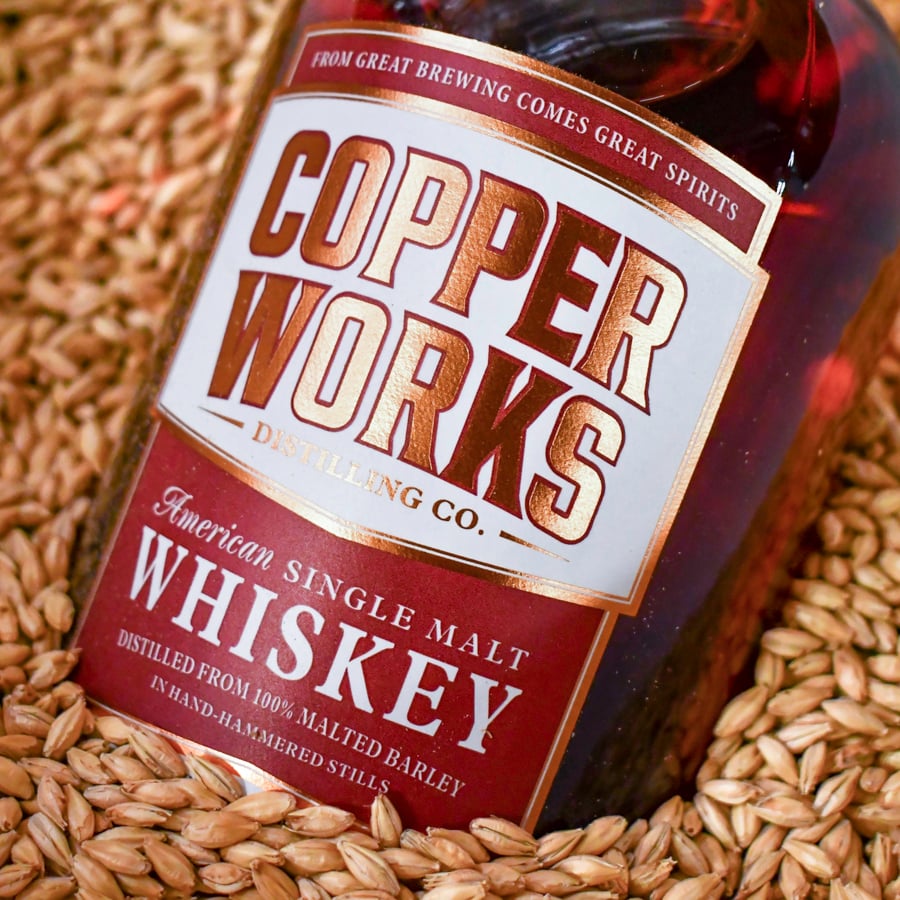
Copperworks American single malt was named The Whisky Exchange's Whisky of the Year for 2025
From the traditional American flavours of Midwestern producers to the Old-World character of Washington state, there’s as much variation across the USA as there is the rest of the whisky-making world.
Most countries around the globe follow the regulations and styles of Scotch and Irish whisky, with malted barley being the premium grain and single malt whisky usually seen as the pinnacle of whisky making. In this context, ‘malt whisky’ means a whisky made solely using malted barley – no other grains were used – and ‘single’ means that it was created at one distillery. There are other regulations that must be met in terms of manufacture and ageing, but this is the core of the legal definition. However, the USA has always been a little different.
With corn, wheat and rye as the country’s most popular grains, and a tradition of using a mix of them to make whiskey, US whiskey classifications focus on the raw material, specifically what the majority grain is in a recipe.
To make bourbon whiskey, your recipe must use more than 50% corn; rye whiskey needs more than 50% rye; and wheat whiskey more than 50% wheat. In the same vein, until January 2025, malt whiskey was defined as being made from more than 50% malted barley, with the rest being made up of other grains, based on the flavour the distiller wanted to create.
This definition didn’t line up with the rest of the world’s regulations, making things confusing and rendering American malt whiskey potentially difficult to export. Add to that the fact that ‘single’ had no legal meaning in the USA, and a spirit described as ‘American single malt whiskey’ could be a mix of whiskies from multiple distilleries made with as much as 49% corn.
This wasn’t an issue until distillers started to make whiskies that could be called single malts outside of the USA. They then looked to get the term ‘single malt whiskey’ enshrined in the US regulations, so that they could use it in the fashion already in use around the world.
What is American single malt whiskey?
After years of lobbying by the American Single Malt Commission and others, it was announced in December 2024 – a few months later than expected – that new regulations would come into effect defining American single malt whiskey. The US Alcohol Trade and Tax Bureau had previously received recommendations from across the whiskey industry and settled on the following definition for American single malt whiskey:
It must be made from 100% malted barley
It must be distilled at one distillery
It must be matured in new charred oak casks, new uncharred oak casks or used casks
It must be matured in casks with a maximum volume of 700 litres
It can use caramel colouring if it is disclosed on the label
In line with other styles of American whiskey, American single malt must also conform to the following:
It must be distilled to a maximum of 80% ABV
It must be filled in to cask at a maximum of 62.5% ABV
It must be bottled at a minimum strength of 40% ABV
These look very similar to the malt whisky regulations found in the rest of the world, with the ‘one distillery’ rule lining up with the definitions in Scotland, Ireland and other countries where it is defined.
Crucially, the American regulations still allow for a lot of variation in how the whisky is made, with no type of still or minimum age being set (unlike in other countries), which gives US whisky makers the chance to create styles that are uniquely American.
This also doesn’t change the old malt whiskey definition – as long as you don’t put ‘single’ on your malt whiskey label, everything continues as before.
Styles of American single malt whiskey
With American single malt still a very new legal category, there aren’t many whiskies out in the wild yet that don’t conform to the old regulations. One of the ways producers can now alter the character of their whiskey is by changing the types of casks they use. Previously, if they wanted to use the words ‘malt whisky’ on their labels, they had to use new charred oak casks, as is the case with many other styles of American whiskey.
As such, there aren’t many American single malt whiskies on the market today which haven’t been aged in new charred oak, although we expect to see more very soon. These will mostly come from distillers who were happy to describe their products just as ‘whiskey’ before the new regulations were passed but can now use the magic words ‘American single malt’ on the label.
Otherwise, there are a couple of main schools of American single malt whisky making that are emerging:
Old World-style whiskies
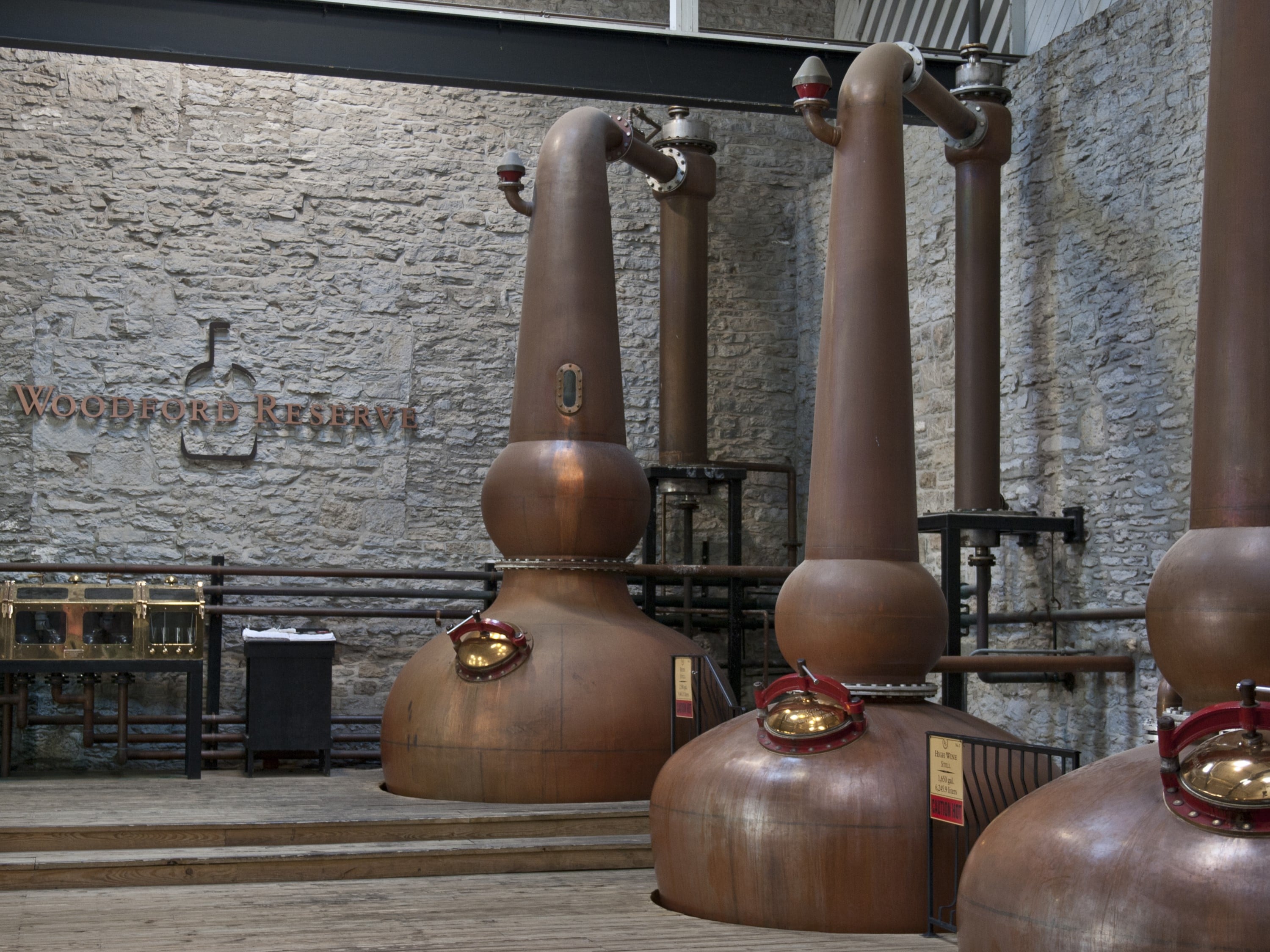
These are whiskies that follow the Scottish and Irish style of whisky making, using copper pot-stills, and traditional production processes. They have then be matured in new oak, unlike most of the whisky produced in the Old World, and it’s this factor that probably influences their style and character more than any other. We will see more of these whiskies being matured in used casks over the coming years.
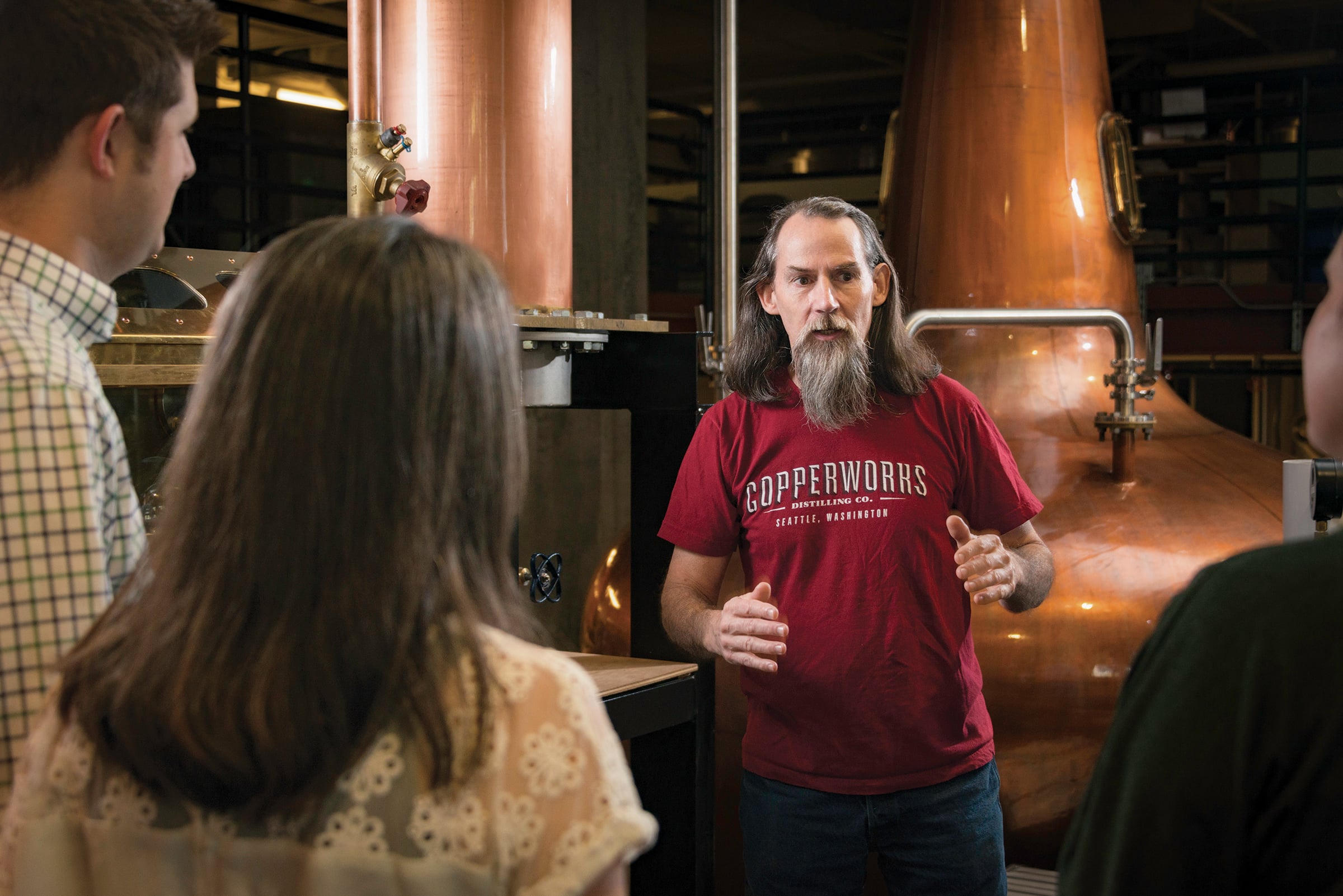
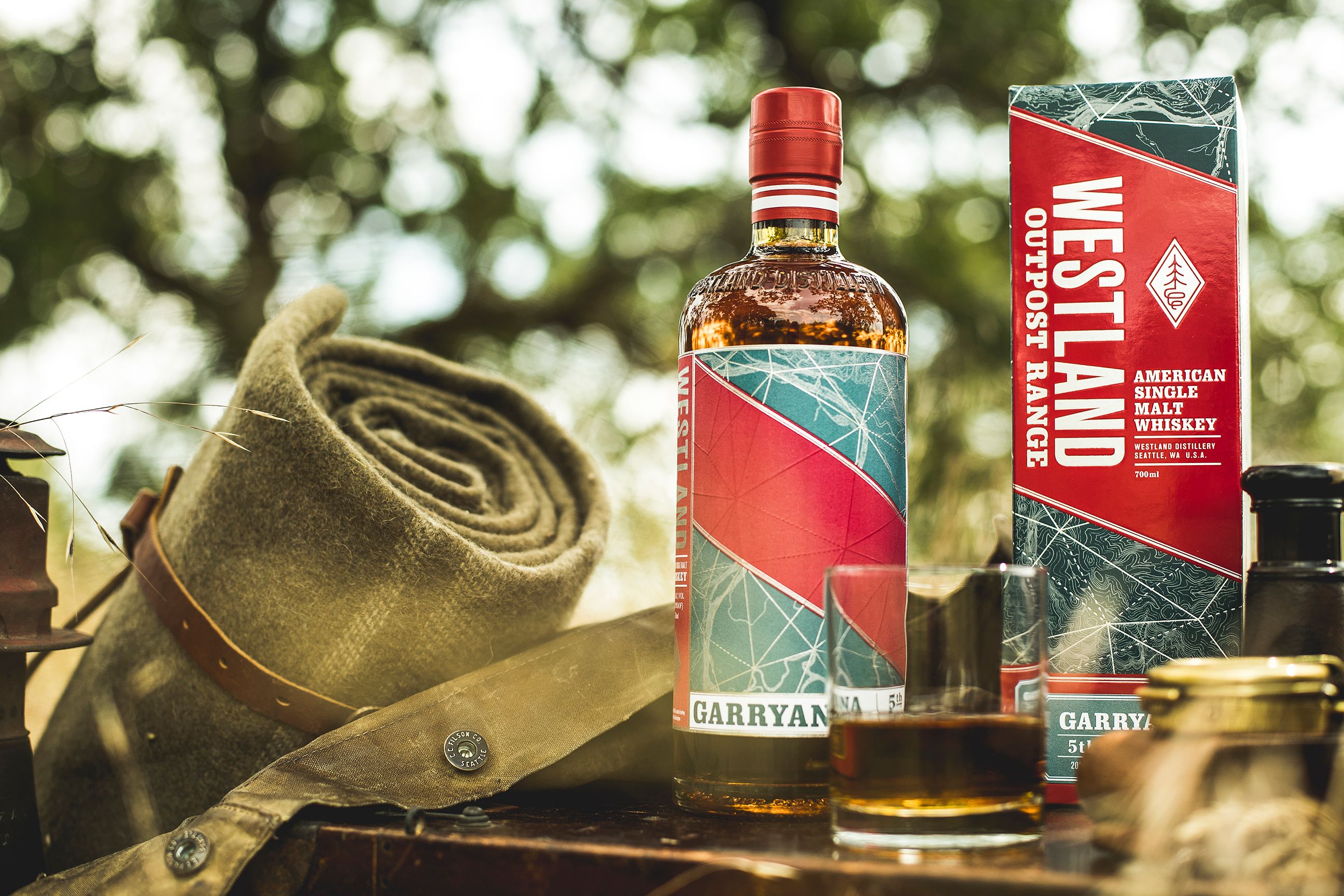
While early pioneers like St George’s Spirits in San Francisco and Virginia’s Copper Fox (who smoke their barley with fruit wood), were found around the country, in more recent years there has been a concentration of these more traditional spirit makers in the north-west. Seattle and Portland’s brewing and distilling scene combined to give us Westland, Westward and Copperworks among others, all flying the flag for more old-fashioned whisky making, but with a bit of an American twist.
These whiskies are usually much more grain-focused, when it comes to flavour, with lots of chocolate notes as well as crushed barley, flapjacks (granola bars, for American readers) and biscuits (cookies). They can also get very fruity, thanks to many of the distillers coming from a brewing background and using that knowledge during the fermentation step of production to create those flavours.
Traditional US-style whiskies
Many American distilleries are not set up to make a traditional single malt. In the US, we often find column stills used, which produce quite different styles of spirit to the old-fashioned pot still we find in Scotland and Ireland. As such, distillers wanting to experiment with single malt on top of their bourbons and ryes need to adapt the process to be a bit more American.
With these types of whisky, we see less traditional processes like cooking the grain (a must for unmalted grains, but not necessary in malt whisky production), distilling the whole mash rather than filtering it first (something often seen in bourbon and rye, as well as grain whiskey in Scotland and Ireland) and even sour mashing (adding some of the leftover undistilled liquid from the still to the fermenter to help the process), which is not generally seen outside of the USA.
The biggest example of this is almost certainly MGP Ingredients, whose huge Indiana distillery makes whisky for brands across the USA. While it makes lots of types of whiskey, it has been making a 100% malted barley spirit since mid-2014, which is used by Limestone Branch distillery for its Yellowstone single malt whiskey. However, other distillers are experimenting, with New Riff already having a sour mash single malt available, partly matured in used casks.
These whiskies are generally much more similar to traditional American whiskies in flavour, with sweetness, vanilla and spice from the oak cask balanced by fruity spirit.
The future of American single malt whiskey
The two philosophies are very fluid, being part of a spectrum of production than definitive categories. Every distillery is doing its own thing, using bits of traditional American whisky-making know-how alongside knowledge developed elsewhere in the world. The wide range of flavours already available is impressive and the rules now give American producers even more scope to create something uniquely American, with the only thing really tying them all together being a mash of 100% barley malt.




