


 United States — would you like to set this as your default country of delivery?


 Trade
Trade  Shops & Events
  Customer Service
 What Is Rum? A Comprehensive Guide to History and Styles
From Caribbean molasses rum to grassy rhum agricole, clairin and more, we dive in to this hugely diverse and much-loved spirit, distilled in an array of styles in almost every corner of the world

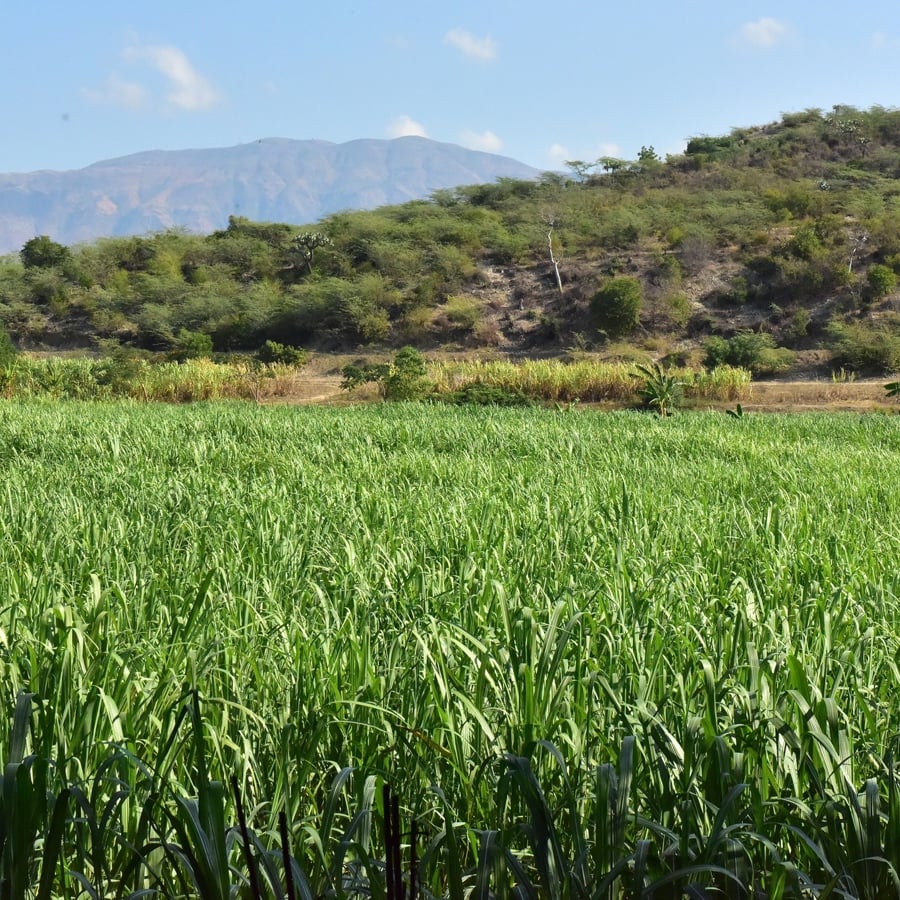
Sugarcane fields in Haiti
Anywhere in the world that sugarcane is planted you’ll find someone distilling a form of rum, whether it be Jamaica, Japan, Australia or Mexico. Rum is the blanket term for all spirits distilled from sugarcane, and it can be derived from fresh sugarcane juice or molasses produced as a byproduct of sugar refining. It can be made with small copper pot stills or giant industrial columns. It can be aged in oak or completely un-aged, and it ranges in flavour from light and grassy to dark, aromatic and intense. In fact, it’s arguable that rum is most diverse spirit on earth.
Given this great variety, it’s not surprising that rum is enjoyed in innumerable different ways. This includes simple highballs like the Cuba Libre and classic cocktails like the Daiquiri and the Mai Tai. Some styles are also intended to be sipped neat, in much the same way as a single malt or cognac. In recent years we have even seen independent bottlers that began dealing in Scotch whisky are now offering single cask rums that celebrate regional styles and individual distilleries.
A brief history of rum
The first rums were almost certainly made in Asia, close to where sugarcane was originally domesticated, in what is now Papua New Guinea. There are 16th-century accounts of Portuguese sailors trading for ‘arrack’ and other spirits we can surmise were made from sugarcane or a combination of sugar and grain.
But rum as we understand it today was born in the colonial crucible of the Caribbean, where the European powers of the 17th century established vast plantations for the cultivation of cane. Britain, France, Spain, Portugal and the Netherlands carved up the region, driven by the desire to supply sugar and cash crops like tobacco, coffee and indigo to their imperial centres.
These empires forced native populations and people captured in Africa to carry out the brutal labour of growing, cutting and processing cane. The history of rum is the history of imperialism, it may not be palatable, but it bears consideration to this day.
By the 18th century, rum flowed freely in the bars and clubs of London, Glasgow and Edinburgh. The natty gentlemen of the day drank rum punch made with other spoils of empire like tea, lemons and nutmeg.
Molasses from the French Caribbean was exported to New England, where a thriving culture of rum distilling prospered in the North American colonies. The East India Company built vast docks and warehouses in London to cope with the volume of rum and refined sugar arriving on ships returned from the Caribbean.
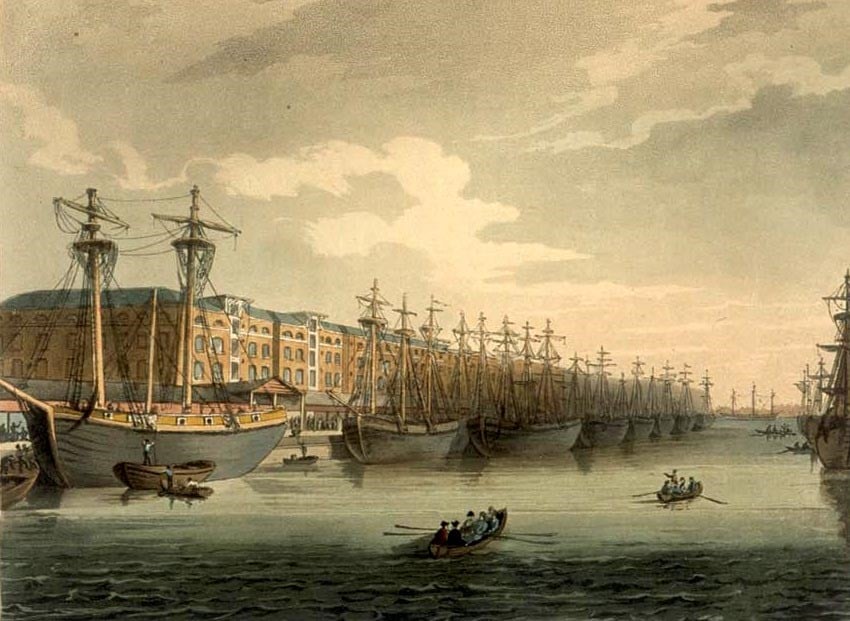
Sugar had become almost as important to the industrial revolution as coal or oil, as workers in Europe relied on sweet tea and confectionary to sustain them as they toiled. And so, sugar and rum production boomed.
The gradual outlawing of slavery by colonial powers in the 18th century prompted a move to indentured servitude as the preferred source of labour. Many Caribbean plantations closed or amalgamated; their owners compensated handsomely for the ‘loss of income’ that abolition represented.
In 1802, French factory owner Jules Paul Benjamin Delessert presented Emperor Napoleon Bonaparte with two loaves of domestically produced white sugar, derived from the humble sugar beet. These events spelled a seismic shift in the economy and agriculture of the Caribbean and a need for rum to evolve.
Production shifted towards national sugar concerns and amalgamated distilleries. Many regions adopted new column stills capable of continuous distillation. As former colonies became independent, they sought to define their local spirits as a part of their culture. Cuban rum emerged as a light and dry column-distilled spirit and a point of pride for Cuba’s population as they used it to toast their independence from Spain. The French overseas departments no longer had to refine sugar and so made rum from fresh cane juice using short column stills, establishing the grassy and herbal rhum agricole as a style.
Rum distilling cultures followed the spread of sugarcane throughout the tropical regions of the world, taking root in South and Central America, Australia, Africa and various parts of Asia. Today, we even find rum being made with imported molasses in North America, Great Britain and the Nordic countries.
Styles of rum and where to find them
Separating rum into categories is no easy feat. A rich oak-aged Barbados rum and a funky, grassy Haitian clairin have as much in common as naan bread does to a baguette. This is to say that they share common ingredients and are made based on similar principles, but they offer wildly different experiences.
Attempts to break down this great diversity sometimes talk about nations, methods of manufacture or – rather unfortunately – the colonial history of certain regions. There’s no way to enumerate every kind of spirit you will encounter during your travels in the world of rum, so we’ll focus on key areas where rum is made.
The Caribbean
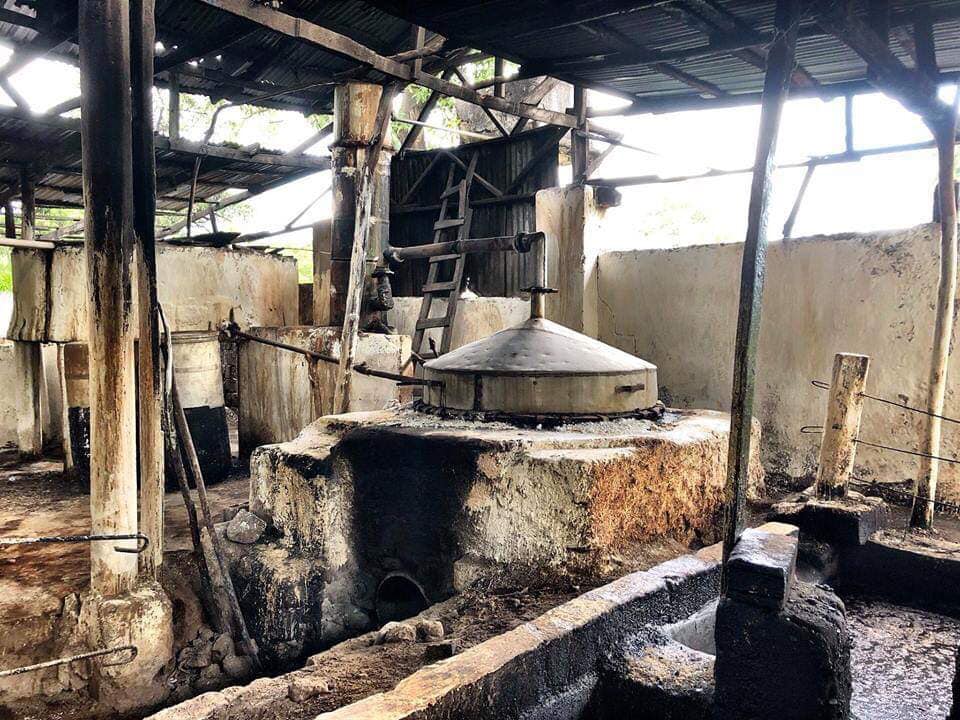
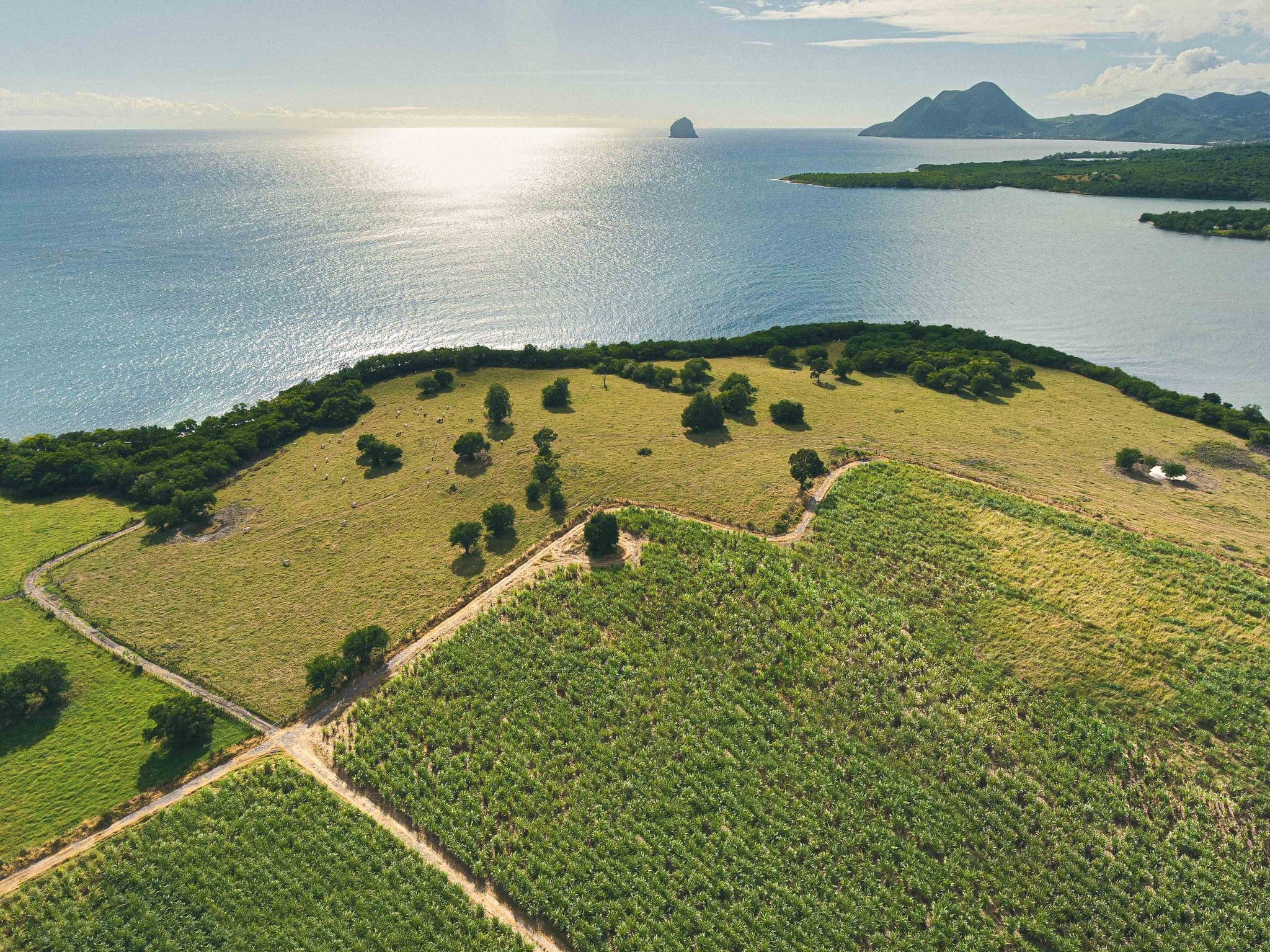
Hop your way across the Caribbean archipelago and you’ll find rum distilleries in at least 14 of its nations and overseas territories. The history, economics, landscape and local culture of these places all play a part in shaping the styles of rum they produce.
The former British colony of Barbados is often cited as the birthplace of rum. While there is plenty of evidence of cane spirits that predate European settlement of the island, Barbados is certainly the site of the first modern rum industry and the place where blended aged pot- and column-distilled spirits originated. Today, there are many styles of rum produced in Barbados, but the median is an evolution of these aged, blended molasses-based spirits known for balance and refinement. Mount Gay and the cult favourite Foursquare are both fantastic distilleries to explore if you want to get acquainted with Barbados rum.
Jamaica also produces a range of different styles (reminding us once more that this is a spirit that defies generalisation) but it is most famous for intensely aromatic pot-distilled rums. It’s not unusual for distilleries on the island to produces various different makes – or marques – with varying levels of esters, compounds that correspond to certain flavours and aromas. Depending on the concentration of these esters, Jamaican rums can taste like ripe bananas and mangos at the milder end and rotting pineapples, olives and superglue at the extremes. These rums may sound strange, but it’s those idiosyncratic and powerful profiles that keep devotees coming back to Jamaican rum, especially those from distilleries like Hampden, Long Pond and Worthy Park.
There's also the grassy rhum agricole made in the French overseas departments of Guadeloupe and Martinique. This fresh, aromatic style is quite different from the molasses rums of the former British and Spanish colonies. It came to prominence when the advent of sugar beet in France made refining sugar in the Caribbean obsolete and distillers took to fermenting fresh cane juice instead. A variant of agricole called clairin is made in Haiti, which won its independence from France in 1804 and has continued making its particular and relatively unmodernised style of rum ever since.
Then there’s Cuba, who’s light, dry and elegant blended rums helped spawn one of the world’s great cocktail cultures and drinks like the Daiquiri, El Presidente and Mojito. The world-famous Havana Club remains the benchmark for the style and one of the world’s great rum brands.
Trinidad and Tobago boasts a thriving rum industry as well as being the former home of one of the most famous lost distilleries in the world, the long-since demolished Caroni. Trinidad and Tobago, St Lucia and many other islands besides all produce their own styles of rum. The Caribbean may not be the first and last word in rum production as it was in the 19th century, but this diverse collection of cultures is still home to the greatest range of styles.
Latin America
European colonists planted sugarcane across what is now South America in the 17th century. Brazilian cachaça – a cane spirit closely related to rum – may well predate Caribbean rum, as this was one of the first places cane was cultivated by Portuguese settlers in the 1530s.
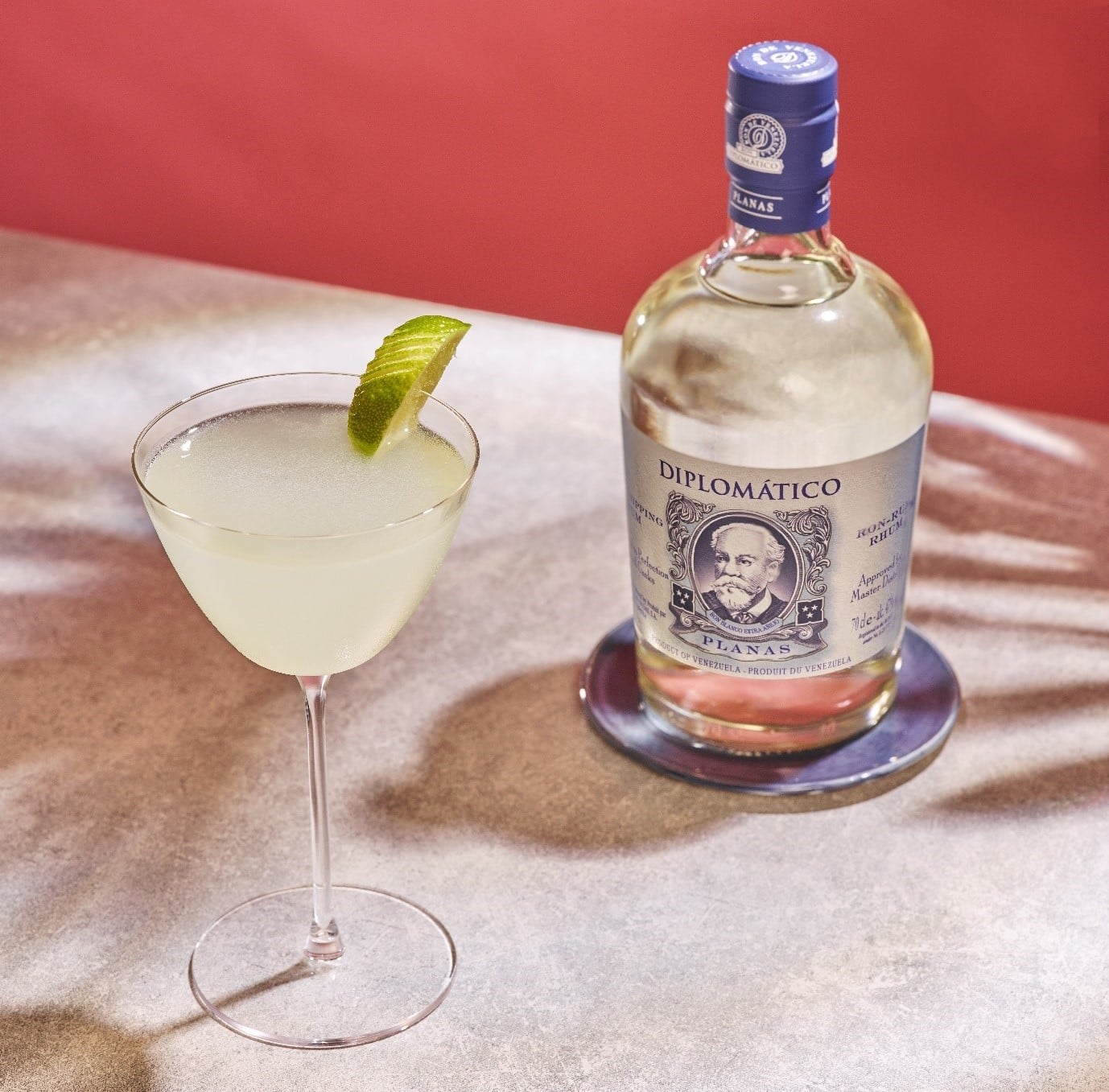
Today, rum is made in Venezuela, Argentina, Guatemala, Colombia and numerous other countries besides. This expansive region tends towards column-distilled molasses rums, that gain much of their character through ageing and blending. Key brands in this sweet, approachable bracket include Venezuela’s Diplomático and Santa Teresa, and Guatemala’s Ron Zacapa.
Guyana stands apart from other South American countries as it was previously home to a particularly rich and varied distilling industry that followed the path of the Demerara River. Producers of demerara rum supplied the core components for the famed British Royal Navy blends, particularly their distinctive rums made using wooden pot and column stills.
When the sugar industry consolidated in the 20th century, all but one of Guyana’s distilleries closed with the only surviving examples of these unique stills being relocated to Diamond distillery on the Atlantic coast. It remains the only place in the world where you can find rum made using wooden stills, a unique style that’s beloved by rum aficionados. El Dorado, which comprises rums made using Diamond’s array of unusual stills is a fantastic introduction to Guyanese rum.
North America
Long before bourbon emerged as the archetypical American spirit, the inhabitants of what would become the United States drank rum. When the colonists sought independence, rum from the British Caribbean fell swiftly out of favour, but the French colonies still supplied molasses to distilleries the length of the East Coast. Today, a handful of craft distillers keep the practice alive in the USA, including Privateer in New England and Montanya in Colorado.
Mexico is better known for tequila and mezcal, but in areas where sugarcane thrives, rum is the spirit of choice. Most of the Mexican rum we see exported is made from cane juice rather than molasses and shows a fresh, wild character. An excellent choice for fans of Mexican spirits and anyone looking for a place to go next after rum agricole or clairin.
Oceania
Rum was a part of life in the Australian colonies from the very beginning. It acted as a form of currency and at one point even a contributing factor to the 1808 conflict between military and government interests that would become known as the Rum Rebellion. It wasn’t until a few decades later that cane was commercially cultivated in Australia and the domestic production of rum began in earnest.
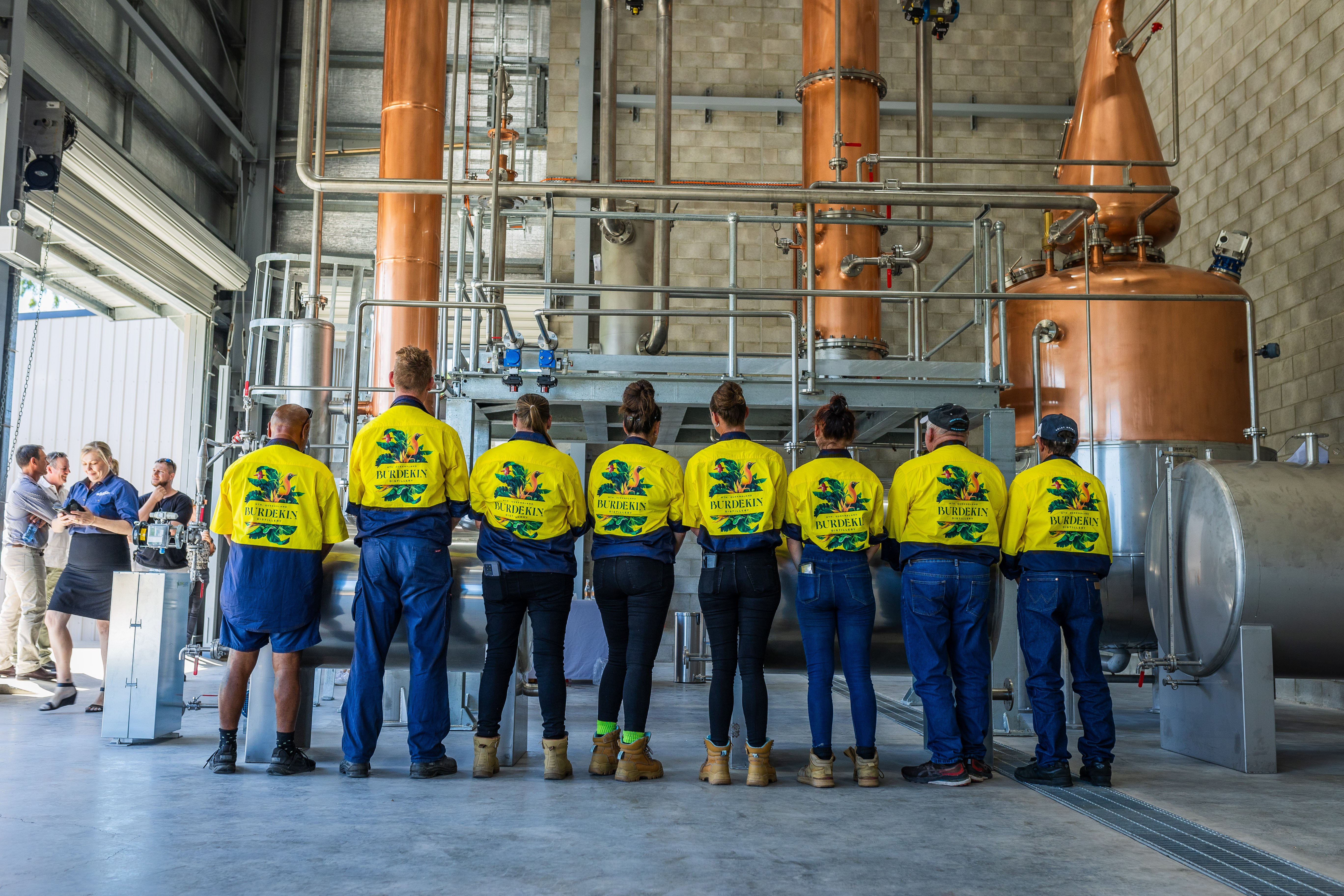
For much of its history, the Australian rum industry served the local market, but in recent years we have seen excellent quality bottlings reach shores in Europe and North America. These cover both molasses and fresh cane juice rums from distilleries including Beenleigh, Husk and Burdekin.
New Zealand has also entered the rum world with craft distillers working with imported molasses. Fiji and Papua New Guinea make rum as well – in the centres where the earliest instances of sugarcane cultivation took place – and are most notably bottled by French brand Planteray.
Asia
While sources can be difficult to come by, we can surmise that the first cane spirits were probably made in Asia. There are surviving references from the 1630s to sailors in the Indian sub-continent on imperial business consuming punch made with arrack – a term that refers to various spirits, some made with sugarcane and rice.
There is a thriving rum industry in India today, encompassing large distilleries that also make spirits including whisky and local production wings of large international companies. Thailand, Japan and the Philippines also produce rum using local cane and molasses, some which has been selected and made available internationally by renowned bottlers like Habitation Velier and Single Barrel Selection.
Africa
The islands of Mauritius and The Seychelles, as well as distillers in Ghana, South Africa and many more nations besides grow cane and – following the universal truth that human beings will create alcohol from what is available to them – make rum. As is the case in Asia, many of these support the local demand for cane spirits but as aficionados seek out quality bottlings with unique qualities and increasing number are available internationally.
Mauritian distillery St Aubin exports rich, aged agricole-style rums which are a great place to begin exploring African rum, as is the fresh and aromatic molasses-based spirits offed by Takamaka in The Seychelles.
Europe
Far from the tropics, but close to demand for rum, we are seeing an increasing number of distillers working with imported molasses to create their own styles of this age-old spirit in locations as diverse as Denmark, France and even Scotland. In fact, Scottish rum has become a booming scene in the 21st century with distilleries like J Gow in Orkney and Ninefold in the Lowlands making a case for rums fermented, distilled and matured in the temperate conditions of the northern British Isles.
How to drink rum
There are as many ways to enjoy rum as there are rums to choose from. The sheer diversity of cane spirits has always been a source inspiration for bartenders, from the early vogue for rum punch that followed the European conquest of the Caribbean to the Cuban cantineros who made Daiquiris and Mojitos for visitors to the island in the 20th century, to the so-called Tiki bartenders of the USA who made enduring classic cocktails like the Zombie and the Fog Cutter, inspired in part by the culture of Polynesia and the islands of the South Pacific.
Any rum can be sipped and savoured alongside the finest aged spirits from France and Scotland, but the convergent evolution of rum drinking and cocktail culture has always made devotees a little more relaxed about mixing their spirits.
50ml of any light rum, shaken with 25ml lime juice and 10-15ml sugar and plenty of ice will produce a particular take on the classic Daiquiri, while aged rums can stand in for whisky in drinks based on the Manhattan or Boulevardier.
In truth, there are many more ways to drink rum as there are types of rum made in the world. Getting to know them all would take a lifetime of sampling and experimenting, but that’s one of the reasons rum inspires such a devoted following around the world. There is always more to try and new flavours to discover.