


 United States — would you like to set this as your default country of delivery?


 Trade
Trade  Shops & Events
  Customer Service
 A Guide to Clairin: Haiti’s Traditional Sugarcane Spirit
All you need to know on the past, present and future of one of the world's truly national spirits, a style of rum made with sugarcane juice according to centuries of strict tradition


A traditional pot still in a Haitian gildive
In Haiti, Clairin is used to celebrate and commiserate. It’s a part of weddings, religious ceremonies, and funerals. For more than 200 years this traditional rum has been a constant in Haitian society. In the 21st century, small quantities have become available internationally, shining a light on this unique spirit and the people that make it.
The history of clairin
The revolution that began in the late 18th century set Haiti apart from the rest of the Caribbean. What began as a slave uprising led to more than a decade of bitter struggle, through which the fledgling state won its independence from French rule. After the conflict, many of the plantations built by the colonial regime were in ruins. There was little desire among the newly liberated population to rebuild them, and so the cultivation of cash crops like indigo, tobacco, and sugar continued on a small scale serving families and communities.
For better and worse, this post-revolution agriculture proved resistant to change and remains relatively unindustrialised to this day. Travel to Haiti and you’ll find ancient varieties of sugarcane growing near-wild among the corn and fruit trees – untouched by genetic modification and chemical intervention. This county’s remarkable history has created a unique form of agriculture, which in turn has given rise to a singular style of rum.

How is clairin made?
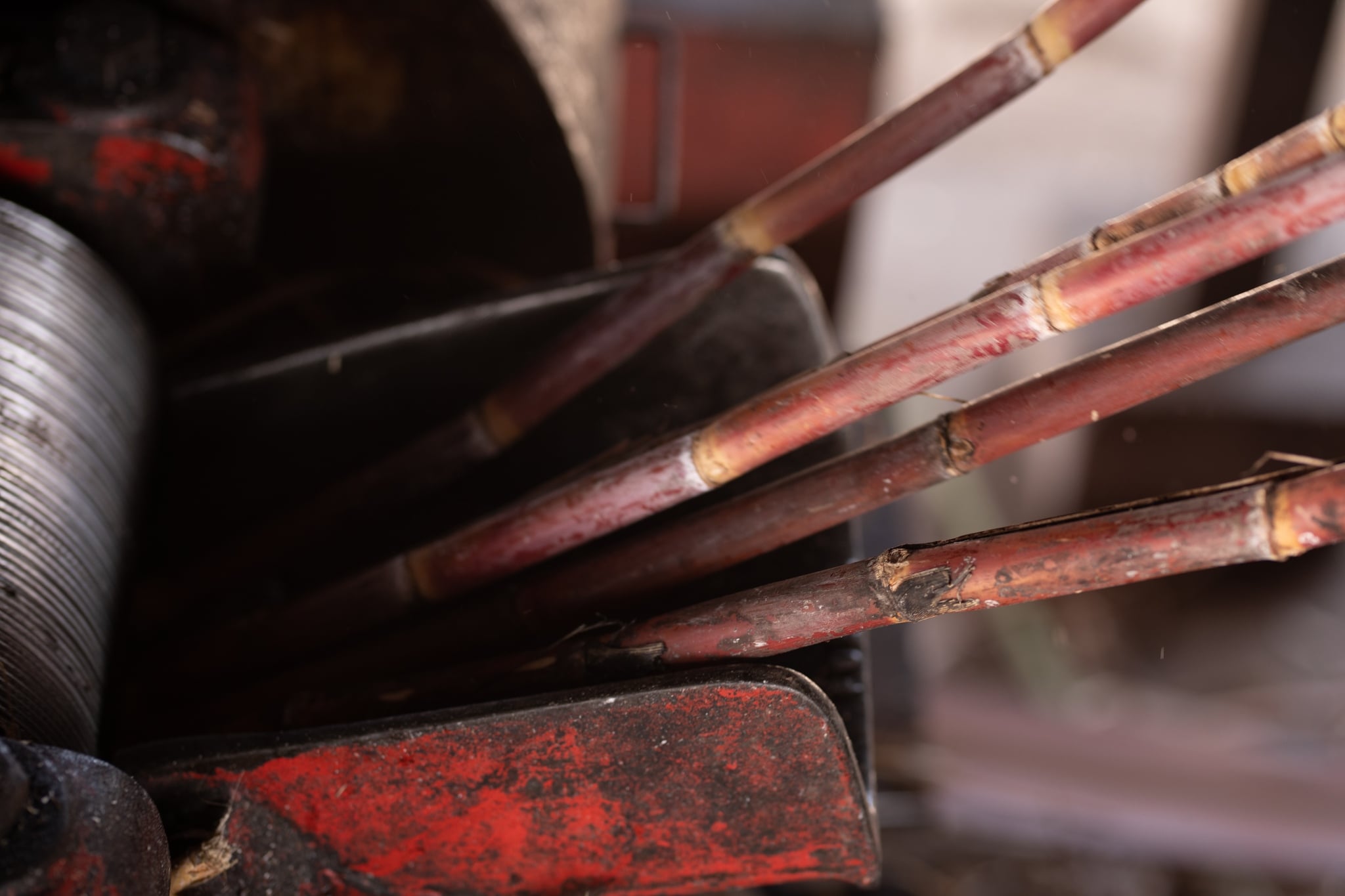
Clairin is made by fermenting cane juice and distilling the resulting cane wine. One of the best-known producers, Michel Sajous, plants numerous species of cane on his land near the city of Saint Michel de l’Attalaye, though he favours an heirloom strain called Cristalline. His crop is cut by hand and pressed to extract its juice, which is then reduced slightly over burning cane fibres. The concentrated liquid is then left to spontaneously ferment in the open air for about 10 days, or ‘until the bubbles stop’. This cane wine is then pot-distilled to an ABV of around 55% and bottled without ageing, filtration or additives. Clairin Sajous is funky and herbal with aromas of mandarin, grape, petrol, and banana – though vintages do vary.
This is totally different from the style made by Fritz Vaval at Arrawaks distillery in Cavaillon. He grows Madam Meuze cane on 20 hectares near Haiti’s south coast, ferments only raw cane juice, and distils using a short column with a homemade condenser. Clairin Vaval has a briny, green olive quality, with notes of pineapple and preserved lemon. More than 500 small distilleries – or gildives – across Haiti produce clairin, and each one could reasonably claim to show individual terroir. The equipment varies enormously from one to the next, but you’d be unlikely to find much in the way of mod cons. While rum production in other Caribbean nations has generally become more efficient and industrialised, Clairin has absorbed minimal foreign influence in the last 200 years. It’s precisely this lack of manipulation that has made the spirit of Haiti so distinctive and fascinating.
The future of clairin
Italian bottler Habitation Velier has championed Clairin internationally for nearly a decade. Since CEO Luca Gargano and rum category manager Daniele Biondi visited the country in 2012, they have released single-vintage expressions from various producers as well as a handful of blends. The latest, Clairin Sonson, debuted in the UK in 2021, bringing the number of distilleries in the range to five.
In 2015, casks stencilled with famous names like Hampden and Caroni began to arrive in a warehouse in the Haitian capital. By maturing small quantities of Clairin in casks from these storied distilleries, Velier and its partners are making a bold statement about the spirit’s future potential. Bottlings of aged clairin are not widely available at present, but their emergence marks the creation of a new sub-category. Perhaps even the first step in transforming an agricultural product into a luxury commodity.
In 2019, the Port-au-Prince distillery began production of Providence spirit under the direction of long-time Velier collaborators the Linge-Barbancourt family. The spirits coming from the plant’s pot still are definitionally different from those made by Sajous or Vaval. “The name clairin refers to local product made in the villages, for the consumption of the village. The farmer is the producer and the owner,” says Velier’s Daniele Biondi. “Providence, on the contrary, is a new business and the concept behind the rum is innovative and not traditional.”
Even so, the distillery’s first releases show some very clairin-like qualities that hint at common DNA. Providence: Dunder & Syrup, has a wild nose with herbal honey, green almonds, cut grass and guava. An interesting blend of styles and influences that hints at interesting things to come. So far, efforts to bring Clairin to a wider audience have mostly been respectful of tradition. With any luck, the incorporation of outside influences will represent a broadening of Haitian distilling culture, rather than a compromise of its principles. New ventures and experiments have not yet changed the fundamentals of farming, fermentation, or distillation practiced across the countryside. And for now, at least, clairin remains clairin.
How to drink clairin
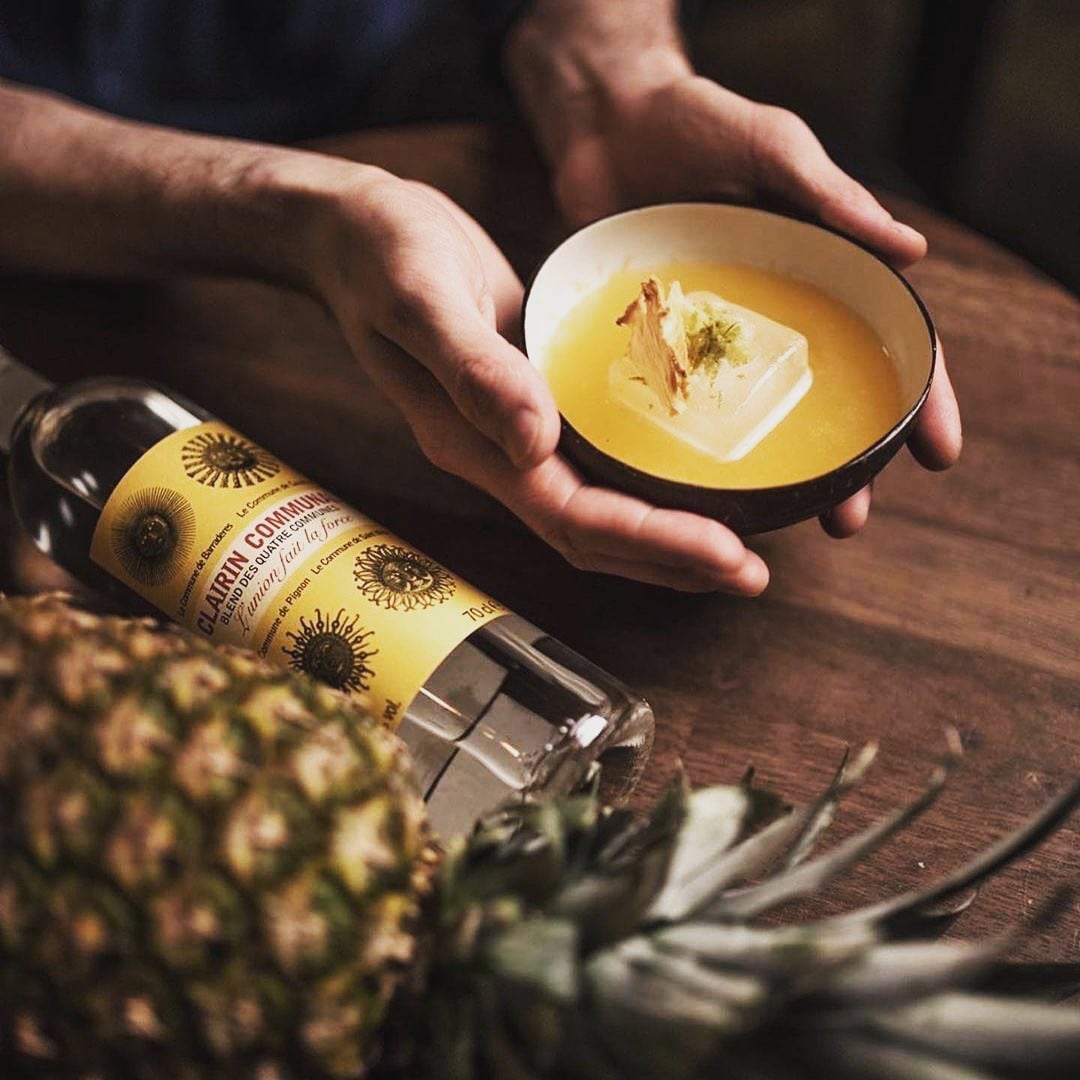
While it is a far cry from the light, blended white rums generally used in classic rum cocktails, clairin can be transformative in a Daiquiri or a Mojito. Many of the bottlings available on the market also make fantastic Highballs when served long over ice with pineapple or grapefruit soda. The blended Clairin Communal is particularly good in this regard.
However, as this is a spirit with such pronounced character and sense of terroir, you may want to try it neat from a tulip-shaped tasting glass. Much like ancestral mezcal or a vintage Armagnac, it will contain layers of complexity that speak to a specific place and a single producer. This is not the only way to enjoy clairin, but it will give you the clearest idea of what clairin is all about.


