


 United States — would you like to set this as your default country of delivery?


 Trade
Trade  Shops & Events
  Customer Service
 A Guide to Vermouth and Aromatised Wines
Like many of the world’s best drinks, vermouth has a complex history. We dive into its early roots, its contemporary identity, and how vermouth and other aromatised wines are made


From ancient origins and roots in folk medicine to a contemporary identification with the world’s best-loved cocktails, the story of vermouth is shaped by the spice routes of antiquity and the boom of industry.
Vermouth is what’s known as an aromatised wine, made by adding wormwood and other botanicals to a base wine that has been fortified with spirit. It is usually around 15%-20% ABV and comes in a variety of different styles, depending on the wine used and the amount of sugar added.
Much has been made of vermouth’s newfound trendiness – propelled in part the popularity of cocktails like the Negroni and the Spritz. But the truth is vermouth has been consistently enjoyed in the bars that line the squares of Turin and Barcelona for centuries. Today, vermouth is made by producers with centuries of history behind them and new-school upstarts alike. It’s just as at home served simple with ice and a slice of orange as it is being stirred with whisky or gin in the world’s finest cocktail bars.
The history of vermouth
The direct precursors to the vermouths we enjoy today were developed in the 16th century, but there are parallels to be found in the infused wines of Ancient Greece, Rome and China going back thousands of years.
The exact origin of vermouth is unclear, but what we do know is that at some point wormwood – known as wermut in German and Artemisia in Latin – became a choice botanical to add to wine. The resulting proto-vermouths then became prized for their perceived digestive and health benefits. Early examples appeared in Hungary and Germany, but the modern history of the drink began in two cities: Chambéry in France and Turin in Italy.
In the 1500s, both belonged to the Duchy of Savoy, an expansive territory that encompassed parts of modern-day Italy, France and Switzerland. Wines flavoured with wormwood and a variety of herbs and spices appeared in both cities contemporaneously. This was due in part to their shared proximity to the trading hubs of Venice and Genoa – which brought botanicals from across the world – and the winemaking heartlands at the foot of the Dolomites.
Soon after, aromatised wines became popular in the Piemonte region (modern-day Piedmont, the province where the city of Turin is located), especially among the royal court. They also spread to Bavaria and kicked off a smaller but no less important vermouth culture there, too. By the late 18th century, aromatised wines made with both white and red grapes were commonplace, but production was small and big brands had yet to emerge. That changed with the emergence of Cinzano in 1757 and Antonio Benedetto Carpano’s introduction of a mass-market vermouth in 1786.
Made with respectable base wines and fortified with grape-based spirit, these were initially sold under the German name vermut, which later changed to the French word vermouth. This kicked off the formation of a host of now-classic brands across the next century or so including Martini (or Martini & Rossi, to give it its full name), Cocchi and Mancino. Meanwhile, in Chambéry, the Noilly Prat brand was created in 1813, and Dolin was founded two years later.
Vermouth in the golden age of the cocktail
By the 1800s, vermouth was a popular aperitif in Italy and France. It had also been introduced to Catalonia by the Italians and become an intrinsic part of the region’s food and drink culture. But vermouth’s rise to prominence in Britain, the United States and other countries around the world coincided with the golden age of the cocktail in the mid-to-late 19th century.
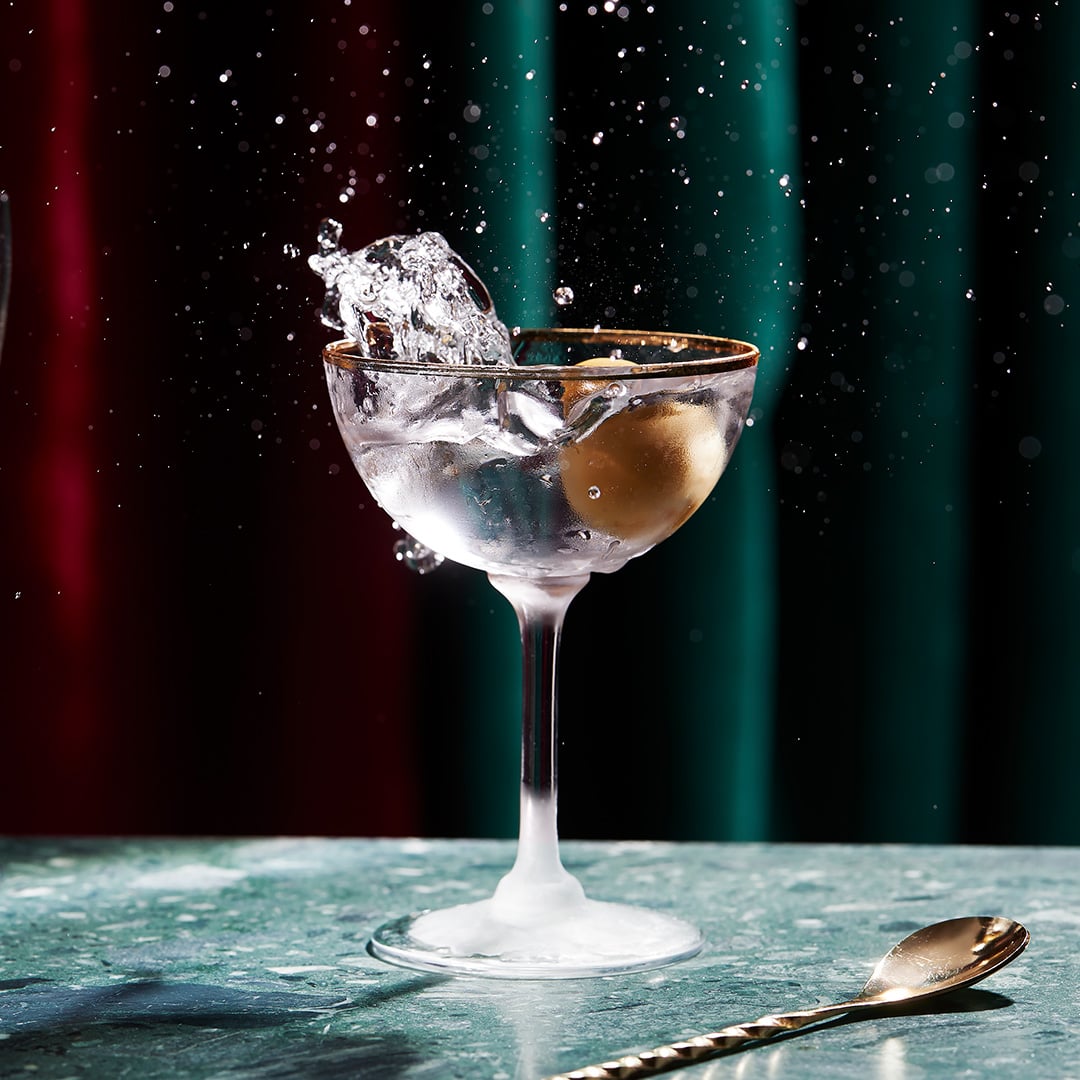
It crops up in Jerry Thomas’s groundbreaking How to Mix Drinks, or The Bon Vivant’s Companion in 1862 in prototypical recipes for the Manhattan and the Martinez. By the time Harry Craddock’s The Savoy Cocktail Book came around in 1930, it included several recipes for Martinis including both dry and sweet versions built around French white vermouth and Italian red vermouth respectively. Many drinkers around the world are content to drink their vermouth neat or with soda, but its these now classic stirred cocktails that have helped vermouth maintain a constant presence on bars around the world.
How is vermouth made?
Historically, vermouth was made by macerating botanicals directly in base wines. But today, the most common method is to distill botanicals with into neutral alcohol and then add the resultant distillate – or mistelle – to wine. There are, however, exceptions – Noilly Prat notably still infuses its base wines with botanicals in the traditional way.
The majority of vermouths are sweetened with sugar, grape must, caramel or honey. But producers can also choose to fortify their base wines with spirit before they have fully fermented, which kills the yeasts within and preserves the natural sweetness present in the grapes. This is the same process used to make many sweet fortified wines including madeira and port.
Vermouth may be rested in steel vats or aged in oak casks to continue developing before bottling.
EU regulations for vermouth
EU regulations state that for a product to be called vermouth, it must be flavoured with artemisia (wormwood) as its primary botanical, and and least 75% of the finished product must be wine.
Types of vermouth
Sweet vermouth
Often called red vermouth, Italian vermouth or vermouth rosso, sweet vermouth is usually made with white wine and darkened with caramel colouring, but is occasionally made from red wine as well. Sweet vermouth is the key ingredient in the Negroni and the Manhattan, as well as plenty of other classic cocktails besides. Carpano’s Punt e Mes and the much-loved Antica Formula are classic examples of the style, as is Martini Rosso and Cocchi Vermouth di Torino. Chazalettes – a historic brand with roots in both Chambéry and Turin that was reinvented in 2016 – is notable for its punchy sweet vermouth made from red wine.
Dry vermouth
A cornerstone of the Martini cocktail, dry vermouth is less commonly drunk neat, but can be a refreshing aperitif in its own right. Noilly Prat’s Original Dry and Extra Dry are both classic examples from France vas is Dolin Dry. Some cocktail recipes call for ‘French vermouth’ when they mean any dry white vermouth, but there are plenty of examples of this style made in Italy as well, including Antica Torino Dry and Cinzano 1757 Extra Dry. There are also numerous dry vermouths from newer producers offering their own interpretations of this classic cocktail ingredient.
White vermouth
White, blanc or bianco vermouth is a sweet style made from white wines with little or no added colour. White vermouth is commonly enjoyed over ice – sometimes with soda water and a twist of citrus – but also features in cocktails like the Cuban El Presidente and the modern White Negroni.
Rosé vermouth
Rosé or rosa vermouth, as the name suggests, is a sweet style made with rosé wine – or a blend of white and red wines. It has historically been a niche offering, but producers including Regal Rogue in Australia and Lustau in Southern Spain have promoted this style to be enjoyed in a simple Spritz or with tonic water.
Vermouth di Torino
Vermouth di Torino is the only PGI (protected geographical indicator) that governs vermouth regulation, and was introduced in 1991. To be classified as Vermouth do Torino, a vermouth must be made in Piedmont, using only Italian wines. Extra Dry Vermouth di Torino must contain no more than 30 grams of sugar per litre, while Dry is no more than 50g/l and Sweet must contain at least 130g/l of sugar. Vermouth di Torino Superiore specifies at least 17% ABV (compared to the standard 16-22%), and necessitates more of the botanicals (at least 50%) to be grown or produced in Piedmont, rather than just the artemisia.
Vermouth in the modern day
Today, the primary areas of production for vermouth is still the historic heartlands of Turin in Italy and Chambéry in France.
Elsewhere, though, it has remained a popular drink in Spain, especially in Barcelona and around Catalonia, where the tradition of an aperitif before dinner is commonly known as the ‘hora del vermut’, and topping with soda water at the table is common. El Bandarra is a relatively new producer from Catalonia, which makes easy-drinking vermouths for sipping over ice. You’ll find boutique, independent vermouth producers throughout Catalonia. Vermouths are also commonly made by some of the best-known sherry producers in Jerez, including Gonzalez Byass and Lustau.
The modern cocktail boom of the 2000s and the renaissance of vermouth as a drink has not only thrust the historic producers of Turin and Chambéry into the limelight once again, but has also seen a few notable modern producers around the world turn their hands to the potential of aromatised wines.
Outside of Italy, France and Spain, there’s no other singular heartland of vermouth production, but there are producers around the world who have brought new brands to market. These include Germany’s Belsazar, which fortifies wines from the Baden region with fruit eaux-de-vie; Regal Rogue, Australia’s first vermouth brand made with local wines and some native botanicals; and Asterley Bros, which makes vermouths and amari in London.
While the influx of new brands has slowed down a little since the mid-2010s, there are still plenty of vermouths available from producers new and old, which vary in style and suitability for different cocktails. All have their own quirks, from the wines they’re made from to the botanicals used to flavour them. The possibilities aren’t quite endless, but they are plentiful.
Other aromatised wines
If you’re looking for other aromatised wines for sipping or mixing, or if you’ve encountered bottles that seem particularly close to vermouth in style and wanted to learn more, there are a few to look out for. While generally analogous to vermouth in being made from a base of wine that has been fortified and aromatised, there are a few styles of aromatised wine that are distinct.
Quinquina
While wormwood is the foundation of much of vermouth’s character, quinquina uses cinchona bark. This unique botanical native to South America is full of quinine, the bitter compound that gives tonic water its distinctive flavour. Cinchona was reportedly brought to Europe from Peru in the 1700s, but quinquina was first refined as a marketable product in France. The most famous example is Lillet – a modern reinvention of the original Kina Lillet – available in white, rosé and red styles and Dubonnet. Interestingly, Dubonnet is made in Europe by Pernod-Ricard, and also in America by Heaven Hill distillery – the two are entirely separate products despite their names. The Queen Mother was famous for her love of the French Dubonnet, while Lillet Blanc is one of the ingredients in a Corpse Reviver #2 cocktail.
Chinato
Chinato or Barolo Chinato is similar to quinquina, made with a base of Barolo, Barbaresco or Moscato wine in Piedmont and flavoured with quinine and other botanicals.
Americano
Perhaps confusingly, americano can refer to both a cocktail made of Campari, sweet vermouth and soda, and a separate but related category of aromatised wines (and that’s without mentioning the espresso-based coffee).
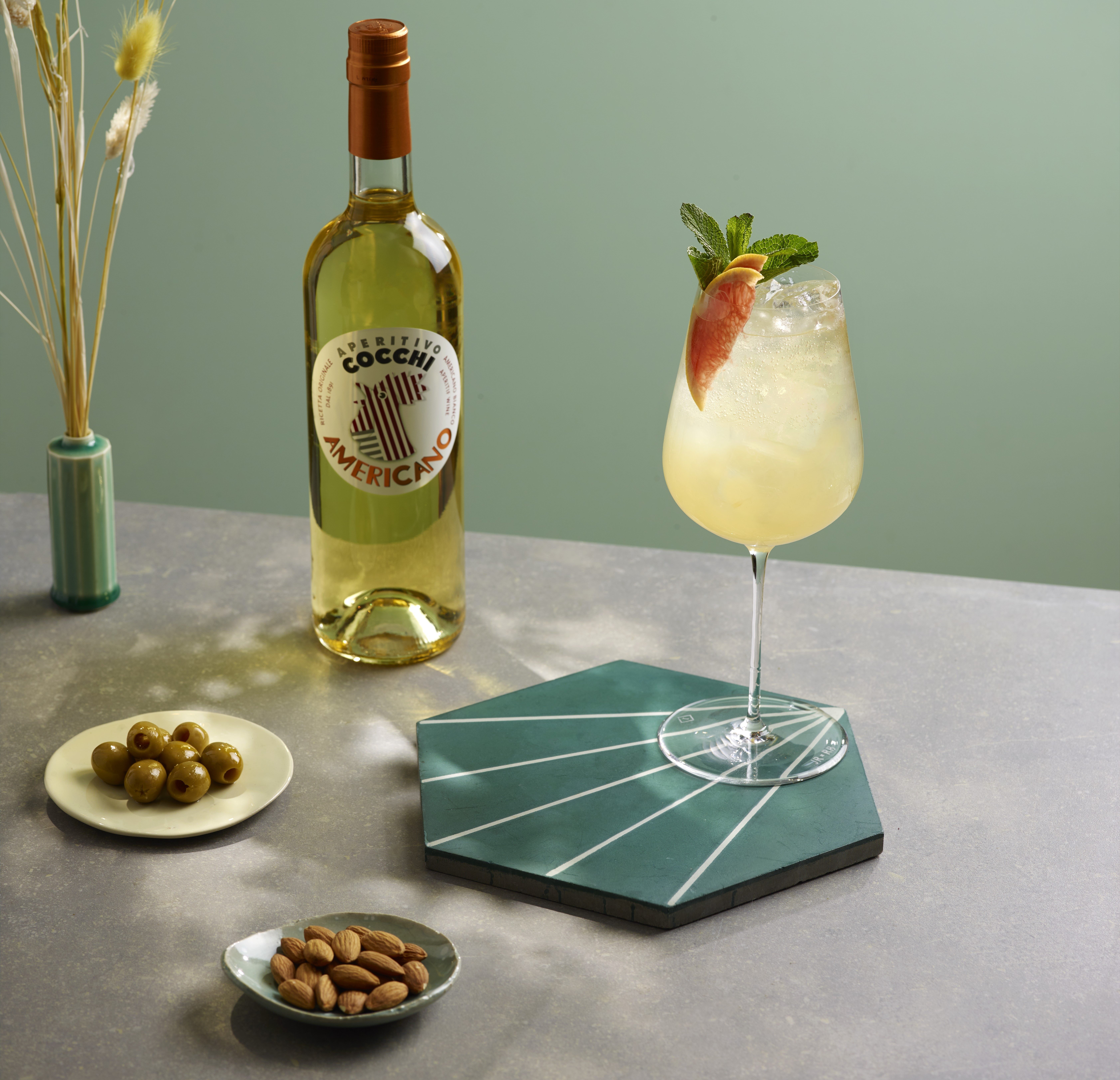
Made in Italy, americano is similar to both vermouth and quinquina but with gentian root as its primary botanical (although it often also includes cinchona or wormwood) and also comes in white, rosé and red variants. The best-known brand is Cocchi, but you’ll find americano made by Savoia, Gancia, Rinomato and others. Despite Lillet Blanc’s modern iteration, white americano is closer in style to the original Kina Lillet and is also widely used as a replacement.


