


 United States — would you like to set this as your default country of delivery?


 Trade
Trade  Shops & Events
  Customer Service
 Barbados Rum Guide: History and Key Distilleries
The story of rum follows the spread of sugarcane around the tropical regions of the world, but in all that rich history there are few places as significant as Barbados. Four currently active distilleries across this beautiful island producer a variety of different styles of rum

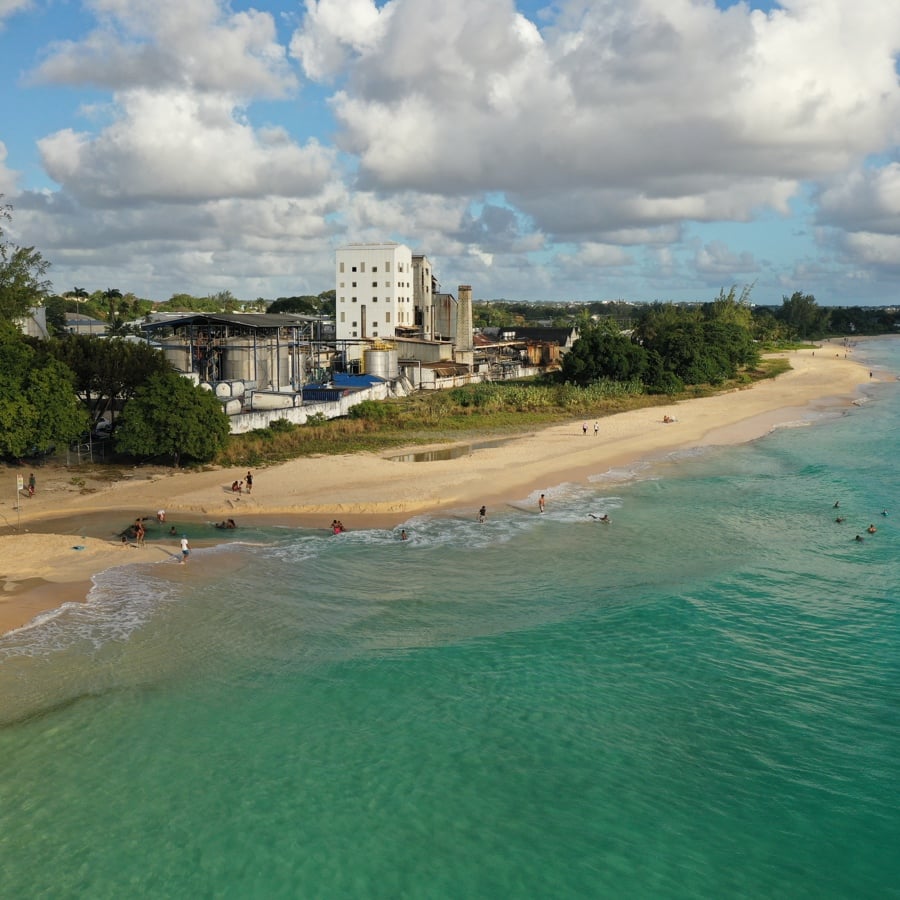
West Indies Rum distillery in Barbados
From the traditional, brightly coloured rum shacks that line this Caribbean island to the cabinets of collectors around the world, Barbados rum is multifaceted in its identity. We can broadly characterise Barbados rum as blends of column and pot distilled spirit, aged and blended for elegance and refinement, but the island's four distilleries make distinctive spirits that often defy strict categorisation.
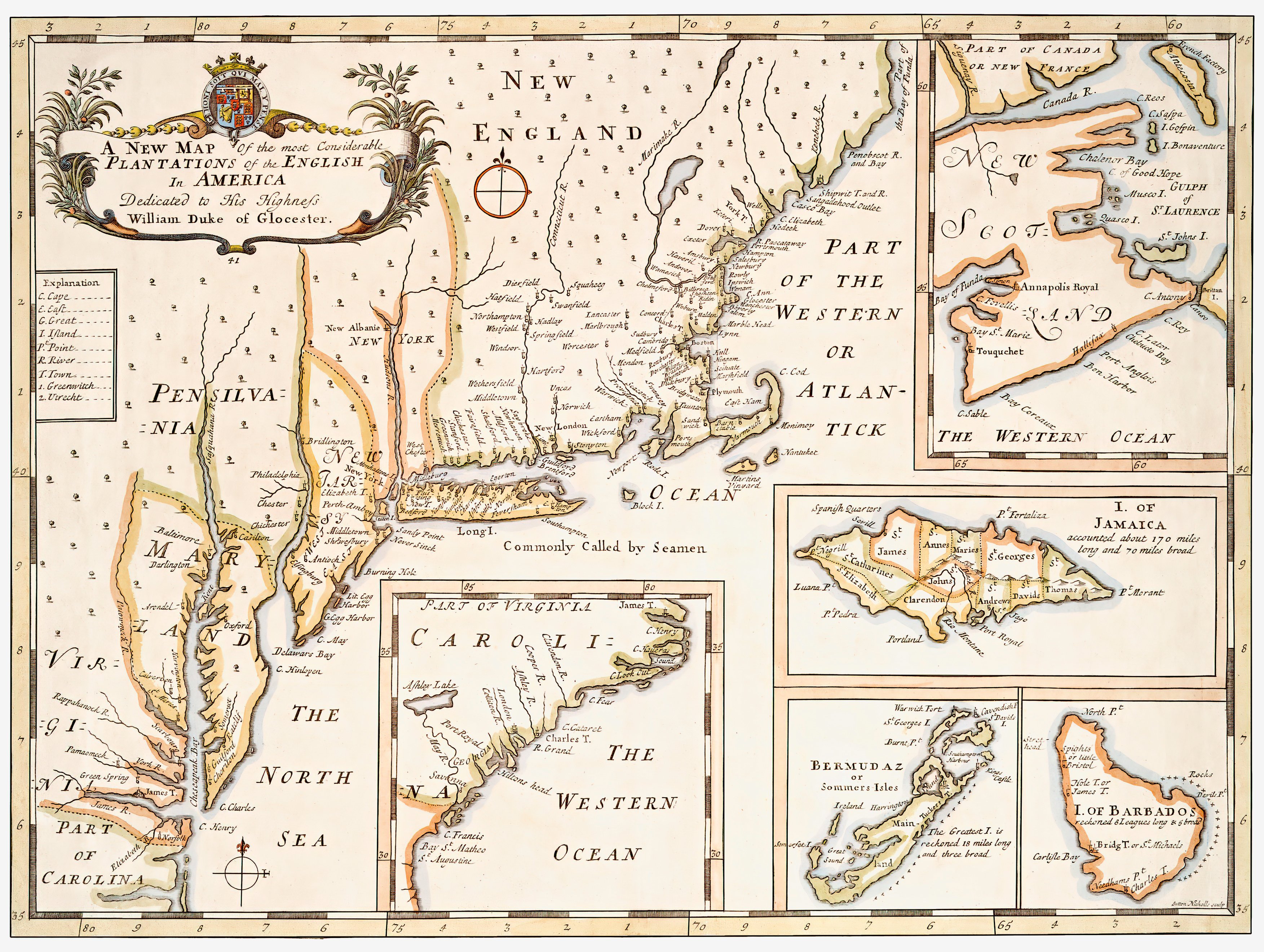
Barbados began its journey into rum distillation with the arrival of British settlers in 1627. They first cleared fields for the cultivation of tobacco, but when the price of this once valuable cash crop fell in the 1640s many planters switched their efforts to growing sugarcane. It quickly became clear that Barbados offered an ideal environment for growing sugarcane and a boom in sugar production began. This meant that there was a steady supply of molasses – a dark, sticky liquid produced as by-product of sugar refining – available on the island. While it was initially used to bolster animal feed or simply dumped into the sea, It wasn’t long before plantation workers discovered that molasses could be fermented and distilled to create a robust spirit.
The history of Barbados rum
This early iteration of rum was initially produced at small scale for local consumption and was called ‘kill devil’ by the planters. Rough and unrefined, this prototypical Barbados rum was a far cry from the spirit we enjoy today. It was described by Richard Ligon in 1650 in his book A True and Exact History of the Island of Barbados as “… a hot, hellish and terrible liquor… infinitely strong but not very pleasant in taste”. As kill devil grew in popularity, the process of distilling it was refined, creating a richer and more palatable spirit.
Starting in around 1650, variations of the name ‘rum’ began to appear in written records, seemingly stemming from ‘rumbullion’ – a term from Devon, England, referring to the uproar created by a large crowd of noisy people. The more approachable name and less harsh spirit caught the attention of sailors in the Royal Navy, and as early as 1655 rum replaced beer as the sailors' daily alcohol ration. The increased demand meant that the island's distillers needed to grow their operations to keep up, and in 1703 Mount Gay began production as the island’s first commercial distillery. It hasn’t stopped working since, which makes this the world’s oldest continuously operating rum distillery and Barbados arguably the birthplace of the modern rum industry.
Rum production in Barbados
To make rum, first you need to grow sugarcane. First brought to Barbados from a Dutch settlement in Brazil, sugarcane thrived in the island’s tropical climate and – as the only non-volcanic Caribbean island – in its distinctive soil. With a high demand for sugar at the time, sugarcane plantations quickly grew in size, and windmills were built to aid production of sugar – and, eventually, rum as well.
Harvesting
The process of making rum starts with the harvesting of sugarcane from the plantations, cutting the stalks when they are tall and thick, and removing the leafy tops of the cane. The harvested cane would then be crushed at the island’s windmills, releasing the sweet juice inside the stalks. Today, modern mechanical presses are used, but the principal remains the same.
Fermentation
Cane juice would then be boiled down to form sugar crystals, leaving behind a thick, dark syrup called molasses – the key to making rum in Barbados. From here, the molasses is mixed with water and yeast to form a sugary liquid ready for fermenting. The sugars in the liquid are then converted into alcohol by the yeasts, leaving a rich low-ABV beer-like liquid known as a ‘wash’, ready to be distilled.
Distillation
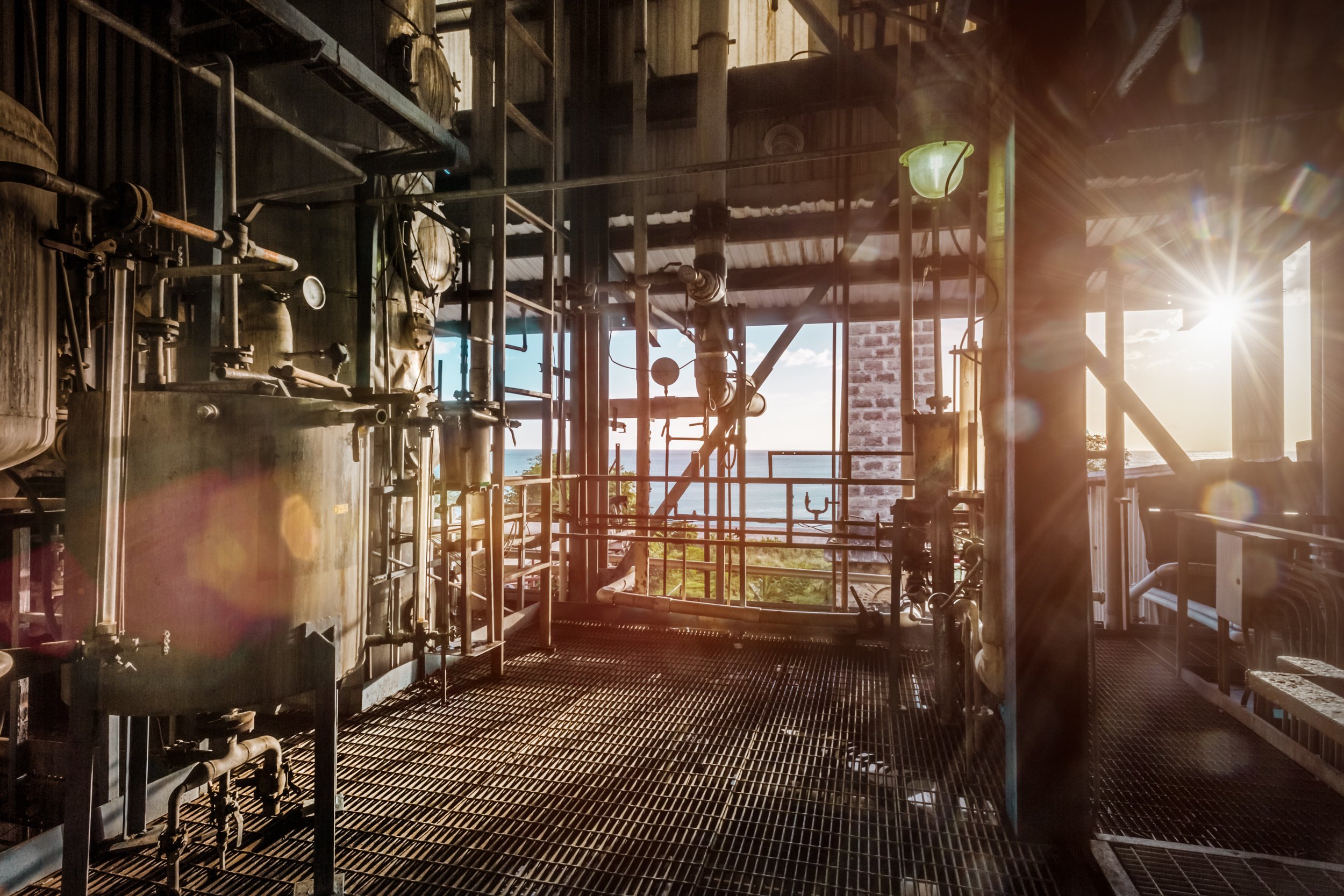
Unlike other regions, the distillers of Barbados never leaned towards just one distillation method, rather they embraced the use of both pot and column stills. The fact that both types of still are used is a large factor in the creation of Barbados’s characteristic spirit – heavier, twice pot-distilled rums lend blends weight and body, while column-distilled rums are used to add a lighter, contrasting element to the final product. To this day, the most common style of rum made in Barbados is this blend of both pot and column still rums, produced at a single distillery and blended together.
Once distilled the rum is either bottled without ageing, or more commonly filled into oak casks for ageing, imparting layers of flavour from the oak itself.
Barbados’s rum distilleries
There have been countless distilleries in Barbados since rum was first produced in the 17th century, but just four active distilleries remain on the island at present: Mount Gay, Foursquare, St Nicholas Abbey and West Indies Rum Distillery (WIRD).
Mount Gay
Mount Gay has a credible claim to being the world’s oldest continually operational distillery. Having made traditional Barbados rum for more than three centuries, it's safe to say Mount Gay knows its business, and now produces rums in a variety of styles, from young, fragrant spirits perfect for cocktails, to well-aged rums like its flagship XO, matured in a wide variety of cask types.
Mount Gay played a crucial role in sculpting the very foundations of Barbadian rum – even, indeed, of rum itself.
Foursquare
Foursquare has made a name for itself producing extremely high-quality rums blended from both pot and column distillate, aged primarily in ex-bourbon barrels. These are bottled under a number of brands, including Real McCoy, the award-winning Doorly’s and the popular and collectable Foursquare Exceptional Cask Selection, which often experiments with different cask maturations and is bottled at higher strengths.
St Nicholas Abbey
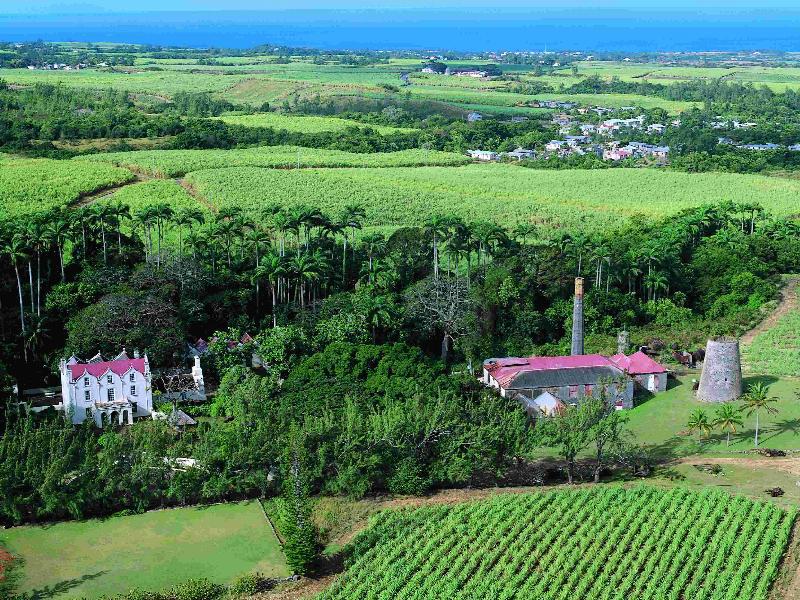
This distillery sits in the highlands of St Peter in Barbados, on an old plantation built by Colonel Benjamin Berringer in 1658. The site is home to one of only three Jacobean mansions remaining in the Caribbean, which was recently restored to its former glory by the distillery’s current owner, Larry Warren. St Nicholas Abbey now produces elegant rums in its unique hybrid still – affectionately known as Annabelle – and is distinct from the other three distilleries in its use of sugarcane syrup, which is boiled down from fresh cane juice, but without being refined into molasses, which produces a grassier style possibly more analagous with rhum agricole.
West Indies Rum Distillery
West Indies was established in 1893 by George Stade and his brother on the edge of the pristine Brighton Beach. The distillery today creates a variety of rums using a traditional copper pot still, a four-column continuous still, and even a vulcan triple chamber still – the only one of its kind remaining in the world. It’s rums are released under many different brand names, most famously Cockspur, but they are also a favourite of independent bottlers including Planteray, formerly Plantation.




