


 United States — would you like to set this as your default country of delivery?



 Trade
Trade
 Shops & Events
 Customer Service
Karuizawa Whisky: The Story of a Legendary Lost Distillery
This famed distillery closed its doors at the end of the year 2000 and was demolished in 2016. Its whiskies have since become highly sought after and collectible. We dive into why this is the case, and what makes Karuizawa so special

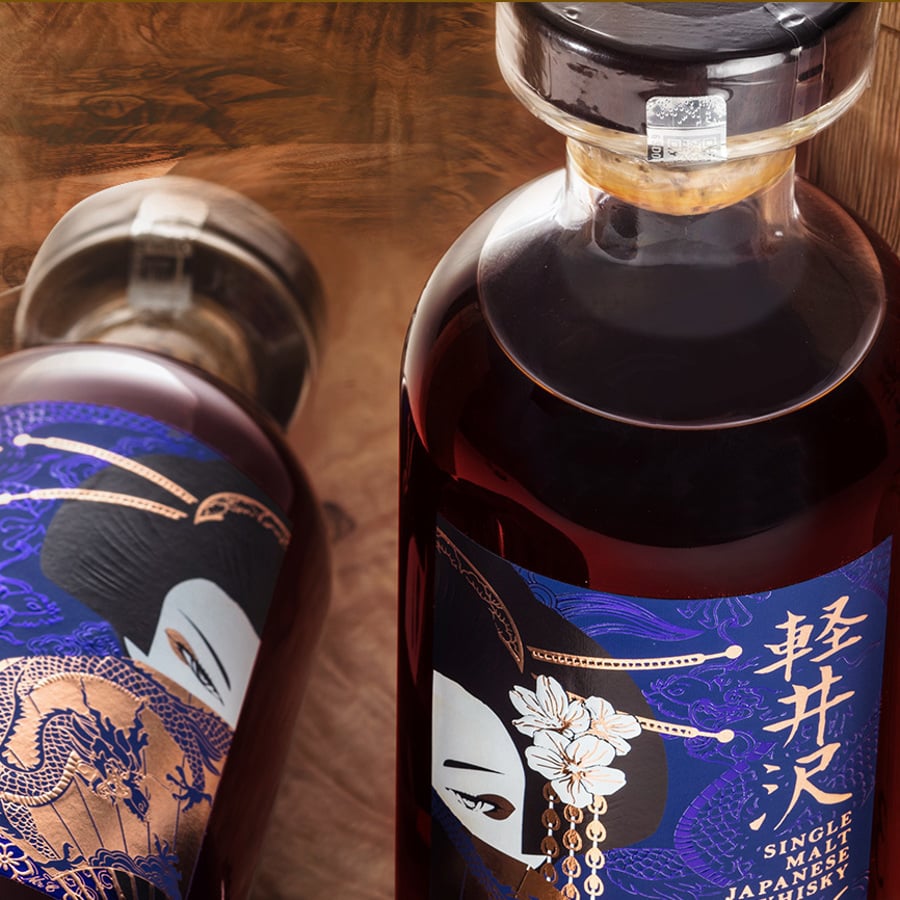
The Karuizawa Sapphire Geishas
If you ask someone in Japan about Karuizawa, their first thought probably won’t be whisky. The town that gave the distillery its name is situated on a high plain at the foot of Mount Asama, an active volcano, and rather than being a hotbed of distilling, it’s a resort town. Cool in summer and snowy in winter, Karuizawa is a popular holiday destination for the people of Tokyo, with ski slopes full throughout the season.
The history of Karuizawa distillery
1956 is the year that Karuizawa was put on the map. Daikoku Budoshu, a large wine and spirits producer, already had a winery in town and expanded the operation by building a distillery. The plan for the distillery was simple: create malt whisky for the company’s blends, bottled under the name Ocean. Production began in February of that year.
It was difficult to get malted barley in Japan at the time and Karuizawa initially struggled. However, in 1958, import restrictions were relaxed and the distillery began to import barley from the UK, including some Golden Promise – the same type Macallan used at the time. By 1959, it was producing a Scotch-style spirit which was matured mostly in sherry casks. The resulting whisky was dark and richly flavoured, but as it all went into the company’s blending vats, the distillery and its whisky remained unknown to the general public.
In 1977, Karuizawa’s focus changed along with its name. Karuizawa Factory became Ocean Karuizawa Distillery, and its whisky became marketed as single malts as well as being destined as blends. The first Karuizawa single malt whisky was released in July 1976 – making this the first Japanese distillery to bring a single malt to market. It was only released in small amounts and wasn’t promoted heavily, ensuring that the distillery could handle the demand. It continued with little fanfare, despite it being a favourite of emperor Akihito, along side other whiskies in the Ocean portfolio.
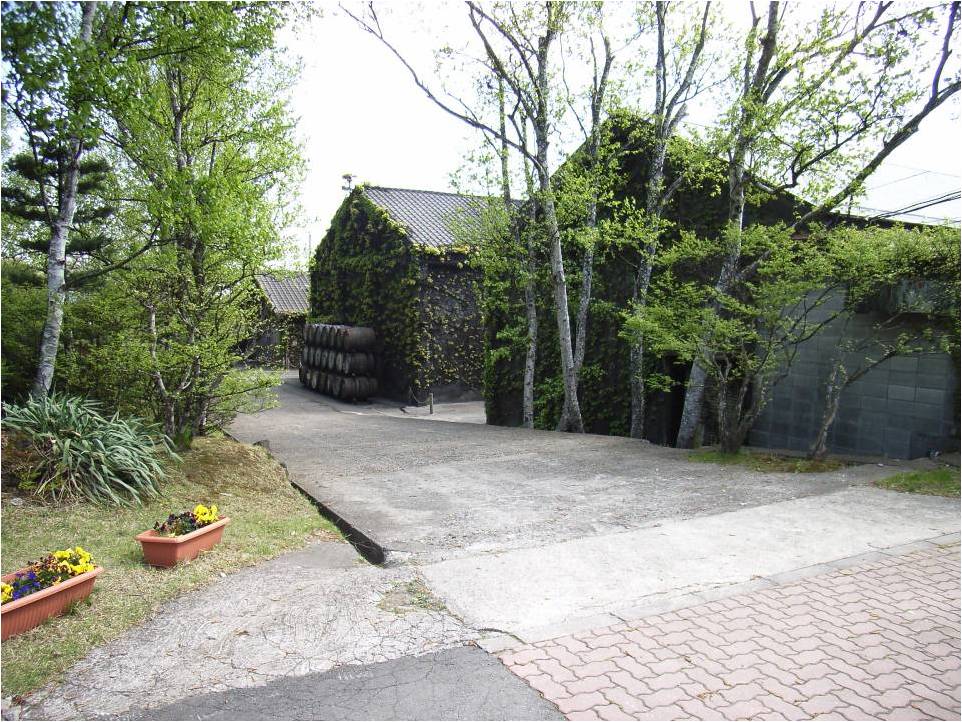
While the 1970s and 80s were a good time to be making whisky in Japan, with the distillery receiving upgrades over the years, by the 1990s the market had turned. Whisky was falling out of favour and Ocean was considered by the drinking public to be an unfashionable company.
Production was scaled back through the 1980s and 1990s in response to falling demand, and on 31 December 2000, Karuizawa closed. In 2006, the distillery’s owner – by this time called Mercian – was acquired by drinks giant Kirin and in 2011 Karuizawa’s distilling licence was returned. To put an end to any hopes of a revival, the distillery was scrapped and razed to the ground. By 15 March 2016, there was nothing left.
International success
The international popularity of Karuizawa began to rise in 2007, when independent bottler Number One Drinks started bottling single casks of whisky from the distillery and importing them to Europe. The whiskies wowed enthusiasts around the world and the orders rolled in. One of those impressed by the bottlings was The Whisky Exchange’s co-founder Sukhinder Singh, and we have been one of the leading stockists of Karuizawa ever since.
In 2011, having failed to buy the distillery from Kirin, Number One Drinks managed to acquire the next best thing: all of the remaining casks of whisky from Karuizawa.
Number One Drinks, ourselves and other independent bottlers have released a wide range of Karuizawa bottlings. From rich and decadent, long-matured sherry casks to elegant bourbon casks – and fresh-and-fruity combinations of the two – the quality of these whiskies has been phenomenal.
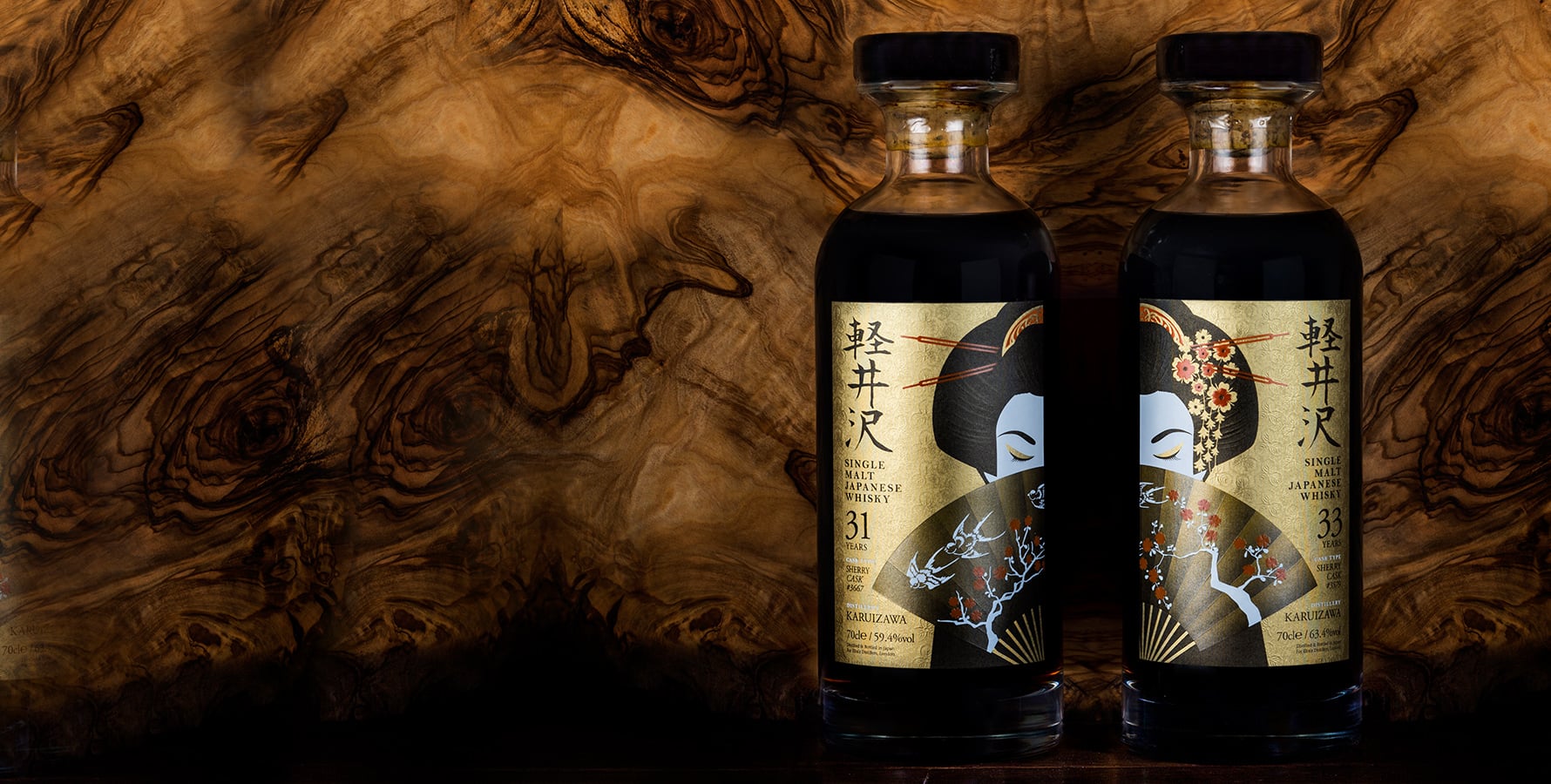
With no spirit produced since 2000, stocks have gradually been drying up as the whisky has been bottled and sold. These days, bottles change hands at auction for thousands of pounds and new releases are major events in the whisky calendar. The now iconic Spirit of Asama bottlings, as well as series like Number One Drinks’s samurais, various entries in La Maison du Whisky’s Artists collection and our own Karuizawa Geisha Series, are now highly sought-after by collectors. Every opened and finished bottle bringing us a step closer to there being no more Karuizawa whisky in the world.
The Whisky Exchange has been fortunate enough to bottle and release a few Karuizawa single malts each year, and we are still have one of the largest collections of Karuizawa for sale today.
The future of Karuizawa
Shortly before the distillery was demolished, its pot stills and other equipment were removed and sold at auction. The buyer was Taiko Nakamura, who used some of it in the distillery he was building: Shizuoka. You can now sample spirit from one of the Karuizawa stills again, with the Shizuoka’s type-K whiskies using a reconditioned pot salvaged from the auction lot.
The area around the town of Karuizawa has not lost its distilling heritage, with distilleries popping up nearby over the past decade, hoping that some of the fabled Karuizawa magic might rub off on them – this includes Komoro Distillery in the nearby town of the same name, and a new Karuizawa distillery, built about 7km away from the original, which despite the name is broadly unrelated to the original Karuizawa.
At the time of writing, there are still a few casks of whisky from the original Karuizawa left. Now all privately owned, they will be bottled over the coming years as the whisky hits its peak. We hope to find a few more appearing on the shelves of The Whisky Exchange, but, for now, the owners are all tight-lipped. We look forward to seeing what happens next.


