


 United States — would you like to set this as your default country of delivery?


 Trade
Trade  Shops & Events
  Customer Service
 A guide to pot still whiskey
Pot still is the style that made names like Jameson, Powers and Redbreast famous the world over. It is fruity, spicy and distinct from single malt in that it is made from a combination of different cereals.

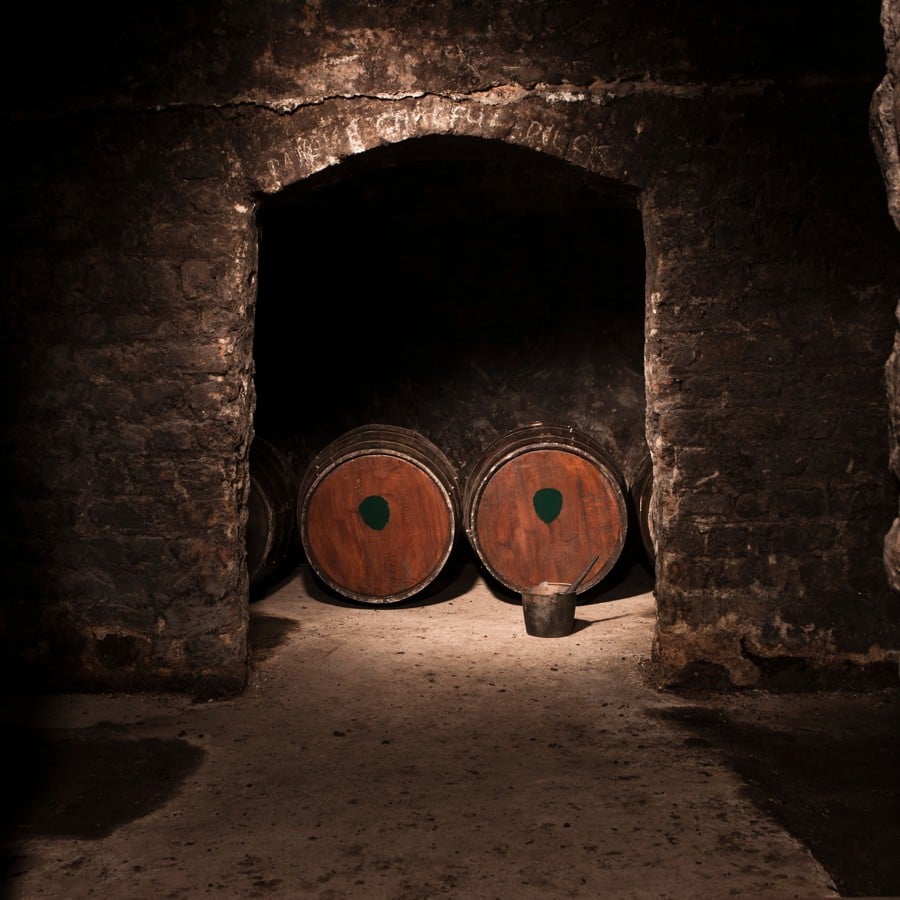
Casks of Green Spot Irish pot still whiskey
With a rich history and an evolving modern identity, pot still is one of the world’s great styles of whiskey but is still sometimes overlooked. It shares many similarities with single malt – including copper pot still distillation and oak ageing – but is made with a mix of grains, not just malted barley. It is the archetypical Irish whiskey, and counts fans all over the world who prize its distinctive fruity, spicy and earthy character.
The history of Irish whiskey
The story of whiskey making in Ireland begins with the arrival of the pot still. These early alembics – stills similar in shape to those we use today – first came to the island as early the 8th century, carried by monks and priests from southern Europe. With the translation of Islamic texts on alchemy and medicine into Latin, the concept of distilling spread through a network of holy orders that spanned the Christian world.
As there was a longstanding tradition of brewing in Ireland, the pioneers of Irish whiskey began distilling beers made with a variety of cereals including barley, wheat and oats.
These early Irish grain spirits were quite different from whiskey as we would recognise it today. The craft was in its infancy, and early distillers would sweeten and flavour their product with herbs and other botanicals. But as knowledge of the pot still spread across the island it became an important part of the rural economy, laying the groundwork for the world’s first modern whiskey industry.
Where the first malt whiskies were made is still a matter for debate today. But what we can say for certain though, is that the legal status of distilling established in Ireland in 1662, meant that anyone could distil if they paid the taxes stipulate by the British government. Further changes to legislation in 1779 introduced taxes based on still size, which drove some distillers underground – so codifying the traditional spirit poitin – and compelled others to build large distilleries in and around Irish cities. Which in turn kickstarted the first large-scale modern whiskey industry built around malt and pot still.
Irish whiskey quickly developed a reputation for quality. For a time, it was the world’s favourite whiskey – even in parts of Scotland – having distinguished itself from the prototypical grain spirits that went before. However, the industry later faced significant challenges in the form of legislation imposed by the colonial British government.
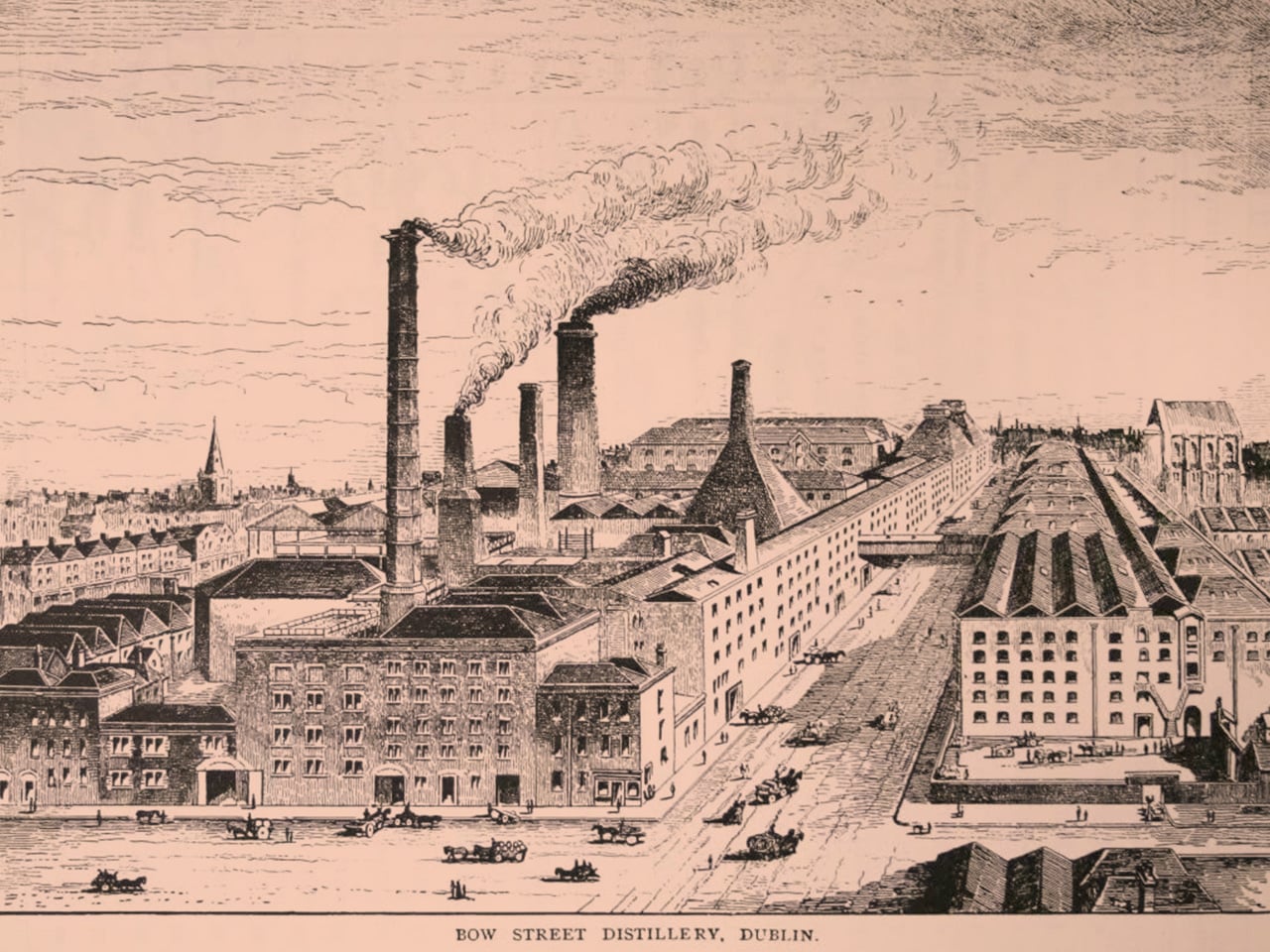
The malt tax and pot still whiskey
The 1785 malt tax ensured that the booming Irish whiskey industry would have to pay duties on the amount of malt it used, in addition to the spirit it produced. This caused distillers to move away from pure malt whiskies and rediscover the use of mixed mash bills as favoured by their forebears. By the early 19th century, pot distilled whiskies made with a combination of malted barley and un-malted cereals accounted for almost all production on the island of Ireland.
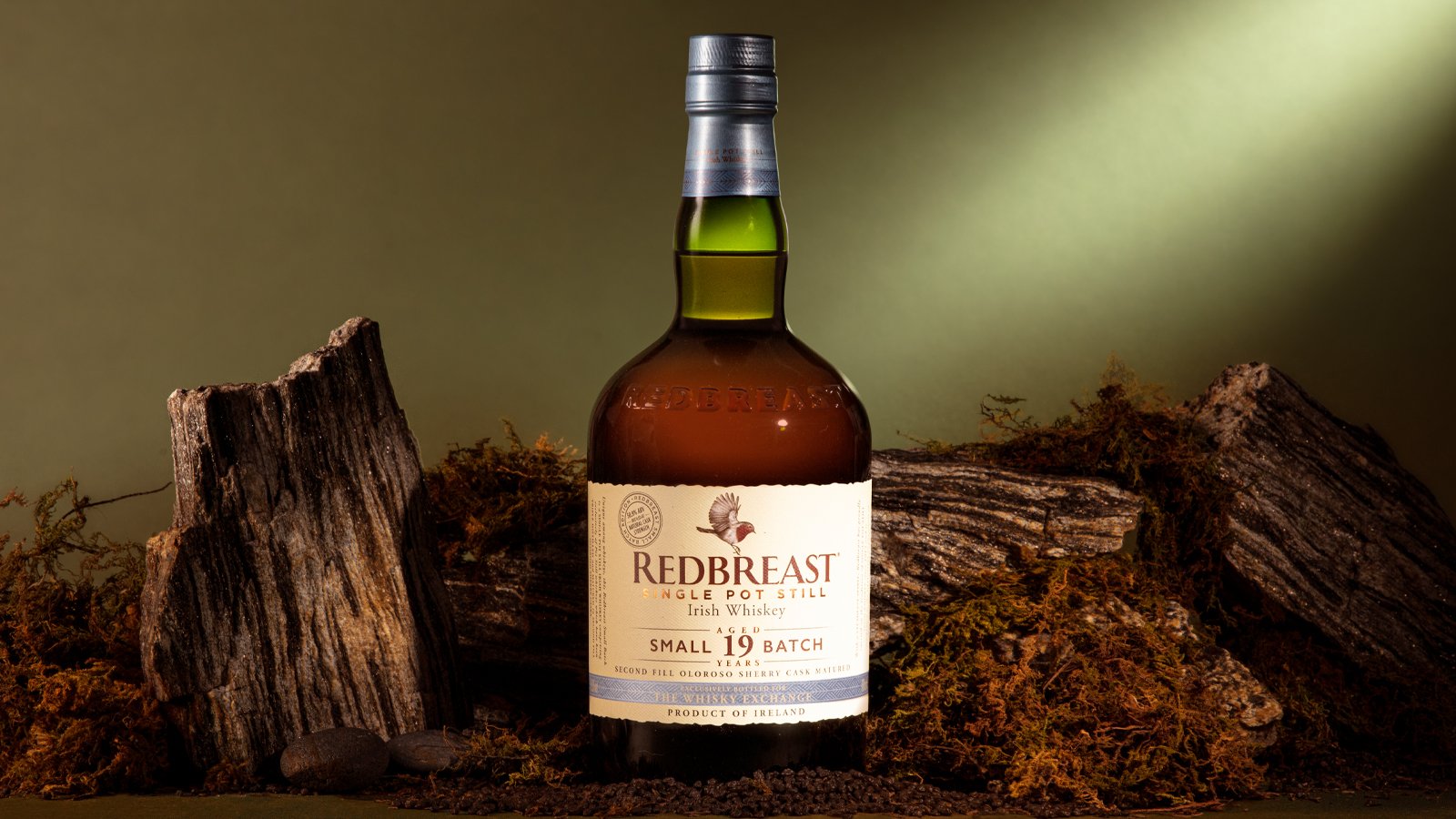
Mixed mash whiskies have been distilled in almost every country that makes whiskey/whisky at one time or another. But in Ireland the style became foundational, inspired by the 1785 malt tax. Pot still whiskey today is generally based on a combination of malted and un-malted barley, with the legal definition allowing for at least 30% by volume of each and up to 5% other grains. This is what you’ll get if you open a bottle of the now iconic pot still whiskies Redbreast and Green Spot – both from Midleton distillery in County Cork.
While the character of pot still whiskey should, in theory, have lots of range in terms of flavour and aroma they’re generally characterised as intensely fruity with a distinctive spiciness.
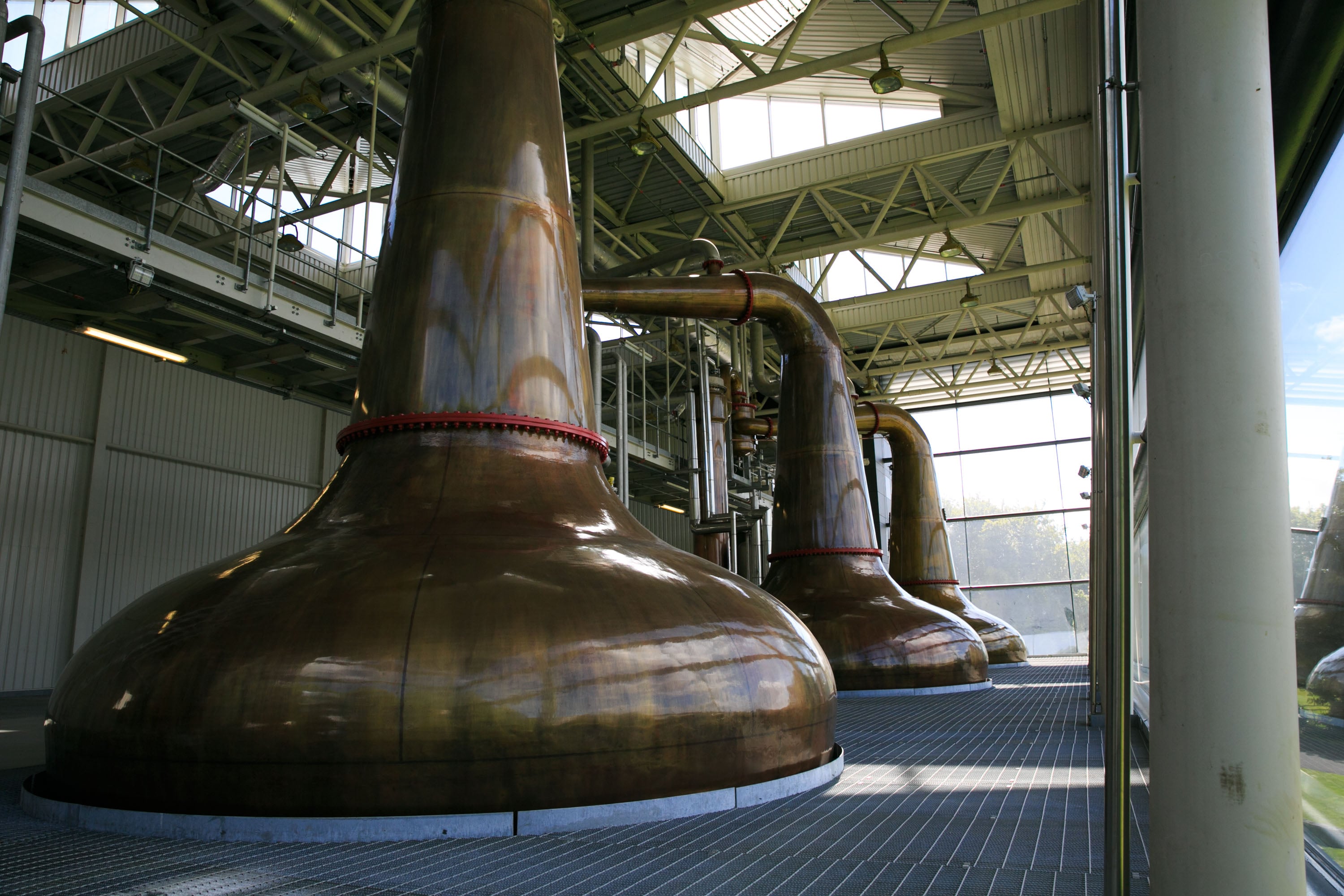
It’s likely that the common Irish practice of triple distillation arose with the proliferation of pot still whiskey. This is because green cereals – that is to say un-malted cereals – give slightly lower yield of alcohol than pure malted barley. By distilling a third time, producers were able to extract more alcohol from their wash and in doing so codify the lighter, brighter form of whiskey for which Ireland is known to this day.
The decline and rebirth of pot still
For a time, Irish pot still whiskey eclipsed both bourbon and Scotch in terms of popularity, but the 20th century brought serious challenges to the erstwhile prosperous industry.
The struggle for Irish independence, the loss of the crucial US market during prohibition, and competition from blended Scottish whiskies all took their toll. Distilleries fell silent across the island and by the mid-1970s only two remained in operation – Bushmills in the north and Midleton in County Cork.
The widespread adoption of the column still for making cheaper grain whiskies saw famous brands like Powers and Jameson reinvented as blends. Green Spot, made in small quantities at Midleton, was the only pot still whiskey that remained on shelves. It appeared then that this traditional spirit might be lost to history. Thankfully for whiskey drinkers, the difficult years were not to last forever.
The 1990s brought renewed interest in Irish whiskey, as brands like Jameson and Bushmills found new audiences around the world. By the 2010s, new distilleries were coming online around Ireland. Some of these – including Teeling in Dublin and Dingle in Kerry – are rediscovering pot still whiskey. While the future promises a greater range of pot still whiskies than we’ve seen in living memory, long-aged casks of this uniquely Irish spirit are precious things today.
For fans of Scottish and Japanese whiskies, the particular character of pot still offers a chance to try a different form of whiskey – one made to the same high standards as single malt, but with a set of flavours all its own. While there was a time in recent history when whisky drinkers were often committed to a particular region, the spread of distilling around the world has fostered a more open-minded sense in many of us that great whiskey can come from anywhere.
This in turn means that pot still, which was once so close to disappearing completely, has taken on a new relevance to enthusiasts everywhere. We are even beginning to see a revival of pot-distilled whiskies made with a combination of grains in Japan, Scotland and the United States. For anyone who appreciates a nice dram, this can only be a good thing.




