


 United States — would you like to set this as your default country of delivery?


 Trade
Trade  Shops & Events
  Customer Service
 Pisco Guide: Understanding the Spirit of Peru and Chile
Get to know these distinctive grape brandies born in Peru and Chile, from their early history to the rise to the grapes varietals and regulations in its production, and the rise to ubiquity of the Pisco Sour

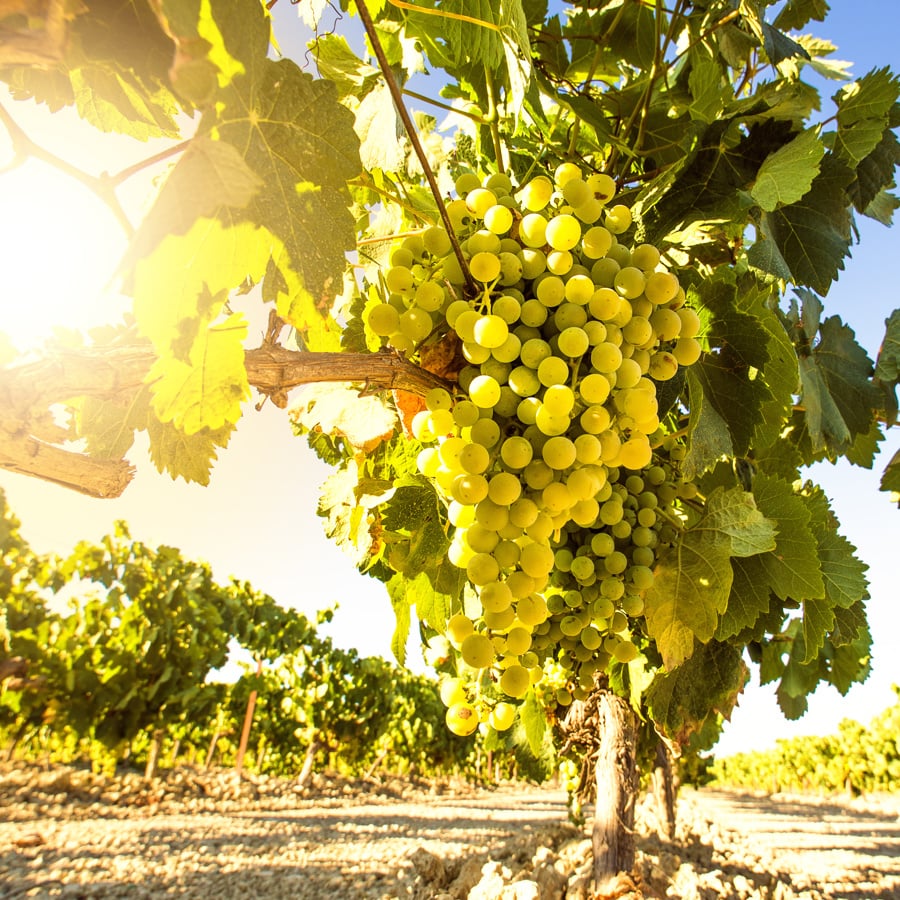
Aromatic grapes destined to be made into Peruvian pisco
The story of pisco spans more than 400 years, from the cultivation of the first vineyards in the region to the rise of the ever-popular Pisco Sour. Pisco is a South American grape brandy originating in certain regions of Peru and Chile, and made in a similar way to Cognac, using fresh white wines and copper pot stills. But unlike cognac, the vast majority come to market perfectly clear and unaged.
The broad range of grapes used to make pisco and the varying growing conditions across the production areas make for a diverse spirit of great complexity and character. What began with Spanish colonists growing grapes in ‘El Nuevo Mundo’ to make sacramental wine led to the creation of a unique spirit whose origins remain fiercely debated to this day.
The history of pisco
Spanish colonists planted grapes in what is now Peru in the mid-16th century, spreading viticulture through modern-day Argentina and Chile shortly after. In 1524, Hernán Cortés ordered that every Spanish settlement in the New World grow grapes to supply their missions with sacramental wine, laying the foundation for winemaking – and eventually distillation – across the region.
Among the settlers were distillers who had carried copper alembics with them from the Old World. Though the date the first brandy was made in South America is unknown, we can assume it followed swiftly after the first Spanish vines took purchase in the shadow of the Andes. By 1764, the term aguardiente de pisco appeared in customs records in Spain, showing that brandy from South America was already being traded in significant quantities.
Pisco gained continued to gain prominence during the California Gold Rush, where thousands of prospectors from South America arrived in San Francisco, bringing supplies of pisco with them. It quickly became a favourite in the city, with a craze that lasted until Prohibition. By 1903, the first printed recipe for a ‘Pisco Cocktail’ appeared, featuring egg white, lime juice, and sugar – a variation on the sours that had been popular in North America since the mid-19th century.
The drink’s reputation was further cemented when American bartender Victor ‘Gringo’ Morris opened a bar in Lima, serving Pisco Sours that became a hit with visitors. Over time, pisco’s popularity spread globally, but its origins remained a source of debate. In 1931, Chile declared a Denomination of Origin, setting production rules and claiming the city of La Unión as its birthplace. 60 years later, Peru established its own DOC, leaving us with the two distinct styles of pisco that are enjoyed around the world today.
Peru vs Chile
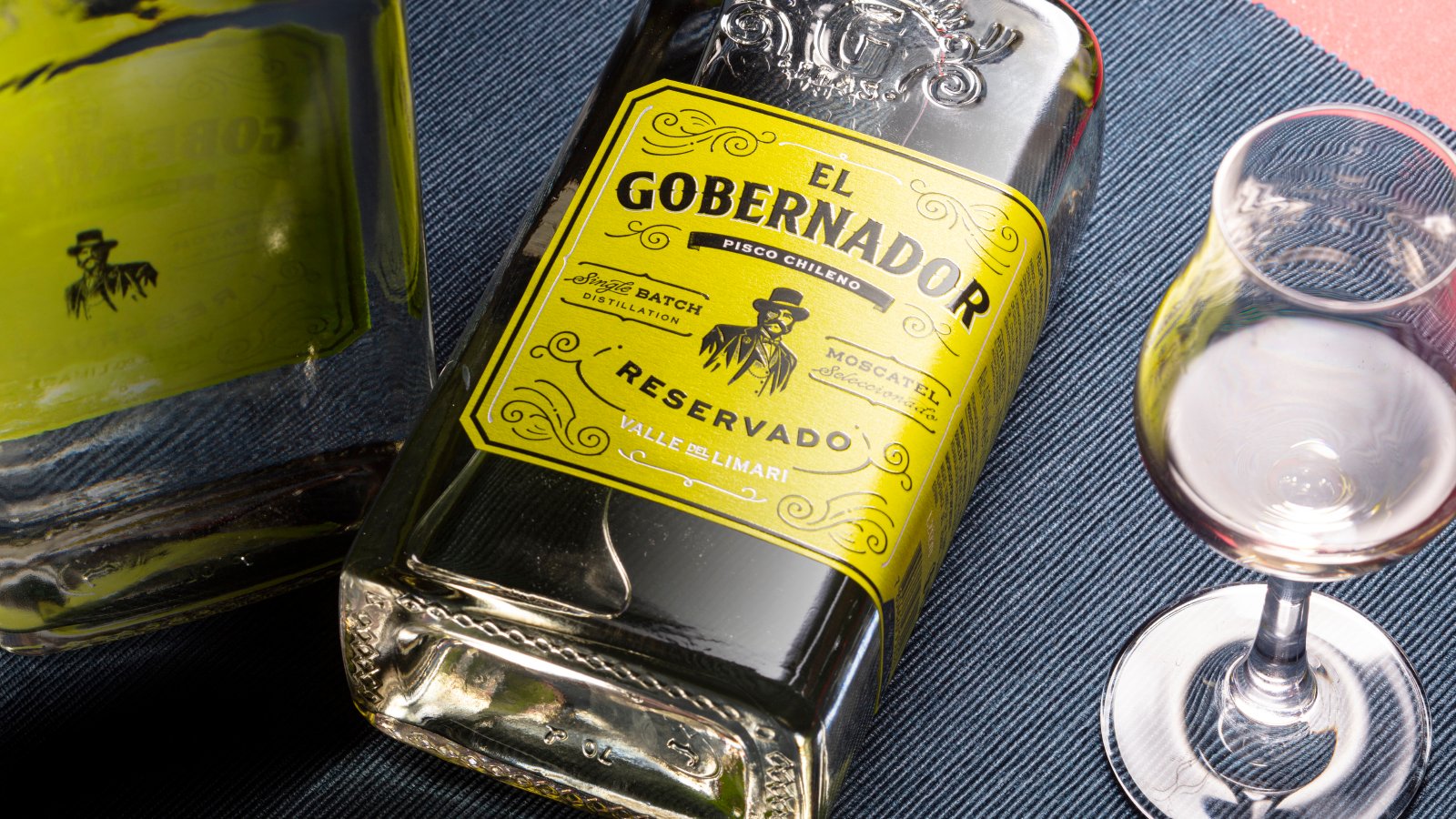
The debate over which nation can claim original ownership of pisco is hotly contested. Both Peru and Chile produce pisco, and international markets such as the United States and the European Union recognise the spirit as coming from both countries. However, the two governments continue to compete over the rights to the name on the global stage.
Despite sharing the same basic foundation, each country’s pisco has its own distinctive character. Peruvian pisco tends to have a more rustic, funky profile – which might appeal to fans of mezcal or Armagnac – while Chilean pisco is lighter in style.
As for the name itself, its origins are clouded in history, with several competing theories. One possibility is that it comes from the clay pots used by the indigenous Nazca people of Peru. These pottery vessels, called pisku, were ideal for storing and transporting food and beverages long before European settlers arrived. Another popular theory ties the name to the coastal town of Pisco in Peru, which gets its name from the Quechuan word for ‘bird.’ So the story goes, this was a key port through which local brandy left the country.
Chile also offers its own version of events, with the town of La Unión being renamed Pisco Elqui in 1936 to emphasise its claim as the birthplace of modern pisco. This version of events fails to provide a concrete origin but it’s the story that endures in Chile. Lastly, some believe that the word pishku from the Mapuche language, meaning ‘cooked’ or ‘stewed,’ might have evolved to describe distilled alcohol, a term used by Spanish colonists in Chile.
With so many competing narratives, the true origin of the name ‘pisco’ may remain lost to history.
How is pisco made?
Pisco is made similarly to other brandies, by distilling grape must. However, regulations specific to both Peru and Chile govern the fundamental production methods in each country.
Chile
- Pisco may only be made using pot stills but can be distilled multiple times.
- It is permissible to add water to standardise the proof of pisco, but no other additives are allowed.
- Producers in Chile have the option to age their spirits in cask. American and French oak is used, as is the native rauli tree.
Peru
- Peruvian pisco can be distilled only once, using a copper pot still.
- Nothing can be added to the pisco after distillation, not even water.
- Fresh pisco must be rested for a minimum of three months in non-reactive vessels, typically made from glass or stainless steel.
- No oak ageing is permitted.
The grapes of pisco
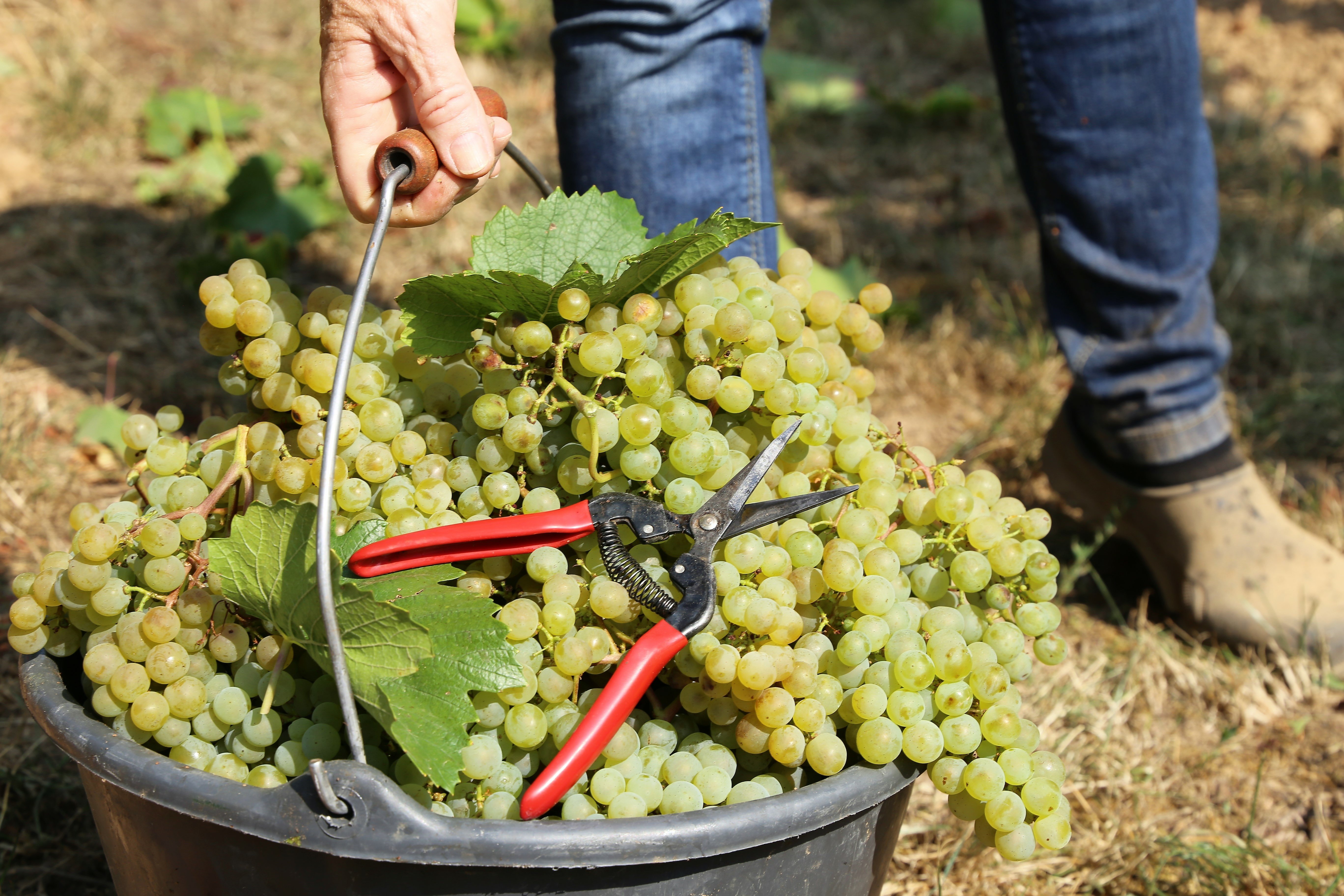
Many of the grapes used in pisco production in Peru are varieties born locally but descended from those original Spanish cuttings. Here are a few of the core varieties.
Non-aromatic grapes in Peru
Despite what the name might imply, these grapes bring plenty of character and texture to pisco – each one developing different flavours that derive from its particular terroir.
Quebranta
The most widely used grape in Peruvian pisco, known for its body and earthy, nutty notes.
Mollar
A softer variety that brings subtle fruitiness and a velvety mouthfeel.
Uvina
This is grown in select regions, adding green and herbal complexity.
Negra Criolla
One of the original grapes brought from Spain, it produces a delicate pisco.
Aromatic grapes in Peru
These intensely flavoursome varieties are derived from Muscat. They tend to produce bright, highly perfumed pisco popular with bartenders.
Italia
A highly fragrant grape offering a mix of tropical fruit and floral aromas.
Moscatel
Delivers floral, citrus, and honeyed notes with a fresh, lively character.
Albilla
An incredibly delicate grape, contributing soft fruit and floral notes with a crisp finish.
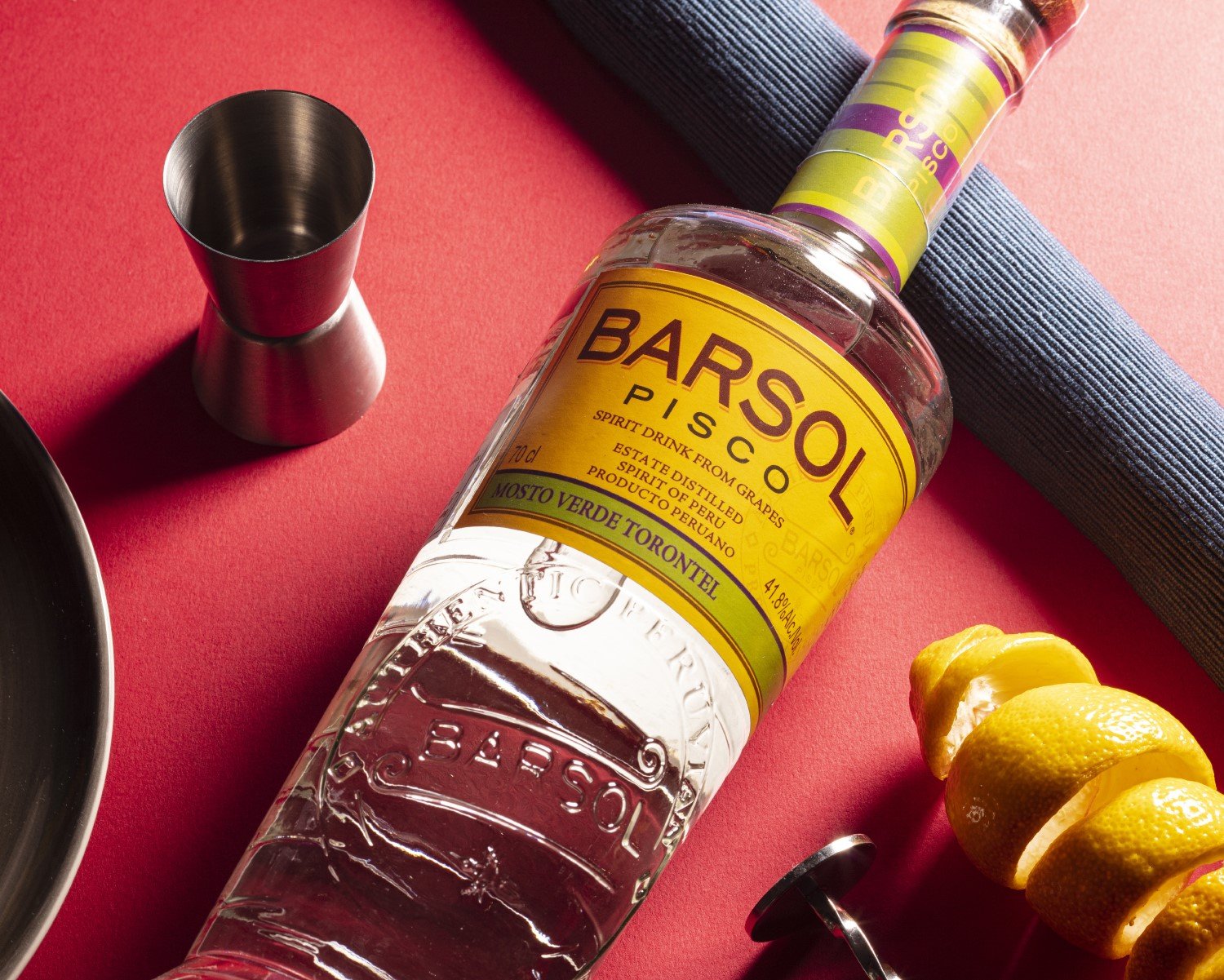
Torontel
Known for its striking floral and citrus profile, often compared to orange blossom and jasmine.
Chilean grapes
Chilean pisco regulations specify ten different grape varieties, focused on the more aromatic varieties grown in the country. However, the vast majority of production is accounted for by the Torontel, Pedro Jiménez (Known as Pedro Ximénez in Spain), and several locally recognised species of Muscat.
Styles of pisco
- Puro, refers to pisco made with a single type of grape. If the label has the name of a variety, such as Quebranta, on the label you're dealing with a puro pisco.
- Acholado means a pisco made from a blend of different grape varieties, either distilled together or blended after distillation.
- Mosto verde is a particularly sought-after style made by distilling partially fermented grape must, skins and all. These are particularly fresh and vibrant styles of pisco.
- Transparente is what Chilean producers call unaged pisco. There is no equivalent term in Peru as they do not age their pisco.
How to drink pisco
All you really need to enjoy pisco is a tasting glass and some good friends to share it with, though its bright and fruity character makes it an excellent base for cocktails. In Chile, the Piscola – made with a healthy measure of pisco topped with cola – is a firm favourite, but the most famous drink internationally is by far the Pisco Sour.
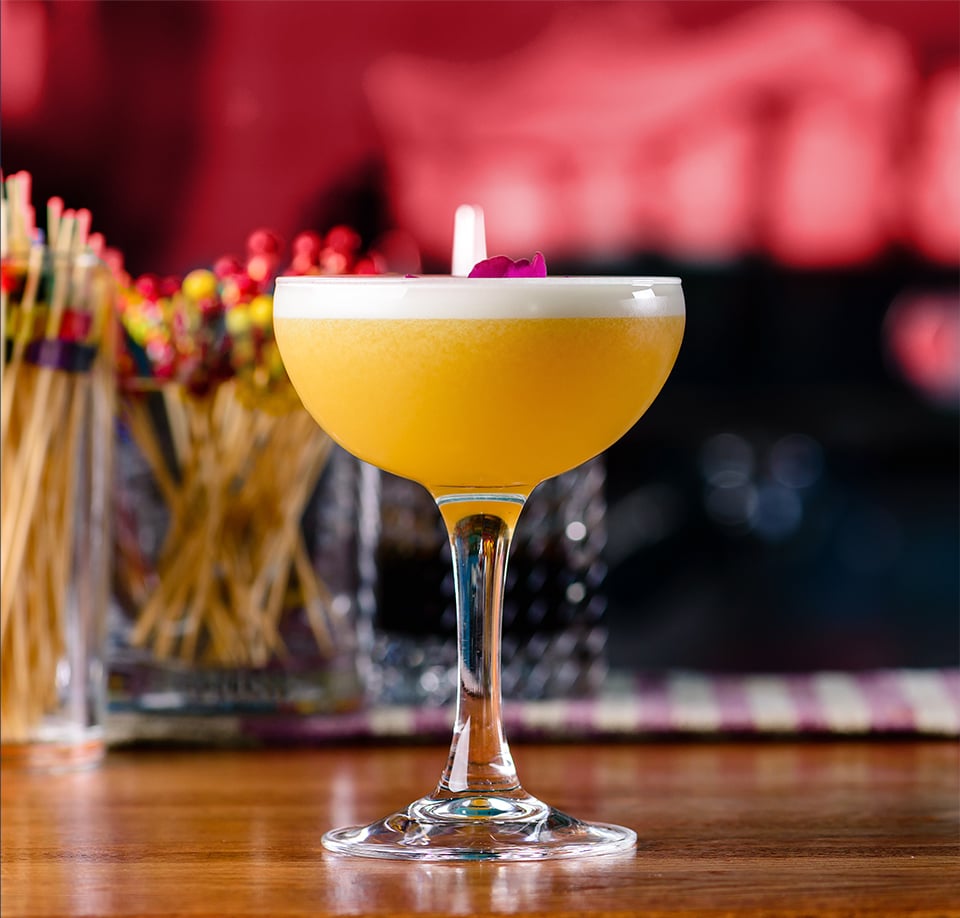
Like rye whiskey and the Manhattan or gin and the Martini, pisco is inextricably linked to this iconic drink, which helped to spread pisco around the world, offering a simple serve that showcases the unique characteristics of this one-of-a-kind spirit.


