


 United States — would you like to set this as your default country of delivery?


 Trade
Trade  Shops & Events
  Customer Service
 The Essential Guide to Japanese Sake Styles
Sake is Japan’s national drink and it’s growing in popularity around the world. However, it is still not widely understood outside of its native country. So, what is sake?

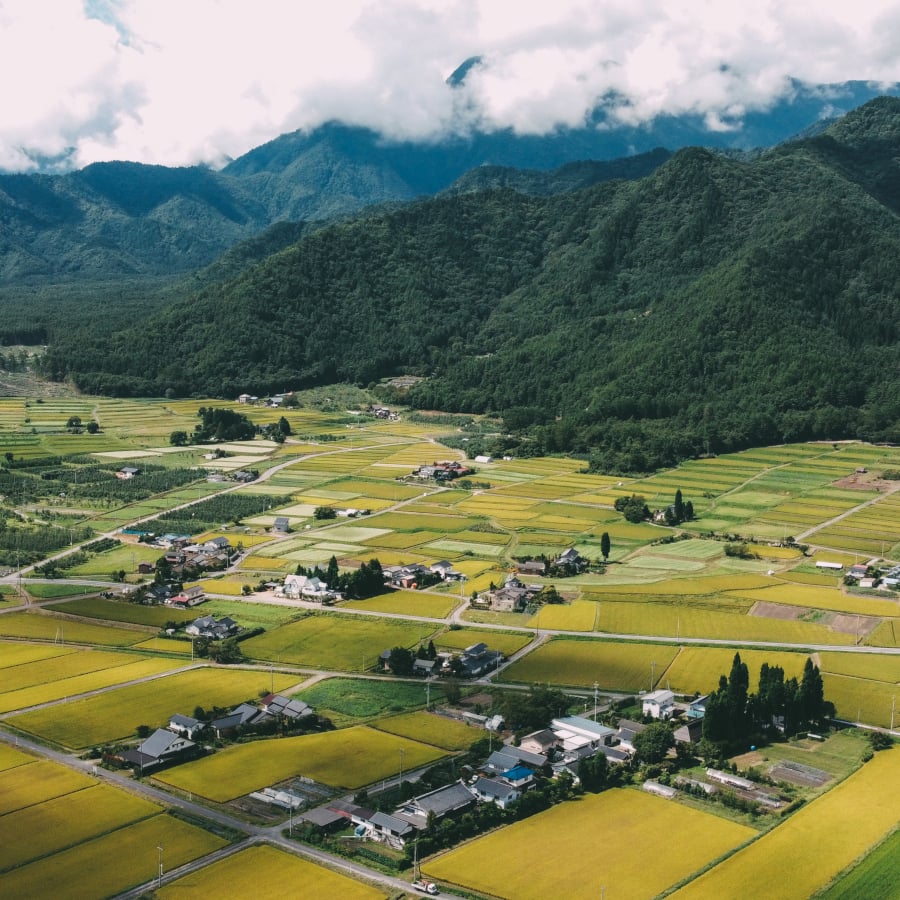
Spread across the whole of Japan, fields not only grow the country's staple food but also the key ingredient of sake: rice
World Sake Imports
Simply put, sake is a fermented alcoholic drink made from rice. Despite it often being called rice wine, it is actually more similar to a beer – wine is made from fruit while beer is made from grain, each requiring different approaches to production.
The first written records of sake appeared in the 3rd century CE, but it is thought that production stretches back much further than that. It’s likely the knowledge of how to make alcoholic drinks was imported from China along with rice cultivation between the 5th and 3rd century BCE. These days, making alcoholic drinks from rice is common in both China and Japan, but the traditions and methods are very different.
The past century has seen rapid change in sake making, with new technology helping brewers refine existing styles and create brand-new ones. It is an everyday drink in Japan, poured to accompany meals and drunk for enjoyment by people across the country. However, it is still almost all consumed within its native country – only around 5% is exported.
With the rise in popularity in Japanese food, and Japanese culture in general, has come interest in sake, and finally we are seeing more coming to the UK, giving us a wider range of drinks to try than in years past.
How is sake made?
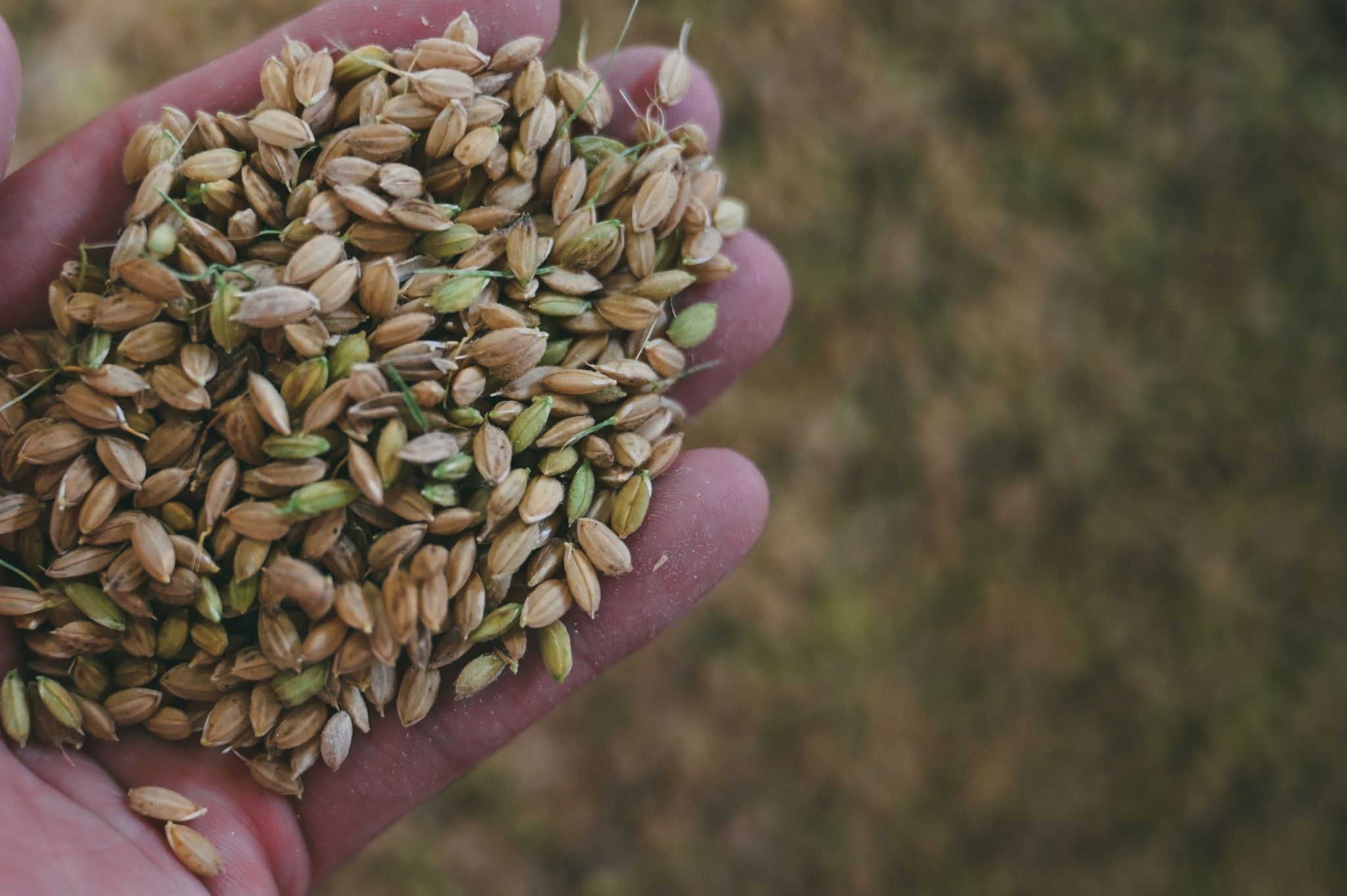
Sake starts with polished rice – rice where the outer layers have been polished away to reveal the starchy inner core. The level of polishing is expressed as a percentage showing how much of the rice grain is left – 70% polished means that 30% of the grain has been removed. The lower polishing ratio percentage, the greater proportion of the grain that has been polished away.
The outer layers of the grain contain more flavour compounds so rice with a higher polishing ratio – those with less of the grain removed – will lead to sakes that focus more on the flavour of the rice, while those with lower ratios will focus more on flavours created during the production process.
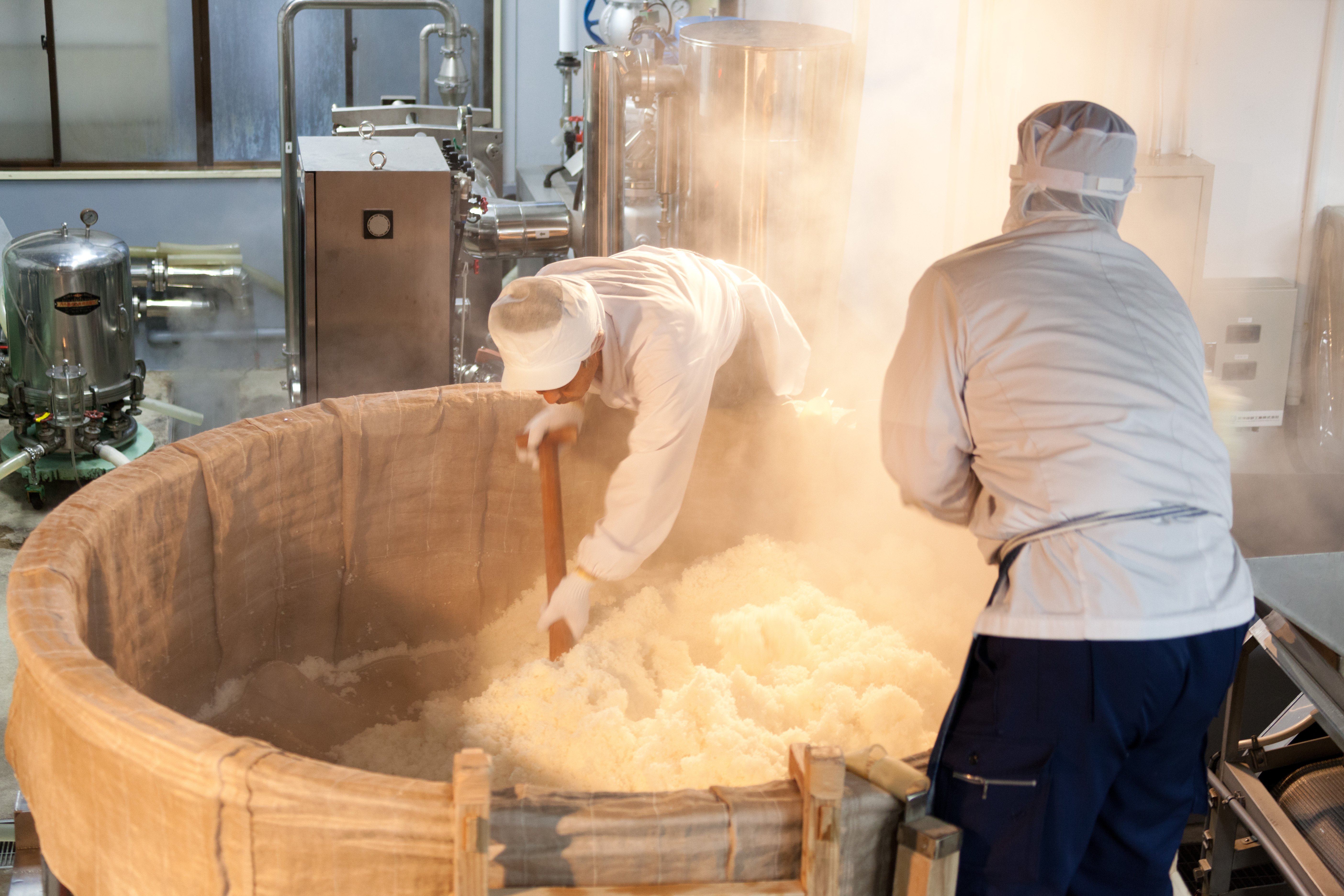
After the rice is polished, it is washed and steamed, preparing the starch in the rice to be converted into sugar. This sugar will in turn be converted into alcohol by yeast in a process called fermentation.
In western drinks, this conversion from starch into sugar is usually done using malted grain – malt contains enzymes that chop up starch chains into sugars. However, in Japan, a mould called koji is used instead – it produces similar enzymes and has the same effect.
Rather than converting the starch into sugar as a first step and then fermenting separately, in sake we do both at the same time – as the koji breaks down starch into sugar the yeast converts it into alcohol.
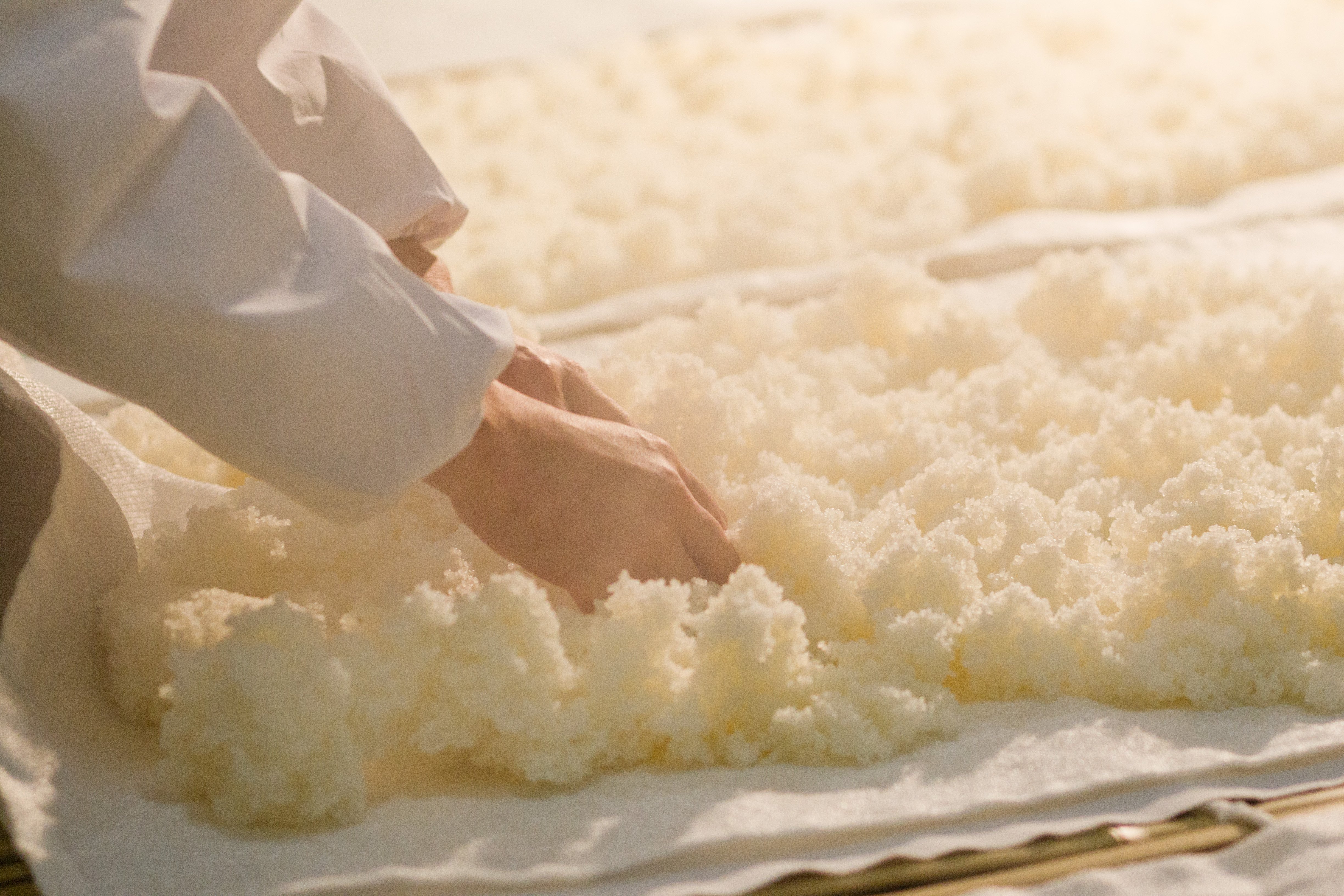
Once we have our cooked rice, we first use some of it to grow koji. Mould spores are shaken on to the rice and then nurtured until enough of the rice has been inoculated to ensure that we’ll have an appropriate amount of enzymes to convert our starch into sugar.
Once we have koji, we can start the process of making sake. The koji-covered rice is added to more steamed rice along with water and a fermentation starter – a mixture of rice, yeast and koji that has enough enzymes and yeast to get the process going reliably. This moromi (a thick liquid packed with rice solids) is then left to brew, carefully monitored and with the temperature controlled as necessary, for between 14 and 35 days. Different styles and grades of sake require different lengths of time to create the desired flavours.
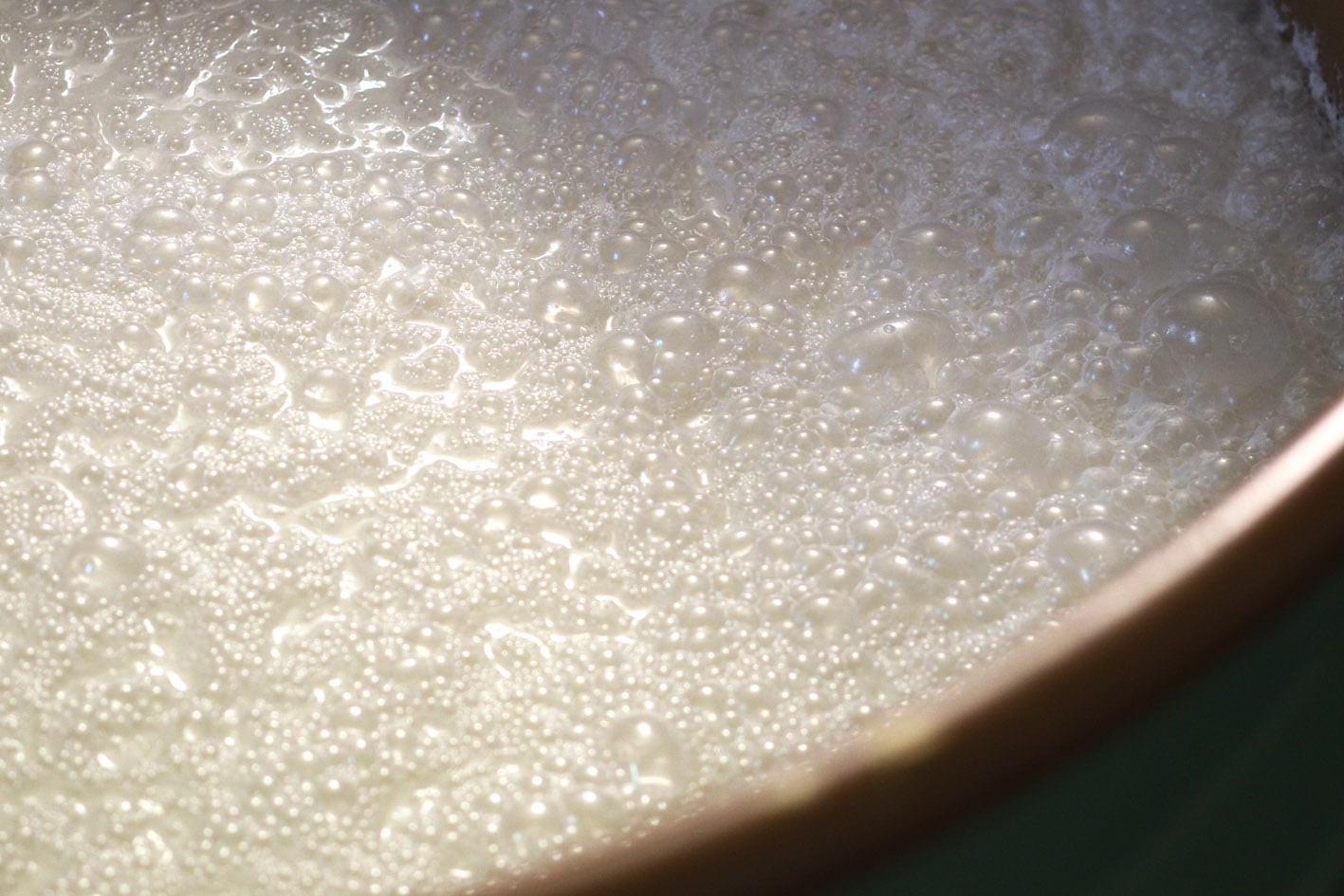
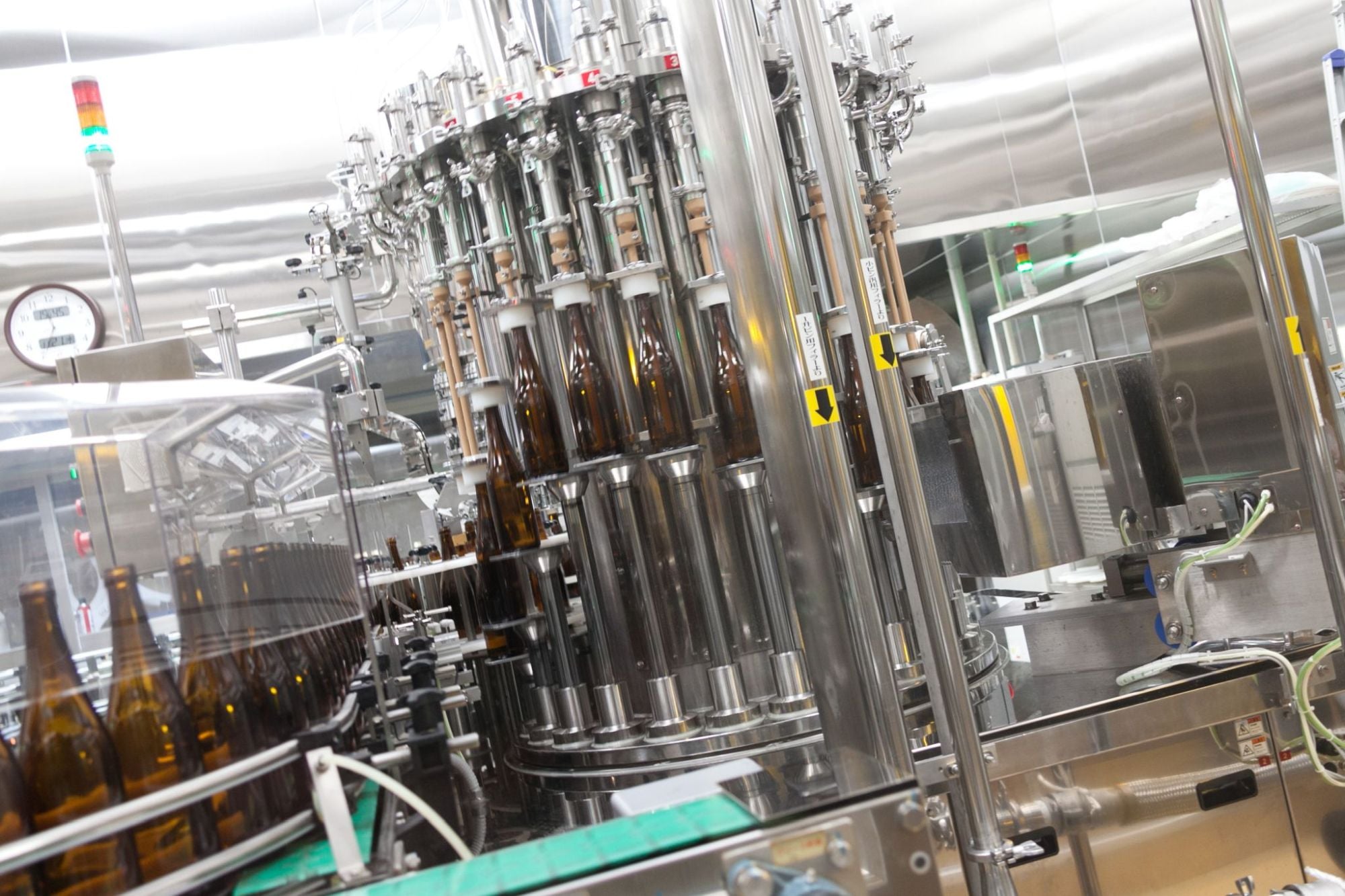
Once the sake has finished fermenting, it is pressed and filtered to remove rice solids. It is then usually pasteurised for flavour stability before making its way into world to be enjoyed.
What are the main grades of sake?
While the sake making process is relatively simple, different styles require careful manipulation and selection of temperature, length of fermentation, types of yeast, types of koji, rice varieties and much more. This leads to a variety of styles and legal grades of sake, each with different characters. However, one process needs to be understood before we can break these down.
Many sakes have a small amount of distilled spirit – called jozo alcohol – added to them before pressing and filtration. This is generally not done to increase the strength of the final sake, but instead to change the flavour – many of the flavour compounds in unpressed sake are more soluble in alcohol, and adding some spirit allows more of them to be extracted during pressing. Usually, the brewer will then add water after pressing to drop things back to the original level of alcohol. This combination of adding water and alcohol will dilute the sake, but will also bring out different flavours. It is very common in sake production, and anything that does not declare that it is junmai – ‘pure rice’ – will have added jozo alcohol.
The legal styles:
- Honjozo – a sake made with rice polished to at most 70%. Jozo alcohol is added.
- Junmai – when stated on its own, this means a sake made with polished rice of any polishing ratio. No jozo alcohol is added.
- Ginjo – a sake made with rice polished to at most 60%. Unless it is declared to be a junmai ginjo, jozo alcohol has been added.
- Daiginjo – a sake made with rice polished to at most 50%. Unless it is declared to be a junmai daiginjo, jozo alcohol has been added.
While the legal styles are focused on polishing ratios and the addition of jozo alcohol, there is flexibility to use the category that corresponds to the flavour profile of your sake. Ginjo- and daiginjo-style sakes show more pronounced fruit notes – known as ginjo aromas – which can only be achieved with high polishing ratios. However, if a producer creates a sake without that character despite a high polishing ratio, they will probably call it a honjozo or junmai to ensure that drinkers know what it will taste like.
While sakes with ginjo aromas are highly prized, they are not necessarily ‘better’ than honjozo or junmai sakes, and you can find examples of all qualities across these grades.
However, this grading system is only applied to premium sake – tokutei-meisho-shu. Sake outside of these grades is referred to as futsu-shu, and can have more jozo alcohol added as well as flavourings and sweeteners. It is generally a less premium product, although some specialist producers create very interesting sakes outside of the tokutei-meisho-shu grades.
Other sake terms
- Genshu – ‘undiluted sake’: most sake will be diluted to the desired bottling strength with water after fermentation and before bottling. Genshu sake does not have this dilution.
- Tokubetsu – ‘special’: if you see this on a label, it means that either a special sake rice was used to make the sake (often yamadanishiki, considered the best variety) or a special process recognised by the law has been used during production. If it is applied to junmai or honjozo, it means that the rice used has been polished to at most 60% – while producers could call this ginjo, they will often call it tokubetsu if the sake doesn’t show an appropriate level of ginjo aroma.
- Kimoto/yamahai – a pair of old-fashioned methods to make the fermentation starter. They lead to sakes with a higher level of acidity.
- Namazake – ‘unpasteurised sake’: these sakes generally have a fresher flavour as well as occasional nutty notes and an almost fizzy character. As they are unpasteurised they aren’t as shelf stable and are usually drunk soon after bottling, however some people like the malty and meaty character that can develop over time, known as nama-hine.
- Muroka – ‘not charcoal filtered’: lots of sake has a pale yellow-green colour after pressing, and is often further fined with activated charcoal to ensure that it is perfectly colourless. This can also remove other flavours, so some producers don’t do this extra step – they use the term muroka on their labels to indicate this.
What are the main styles of sake?
- Crisp and clean – one of the most common styles of modern sake was pioneered in Niigata prefecture on the west coast of Japan. It’s known as an excellent rice-growing region and consequently has a large number of sake breweries. The style that it best known for is very crisp and clean, with a light intensity of flavour and an abrupt short finish, known as a kire finish.
- Umami rich – at the other end of the spectrum to Niigata sake, there are many that focus on rich, savoury umami flavours – the fifth taste our tongue can detect: savouriness. While most sake will have at least some umami character, this style of sake focuses on it, bringing in rich flavours created from the outer layers of the rice grain and careful attention throughout production.
- Ginjo aroma – maybe the most highly prized sakes display ginjo aromas: fresh and fruity character created during fermentation rather than being driven by the flavour of the rice itself. To make a ginjo or daiginjo (literally ‘big ginjo’) sake, you need highly polished rice to minimise the introduction of other flavours and long, slow fermentation at very cool temperatures to boost the production of ginjo aromas. The result is a refined and fruity style of sake, which started out as a demonstration of a brewers skill reserved for competitions, but has gradually become a readily available mainstream style.
- Sparkling – a very modern style, sparkling sake is still developing and finding its identity. Simply ‘sake with bubbles’, it is created in a variety of different ways, from merely infusing sake with carbon dioxide to a full Champagne-style, yeast-derived carbonation.
- Nigori – while all sake has to be legally filtered in some way, how much is not defined. As such, many producers make a very lightly filtered sake called nigori, which will still contain rice solids, giving it a cloudy appearance. This can vary from a light haze to entirely opaque and milky sakes, giving rice flavour and boosting the texture compared to normally filtered sake. The haze can settle out over time, so bottles are generally gently shaken before pouring to ensure an even distribution.
- Koshu – while most sake is drunk fairly fresh, often rested at the brewery for up to a year before release with namazake and other specialist styles hitting the market sometimes within weeks of brewing, some is aged for long to create a different style: koshu. These sakes – usually higher in acidity and sugar – are aged in ceramic or metal tanks (with wooden casks being rare) for a number of years, allowing them to develop oxidative flavours of toffee, caramel and nuts, as well as pickled vegetables and soy sauce with longer ageing.
- Taruzake – literally ‘barrel sake’. While brewers don’t often mature sake in the same way that spirit makers in the west do, with many years in oak casks, one specialist style does use wood. Taruzake is generally stored in cedar casks for a matter of weeks, recreating a previous era, where sake was transported in similar casks. It is often found at weddings and other special occasions, with whole casks tapped and drunk as part of the celebrations. It is also available by the bottle for when a large enough crowd can’t be gathered.
- Kijoshu – sake usually will have some residual sweetness, however kijoshu takes this to the next level. It was created as an attempt to emulate some of the character of Sauternes and other noble-rot wines, and uses a process where sake is added during production rather than water, allowing the fermentation to get to the right level of alcohol early, before as much of the sugar as usual has been eaten by the yeast. The result is a rich and sweet style of sake, that is often aged – its high acidity and sweetness make it ideal.
How do you drink sake?
Temperature
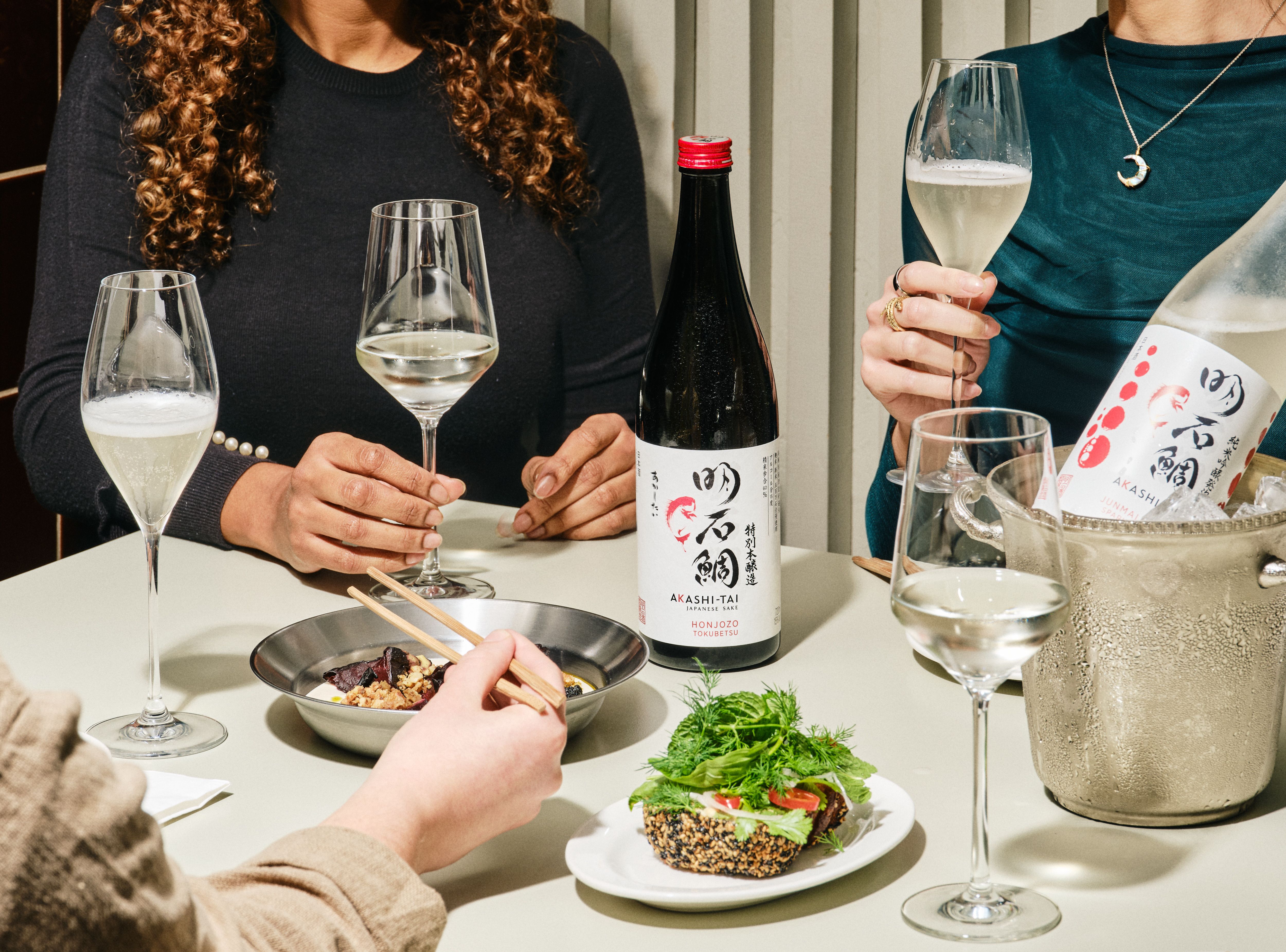
While outside of its native Japan, sake has often been noted as being served warm, this is only part of the tradition of how sake is drunk.
The temperature at which sake is served is very important to how its aromas and flavours are experienced. Colder sake will generally be more subdued in character, but will let certain flavours shine, while hot sake will enhance richness, body and acidity, and can increase the intensity of the alcohol.
While it is very much down to personal taste, generally sakes with higher levels of umami, made using yamahai and kimoto starters, or those that have been matured can benefit from being served warm (kan-zake). Sakes with ginjo aromas and fresh namazake should usually be served cold (rei-shu), as they can lose their delicate character when warmed. Sparkling sake should always be served cold, as heating it will quickly cause it to lose its bubbles.
There are many named temperatures within sake tradition, varying from 5°C to 55°C, and it’s worth experimenting to find the temperature that suits you, which will vary between sakes. We’d recommend beginning hot – 50°C (atsu-kan, hot) and 40°C (nuru-kan, lukewarm) are good to start – and then letting the sake cool, tasting as you go. At some point you’ll hit a sweet spot of flavours, and if you measure the temperature you can use the information next time you drink that sake.
To heat sake, the usual method is to use a water bath, pouring the sake into a jug and then immersing that in a container of ~80°C water for a few minutes, measuring the temperature as you go. However, popping your sake in the microwave – in a suitable microwaveable vessel – for 20-40 seconds (for a standard 180ml serve) will also work.
For cold sake, you can serve straight from the fridge, or leave your bottle out to warm slightly before pouring.
What to drink from
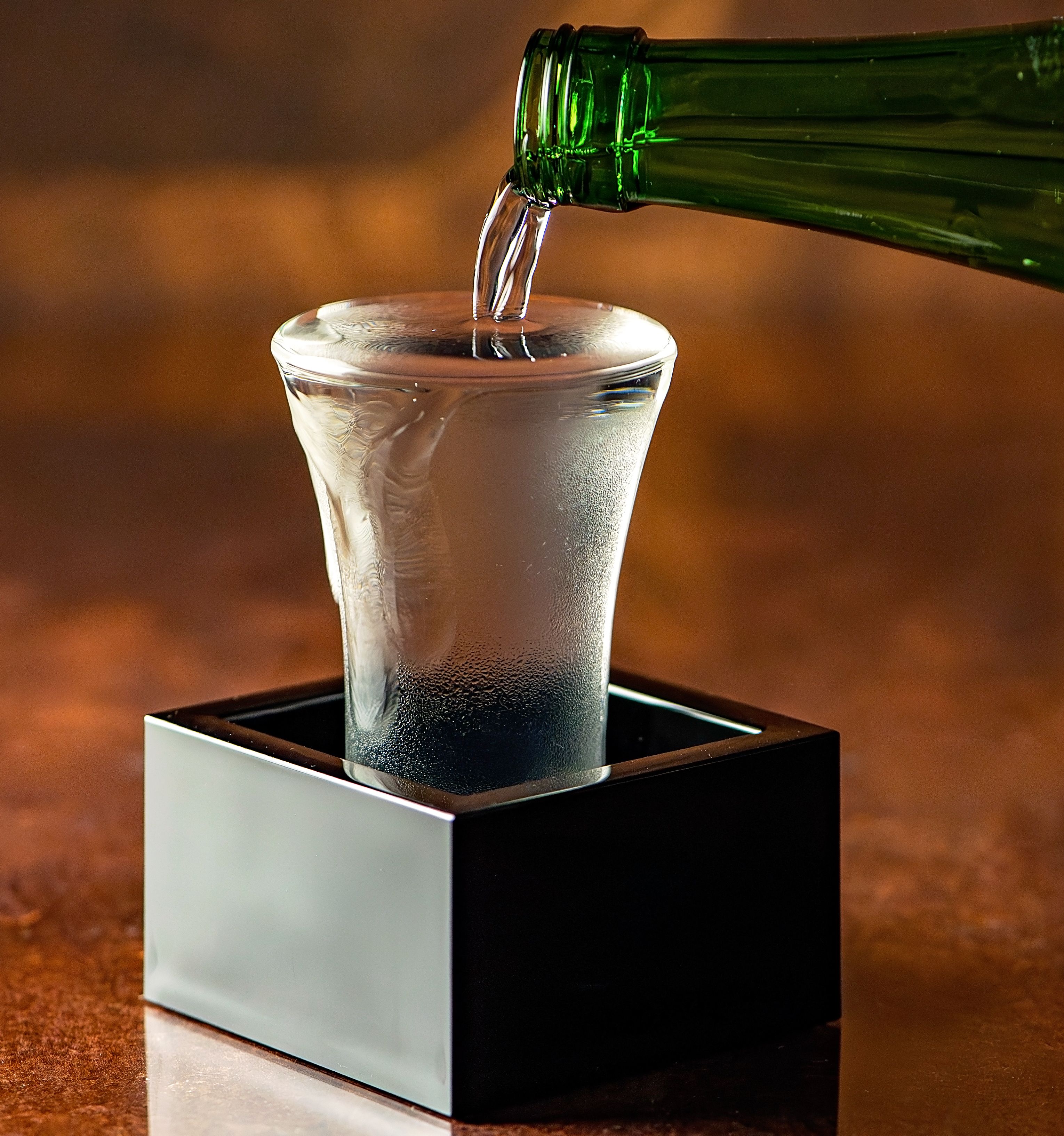
There is a whole range of sake service-ware available, both traditional and non, and what you use is very much a matter of personal choice. However, here are some options:
- Wine glasses – these are perfect for enjoying unheated sake, from fridge cold to room temperature. The shape of the glass is great for enhancing delicate aromas and they’re not so big that chilled sake will warm up too much while being drunk.
- O-choko – a traditional cup, which holds about 60ml of sake. They can be pottery or glass, and are usually cylindrical with a flat bottom. You can also find guinomi, a large and thicker-walled type of o-choko that is used for warmed sake.
- Masu – a small open-topped wooden box, originally used for measuring volume, especially of rice – the standard sake masu is one go in size, 180ml. They are usually made of aromatic Japanese cypress wood (hinoki) and are generally used in ceremonial occasions. However, they can often be found in restaurants, where a cup or glass will be placed in the box and then filled to overflowing, showing the generosity of the establishment. They’re quite awkward to drink out of, but the aroma of the wood adds an extra element to the experience.
- Tokkuri – the traditional serving vessel: a narrow-necked carafe used for serving sake when it is not poured directly from the bottle. These usually hold 2-5 glasses of sake and are usally pottery.
Sake cups are not all that big and will need to be refilled often. This is all part of Japanese drinking tradition, and you should regularly top up your companions' drinks. It’s all part of the fun and tradition of drinking sake.
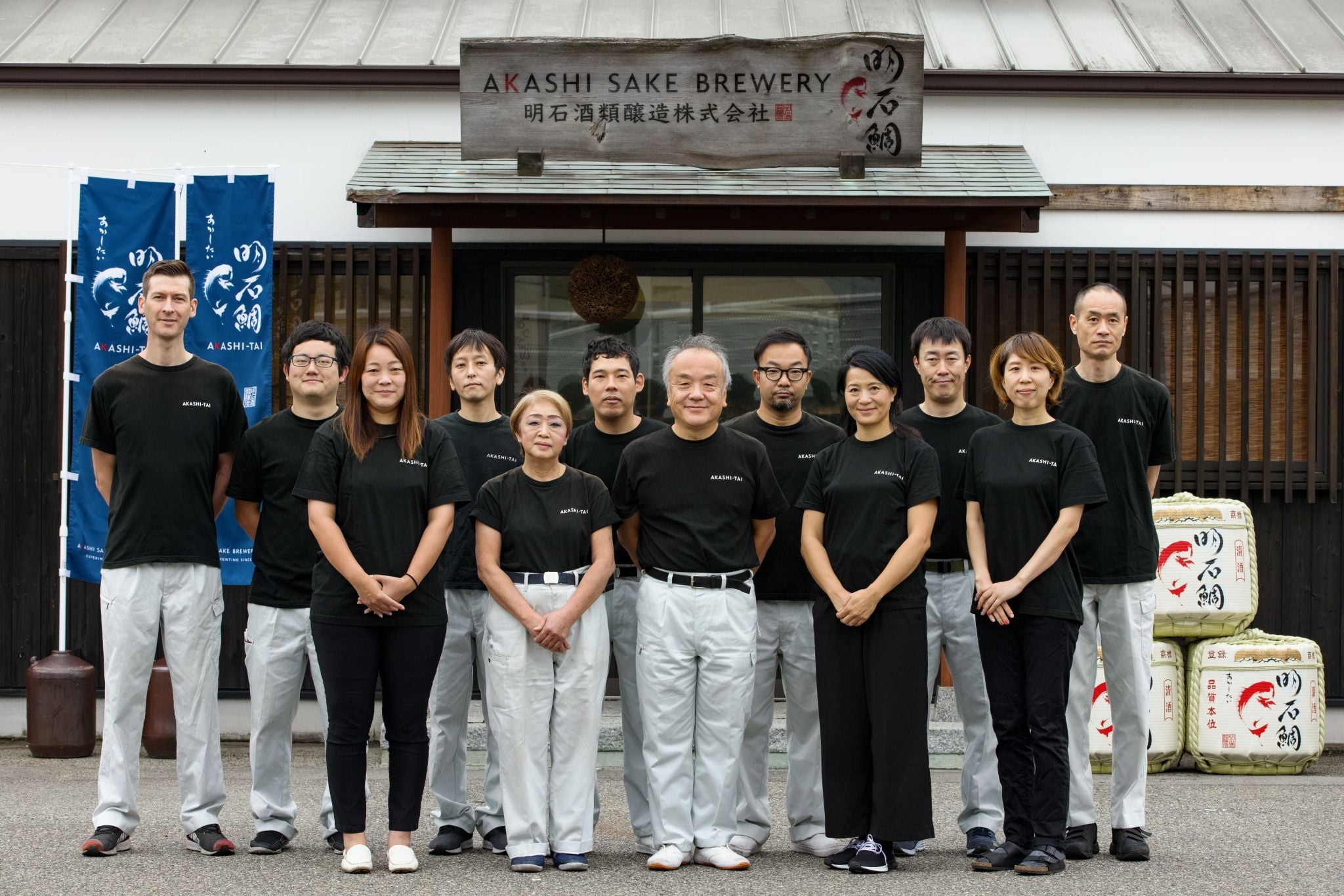
Thanks to Akashi Brewery and World Sake Imports for the images used in this article.

Tamagawa Red Label Junmai
£36.25

Akashi-Tai Junmai Tokubetsu Yamadanishiki
£16.95

Akashi-Tai Honjozo Tokubetsu Gohyakumangoku
£25.50

Dewazakura Oka Ginjo
£14.25

Koshi no Kanbai Sai Ginjo
£39.95

Sakari No.11 Junmai Daiginjo Sake
Out Of Stock

Akashi-Tai Daiginjo Genshu YamadanishikiSmall Bottle
£22.50

Masumi Origarami Sparkling Sake
£48.50

Ginjo Pearl Sparkling Sake
Out Of Stock

