


 United States — would you like to set this as your default country of delivery?


 Trade
Trade  Shops & Events
  Customer Service
 Why Is Scotch Whisky Aged in Bourbon Barrels?
We explore the enduring link between American oak and Scotch whisky and ask why ex-bourbon barrels are by far the most popular cask for ageing single malts.

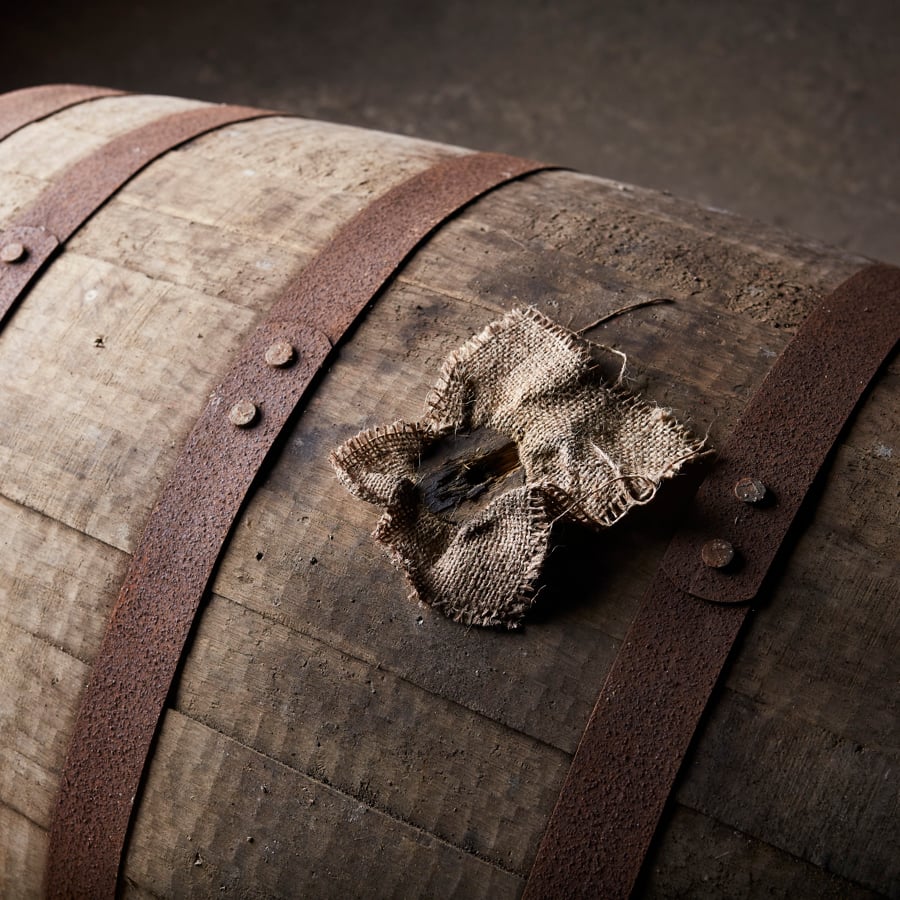
If you’ve ever opened a bottle of whisky and been greeted by aromas of vanilla or coconut, chances are there was an American oak cask somewhere in its past. While whiskies aged in sherry and other wine casks are popular at present, the white oak ex-bourbon barrel is still the most widely used cask type in Scotland. In fact, more than 90% of all whiskies ageing in Scotland currently reside in used bourbon barrels.
While we’re not immune to the charms of a dark, intense sherry bomb, certain whiskies really shine when matured in plain old bourbon casks. The buttercream and vanilla notes from good-quality American oak provide the perfect backdrop to the waxy, fruity character of Clynelish, for instance. Linkwood’s grassy and floral single malts can show beautiful freshness and poise when left to rest in bourbon barrels or hogsheads.
Beyond flavour, there are many reasons that used American oak is the wood of choice in Scotland’s distilleries. But to understand how Scotch whisky became so invested in these casks we need to look back to the first era of cask maturation.
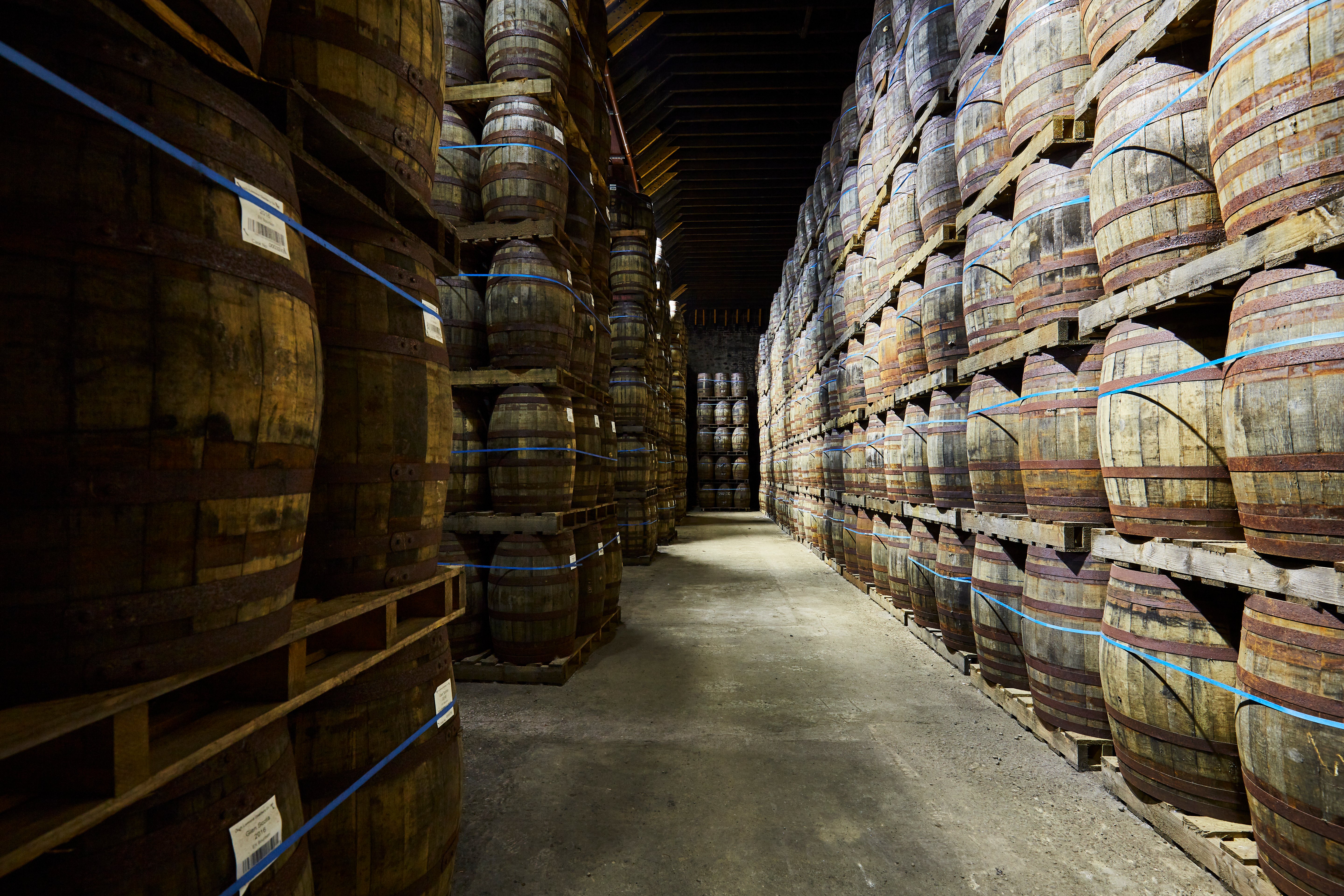
A very short history of casks
When we talk about the early history of whisky, it’s tempting to talk about the arrival of the pot still in Scotland – some time prior to the 15th century. But the truth is that the Celtic peoples has been laying the groundwork for whisky making for millennia. They domesticated barley, which led to centuries of malting and brewing beer, but they were also pioneers of coopering. Wooden casks are strong and watertight, making them ideal for transporting and storing liquids. Crucially though, casks are not airtight and they are not inert. This means that air can get into the cask, vapour within can escape, and the liquid in the cask can interact with the wood – all of which will change the flavour of the contents. This is why spirits in wooden casks evolve over time.
It’s likely that casks were used initially to store and transport prototypical whiskies, but it would have become apparent that time in oak had a profound impact on those spirits. As years pass, a spirit in cask will dissolve flavour compounds in the wood, altering its character. Its colour will change and its volume will decrease as water and alcohol evaporate, further concentrating flavour and changing texture. By the time whisky emerged in its more-or-less modern form during the industrial revolution, cask ageing was an understood part of the process, though not necessarily universal.
In 1915, British Chancellor David Lloyd George passed the first UK law requiring a legal minimum period of oak ageing for Scotch whisky. Initially two years, this would later be raised to three. Lloyd George may have been moved by the belief that ‘immature spirits’ were a greater source of drunkenness and moral decay than the aged spirits the upper crust drank, but the move was still a watershed moment for Scottish distilling. After that, whisky was aged by definition.
Initially, distillers would have used whatever casks they had available. Before container shipping and the introduction of the IBC (intermediate bulk container) they were essential for transporting wine and spirits overseas. When the whisky industry was in its infancy, fortified wines like sherry and madeira, as well as French brandy and rum from the Caribbean colonies, were the drinks of choice in Scotland. This meant an abundance of casks arriving in the country’s ports.
These used casks provided superior results, but the pioneers of Scotch whisky would likely have used whatever they had to hand. There are even some accounts of producers storing their wares in wooden kegs used to transport nails and barrels that previously held herring. Perhaps unsurprisingly, the sherry cask became the ageing vessel of choice for quality whisky.
Why bourbon barrels?
Ex-bourbon casks may have been occasionally available earlier, but they became widespread immediately following the Second World War, when barrel staves started to be shipped to Scotland regularly. Wartime manufacturing regulations had standardised the size of a barrel (43 gallons, or around 200 litres) while a 1938 law passed to protect coopers and lumber mills stipulated that bourbon be aged in new casks only. This meant that distillers in Scotland now had access to a near inexhaustible supply of reliable, pre-used oak in which to age their whisky.
The American white oak tree grows tall and straight, making it easy to cut and cooper. American oak casks are also strong and lightweight, ideal properties for reducing breakages and leaking in the warehouse, making the wood the most common choice for making bourbon barrels. Other species are sometimes used by the American whiskey industry, but the vast majority are white oak. In the mid-20th century, the taste for sherry in Scotland began to wane, which, along with later legislation in Spain that required all its wines be bottled domestically, effectively ended the era of abundant casks leaving Jerez for Glasgow. This meant that bourbon barrels were also significantly cheaper than sherry butts. But these casks aren’t just reliable, affordable and convenient, they also gave great results when used to age Scotch whisky.
New oak is not always ideal for Scottish single malts, as the abundance of flavour compounds in the wood can easily overwhelm the character of the spirit. Producers in Scotland will use new oak to achieve certain effects, but generally speaking used casks are preferred. Sherry and other wine casks will add some of the character of their previous contents if they are used to mature whisky. Bourbon casks, by contrast, are more useful for the flavours in the wood itself.
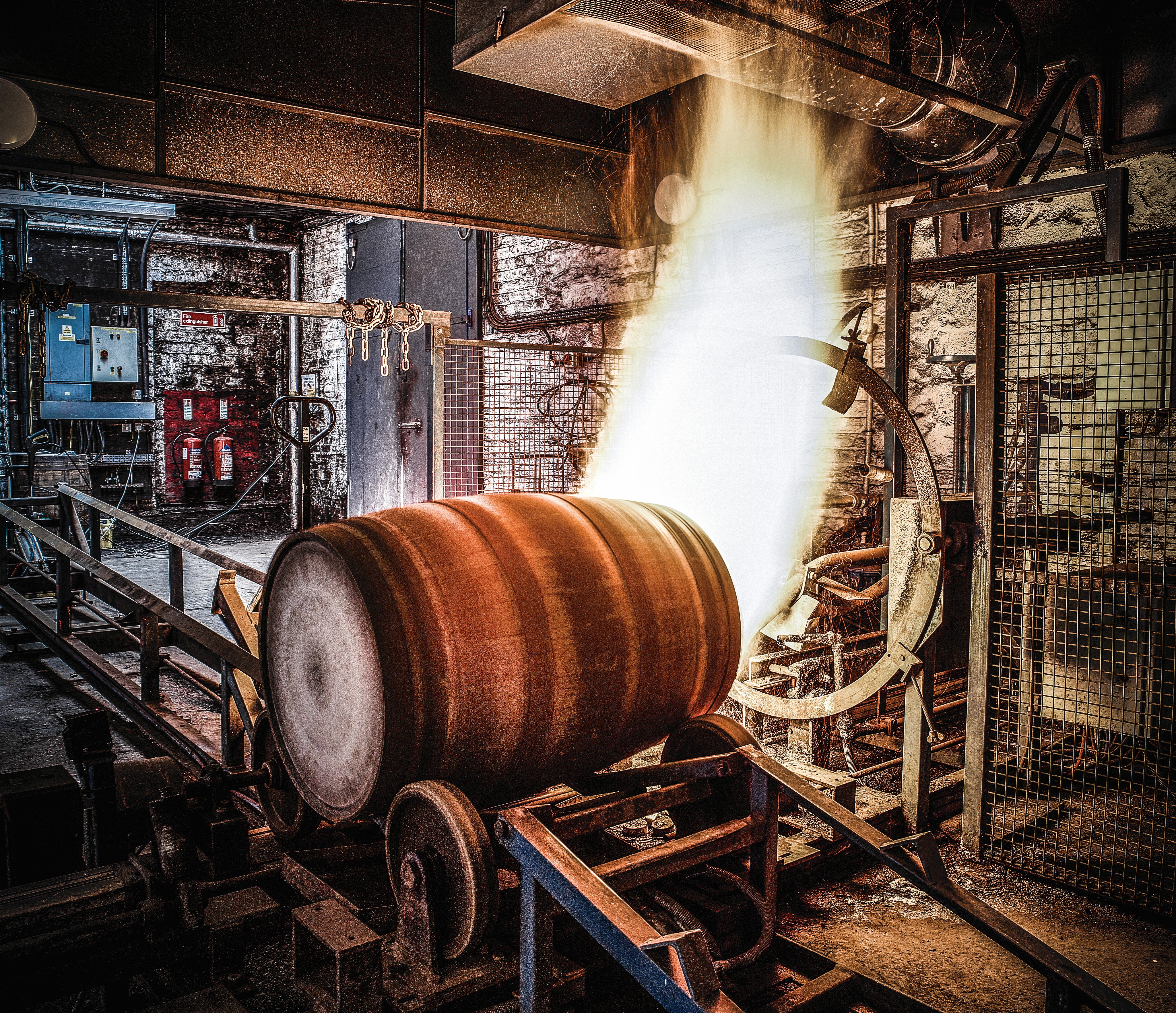
The science of American oak and Scotch whisky
American oak is filled with vanillin, lignin, lactone, cellulose and other flavour compounds. If you taste a scotch whisky aged in an ex-bourbon cask, these compounds will correspond to flavours of vanilla, spices, nuts and even coconut, as well as a sense of creaminess and apparent sweetness. After a barrel has been used once to age bourbon – which is defined as a style by pronounced wood influence – its effect on a subsequent filling is more balanced and better suited to maturing other styles of whisky like single malt.
Whiskies aged in sherry and other wine casks are immensely popular at the moment, and recent changes to legislation mean that we are seeing some finished in rum, cognac, calvados and even tequila and mezcal casks. But bourbon casks remain the cask of choice in Scotland.
If you’re looking for intense vanilla and a creamy texture in your next dram, it’s a good idea to consider something matured partly or wholly in first-fill bourbon casks. Second-fill American oak casks by contrast – especially when they are coopered into a larger format, like 225-250 litre hogsheads – will often yield whiskies that place spirit character above wood flavours. Good Highland malts aged in refill American oak hogsheads for an extended period are favoured by more than a few of the team here at The Whisky Exchange.
Even if you normally gravitate towards the darkest sherried malt on the shelf, it’s worth finding room in your heart for the humble ex-bourbon cask. It’s helped to support the Scotch whisky industry for more than 50 years and it continues to foster great single malts and blends to this day.




