


 United States — would you like to set this as your default country of delivery?



 Trade
Trade
 Shops & Events
 Customer Service

Jamaican Rum: A Guide to History, Distilleries, and Brands
For rum fans, Jamaica has a gravity that’s hard to escape. This island nation is best known for incredibly aromatic rums that range in character from tropical and fruity to herbal and industrial. These distinctive spirits can be an acquired taste, but there’s a reason they’ve been immensely popular for centuries

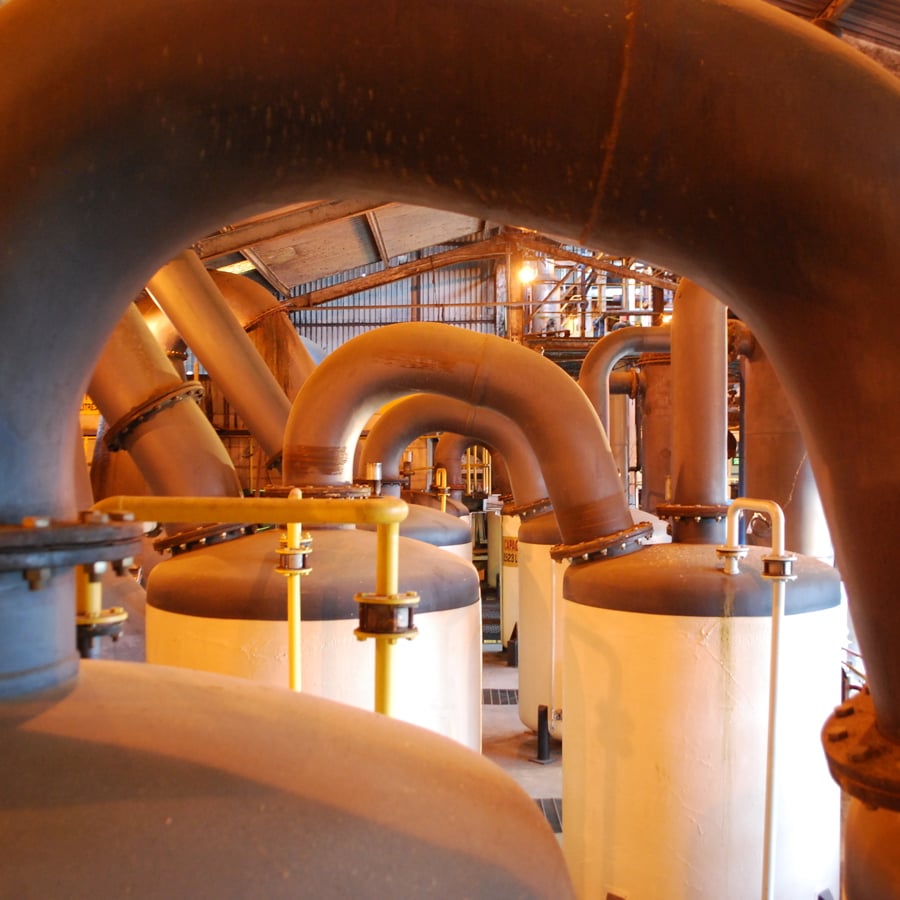
The distinctive double retort pot stills at Appleton Estate
It was Jamaican rum that filled punch bowls in Glasgow and Edinburgh long before the age of single malt whisky. It formed the heart of the famous Royal Navy rum blends and was so popular in 19th-century Britain that London’s Isle of Dogs was converted to docklands to handle the sheer volume of casks arriving from the Caribbean.
While it evolved significantly over the centuries, Jamaican rum is strongly associated with intense flavours achieved by subjecting molasses to long and intense fermentation. This creates a complex set of flavours known collectively as ‘hogo’ or ‘funk’.
What does Jamaican rum taste like?
The pronounced flavours found in Jamaican rum can be challenging at first. It’s not unusual to see tasting notes such as olives, fermented pineapple, overripe banana, tar or diesel – that famous funkiness. These unusual but infinitely compelling characteristics all correspond to organic compounds called esters.
There are esters in every spirit you’ll encounter. These molecules are responsible many of the fruity and floral notes in your favourite whiskies, brandies and rums of every kind. In Jamaica, fermentation and distillation are often geared to elevate the level of esters present in the finished product.
This doesn’t mean that every rum from Jamaica is going to provide overwhelming levels of funk. In fact, most distilleries on the island produce various styles – or ‘marques’ – that offer a spectrum of different flavours. These can be blended to create balance and depth or bottled individually to showcase a particular profile.
The truth is that while Jamaican rum producers share a common emphasis on fermentation, many are modern distilleries pursuing elegant and accessible spirits, such as Worthy Park and Appleton Estate.
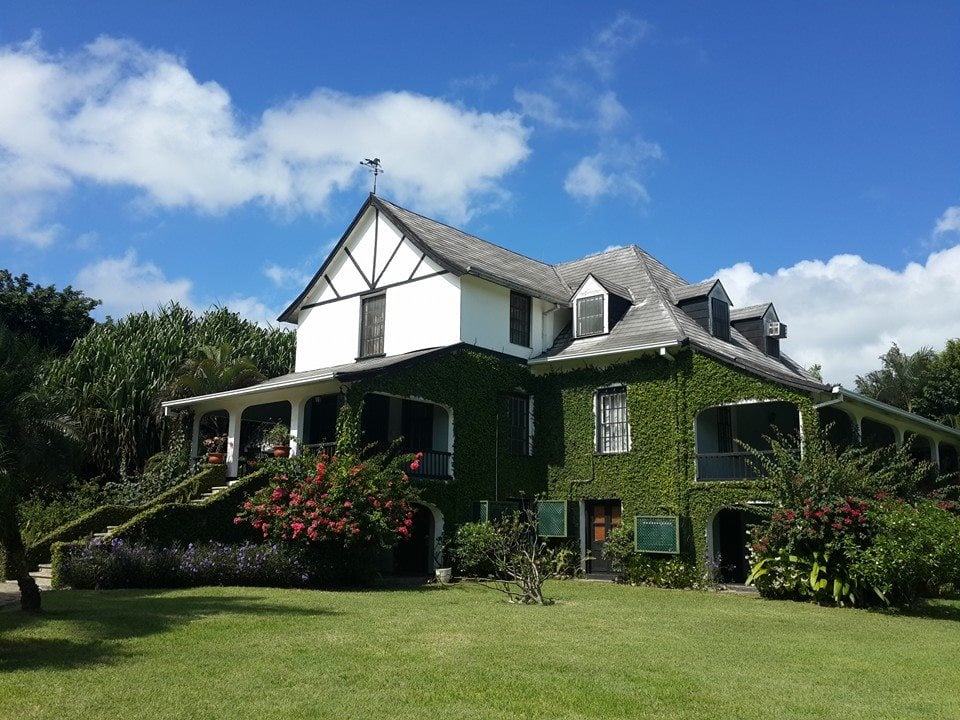
The history of Jamaican rum
Jamaica’s long and often harrowing history of sugar production began in the 16th century when Spanish colonisers planted sugarcane across the Caribbean. In the ensuing decades, the Caribbean archipelago became the most valuable and hotly contested territory in the world as European imperial powers established plantations to grow cash crops like tobacco, coffee and – of course – sugar.
When the British Empire wrested Jamaica from Spanish control in 1655, it set in motion a series of events that would transform the island into the biggest sugar producer in the world. English and Scottish planters cleared the way for vast plantations and boiling houses to refine cane juice into crystal sugar.
Cultivating, cutting and processing sugarcane is labour-intensive and physically punishing. Britain and the other colonial powers of the era enslaved the local populations of the Caribbean to carry out this work, and trafficked millions of people captured in Africa into slavery. Generations of enslaved people lived and died tending to cane in Jamaica and the other colonies, while shipments of sugar poured back to Britain and concentrated wealth on an unprecedented scale in the imperial metropole.
The first Caribbean rums were likely made in Barbados, where planters began distilling fermented molasses in an effort to squeeze more profits from their sugar crops. The practice quickly spread to Jamaica, driving planters to install pot stills to make rum.
By the 1700s, casks of rum were a regular sight at docks in Glasgow and London. Transporting and warehousing rum in oak helped to establish rum as an aged product, while grocers and wine merchants began blending rum to create a consistent product. A vogue for Caribbean rum took hold, propelled in part by a fashion for elaborate punches made with other imported goods like citrus fruit, nutmeg and tea. Punch became a symbol of prosperity, modernity and empire, and the thirst for Jamaican rum continued to grow.
By the end of the 18th century, millions of gallons of rum were arriving in London every year, most of which originated in Jamaica. Even then, the distinctive flavour of Jamaican rum made it more desirable, and therefore pricier, than its equivalents from elsewhere in the Caribbean.
The industrial revolution brought new technologies that would transform rum production the world over. The first was the advent of sugar derived from beets, which could be made in Europe, and the second was the arrival of the continuous column still, which allowed for more efficient production of rum in greater quantities. The column was widely adopted by distillers around the world, but Jamaican producers stuck with the pot still, knowing that it was essential to creating the style that made them famous.
Many Jamaican plantations consolidated or collapsed during the 19th century. This process was further accelerated in 1833 when the Slavery Abolition Act was passed in Parliament in the UK, freeing all slaves in the British Empire. Planters in Jamaica were compensated handsomely for the ‘loss of income’ that abolition represented. Many of the buildings and institutions they built stand in Britain to this day.
The Jamaican sugar industry, and the rum distilleries it supported, limped into the 20th century, dogged by a lack of investment and modernisation as disease spread among the cane. In response to this, Jamaica became an important centre for agricultural research and introduced new varieties of cane for hardier crops and better yields.
The number of stills operating in Jamaica fell from hundreds to just a handful. Some of the producers that survived adopted the column still and began producing lighter styles of rum in an attempt to diversify. In 1960, the Jamaican government took control of much of the remaining sugar and rum apparatus and closed older plants down to consolidate production. And in 1962, Jamaica celebrated its independence.
National Rums of Jamaica was formed in 1980, nationalising Clarendon, Innswood and Long Pond distilleries with stakes sold to international drinks companies. At the turn of the millennium, there were just five distilleries still operational in Jamaica, but in 2005 the newly rebuilt Worthy Park came online, bringing the total number of producers on the island to six. Today, these are the places where the craft and heritage of Jamaican rum are kept alive.
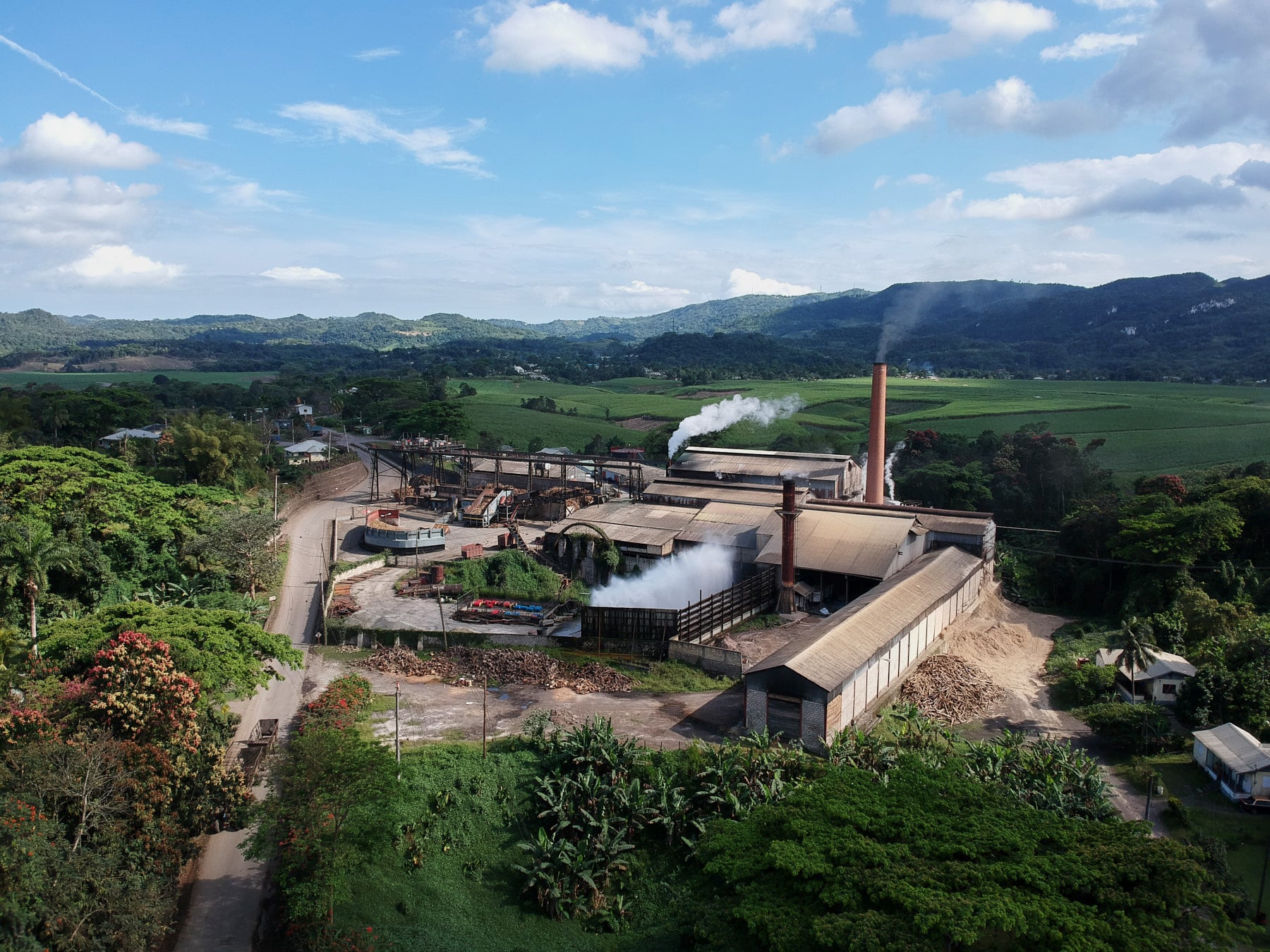
How is Jamaican rum made?
Jamaica boasts six active distilleries, all producing different marques and their own distinctive take on the nation’s fermentation-forward way of making rum. Add all that together and you have one of the world’s most fascinating distilling cultures, all squeezed onto a single island.
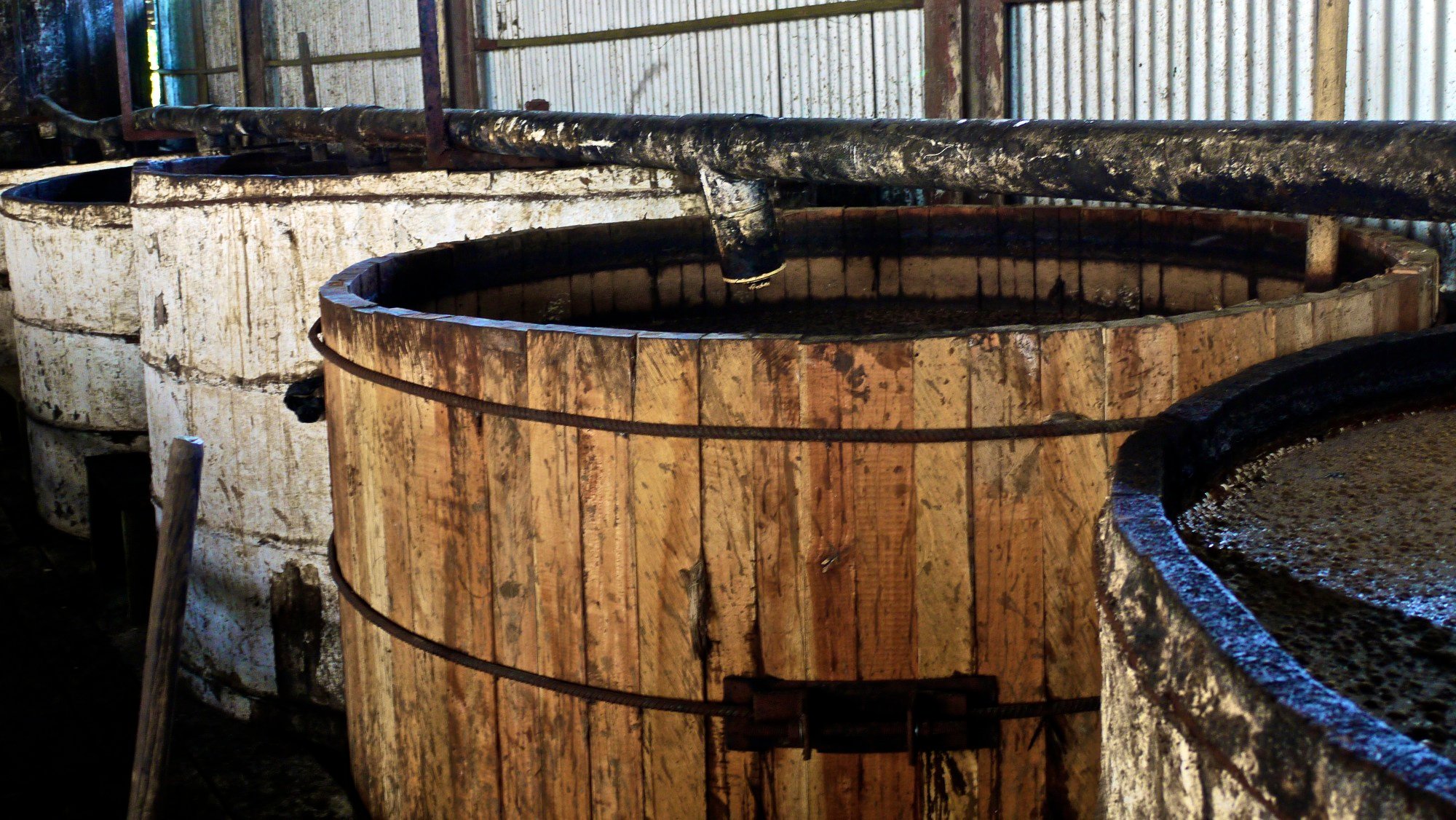
Fermentation
Almost all Jamaican rum begins with molasses, a byproduct of refining crystal sugar, which is diluted with water and left to ferment to create an alcoholic wash. While some distilleries in Jamaica favour controlled fermentation with proprietary yeast strains, much as you’d find in rum distilleries around the world, many go to extreme lengths to supercharge their wash and create ever more complex esters.
This is traditionally achieved by adding some combination of three substances known as muck, dunder and cane acid. They may not sound especially appetising, but this is the secret sauce that makes funky Jamaican rum possible.
What are muck and dunder?
Dunder is the matter left over after distillation – also known as stillage – which is retained and added to molasses during fermentation to promote greater chemical complexity. This is similar to the sour mash process used in many bourbon distilleries in the United States.
Muck is a soup of yeasts, bacteria and organic acids of somewhat mysterious origin that is introduced to molasses, somewhat like a sourdough starter, to further promote the creation of vivid and intense flavours.
Muck and dunder have taken on a near-mythic significance to Jamaican rum, with grisly tales of goat skulls and bat carcasses bobbing in muck pits helping to build the legend. The truth is much less sensational than that, but this traditional approach still captures people’s imaginations. You won’t find muck and dunder in every Jamaican distillery, but Hampden Estate, Long Pond and Clarendon all use them at least some of the time.
Distillers can also use cane acid to lower the pH of their wash, which promotes the creation of esters. Also known as cane vinegar, this not-so-secret ingredient is derived from fermented sugarcane juice.
Even in more modern distilleries like Appleton Estate, which doesn’t shoot for extreme levels of funk, there’s an emphasis on fermentation. While other Caribbean rum traditions focus on raw materials or blending to shape their rums, the secret to Jamaican rum’s unique character is found in the fermentation vat.
Distillation
Both pot and column stills are permitted to make Jamaican rum, which means that blended styles that combine the two are also commonplace. Column stills range from the small and traditional to towering multi-columns capable of producing great volumes of high-proof spirit. You’ll find columns at Clarendon, New Yarmouth and Appleton Estate.
Pot stills must legally be made from copper, a stipulation shared with other spirits like single malt whisky or cognac. But in Jamaica you’ll find unusual ‘double retorts’ in which pot stills can be set up to channel vapours through a second copper vessel filled with ‘low wines’ – molasses distillates of around 30% ABV – and then a third filled with higher-proof rum of around 70% ABV.
These double-retort stills create intense spirits, packed with esters, that are an essential part of Jamaican rum’s character. While traditional pot-still setups – comprising a wash still and a spirit still – require double distillation to be carried out in batches, double retorts can distil to above 80% ABV in a single run.
Ageing
When freshly distilled rum flows from the condenser, it can be rested in inert tanks and bottled without ageing. White overproof rums, bottled traditionally at a formidable 63%, are quintessentially Jamaican. The iconic Wray & Nephew from Appleton Estate is the best-known example, but Worthy Park’s Rum-Bar and Hampden Estate’s Rum Fire are also superb renditions of the style.
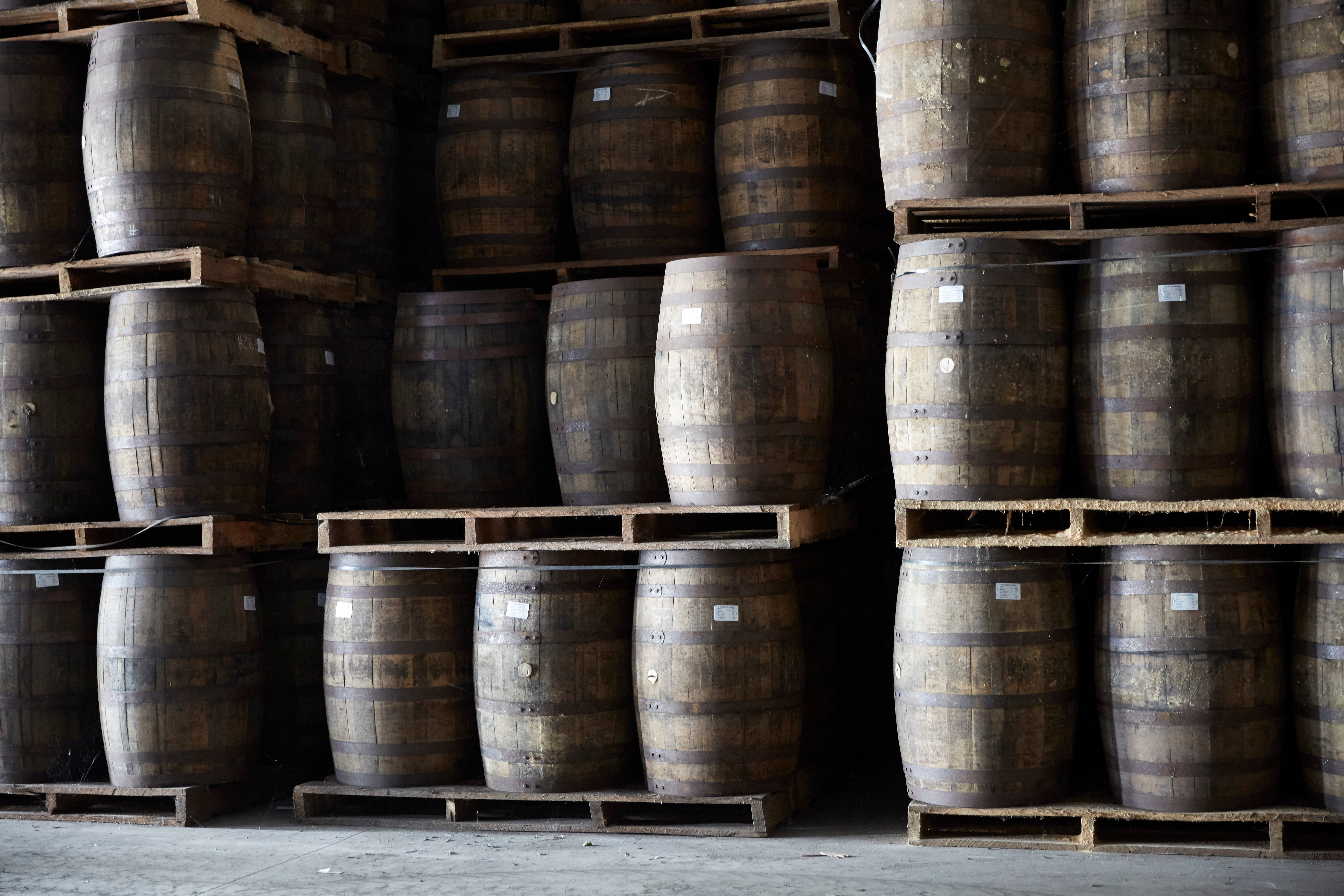
Jamaican rum was created as an export commodity, destined to be filled into cask and shipped to Europe and across the British Empire. Storing and transporting rum in oak led to greater emphasis on maturation and gave rise to an international perception of Jamaican rum as an aged spirit, darker in colour and with flavour notes from the cask you’d also expect from whisky or cognac. Today, aged Jamaican rum is sold around the world with or without age statements, including blends of different styles, single casks, and even expressions finished in fortified wine or other spirit casks.
Jamaican rum and the law
The Jamaican government registered a geographical indication (or GI) for rum in 2016, codifying a set of standards for the country’s most famous export. Further changes to the GI in 2024 introduced rules about fermentation, allowing for indigenous yeasts and bacteria but prohibiting the use of genetically modified yeast strains. Another crucial change specifies that Jamaican rum must be aged domestically in casks no larger than 250 litres. The law also now states that Jamaican rum can contain no additives other than water and caramel derived from sugarcane for colour, similar to the rules for single malt whisky in Scotland.
Jamaica’s rum distilleries
Hampden Estate
The undisputed king of funk, this grand old distillery in Trelawny Parish in the island’s northwest reaches is the perfect place to look if you want to understand how fermentation shapes traditional Jamaican rum. At Hampden Estate, the production team will ferment molasses for weeks, not days, to create their alcoholic wash for distilling.
In addition to indigenous yeast strains, they will dose the wash with cane acid, dunder and muck. This is the old-fashioned way of making Jamaican rum, and it’s the very reason Hampden enjoys a dedicated cult following today.
Rum has been made on the Hampden sugar estate since the mid-18th century, but it wasn’t until the Jamaican government sold the site to the Hussey family in 2009 that it began to gain broad international recognition. In 2018, Hampden Estate rums – showcasing the singular and instantly recognisable house style – began to appear on shelves around the world, bottled in collaboration with French retailer La Maison du Whisky and Italian independent bottler Habitation Velier.
If you want to get a sense of Hampden Estate, the distillery’s flagship 8-year-old rum is the place to begin. Hampden regularly produces eight designated styles (known as marques), delineated by the level of esters they contain. Hampden Estate 8 Year Old comprises the lightest of these styles, designated OWH or ‘Outram W. Hussey’, but it nonetheless packs a pronounced funkiness. Expect notes of fermented tropical fruit, tar, anchovies, olives and dried herbs. If you want to turn up the volume and experience higher levels of funk, The Hampden Estate HLCF Classic, bottled at a formidable 60% ABV, increases the briny, industrial and umami notes to the extreme.
Independent bottlings of Hampden rum also showcase the higher-ester marques from this great distillery, including many notable examples from Velier. Bottlings of the ultra-high-ester C<>H (C Diamond H) and DOK (Dermot Owen Kelly) marques are prized by rum collectors and enthusiasts for their off-the-chart levels of Jamaican funk. Not for the faint of palate, but infinitely rewarding.
Shop all Hampden Estate
Long Pond
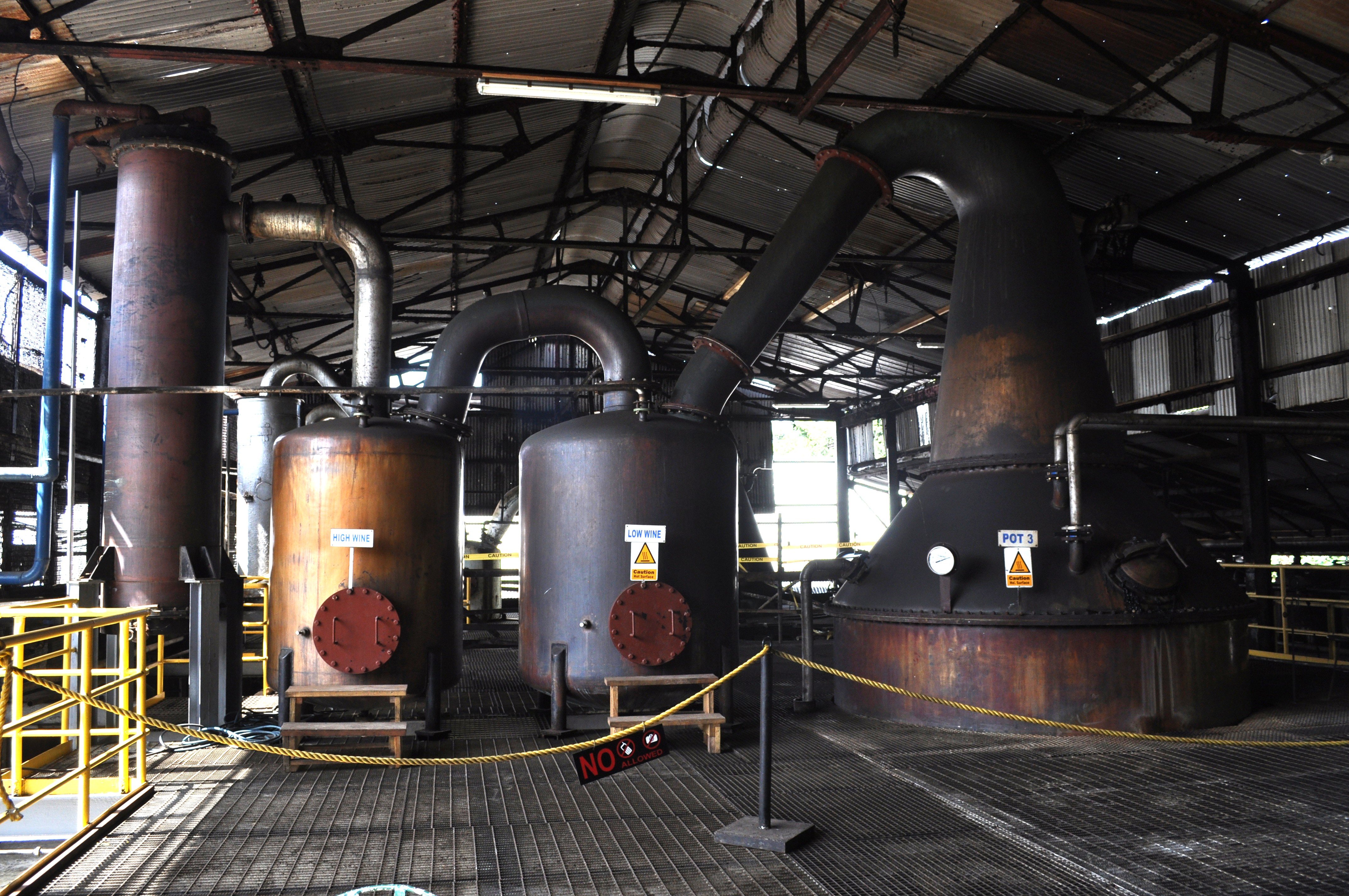
Less than an hour east of Hampden, we find another of Jamaica’s long-standing and committedly traditional distilleries. Long Pond has spent most of its life supplying bulk rum to brokers and blenders, as well as supporting Captain Morgan before the brand moved production to the US Virgin Islands.
Along with Hampden Estate, Long Pond is notable for employing a technique called the Cousins process during distillation to create extremely high-ester marques. This method, pioneered by Jamaican chemist HH Cousins, involves extracting acid salts left after distillation and adding them to the chambers of Long Pond's hulking double-retort pot stills to promote esterification.
There have been sparse official bottlings of Long Pond over the years, produced by National Rums of Jamaica, which reveal a classically fruity, funky and mineral style, but the best way to get a sense of Long Pond is to pick up an independent bottling when they’re available. There’s a real sense of stepping back in time when you pour one of these rums: far from the refined and doctored styles produced in other parts of the world, this is Jamaican rum in the raw, powerful and overflowing with character.
Shop all Long Pond
Worthy Park Estate
This grand old sugar estate stopped producing rum in the 1960s when oversupply threatened the industry. The distilling operations there were completely rebuilt in the early 2000s, and Worthy Park re-emerged as a modern field-to-glass operation, working exclusively with sugarcane grown and processed on the estate to supply a world thirsting for bold Jamaican rum once again.
Worthy Park uses a Scottish-built double-retort pot still to create marques that range from the relatively neutral WPUL (ultra-light) to the ester-packed WPE (Worthy Park Extra). These are aged on site, primarily in ex-bourbon barrels, and sold as bulk stock or used to create official Worthy Park bottlings. The Worthy Park Single Estate Reserve and longer-aged 12-year-old expressions are both great introductions to a house style with distinctive notes of banana bread, toffee and juicy tropical fruits.
This is a modern, elegant style where the focus is not on extreme funkiness, but the fruity fermentation-forward notes of Jamaican rum remain. It’s a great distillery to start with if you want to explore Jamaican spirits before diving into super-high-ester territory – although independent and exclusive official bottlings that showcase Worthy Park’s funkier side are also available.
Shop all Worthy Park
Clarendon
The old Monymusk estate in Clarendon parish was extensively modernised in the mid-20th century and further expanded with new column stills and facilities in 2009. This range of equipment allows Clarendon distillery to create a spectrum of styles for blending and export. While there are official bottlings from Clarendon – sold under the old Monymusk name – the expressions that rum fans tend to gravitate towards are independent bottlings that showcase the powerful style this distillery is capable of.
Notable recent bottlings include entries in Velier’s Magnum Photography series and a number of ‘continentally aged’ (that is to say matured in the relative cool of continental Europe) examples which have been snapped up by whisky bottlers like Decadent Drinks and Watt Whisky.
Shop all Clarendon
New Yarmouth
An elusive distillery, New Yarmouth is owned by J Wray & Nephew Ltd – just like Appleton Estate, which we’ll come to shortly. Bottlings of pure New Yarmouth rum are hard to come by, but the distillery supplies spirit for the wildly popular Wray & Nephew White Overproof rum.
All of Jamaica’s surviving distilleries were built to supply different marques for export and blending, and New Yarmouth is typically versatile in its output. As much of the spirit that flows from the stills at New Yarmouth is earmarked for bulk sale or to supply stock for J Wray & Nephew owner Gruppo Campari and its stable of rums, independent bottlings are relatively scarce. Those that do surface, notably a small series of bottlings from the independent Compagnie des Indes, reveal a robust pot still character with a sense of acidity and abundant notes of overripe fruit.
Shop all New Yarmouth
Appleton Estate
At the far end of the spectrum from the extreme funk merchants, Jamaica’s largest distillery is renowned for elegant rums that offer a refined expression of the local style. This doesn’t mean Appleton Estate lacks anything in terms of flavour or complexity: its collection of well-rounded and carefully composed rums ranges in weight and maturity, but a common thread of oranges, toffee and spices runs throughout, accompanied by hallmark Jamaican rum hints of tar and oil.
Renowned master blender Joy Spence – thought to be the first woman to hold such a post anywhere in the world – has had a hand in creating Appleton rum since first arriving at the distillery in the 1980s. She is responsible for creating a number of long-aged and limited-edition expressions comprising rare casks from Appleton’s formidable stocks. These include the single-vintage, pure pot-still Appleton Hearts Collection, bottled in collaboration with Italy’s Habitation Velier, and the sought-after Appleton Estate Legend 17 Year Old. This limited-edition rum is intended to replicate the famous Wray & Nephew 17 Year Old used by Victor ‘Trader Vic’ Bergeron to make the first Mai Tais in Los Angeles in the 1940s.
If you’re looking for a more accessible entry point to this storied distillery's range, Appleton Estate 15 Year Old Black River Casks is a great place to start. Named for the water source that has supplied Appleton Estate for centuries, this perfectly balanced and richly flavoured rum took The Whisky Exchange Rum of the Year award in 2023. Expect notes of stone fruit, caramelised oranges, warming spices and tropical hints of guava and ginger.
Shop all Appleton Estate
How to drink Jamaican rum
The pronounced character of Jamaican rum has made it a compelling choice for mixed drinks from the punches of Georgian England to the so-called ‘Tiki’ drinks of mid-century California. White overproof rum and Ting grapefruit soda is a popular way to beat the heat in Jamaica, while aged varieties are used around the world to create twists on classics like the Old Fashioned and the Negroni.
For devotees of Jamaican rum, part of the appeal of this distinctive family of spirits is sampling and understanding the range of marques and styles produced by the island’s distilleries. This is one of the reasons that independent bottlings boasting such geeky details on their labels as specific marques, ester levels and vintages have a thriving community of collectors, who constantly search for the rare, the obscure and the funky.
If you’re getting into Jamaican rum for the first time, you shouldn’t be afraid to make punch, mix Mai Tais, drop some Worthy Park into a Daiquiri, or enjoy your new favourite spirit over ice with a suitably tropical mixer. But, to really get a sense of the diverse character of Jamaican rum and appreciate the centuries of craft that make this unique spirit distinct in all the world, pick up a tasting glass and try it neat. You won’t look back.
-

Save
£10.25
Hampden Estate 8 Year Old Rum
£59.25
-

Hampden Estate HLCF Classic Rum4 Year Old
£88.25
-


Plantation Long Pond CRV 2009Tokaji Finish Exclusive to The Whisky Exchange
Out Of Stock
-

Worthy Park Single Estate Reserve
£49.25
-

Worthy Park 20158 Year Old Calvados Finish Exclusive to The Whisky Exchange
£99.95
-

Worthy Park 20176 Year Old Bourbon Cask Exclusive to The Whisky Exchange
£89.95
-

Clarendon 2014 MBS10 Year Old Magnum Photography Series #2
£119
-

New Yarmouth Jamaica 199426 Year Old Blackadder
Out Of Stock
-


Appleton Estate 15 Year Old Black River Casks
£70.25
-

Appleton 200220 Year Old Hearts Collection
£228

