


 United States — would you like to set this as your default country of delivery?


 Trade
Trade  Shops & Events
  Customer Service
 The Complete Guide to Rhum Agricole
Most of the rums you’ll find at The Whisky Exchange are made using the same basic principles established in the Caribbean in the 17th century. But in the former French colonies – now overseas departments – you’ll find a completely distinct style of rum distilled from fresh sugarcane juice

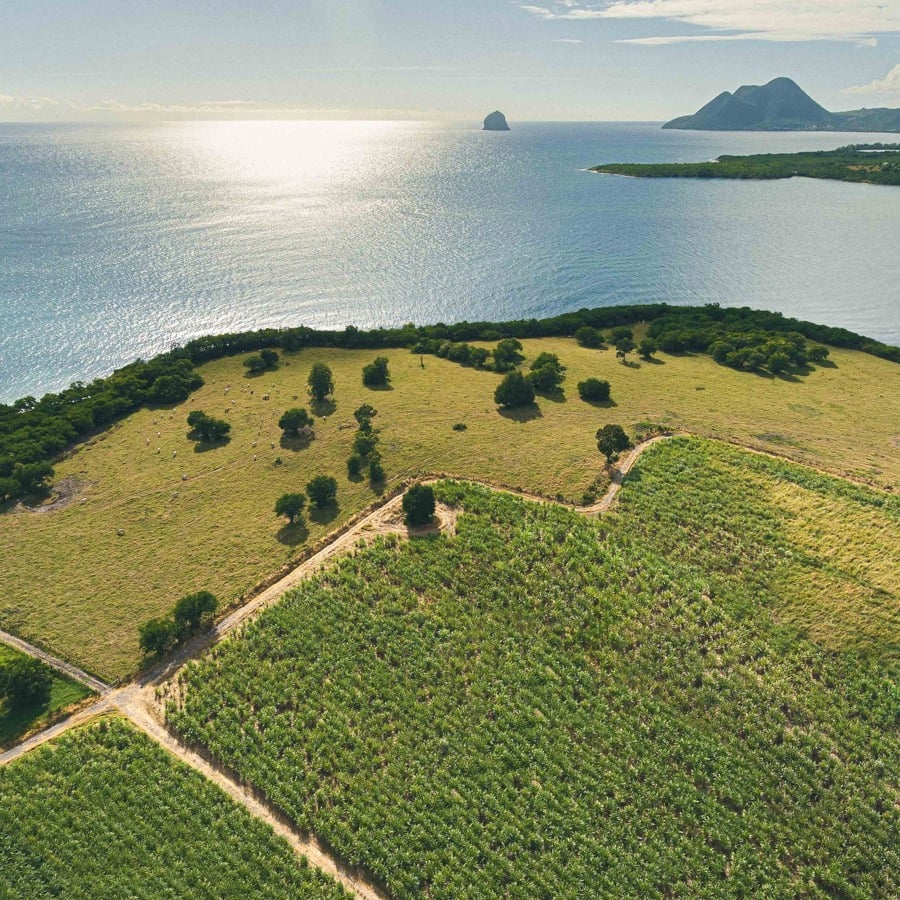
Cane fields at Trois Rivières in Martinique
Pour a measure of rum from Martinique or Guadeloupe and you’ll be faced with a very different spirit from the rums from Jamaica or Barbados. These rhums agricoles – literally ‘agricultural rum’, as opposed to ‘industrial rum’ – have a fresh, grassy and often funky character that’s distinctive and infinitely compelling. Even examples aged in oak will often show bright and herbal hints of unprocessed sugarcane.
This connection to the raw materials, which can be apparent even when agricole is used in punches and other cocktails, is one of the things that makes this unique spirit so appealing. But distillers in the French Caribbean didn’t adopt fresh cane juice because they were pursuing distinctive flavours, it was the march of history that led them to develop rhum agricole.
In fact, the series of events that would remake the distilling practices in Martinique and Guadeloupe was set in motion by none other than Emperor Napoleon Bonaparte.
The history of rhum agricole
The man once famously described as ‘history on horseback’ is at least indirectly responsible for the rise of rhum agricole. In 1804, Napoleon was facing the loss of the immensely valuable territory of Saint-Domingue (modern day Haiti) and an impending British Royal Navy blockade. While he accepted the loss of the colony, it highlighted an economic weakness in the form of France’s reliance on imported sugar.
Along with tobacco and tea, sugar from the Americas had become invaluable trade commodities across Europe. Seeking an alternative to vulnerable imported sugar, Napoleon funded research into the common beet, which had been proposed as a potential source of crystal sugar in the previous century. In 1811 he was presented with two loaves of domestically produced white sugar by factory owner Jules Paul Benjamin Delessert.
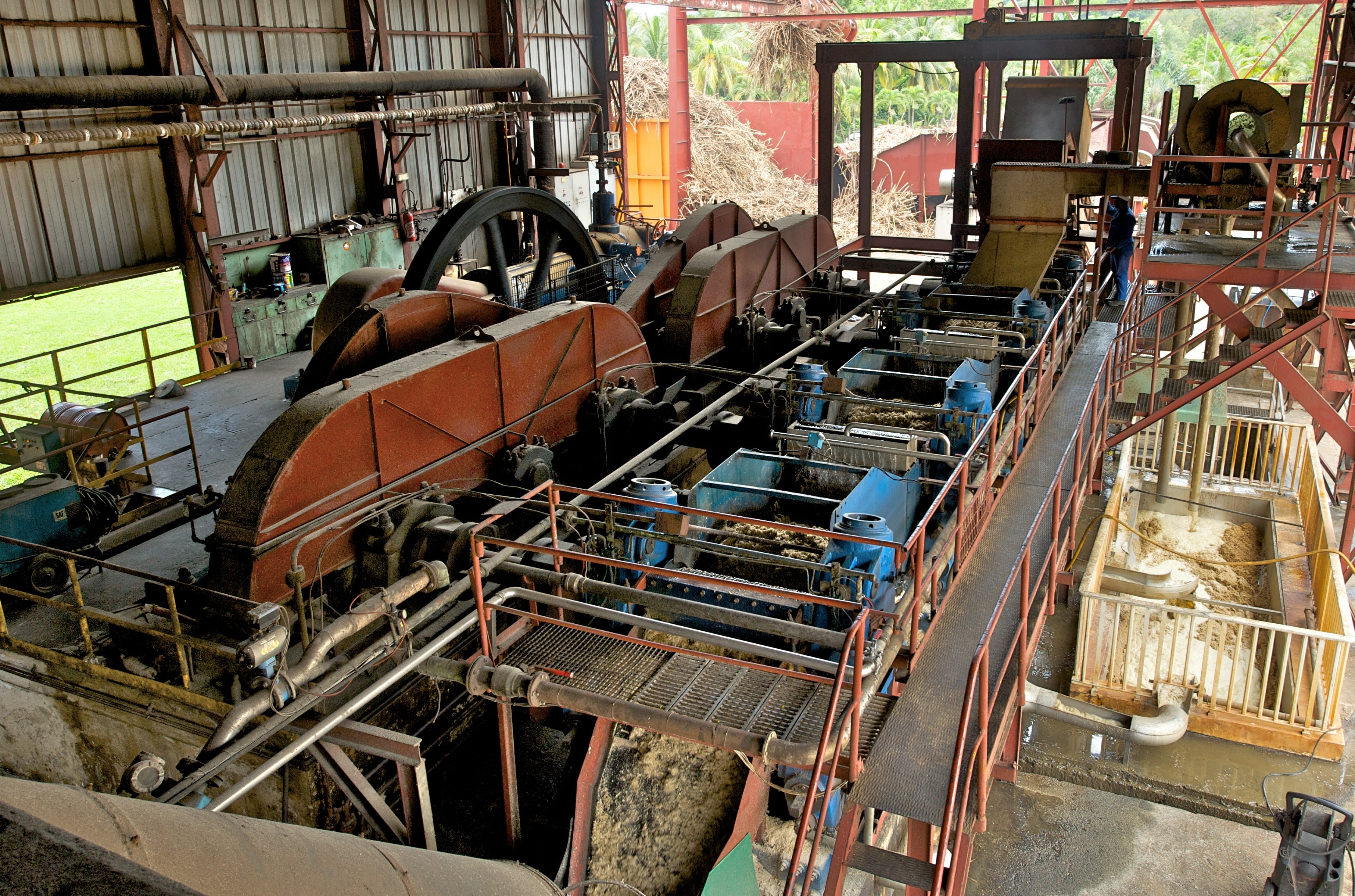
As the 19th century wore on, the importance of cane sugar in France declined. Plantations across the Caribbean closed and the costly process of refining sugar in the French colonies was no longer viable for many. With less molasses available to ferment, distillers watched their business dwindle. That was until they began distilling the fermented juice from crushed sugar cane – a solution commonly attributed to Homère Clément, whose namesake distillery prospers in Martinique to this day. Incidentally, the continuous column stills that helped define this new style of rum – similar to those used in Armagnac – are another innovation funded by Napoleon.
This isn’t to heap undue praise on the emperor, who defied a robust abolitionist movement in mainland France to reintroduce slavery to Martinique in 1802, among other deplorable acts of colonial imperialism. Rather, it’s a recognition of how decisions made in imperial centres resonate around the world and occasionally create new spirits in the process.
Rhum agricole continued to evolve through the late-19th and into the 20th centuries. When the dreaded phylloxera blight all but wiped out production of cognac and armagnac, agricole aged in oak became a popular digestif back in mainland France. During the First World War it was issued to French troops who would have erstwhile enjoyed a brandy with their rations and created an enduring affection for this unique style of rum that resonated through the generations.
By the 21st century, a generation of bartenders and budding spirits enthusiasts were dusting off vintage cocktail recipes and searching for intense flavours once again. In much the same way as rye whiskey and mezcal, agricole resonated with this new generation of adventurous drinkers. This has been especially true in France, but it’s now not uncommon to see a healthy selection of agricole in rum bars around the globe.
Rhum agricole and the law
Rhum agricole from Martinique holds an Appellation d’Origine Contrôlée (or AOC) which enforces strict standards for manufacture and bottling. Agricole from Guadeloupe carries a slightly less restrictive Indication Géographique Protégée (PGI). Similar designations exist for French Guiana and Reuinion island specifying that rum described as ‘agricole’ must be the product of fermented cane juice only – although their output of the style is tiny compared to Guadeloupe and Martinique.
As is typical of French governmental regulations around food and drink, the rules for rhum agricole are extensive and detailed, covering such particulars as the level of irrigation used in cane fields and the methods for extracting juice. But the key factors that unite the different designations are:
- No additional sugars can be added to cane juice prior to or during fermentation.
- Agricole from Martinique must be made using a traditional creole column still, while Guadeloupe allows for pot stills and more modern column stills.
- Both have restrictions on maximum distillation strength, in Martinique this is 75% ABV, in Guadeloupe it is 90%.
- Both allow for the addition of colouring to the finished product, as is the case with cognac and single malt whisky.
- Rhum agricole must be bottled at a minimum strength of 40% ABV.
It's worth noting that there are cane juice rums made elsewhere in the world. The EU recognises agricole rums made in the Portuguese territory of Madeira. Haiti produces a singular style of rum called Clairin which resembles a wild and rustic style of agricole. There are also cane juice rums made in Mexico, Japan, Australia and many other places besides.
Outside of the EU, which honours the French designations, these are sometimes referred to as agricole by way of a shorthand to explain how they are made. But in the strictest possible terms, rhum agricole (rum agricole) as understood in Europe comes from the French overseas departments – and also Madeira, but we’ll cover that in a future article.
How is rhum agricole made?
Molasses is relatively stable in its raw state, but fresh cane juice is much more delicate and volatile. From the moment a stalk of cane is cut, producers race to crush it and begin fermenting the resulting juice to ensure they capture its freshness. If the juice rests too long or the fermentation is unnecessarily prolonged, the grassy and vegetal notes for which agricole is famous can be lost. Some producers will push fermentation times further, but its not uncommon for cane to be harvested, juiced and distilled within 48 hours.
Furthermore, many agricole producers are vocal about the sense of terroir in their rums, investing deeply in the idea that the various growing areas – with their specific climates and geology – contribute recognisable characteristics to their spirits. So, preserving the character of the cane is often a key consideration for distillers.
After as little as a day in the fermentation vessel, the resulting cane wine is distilled. In Martinique, where regulations around rhum agricole are the strictest, this is a single distillation on a short creole column still – similar to an Armagnac still. As above, the proof of the resulting spirit must be between 65-and-75% ABV.
This is a relatively low strength in the world of spirits, but this means that there’s plenty of room in the spirit for all the aromatic compounds that make agricole so profoundly funky, raw and herbal. Even in Guadeloupe, where pot stills and more modern multicolumn stills are permitted to distil up to 90% ABV, there is a minimum level of volatile compounds that can be present in the spirit, ensuring that unmistakable agricole character isn’t lost.
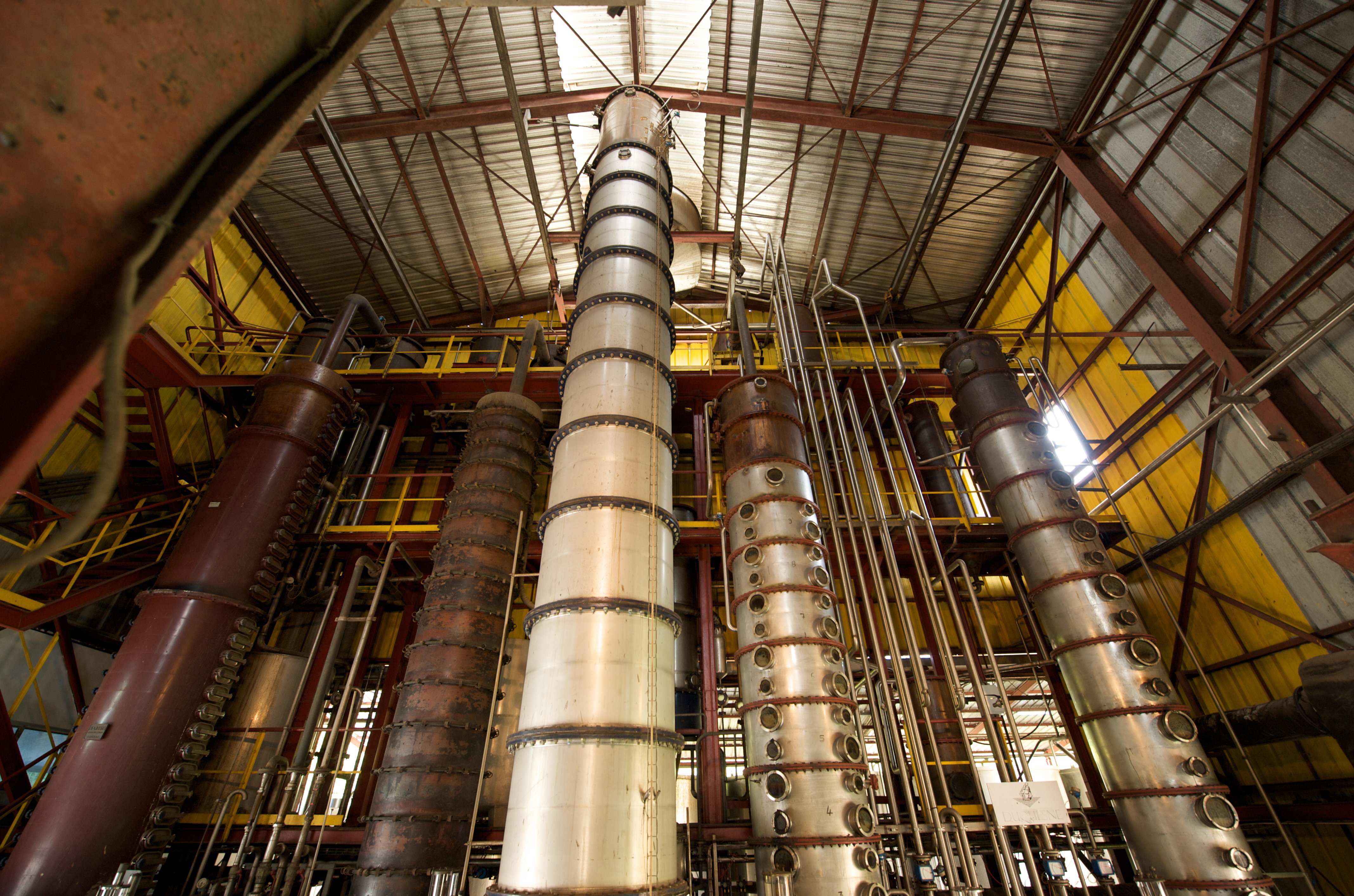
After a resting period in inert containers – and providing numerous other regulatory hurdles are cleared – we then have rhum. This clear, intensely flavoursome liquid is often diluted slightly with water, though bottling strengths often exceed 50% ABV. For many of its fans, this bold expression of sugarcane and the land that nourished it is perfect as it is, appealing in a similar way to wine or mezcal.
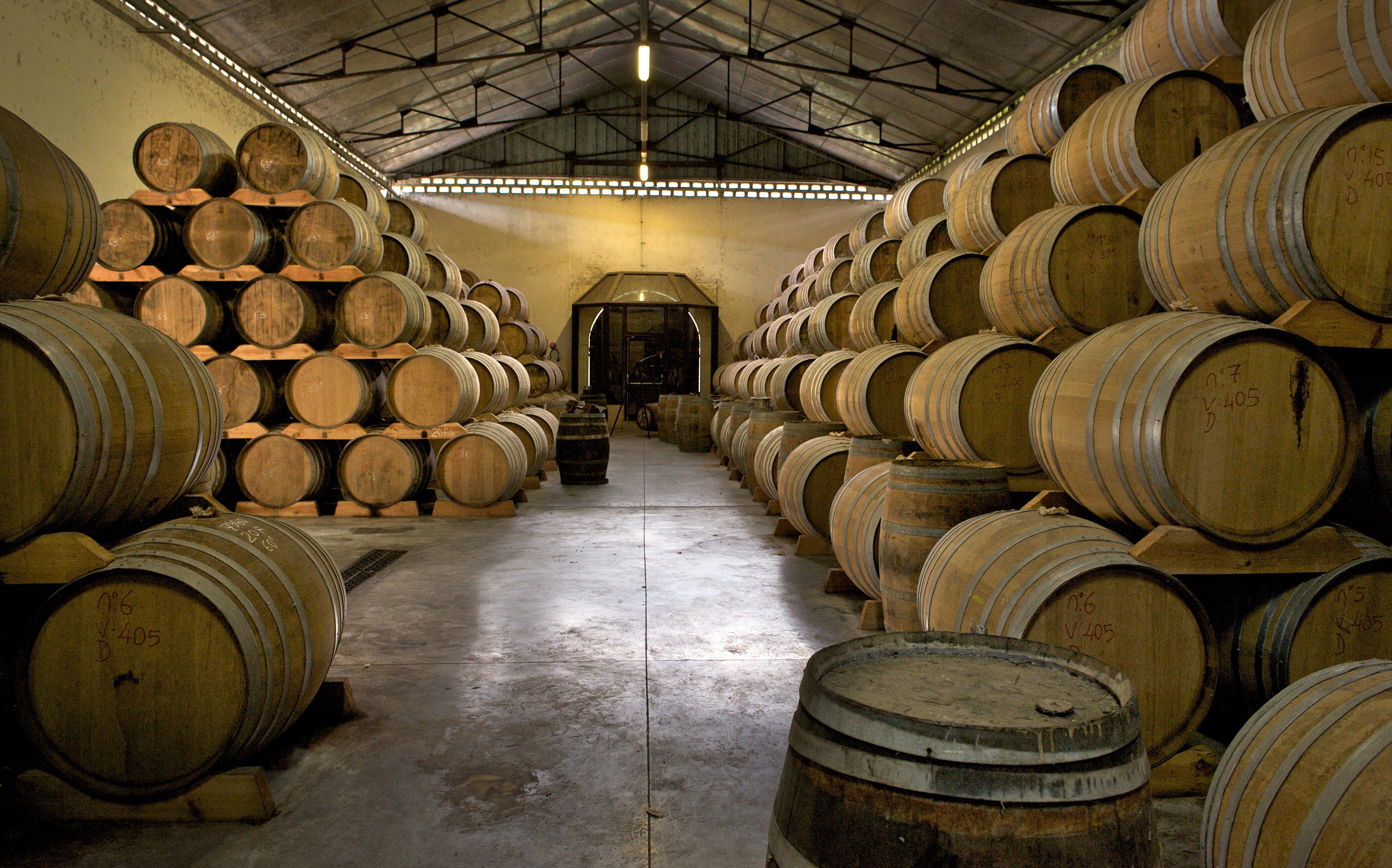
There are also many aged agricoles out there to explore. The practice of maturing rhum in oak gained momentum during those times when France’s supplies of brandy were interrupted by war and blight. Recent years have also seen greater investment in cask ageing as producers seek to further premiumise their spirit and compete with internationally renowned oak-aged spirits like single malt whisky and Cognac.
These ‘agricole vieux’ are often matured in used bourbon barrels imported from the USA, but French oak casks from the Cognac and wine industries are particularly prized. Over time, the vivid flavours of cane and earth become softer as familiar tones of vanilla and spice permeate the spirit. In the best aged Martinique rums, however, you will still find flavours evoking a sense of place that will be a pleasure for any rum lover.
Rhum agricole ageing terms
Many aged agricoles use similar designations to those found in Cognac and Armagnac. These are the indications of minimum age found on some Martinique rums:
Blanc
Rested for six months in inert containers.
Ambre
Aged for 12 months in oak casks.
VO
Aged in oak for at least three years.
VSOP or Très Vieux
Aged at least four years in oak casks.
XO or Hors d'Age
Aged for at least six years in cask.
Similar classifications also exist in Guadeloupe and the other agricole-producing French overseas departments, but age statements and vintages are also increasingly common.
Rhum agricole producers you should know
Habitation Clément, Martinique
Homère Clément was a remarkable figure. Not only is he widely credited with pioneering rhum agricole, he was descended from freed slaves and may well have been the first Black person to receive a doctorate in medicine in France, after which he returned to Martinique to work as a doctor, farmer, socialist politician and distiller. He purchased this historic domaine in 1887 and it has been a leader in Martinique rum ever since.
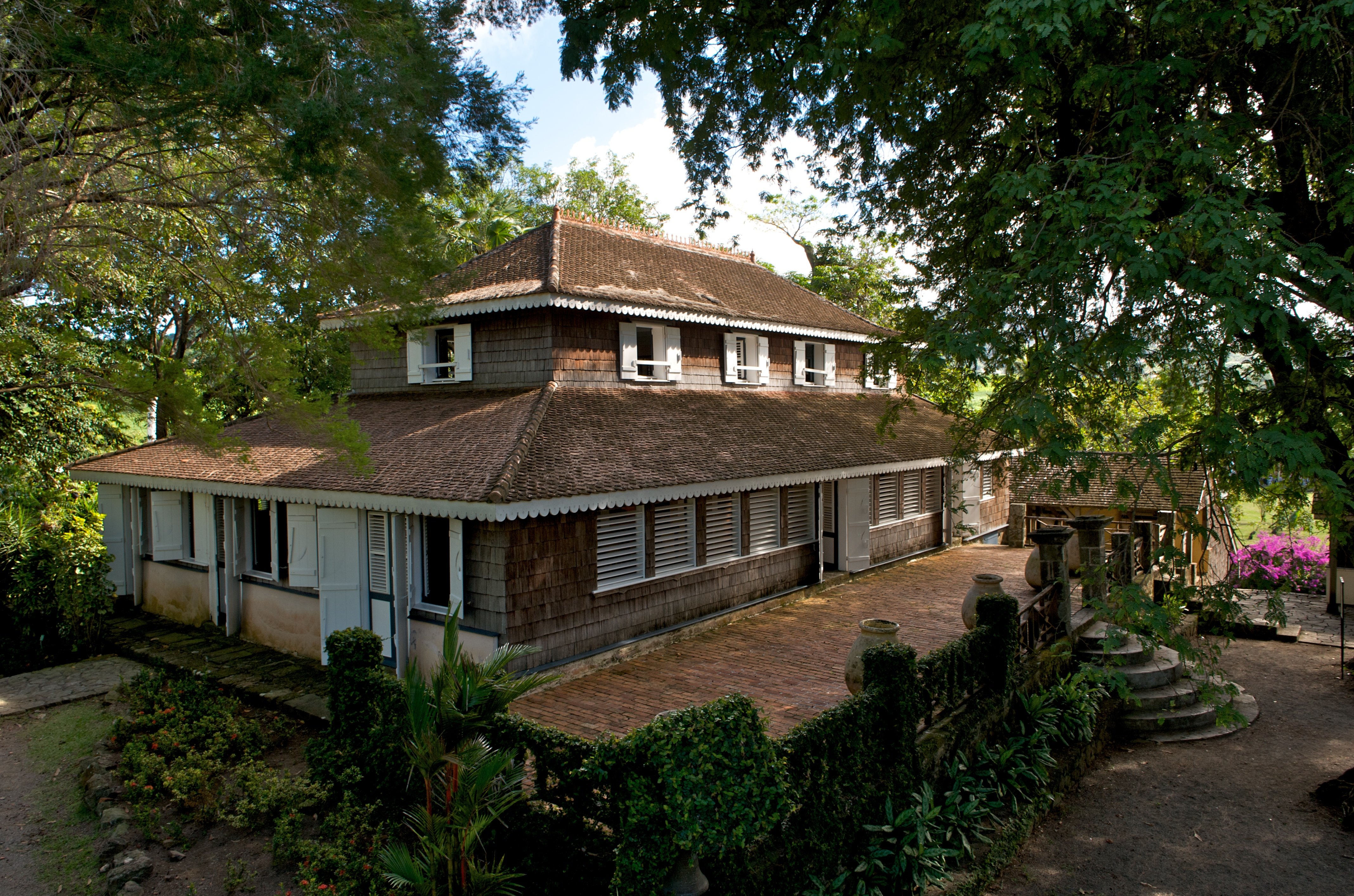
Since the 1980s, the old Clément stills have resided at Simon distillery, not far from the original estate. There, they continue to produce the fresh and lightly herbal rhum agricoles that have made Clément a household name in France. Recent single vintage releases of varietal rum made with heirloom canne bleu sugarcane are a great introduction to this historic producer’s unaged expressions. If you’re looking to explore aged rhum agricole, then the Clement Rhum Vieux XO is the perfect choice. After a minimum of six years in a combination ex-bourbon and new American oak barrels, that distinctive spirit emerges softer and rounder with notes of vanilla, woody spices, and hints of tropical fruit.
Damoiseau, Guadeloupe
While the islands of Guadeloupe continue to produce a sizeable amount of molasses-based rhum industrielle (most of which is sold as bulk stock internationally) they also give us outstanding agricoles like those made by Damoiseau.
Since the mid-20th century, this storied producer has been a leader in Guadeloupe rum, releasing finely crafted aged and unaged expressions. If you want to try your hand at making a traditional Ti Punch, the Damoiseau’s 100 proof white rhum makes a great rendition of this classic drink with that green and funky agricole freshness supported by fragrant notes of citrus fruit.
Trois Rivières, Martinique
This centuries old Martinican producer shows perfectly how rhum agricole can express a pure sense of terroir. Everything about production there is geared to offer a clear sense of place and the particular conditions across the producer’s three dedicated growing areas. This is particularly apparent in the bright, clean Trois Rivières Cuvee de L'Ocean, which is typically fresh and grassy with hints of sea air and brine that evoke the coastal winds which wash over the cane fields of southern Martinique. It’s an excellent reminder that unaged spirits can absolutely be enjoyed neat from a tasting glass, but also a stunning base for classic cocktails like Daiquiris and Mojitos.
Trois Rivières also offers expressions aged in a combination of American and French oak such as the multi-vintage Triple Millésime. A masterclass in blending, this perfectly balanced cuvée retains the spicy, herbal intensity of fresh cane with added notes of plantain chips, dried mango and sweet anise.
Rhum JM, Martinique
This is another classic Martinique producer of terroir-driven single-estate rums. The rich volcanic soils that circle the volcanic Mount Pelee in the north of the island provide ideal conditions for growing sugarcane, and in turn make for particularly vivid rhums agricoles. To experience this connection to the unique landscape of Martinique, you can pick up a bottle of Rhum JM Terroir Volcanique VO. Aged in toasted American oak barrels for at least three years, it shows remarkable body and richness with candied nuts, spice pastries and a deep minerality.
The 1902 eruption of the still-active Mount Pelee was another contributing factor to the rise of agricole across the island. This historic event destroyed the nearby town of Saint-Pierre, claiming the lives of tens of thousands in the process. Many of the older distilleries and related infrastructure in the surrounding regions were destroyed during the worst volcanic disaster of the 20th century. As these were older plants designed to produce molasses rums, producers that then adapted to work with cane juice like Rhum JM were able to assert themselves in the aftermath.
Papa Rouyo, Guadeloupe
Papa Rouyo is a relative newcomer that's quickly establishing itself among agricole fans as a producer worth watching. The descendants of Charles Albert ‘Papa Rouyo’ Ruscade – who worked the cane fields of Guadeloupe throughout his life – launched this modern distillery in 2021. Despite the mod cons, Papa Rouyo produces a deeply traditional style of rhum agricole with a palpable connection to the lands that surround it.
As the regulations in Guadeloupe differ from those in Martinique, this distillery is permitted to create cane juice rum using pot stills and retain the name rhum agricole. Bottlings of its aged spirit are relatively few at present, understandably, but Papa Rouyo Jenerasyon 3 Year Old gives a clear indication of where this distillery is heading. Matured in new French oak and ex-Cognac barrels, it shows a weighty spirit character (likely thanks to those pot stills) with a complex nose of aromatic spices, liquorice and woody herbs before a rich palate of caramelised sugarcane.
How to drink rhum agricole
All you really need to appreciate any of the rhums agricoles listed above is a proper tasting glass and a little time to let it unfold. Once you’ve sampled these remarkable spirits in their natural state, you can also try making a Ti Punch, the national cocktail of Martinique, by pouring 50ml of your new favourite agricole into a rocks glass and adding cane syrup and squeezing in lime wedges to taste. This simple drink is traditionally served without ice, although you can add a few cubes if you feel like lowering the temperature.

Clement Canne Bleue Vieux 2020
£49.95

Clement Canne Bleue 2020
£42.75

Clement Rhum Vieux XO
Out Of Stock

Damoiseau White Rum (50%)
Out Of Stock

Trois Rivieres Cuvee de L'Ocean
£49.25

Trois Rivières Triple Millesime
£138

Rhum JM Terroir Volcanique VO
£43.25

Papa Rouyo Le Rejeton 2021Blanc Rhum Agricole
£69.95

Papa Rouyo White 2022Habitation Velier
£99.95

