


 United States — would you like to set this as your default country of delivery?


 Trade
Trade  Shops & Events
  Customer Service
 Whisky Collecting: Identifying Future Classics
We're continuing our multi-part series with Jason Vaswani on how to start and build your whisky collection. For the third instalment, we discuss things to look out for when buying your next bottle

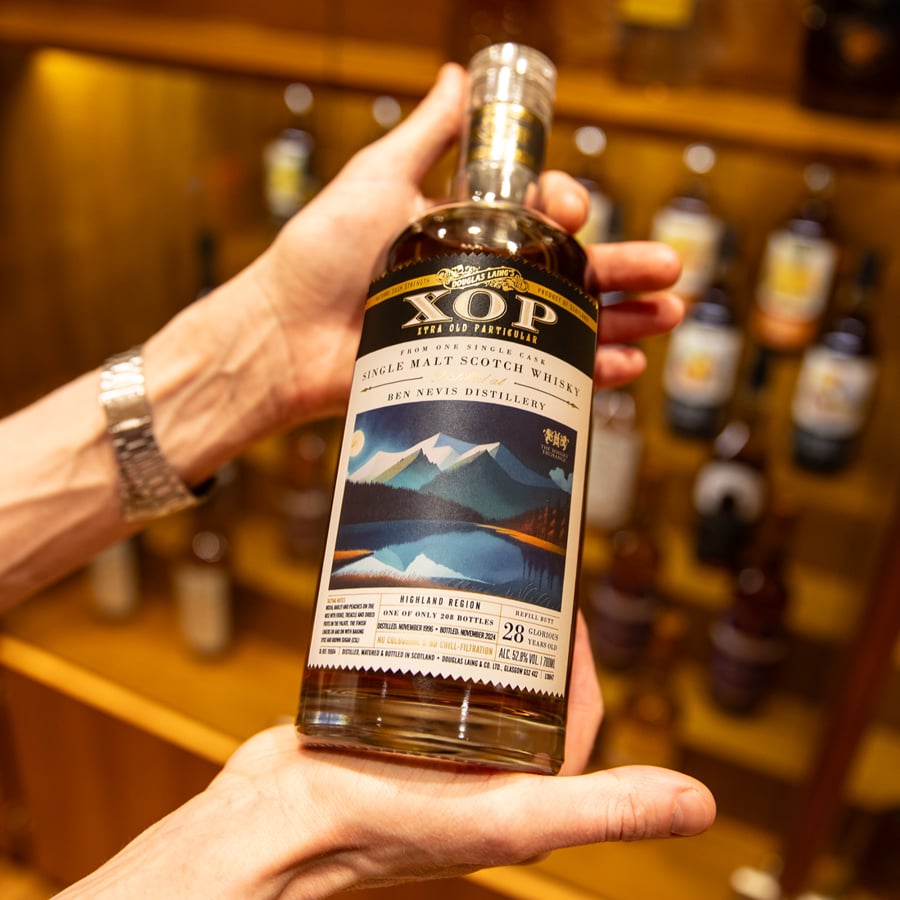
Ben Nevis single malts from the 1996 vintage are now considered modern classics
One of the most rewarding aspects of whisky collecting is watching the bottles on your shelf grow in value. In the first article in this series, our Old & Rare header buyer and spirits expert Jason Vaswani stressed the importance of buying whisky you love over chasing investment opportunities. But there’s an undeniable appeal to the idea of snapping up a whisky that flies under the radar on release and later becomes legendary.
Many of the most prized single malts on our shelves at The Whisky Exchange were modestly priced and readily available when they were bottled. If you were lucky enough to pick up a Black Bowmore 1964 in the early 1990s – when it was sold through specialist off licenses for the princely sum of around £100 – you would have found yourself in possession of one of the most highly regarded single malts ever made. A tantalising prospect for anyone breaking into the hobby of whisky collecting and one that raises the burning question: how do we spot a future classic.
Legendary whiskies
“The rare whiskies of tomorrow are the same bottles we’re drinking today,” Jason tells me. “One of the big things I look for when buying for my collection is distilleries that are allowing the character of the spirit to really show and not relying too much on heavy cask influence.” That clear sense of distillery character is a common thread in many of history’s most sought-after whiskies – more on that later.
“If a whisky is a good price and the liquid is great – but also limited – you might find that most people are buying that bottle to drink. 10 or 20 years down the line, that era at that distillery could have a serious reputation and so the prices go up. I don’t like to focus too much on the financial aspect of collecting, I prefer to think about enjoyment of great whisky, but it’s something to consider.”
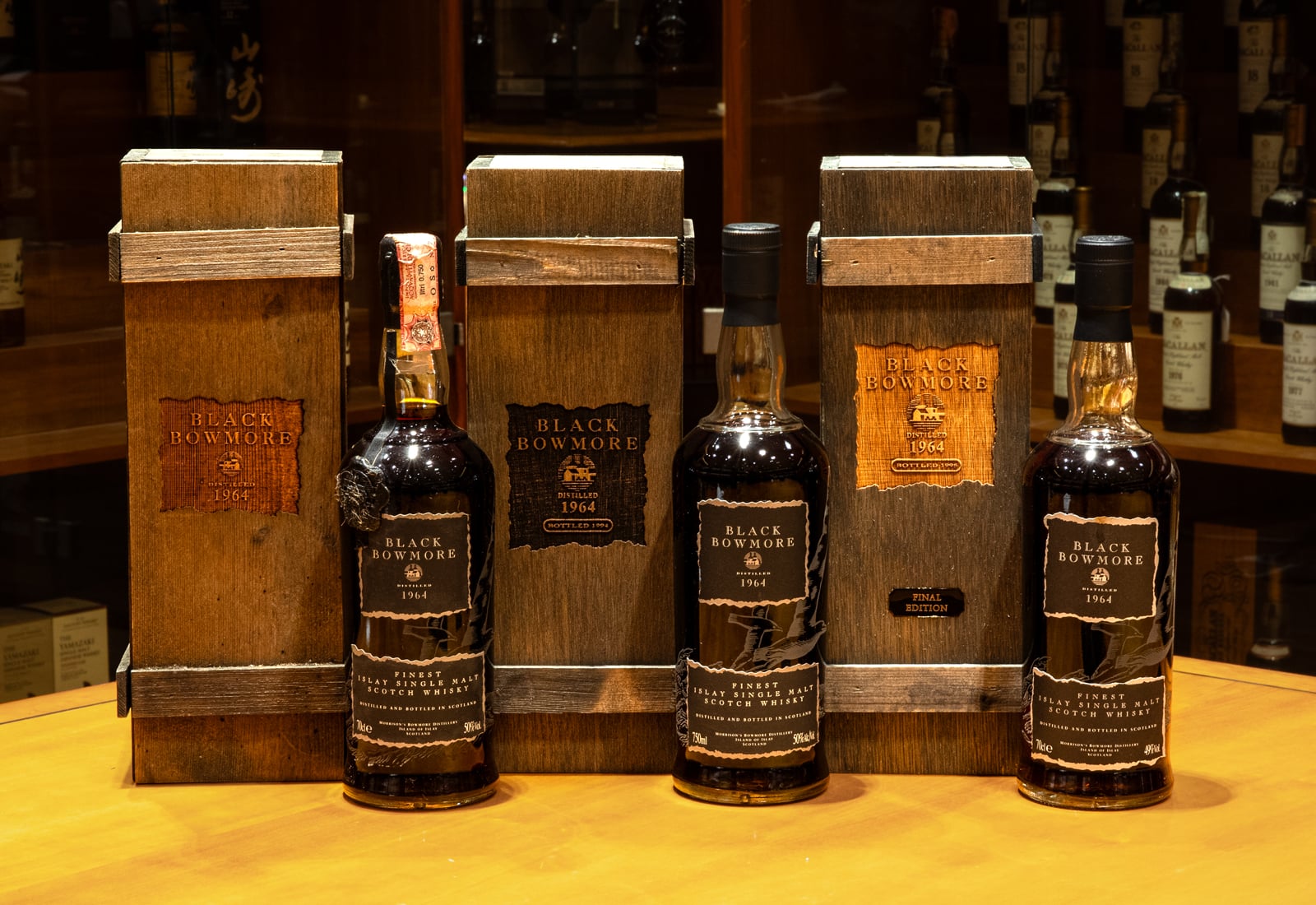
The idea that style and quality in whisky shifts is a key principle of whisky collecting. The legendarily fruity Bowmores of the 1960s are particularly collectable because they’re high in quality and quite different to modern Islay whiskies. This phenomenon can even extend to collectors talking about specific years of production at a given distillery being especially good.
Golden eras and great vintages in whisky
When we talk about vintages in wine, we’re referencing the way weather conditions affect the development of grapes during the growing season of a specific year. A late frost during flowering or too much rain as the fruit ripens can mean the difference between a great vintage that yields great wine and a poor one.
Single malt whisky is made from barley, a far hardier raw material than the temperamental wine grape. Growing conditions may affect yield, but they’re unlikely to alter the quality of whiskies made during a certain year. However, the idea of the golden era and the classic vintage persist among collectors. It suggests that there are forces at work which, if understood properly, can help us make choices about what whiskies to buy.

Spotting a future classic, Jason tells me, is just about understanding what a distillery is doing at a given point. “It all comes down to production,” he says. “The more you look into how they do things at your favourite distilleries, the more you’ll start to understand the way things change over time.”
Mentions of certain vintages are sure to inspire a reaction in whisky collectors. Single malts like Clynelish from 1972 or Brora from 1983 hold particular significance. Other distilleries are said to have ‘golden eras’ where the quality of their whisky was especially high. Bottlings of Laphroaig from the 1960s command especially high prices because something – some combination of the conditions and the production techniques at that time – led to pure gold running from the stills.
I’m curious to hear more about what make whiskies from specific times at specific distilleries great in the hope that these lessons can guide our decisions as we build our collections. With that in mind, I ask Jason for examples of the great vintages of days gone by.
“Take Glen Grant,” he says. “Everybody who’s tried them loves 1960s or 70s Glen Grant, but when you try expressions distilled in the 50s or earlier – when they were still floor malting on site – you get a little bit of smoke on them that’s quite unusual. After they closed the floor maltings in 1962, that hint of smoke was gone forever. I think that’s part of why we love certain vintages – it’s those little variations, and aspects of their character then that you just can’t replicate.”
Capturing whisky’s character
When production changes, the character of the new-make spirit before it goes into cask changes, and certain styles of whisky becomes rarer – and therefore more collectable. Bottlings that take on legendary status within the whisky collecting community tend to be those that are both atypical and delicious. Here, we see how spotting a future classic is largely about finding an outlier of whisky that you think is exceptionally good.
“If you want the perfect combination of peat and sherry, for me that’s 1976 Ardbeg. I also really love these 1968 single cask Glendronachs bottled for All Nippon Airlines in the 1990s. They just have this really rich old sherry character to them that’s hard to find that now even in things like old Macallan.
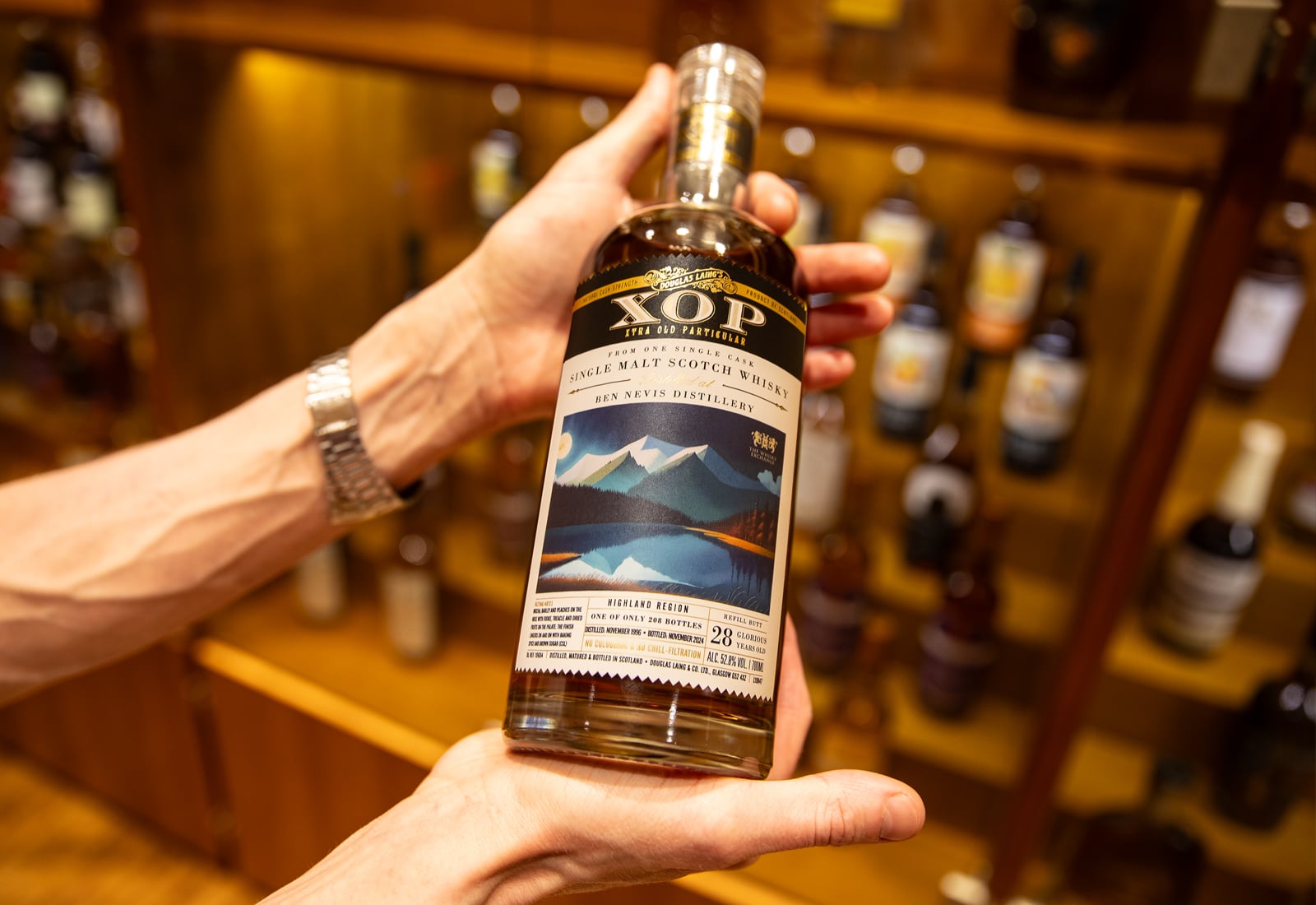
“But there are more recent examples I’m excited about at the moment as well. I’ve talked about Imperial before in this series, but those final 1990s vintages at Imperial are really special, I can’t think of a whisky exactly like that still being made today. 1996 Ben Nevis, like the one bottled for us recently by Douglas Laing for its XOP collection, is also fantastic right now.”
This mention of Imperial, a lost distillery that was mothballed in 1998 and finally torn down in 2013, reminds us that great vintages and great distilleries aren’t the preserve of the distant past.
Casks filled at the famously old-school Ben Nevis distillery in 1996 reached the open market in the early 21st century and a slew of highly regarded independent bottlings began to appear shortly after. Many were aged in refill sherry butts and so showed clearly developed spirit rather than overt oak influence. There’s that sense of distillery character again.
A bit of digging tells us that at the time the distillery was still using brewer’s yeast at the time, a practice that only ceased relatively recently. The potential for the creation of deep, complex flavours in yeasts gleaned from the beer industry come at the expense of yield. As a result, the use of brewer’s yeast declined in the final decades of the 20th century. It is being rediscovered by some distillers today, but it remains rare.
While Ben Nevis is now regarded as a whisky-drinker’s favourite, much of the spirit distilled there since the early 1990s was shipped to Japan to be incorporated into blended whiskies by the site’s owner, Nikka. Add all that together and you have a single vintage yielding great whiskies from a great distillery that are relatively rare and highly collectable. This is the kind of detail Jason is hinting at when encouraging us to dig a little deeper into our favourite distilleries.
Putting it all together
It’s important to remind ourselves that there are no certainties when it comes to the ups and downs of whisky prices. That’s why Jason is always quick to advise budding collectors to buy what they love and stick to a budget. Not every whisky you buy will take on legendary status, but those that do will almost certainly have some combination of the following: firstly, they will be of high quality; secondly they will offer something that other whiskies don’t; and finally, they will offer some clear tie to a particular year or era.
This might seem obvious, but the Black Bowmore we used as an example earlier in this article didn’t come to command tens of thousands of pounds in the marketplace just because it was limited in number. Bowmore in 1964 was creating spirit with extraordinarily intense notes of tropical fruit which, when combined with what appears to be a particularly good batch of sherry casks, resulted in lightning a bottle, so to speak.
This unusual and utterly delicious single malt grew in stature as whisky clubs and nascent online collecting groups raved about its merits. A new Black Bowmore doesn’t come along every day, but if you’re lucky and you keep your eyes on what your favourite distilleries are putting into the world – either in official bottlings or through independents – you might just spot whiskies where the stars have aligned to create greatness.

Black Bowmore 196429 Year Old 1st Edition
£25,000

Save
£60
Ben Nevis 199628 Year Old Xtra Old Particular for The Whisky Exchange
£315

Imperial 199626 Year Old The Whisky Show 2022
Out Of Stock

Brora 198220 Year Old Rare Malts
£2,500

Clynelish 197222 Year Old Rare Malts
£3,750

Glendronach 196825 Year Old ANA Cask 13
£5,000

