


 United States — would you like to set this as your default country of delivery?



 Trade
Trade
 Shops & Events
 Customer Service

The English Whisky Guide: Distilleries and Modern Styles
Since the first modern whisky distillery opened in England in 2008, the country has become an up-and-coming force in the whisky world. We run the rule over a distilling landscape full of quality and diversity

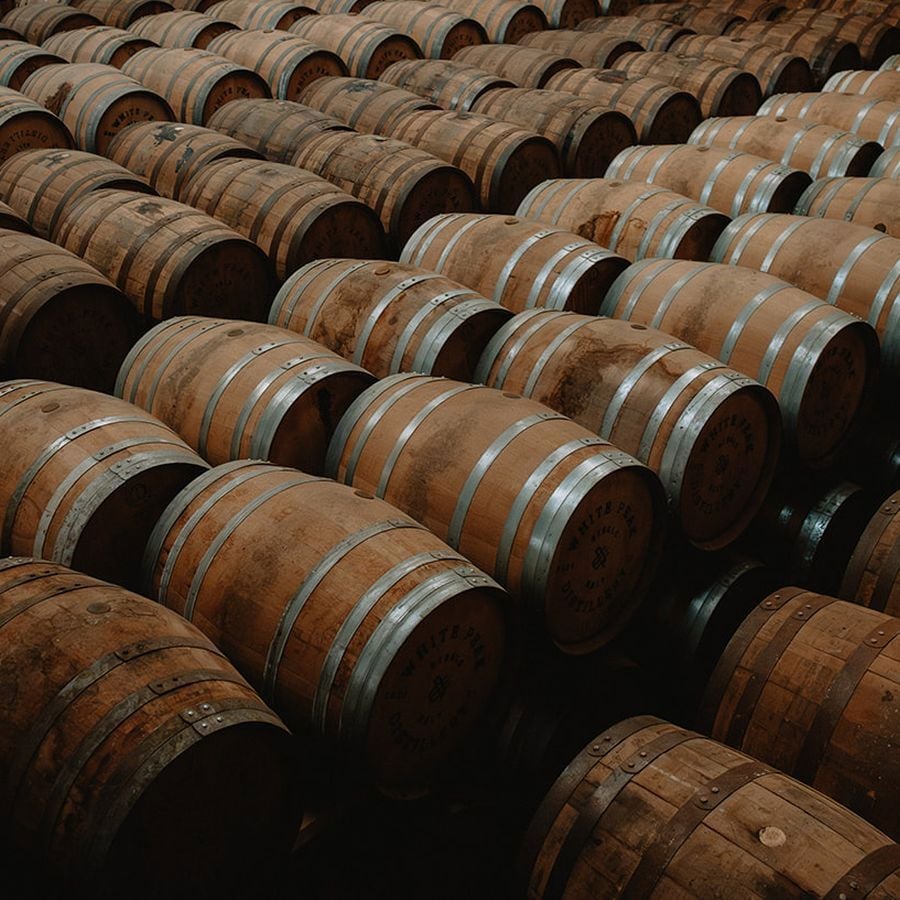
Casks at White Peak Distillery, Derbyshire
When you think of traditional whisky-making countries, two immediately come to mind: Scotland and Ireland. But what of the rest of the British Isles? The new millennium has brought with it a new wave of whisky making around the world, and England has not escaped, with more than 60 whisky distilleries now laying down spirit. Unknown to many, the history of whisky in England goes back much further…
A brief history of English whisky
While modern whisky is very much a product of Great Britain and Ireland, it is the Scottish and Irish producers who get all the credit. As with most histories, ‘to the victors go the spoils, and the tales of both English and Welsh whisky have never been celebrated in the same way as Scotch and Irish whisk(e)y.
However, whiskey did start to appear in England at the same time as in its neighbouring countries. There are records of the distilling of beer in England stretching back to the late 1500s, and when the Worshipful Company of Distillers was founded in 1738, it included rules about beer distillation in its initial regulations. However, when Alfred Barnard famously circumnavigated the UK in 1885-6, with the resulting research published as The Whisky Distilleries of the United Kingdom, there were just four whisky distilleries left in England. They were large plants which made plain spirit for gin as well as grain and malt spirit for maturation into whisky, but were very much the end of the first act of English whisky making.
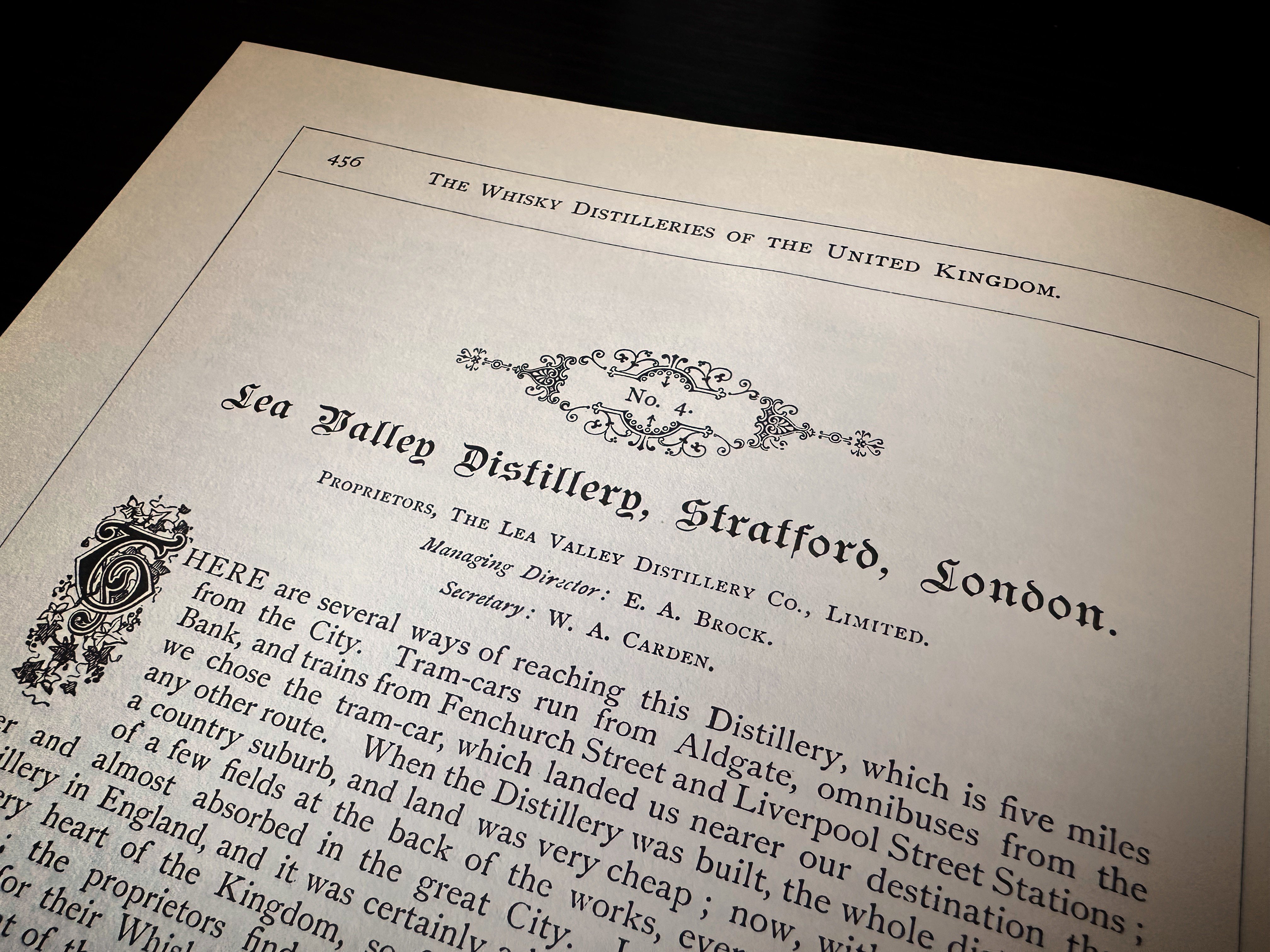
By 1904, the last English distillery making malt whisky – Lea Valley in London – had folded, and the others had either stopped producing whisky or gone bust as well. Here, our story pauses for more than 100 years.
In the early 2000s, farmer James Nelstrop was thinking about retirement, and after decades of growing grain for the whisky industry, decided that he might want to have a go at making some himself. However, the regulations on whisky making at the time included a minimum still size, forcing James’s distillery plans to grow a little larger and balloon into a full-sized commercial distillery. That distillery opened in 2006 and continues to operate today as The English Distillery, the oldest whisky distillery in the country.
Others soon followed, and, as of mid-2025, there are now more than 60 licensed whisky distilleries in the country, the beginning of a second act in the history of English whisky.
How is English whisky made?
While Scottish and Irish whisky have strict regulations about how they are made, English whisky’s smaller size and youthfulness mean that there aren’t specific regulations governing its production, yet. Instead, distillers must follow the UK’s general regulations defining whisky, carried over from the EU’s laws. In short:
- Must be made from grain – either just malted grain or a mixture of malted and unmalted
- Must be distilled to less than 94.8% ABV
- Must be matured for at least 3 years in wooden casks
- Only water and caramel colouring can be added before bottling
- It must be bottled at 40% or more
- If it is called ‘single malt’, it must be distilled at a single distillery
All of these line up with the regulations in Scotland and Ireland (which are also based on the same rules) but miss out many of the extra restrictions that those countries have. The result is that English whisky is a little more varied in its making.
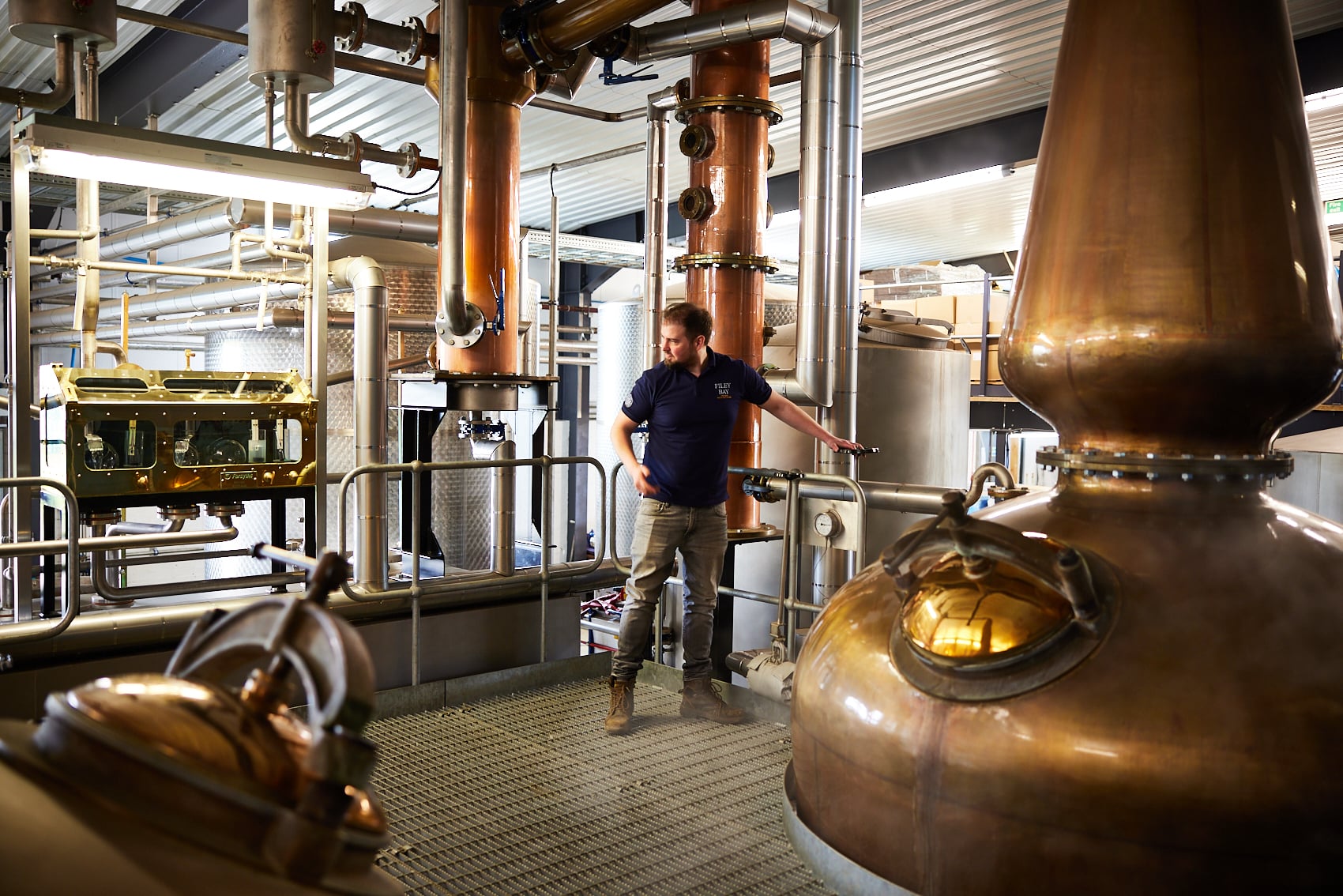
Mostly the differences are quite geeky, with different types of still and occasionally non-oak casks being used, but in the main, English whisky is made in a very similar fashion to elsewhere in the world:
- Crush the grain and steep it in hot water
- Add yeast and allow it to ferment into wash, distillers' beer
- Distil it into a strong, clear spirit
- Mature it in wooden casks
The English Whisky GI
As there is so much variation in style across England, the English Whisky Guild, which represents about a third of the distillers, has proposed a Geographical Indication (GI) which would create a legal definition for how English Whisky must be made. This adds in some restrictions seen in Ireland and Scotland (defining malt and grain whisky) and others that aren’t (the grain used for English whisky must be grown in the UK, while Irish and Scottish whisky can use any grain from any country).
The GI also doesn’t mention one restriction found in the Scottish definition – that single malt whisky must be both fermented and distilled at the same distillery, rather than simply distilled there – leading to an objection from the Scotch Whisky Association when it was initially filed with the government.
As a brief aside, Spirit of Yorkshire is an example of a distillery that does not conform to the Scottish definition of a single malt whisky maker, as it splits fermentation and distillation across two sites. This is an example of why GIs for different areas can be important, as Scotland and England focus on different things: Spirit of Yorkshire may split production across its distillery and sister site Wold Top Brewery, but all of its barley is from England (specifically, grown by the company in the surrounding area), while Scottish distilleries can source their barley from anywhere in the world, but have to do the process of new-make spirit production – from mashing to distillation – in one location.
At the time of writing, discussions are still ongoing, and a decision on the rules hasn’t been made yet. The process of establishing GIs can take a long time, and we look forward to seeing how things turn out.
English whisky makers to watch out for
St George’s Distillery (The English)
St George’s distillery, home of The English Whisky Company (now more commonly known as The English Distillery) was England’s first new distillery since Lea Valley closed. Founder James Nelstrop passed away in 2014 and the company is now managed by his son, Andrew.
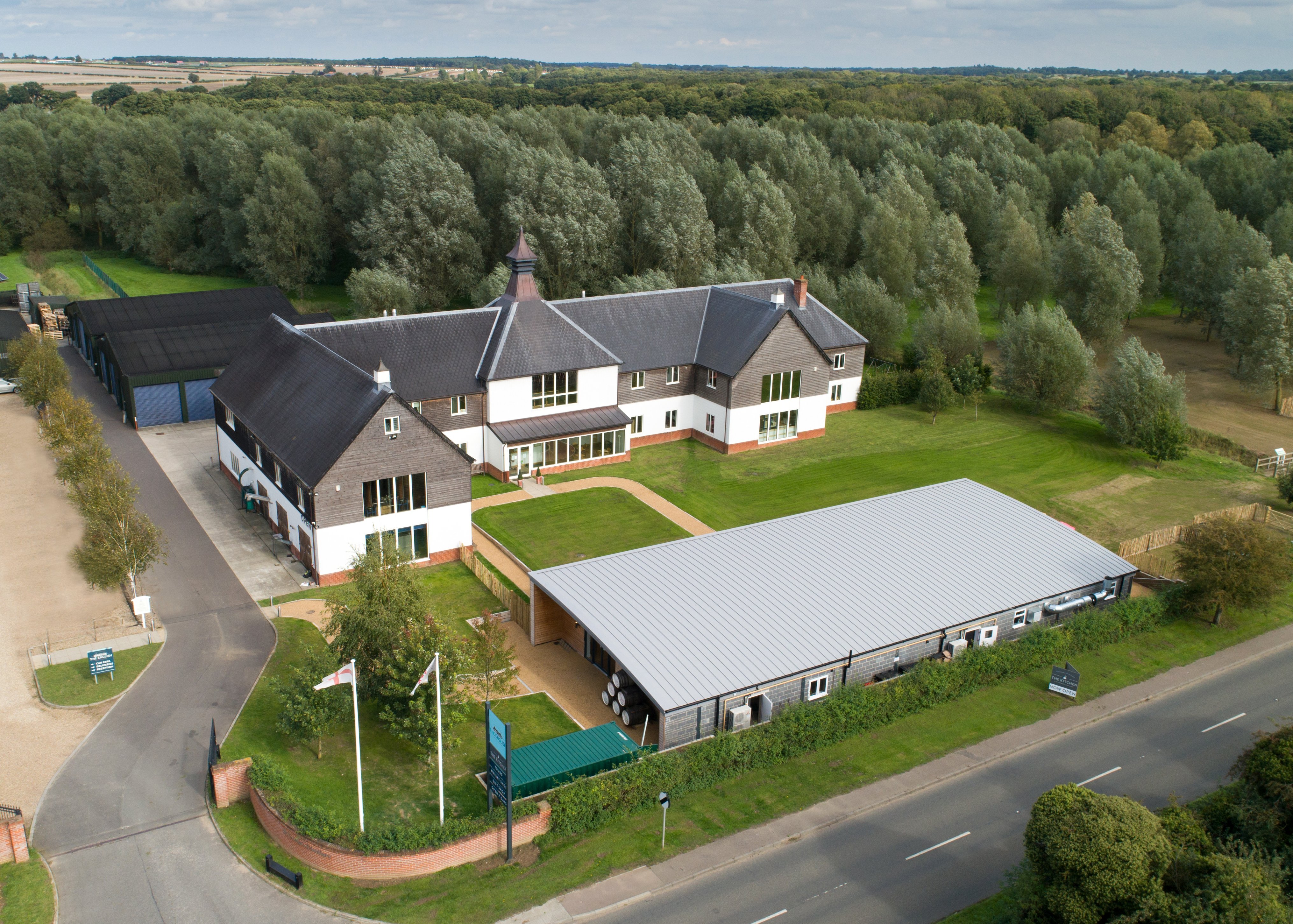
The distillery team, led by distiller Chris Waters, make a variety of whiskies, most of which are traditional and don’t break out of the Irish and Scottish mould, including peated whisky. However, they also make whiskies celebrating local grains, leading to The Norfolk range, with each release using different mash bills to show off the flavours of the underlying grains. Their whiskies have also not gone unnoticed by awards, with The English Sherry Cask taking the top spot at the World Whiskies Awards 2024 and being awarded World’s Best Single Malt. As the oldest distillery, they also have the oldest whisky, with The English 18 Years Old launching in 2025.
The Lakes Distillery
Established in 2011, The Lakes Distillery was one of the distilleries that helped kick off the current growth in numbers. It was founded by Andrew Currie, son of legendary whisky industry stalwart Harold Currie and co-founder of Arran distillery, and renowned entrepreneur Nigel Mills CBE, and brought whisky distilling to one of the UK’s top tourist spots. Built into an old farmhouse and with a focus on tours and an excellent restaurant while whisky matured, it slotted straight into the landscape of English whisky.
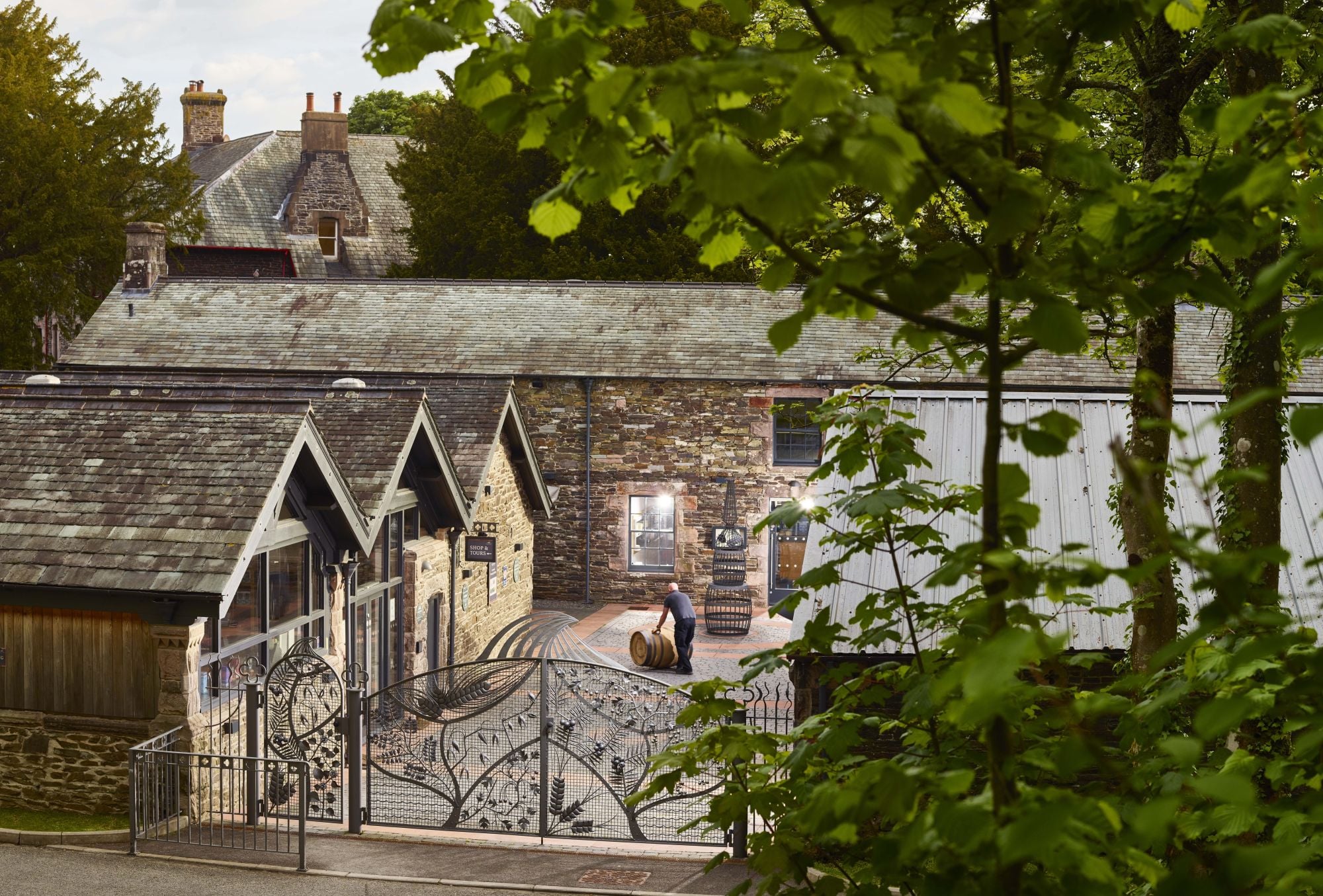
Its whiskies have focused primarily on sherry casks, with initial blender Dhavall Ghandi’s experience at Macallan helping him win awards with a collection of limited edition releases. This included World’s Best Single Malt Whisky at the World Whiskies Awards in 2022 with The Lakes Whiskymaker’s Reserve No.2. Sarah Burgess, former head of the Macallan blending team, took over from Dhavall in 2023 and continued his work, launching the distillery’s first ongoing expression The Lakes Signature in 2025 under the new ownership of English sparkling wine maker Nyetimber.
Cotswolds Distillery
Another distillery surrounded by tourist-friendly countryside, Cotswolds Distillery was founded in 2014 by New-York native whisky lover Dan Szor. Having worked in London for years in finance, he moved to the Cotswolds and decided to start a business. Realising that he was surrounded by barley fields, he decided to move from being merely a whisky fan to being a whisky maker.
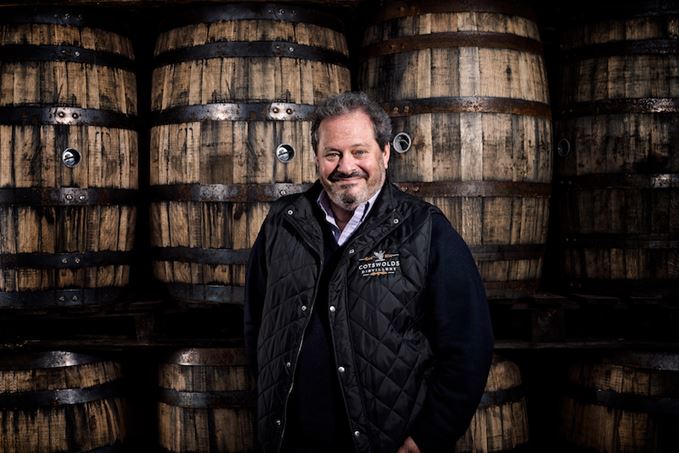
These days, the distillery has a small range of ongoing whiskies, including the flagship Cotswolds Signature, as well as an ongoing series of small batch and experimental releases, including playing with wine and other spirits casks, and even amari. Cotswolds also makes gin, which it became well known for while the whisky was maturing, and when the distillery was upgraded in 2024, the company repurposed the original still house to make rum.
Spirit of Yorkshire (Filey Bay)
Spirit of Yorkshire, makers of the Filey Bay range of whiskies, comes at whisky making from a different perspective to most other British distillers – they started with beer. It was founded by two friends, Tom Mellor, a farmer and brewer, maker of Wold Top beers using barley grown on his farm next to the brewery, and David Thompson, a former grain salesman and marketing specialist. They are focused on making Yorkshire whisky from Yorkshire ingredients.
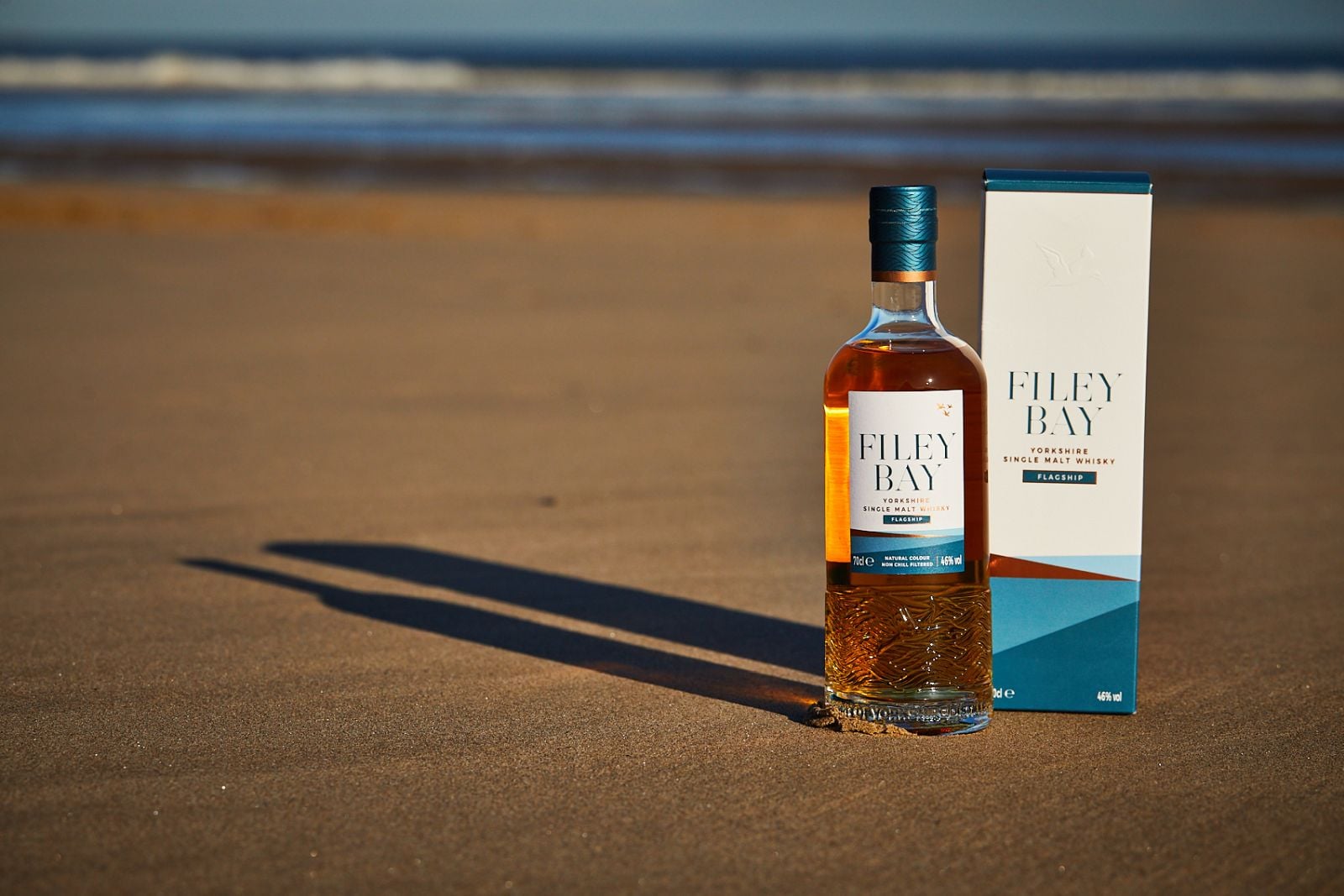
All of the barley used to make Filey Bay whisky comes from Tom’s farm and is brewed into wash at Wold Top. It’s then tankered down to the distillery in Filey, where it’s distilled, filled into cask and left to mature. The team first ran spirit in 2016 and released their first single malt in Autumn 2019, with production now handled by industry luminary Joe Clark. Along with the Filey Bay Flagship, they have a range of small batch releases, tinkering with casks, including their own beer casks – Wold Top ages some its beers in whisky casks from the distillery and passes them back for the distillery to use again. Across the range, you find a bright and fruity whisky, with the beer cask releases being especially sought after.
White Peak (Wire Works)
Based in a former wire factory by the River Derwent near Derby, White Peak Distillery was founded in 2016 by Max and Claire Vaughn, a couple with a love of whisky but no background in distilling spirits. With help from distillers they’d met previously, they built the distillery and released the first Wire Works whisky in February 2022.
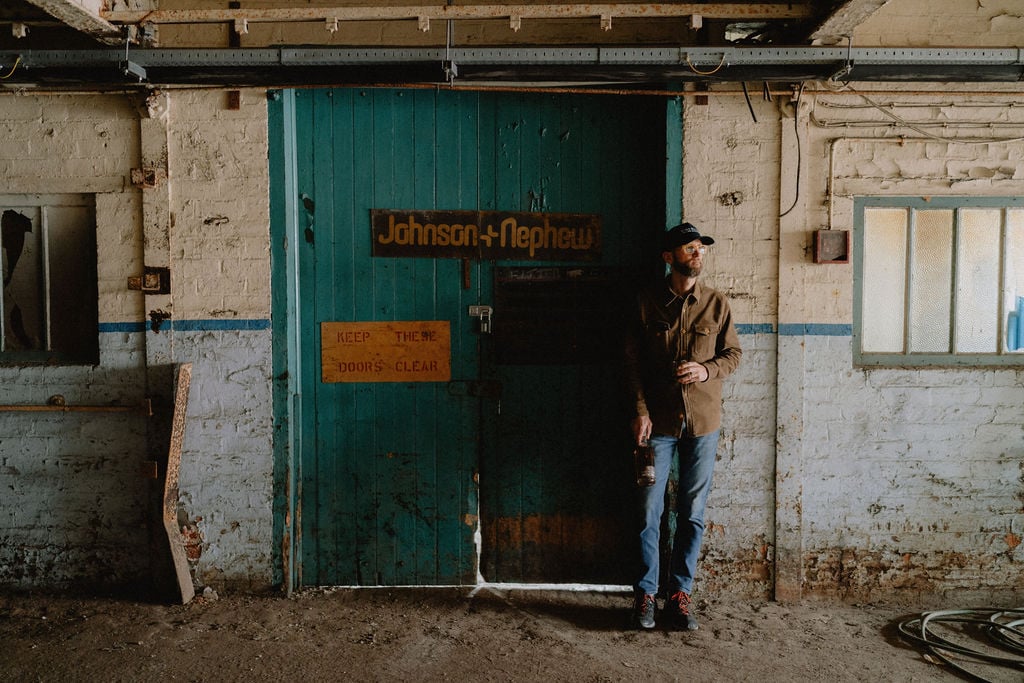
Production is a little different from other distilleries, with a couple of tweaks to the traditional processes. Firstly, the team use lightly peated barley, created by mixing unpeated and peated malt to give the desired level of smokiness. They also use a mixture of yeast, adding some cropped from nearby Thornbridge Brewery’s award-winning Jaipur beer to more traditional distillers' yeasts, to give something a little more Derbyshire. The result is a softly smoky with orchard fruit which then has layers of cask character added on top – and White Peak love playing with casks. On top of the regular wine casks that we often see, they also produce a yearly Necessary Evil edition, maturing the whisky in casks previously used to age Thornbridge’s Necessary Evil stout, adding extra roasty richness.
Fielden
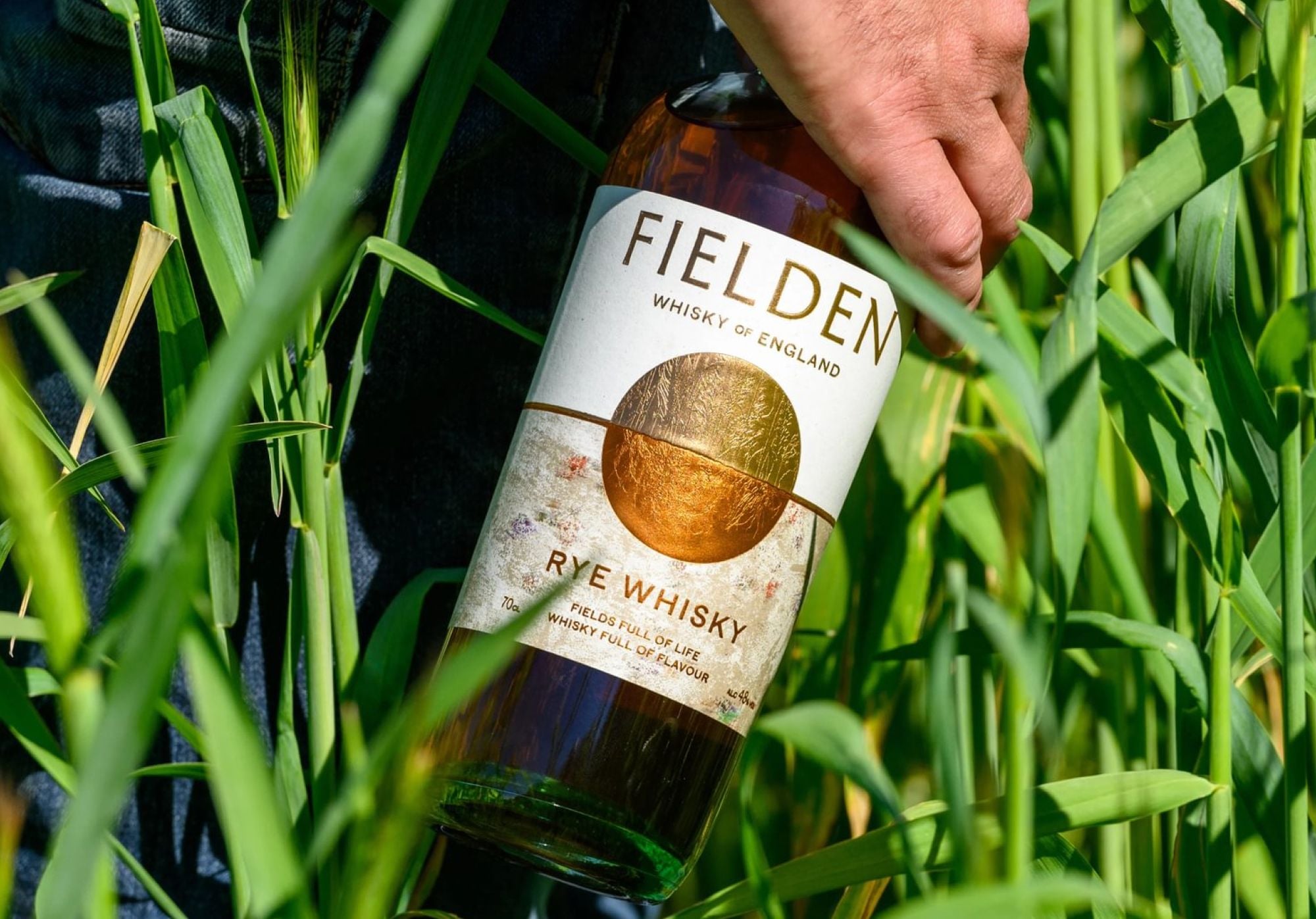
As the English Whisky scene is still relatively young, some companies have changed their focus over the years, and Fielden is the biggest example of that. Starting out in 2017 as The Oxford Artisan Distillery (TOAD for short), the initial focus was on Oxford and its local area. As the team became more involved with grain, that shifted to working with farmers and agronomists to research and grow heritage grain varieties using historical methods. As the company expanded, it outgrew its original home and has become what it is today: Fielden, a whisky maker who works with multiple distillers across the country to express the character of England’s grain.
Throughout all of that, one principle has very much stood out – the team’s love of rye. As such, it’s their focus when it comes to whisky making, leading to the spicy flagship Fielden Rye Whisky, with special editions doubling down or adding other grains to the mix.
Other English whisky distilleries
As of April 2025, there were 61 English whisky distilleries, with more popping up all the time. We’ve not got space to dive into details on all of them, but it would be much remiss of us not to give shout-outs to at least a few more:
Bimber
The Whisky Exchange’s local distillery, situated down the road from our HQ, “opposite the Asda”. One of London’s small number of whisky distilleries, Bimber has made a name for itself for producing great-tasting small-batch releases which can now be found around the world.
East London Liquor Company
The distillery’s idiosyncratic approach to whisky making has led to a wide range of spirits, with varying grains, casks and especially yeasts giving whisky maker Sam Garbutt lots of options to make the company’s small batch releases.
Copper Rivet
Based in Chatham Historic Dockyard (go see The Ropery – it was the school trip destination of my childhood), Copper Rivet is the maker of Masthouse whisky. Distiller Abhi Banik has even built his own patented still, giving the team a unique spirit to play with when creating expressions of the distillery’s malt and grain whiskies.
Circumstance
Maybe England’s most experimental distillery, founded on a philosophy of innovation and general playfulness. The team use a varied selection of yeast, grain and distillation techniques to create spirits focused on flavour. You can never be entirely sure what their whisky will taste like, but you do know that it’s going to be good.
English whisky is still very much in its modern infancy, and the new wave is still growing. With the English GI looming and producers pushing the boundaries of whisky making, all we know is that there are exciting times ahead.
-

Masthouse Grain Whisky
Out Of Stock
-

Bimber Harmony of Eight8 Year Old
Out Of Stock
-

Circumstance Organic Single Grain Barley Whisky
Out Of Stock
-

Cotswolds Founder's Choice (59.1%)
Out Of Stock
-

East London Liquor Co London Rye Whisky
£61.50
-


Fielden Rye Whisky
£49.95
-

White Peak Wire Works Caduro
Out Of Stock
-


Filey Bay Flagship
£53.75
-


The English Distillery Original Single Malt Whisky
£49.95
-

The Lakes Signature Single Malt
£68.95