


 United States — would you like to set this as your default country of delivery?


 Trade
Trade  Shops & Events
  Customer Service
 A Guide to Grower Champagne: Definition and Best Producers
The name given to Champagne producers who farm all the grapes they use, grower Champagnes are a historic part of the Champagne ecosystem and increasingly popular with drinkers in the UK and beyond

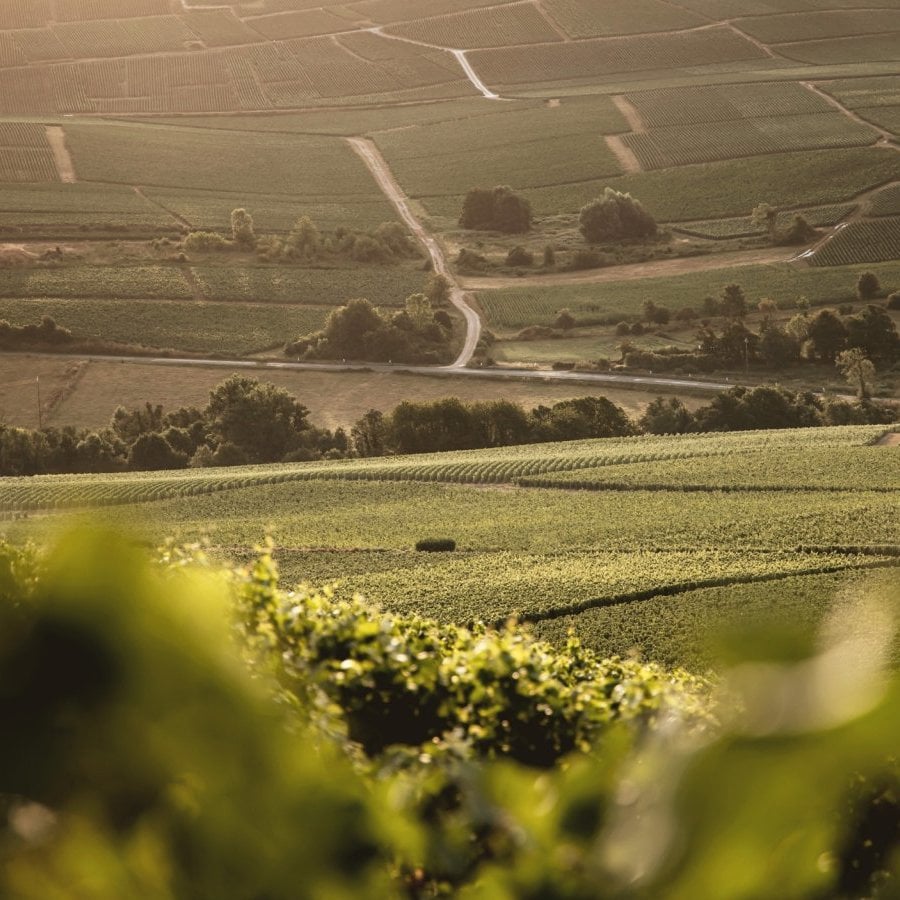
Vineyards at Berêche et Fils
Berêche et Fils
Terroir – the effect that a place, its microclimate and its soil composition have on grapes, and therefore on wine – is by now well known. But the concept of terroir in Champagne specifically is slightly more complicated. All of the so-called Grande Marque producers (and indeed most large houses, full stop), as well as owning land and growing some of their own grapes, are négociants, who buy grapes from vineyards operated by individual growers all around the region.
“The size of most vineyards in Champagne is only around one hectare,” says The Whisky Exchange’s buying director and Master of Wine Dawn Davies. “This is due to the Napoleonic laws of succession in France, which state that when a parent dies their land is split evenly between their children. This causes fragmentation of the land holdings. The land is rarely sold due to its value, and because many of the farmers have other jobs, or are not winemakers by trade, the grapes are sold to other producers to make Champagne. Those that buy these grapes and make their own brand of Champagne are négociants.”
While there are single-vineyard Champagnes from some producers, it’s meticulous selection, ageing and blending of wines from different vineyards and vintages that shapes the character of the biggest cuvées. Grower Champagnes, though, fit a slightly different mould. This is simply the name given to producers, officially labelled Récoltants-Manipulants, who grow all of their own grapes on land they own and farm themselves, and generally don’t buy from négociants.
While this doesn’t necessarily denote a higher quality, it does mean that when you drink a grower Champagne, you’re theoretically more likely to get more of a sense of place and terroir than when you buy from a large producer. This is the idea that’s driving a new wave of drinkers to discover grower Champagne.
The history of grower Champagne
The history of grower Champagne is the history of Champagne itself – there will always have been Récoltants-Manipulants using estate-grown grapes to make Champagne. But the idea of grower Champagne has only caught on with wine drinkers outside of France relatively recently.
This is generally considered to have happened in the 1990s, when influential American wine writer Terry Theise began discovering the grower Champagnes of the time, documenting them and importing some to the United States. In the process, he turned hip wine lovers in North America, the UK and beyond on to the cult appeal and sense of place these wines provided.
“The reputation of growers has built slowly over time,” says Davies. “You had the original ones known for great value, like Selosse, but as more growers see the value of their land and gain the skills to produce Champagne, we’re seeing more producers come to market with their own wines who before would have just sold grapes to négociants.”
In time, the appeal of grower Champagne to a wider wine-drinking audience grew further. Other importers began to source directly from these small producers, and in turn a selection of the producers began to sharpen their branding and marketing. At the top end, producers like Selosse, Bérêche & Fils (who buy a proportion of grapes from elsewhere in their family business) and Egly-Ouriet began to garner attention and acclaim for superb wines made from their small parcels and single vineyards.

In the 2010s and beyond, their esteem grew with younger drinkers similarly drawn to things like natural wine and single-estate spirits. While grower Champagnes aren’t necessarily produced in the same way as natural wine, the appeal of smaller production, less intervention and often organic and biodynamic methods that grower Champagnes often use struck a chord in a similar way.
“Sommeliers and importers have really pushed the quality levels of these producers,” says Davies. “People are also becoming less and less loyal to bigger, established brands, and keen on exploring smaller producers. Some people feel grower Champagnes give them more of a sense of traceability – and in many occasions sustainability – and that appeals to people.”
Grower Champagnes in numbers
To understand grower Champagnes, it's perhaps helpful to get an idea of the scale of production in the region. There are more than 19,000 individual grape growers in Champagne, around 5,000 of which use their grapes to make Champagnes. With this in mind, there are actually far, far more grower Champagnes than there are larger, internationally recognised houses.
For those of us shopping for Champagne, though, the sheer number of growers doesn’t mean a dizzying array of options in the UK or further afield – most of these growers are relatively tiny in terms of production, and the vast majority of the Champagne they produce you won’t see exported outside of France.
With that in mind, when you’re shopping for Champagne, it’s helpful to think of grower Champagnes are houses large and wealthy enough to export and market their product, but still small in production compared to the larger négociants and Grandes Marques. “Both growers and the big brands can give you the same idea of tasting a specific vineyard – for example Krug’s Clos du Mesnil – but with growers you’re more likely to taste wines from a single plot or vineyard due to the size of production.”
Champagne labels
While appellation names, vineyards and single plots, Grand Cru labels and more can make an Old World wine label tricky to decode – not least in Champagne – thankfully, the Champagne appellation provides distinct names for each type of producer, meaning you can see a bottle's mode of production at a glance.
Récoltant-Manipulant (RM)
This is the term given to what we’d refer to as grower Champagnes, who grow at least 95% of the grapes used in their wines.
Négociant-Manipulant (NM)
The label you’ll find on the majority of large Champagne producers’ cuvées, this refers to wines made with grapes largely sourced from other growers.
Coopérative-Manipulant (CM)
The name given to wines produced with grapes sourced from a large-scale cooperative.
Récoltant-Coopérateur (RC)
The name given to wines where the grapes are sourced from one grower but the winemaking is done by a cooperative.
Marques d’Acheteurs
Those that buy ready-made Champagne and label it themselves.
The grapes of grower Champagnes
Most drinkers could go a lifetime drinking Champagne only made with the three dominant grape varieties of the region: Chardonnay, Pinot Noir and Pinot Meunier. And while one or a combination of these are used in the overwhelming majority of all Champagnes produced, there have actually been a total of seven permitted by the appellation, including Pinot Blanc, Pinot Gris, Petit Meslier and Arbane. “These are historic varietals that tended not be as productive, or were harder to grow,” says Davies, but they all have their unique qualities that can offer a wider range of flavours to the Champagne.
“Think of a painting – you could use three colours or seven. One may give more diversity in the picture – not necessarily make it better, but make it more varied. For example, Aubane adds fruity and floral notes, Pinot Gris gives smoky flavour. Pinot Blanc adds roundness and melon notes, and Petit Meslier is all about citrus.” A newer varietal, Voltis, was added in 2021, making a total of eight available to winemakers in the modern day.
Generally speaking, none of the biggest producers or Grandes Marques use the other five in mainstream cuvées, and while the number of grower Champagnes using grapes outside of the big three is still small, the proportion of growers making Champagnes with the other five is slightly higher compared to large négociant producers. If you’re interested, though, you can hunt down grower Champagnes making use of a combination of the non-standard grapes, sometimes alongside Chardonnay, Pinot Noir and Pinot Meunier, adding diversity and aromatic character to the finished wines.
In short, whether it’s a distinct sense of place, smaller production, the opportunity to try different grapes of simply just stepping outside of the comfort zone a household name provides, the appeal of grower Champagnes shows no signs of slowing down. And while we love the Grandes Marques as much as anyone, on the shelves of The Whisky Exchange and at our annual Whisky Show, you’ll find plenty of growers that offer an intriguing alternative to the big-name producers, and a rich seam of the Champagne industry to uncover.


