


 United States — would you like to set this as your default country of delivery?


 Trade
Trade  Shops & Events
  Customer Service
 Karuizawa: A Once-in-a-Lifetime Tasting of Rare Whisky
In November 2025, Number One Drinks is releasing its final bottling from Karuizawa, the cult Japanese distillery whose remaining stock it purchased in 2011. Called Once In A Lifetime, it is a vatting of whiskies from the 1960s to the time of its closure (and subsequent demolishing) in 2000.
Writer Dave Broom has been making yearly pilgrimages to Japan since 2001. He has had a long relationship with Karuizawa and the people who saved its whiskies. As he says, ‘It’s been quite the journey’.

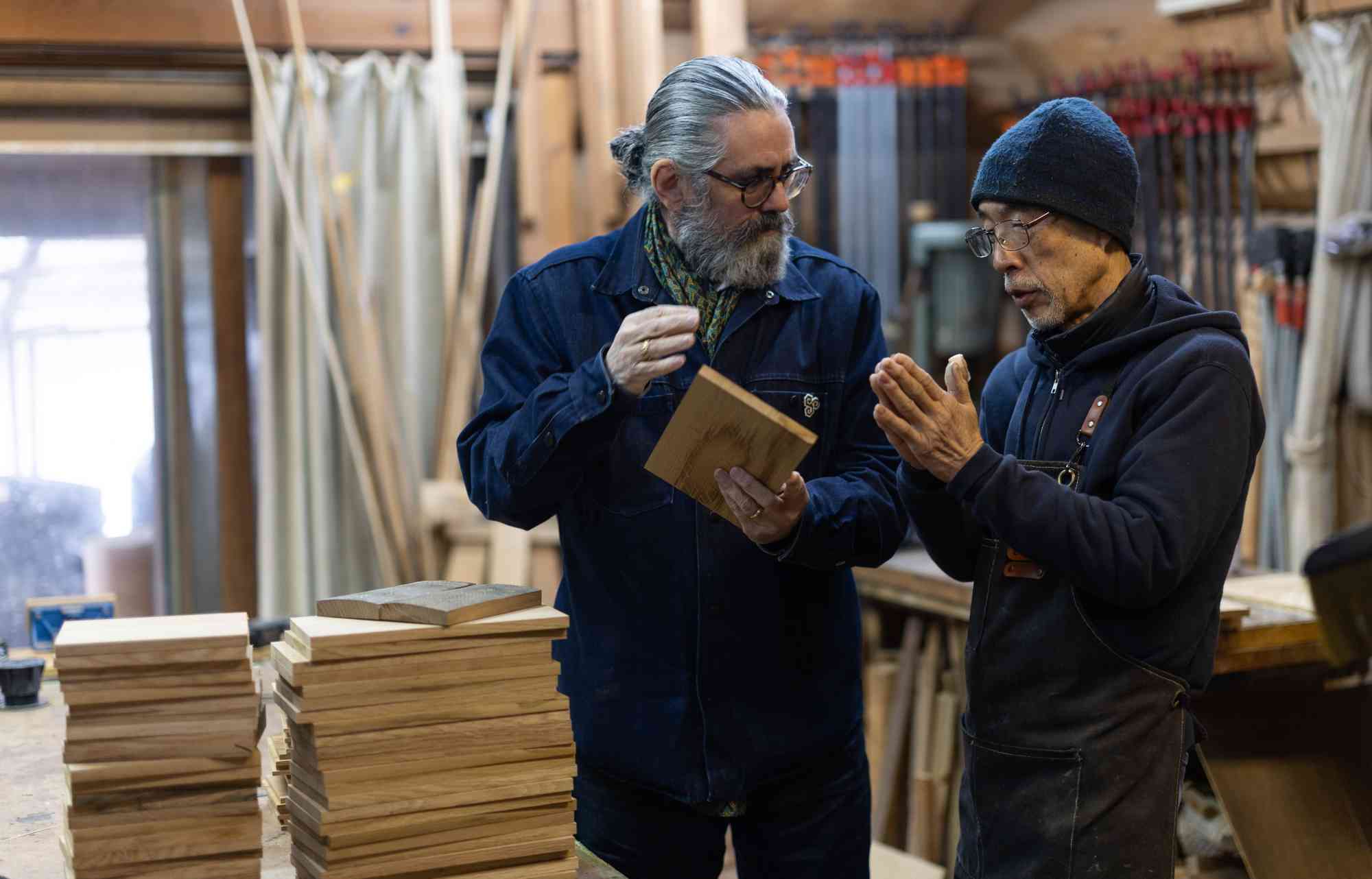
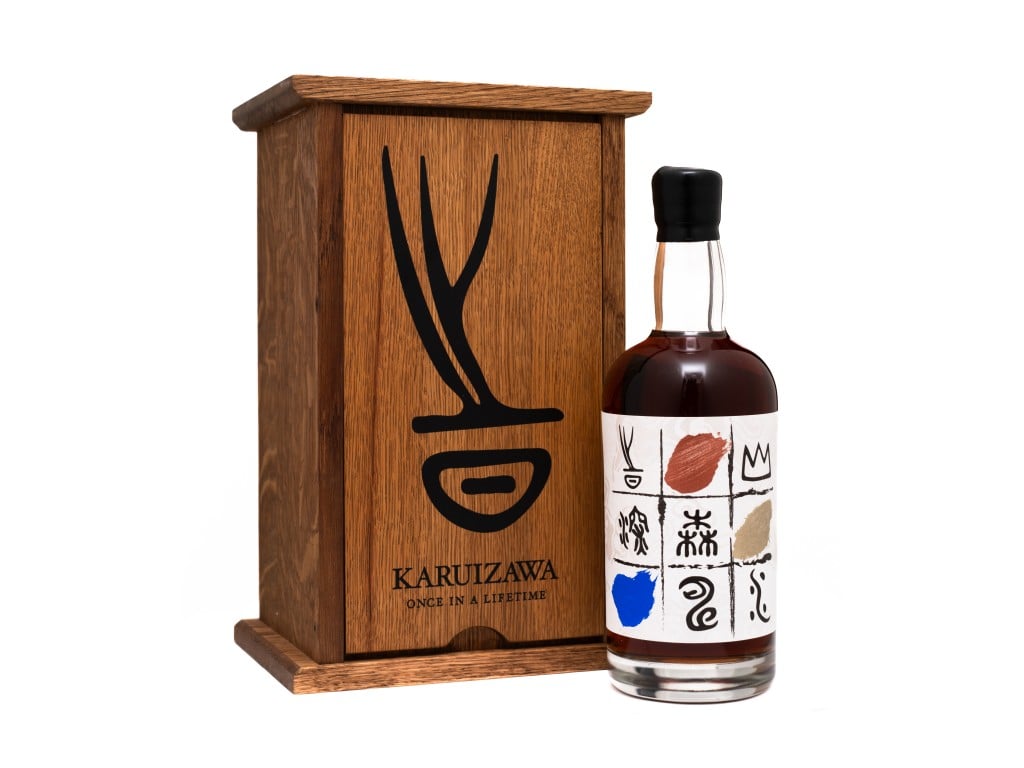
Before you reach the liquid, you have to open the box, a plain wooden container modelled on a Shinto shrine and made by Hiroki Goda in his workshop in the forest above Kyoto. The front panel is made from an old Karuizawa stave.
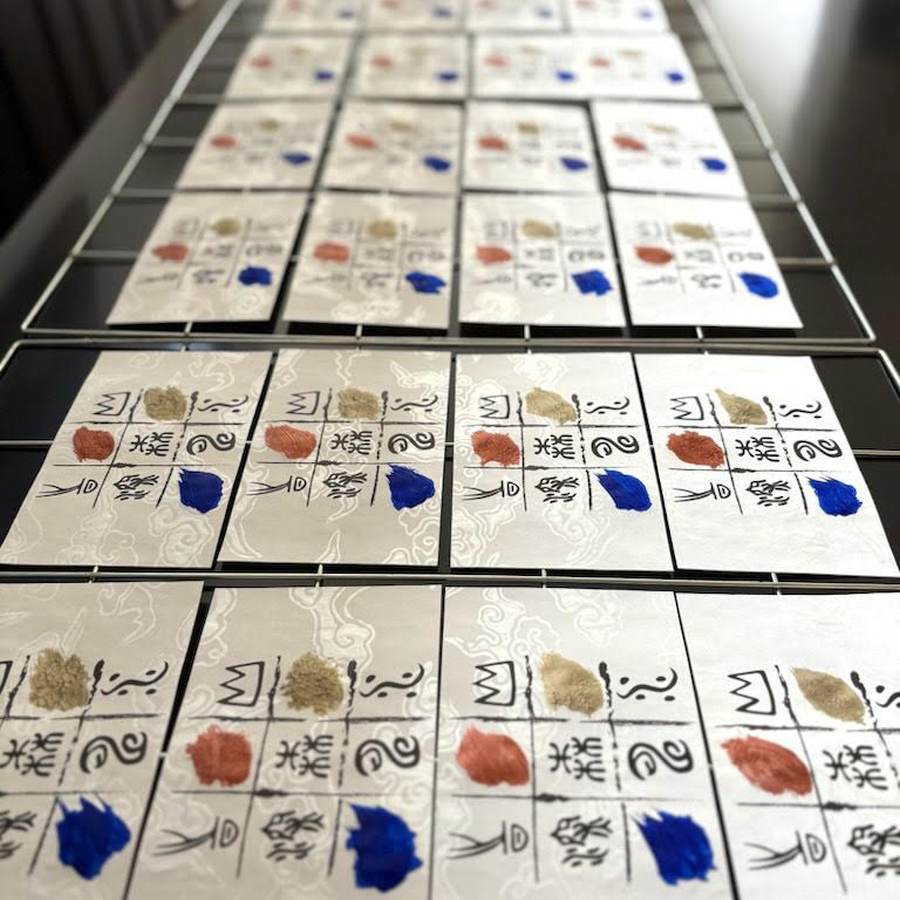
The bottle is simple as well, the label understated, a grid of nine with each square containing either a colour or a symbol telling a different part of the distillery’s story.
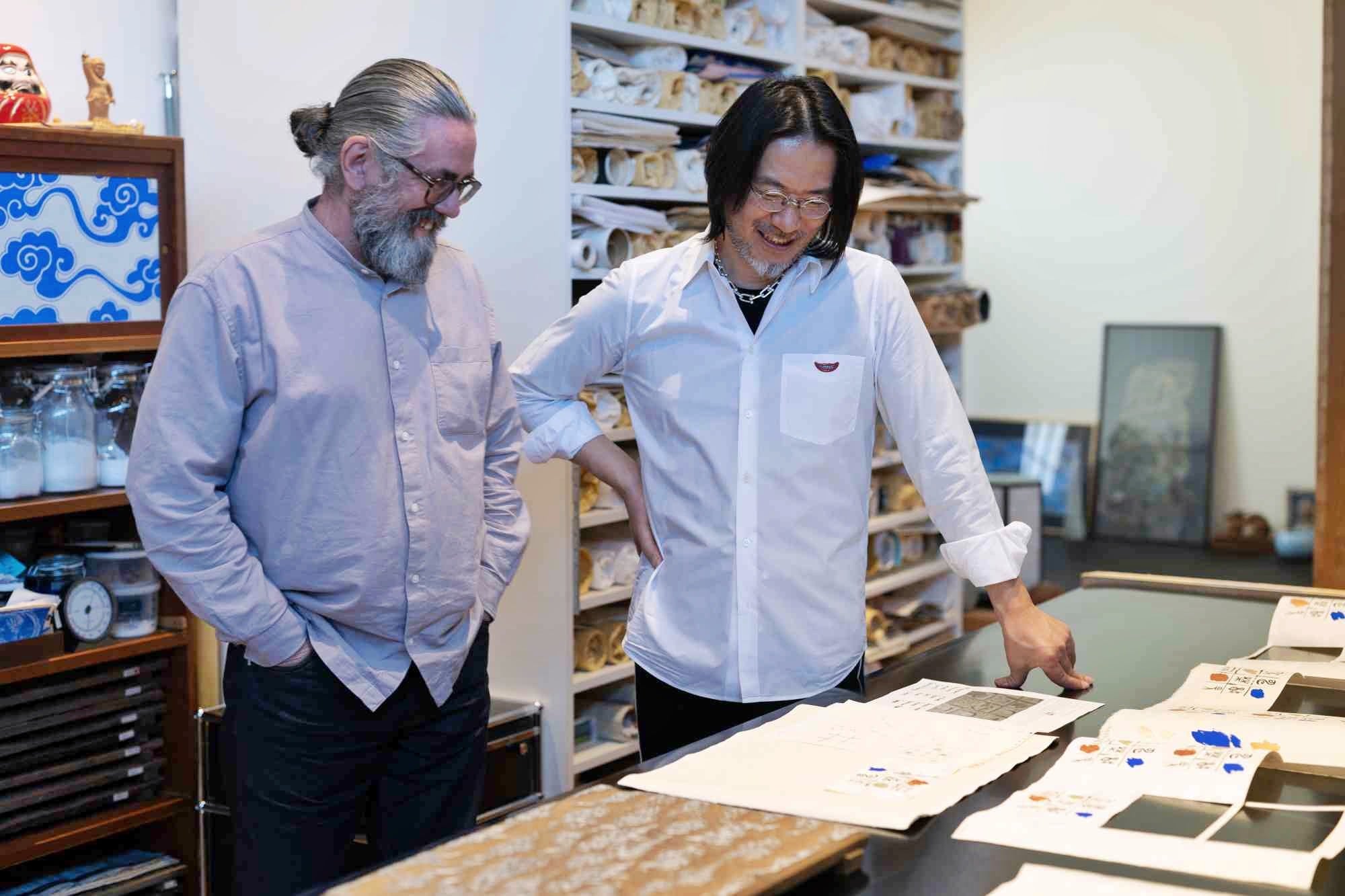
The blue brushstroke is for Ocean [the blend Karuizawa supplied], copper is for stills, gold for barley. The symbols, derived from ancient Chinese oracle bone script, represent mountain, water, forest, time, angel, strong, and time. Each label was hand-made by Toto Akihiko of the 500-year-old karakami [decorative woodblock prints] house Kira Karacho in Kyoto.
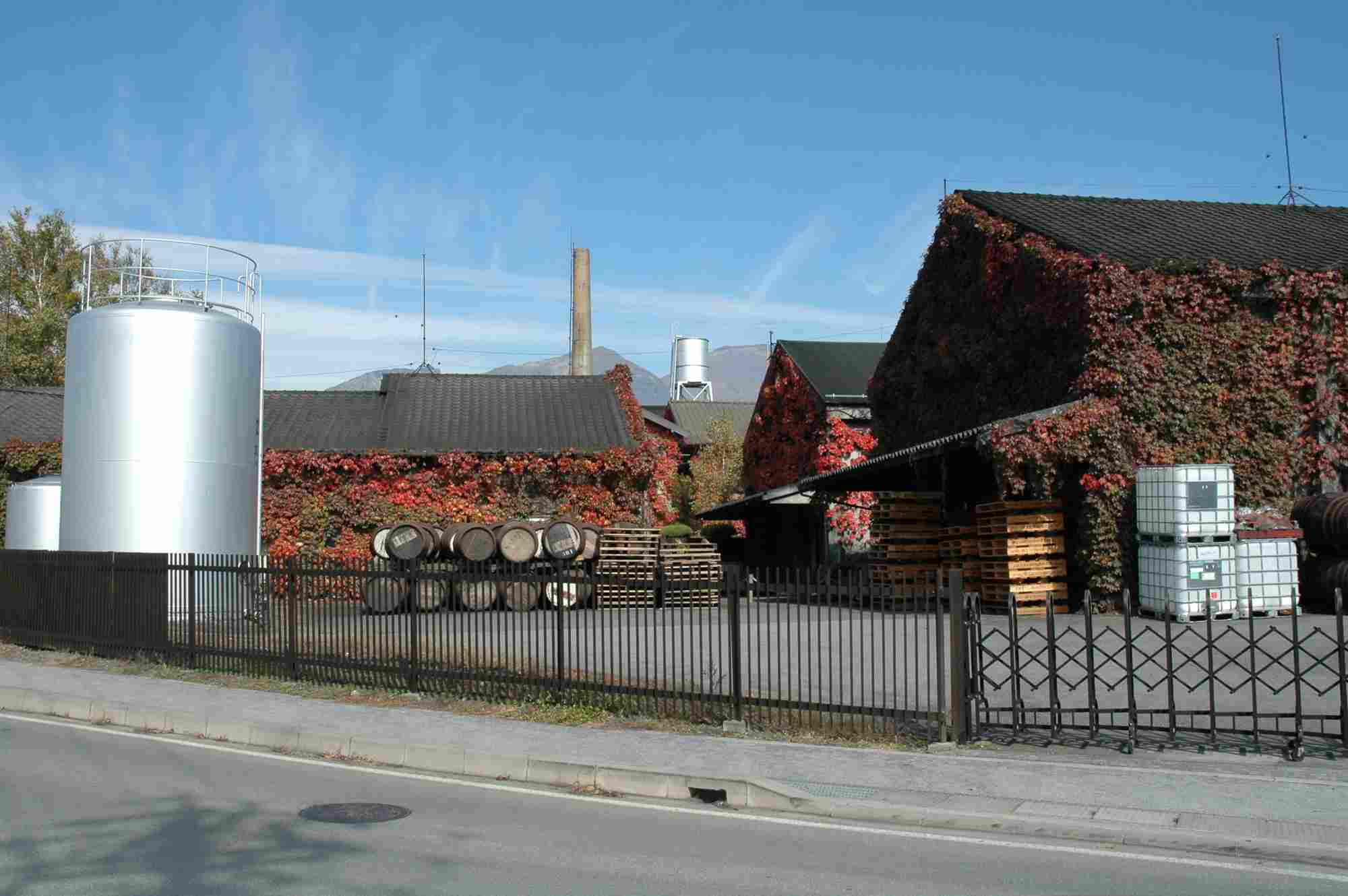
It started for me in February 2005 when I got off the train at Karuizawa station and headed to a strange-looking distillery with buildings covered in vines. The warehouses were low, the distillery itself one room with a mashtun that reminded me of R2D2 and small stills whose necks curved into the rafters. The winter chill seeped in. Everything was cold, silent. The bottles in the distillery’s shop had dust on them. I bought some for virtually nothing. Outside, puffs of smoke rose from the snowy peak of Mount Asama.
Nothing was being produced, not unusual for Japan in those days, but the plum blossom just emerging seemed to be a symbol of rebirth. Surely it would only be a matter of time before Karuizawa’s owner Mercian would reopen it? Even if whisky sales remained sluggish in Japan, the country’s single malts were making waves in export. One visit and this strange, silent, sad place had me hooked.
It wasn’t just because of the location and atmosphere, but the taste. This was unlike any whisky I had encountered before. Each distillery I’d visited in Japan had followed a similar methodology of making multiple distillate streams, ageing them separately in a mix of cask types, then blending. Not here.
One way, one style. The result was thick, powerful, and strangely scented. It spoke of the earth, and the depths of a wood. Even now, 20 years later, I’m still not sure if I have ever managed to fully define what Karuizawa smells like.
It’s incense-like, autumnal, sometimes feral. There’s tamarind, aged soy, prune, tea, dried black fruits and soot, all bound together by some strange lacquer. The whisky equivalent of Antonio Stradivari’s secret varnish? A distillery which made this would obviously reopen.
Karuizawa seemed to exist in a parallel time stream, the last outpost of an older way of making single malt. Its adherence to old practice, the use of Golden Promise to add a thick, oily texture. The use solely (until its final years) of 100% ex-sherry casks. Behind others, but also ahead of most.
The first distillery to import foreign barley. The first Japanese distillery to be bottled as single malt in 1976. It challenges the assumption that the distillery’s sole function was to provide fillings. Number One’s purchase included whiskies dating back to the ‘60s, suggesting that there was a long-term strategy at work.
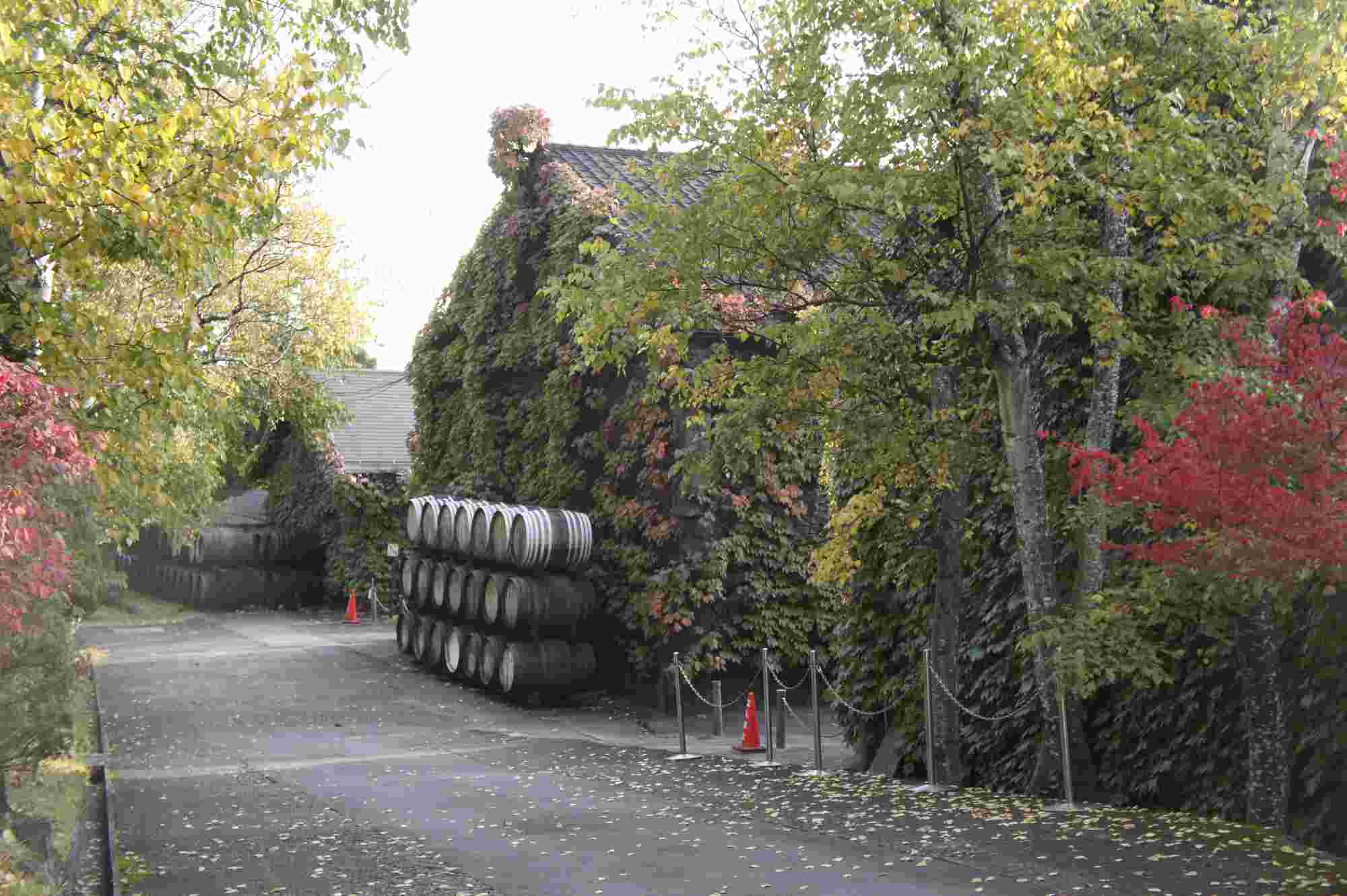
It wasn’t to be. The year after my first visit, Kirin bought Mercian for its wine business, not its whisky. By that time, Number One Drinks, convinced of Karuizawa’s quality and potential, had become its international distributor. When the news came that Kirin was not reopening the site, they made an offer for the distillery. When this was politely rebuffed, they asked about buying the stock. In 2011, they bought the remaining 364 casks.
Even then, there were doubts as to whether the whiskies would sell. An unknown distillery with no reputation and a relatively high (£100!) price point? Then, somehow, the cult status began. Maybe it’s the same as artists only becoming popular after their death. Perhaps Karuizawa was the beneficiary of a change in people’s palates and a greater appreciation for ‘old style’ malts.
And now it is over – for Number One at least. The question was how to bow out? Not a final single cask bottling, but something to tell the whole story for the first – and last – time. One chance. A single cask is a snapshot. This encompasses Karuizawa’s different eras: the high-extract and smoke of the 60s and 70s, the golden age of the ‘80s when the style became fixed, and the later years where a sweeter side emerged. The old distillery in all of its moods.
Karuizawa cannot be replicated, no matter the claims made by other actors. It is gone. This is what is left.
Karuizawa, ‘Once In A Lifetime’
58.4%, 145 bottles
The glow of highly polished mahogany. You’re in a library filled with leather-bound books, then a forest after autumn. There’s woodsmoke drifting from a fire. Classical Karuizawa.
As it opens, there’s fig, date, myrrh, hinoki and balsam, while the smoke hangs over juicy fresh fruits, adding lift and energy. Rich, elegant and complex.
It starts quietly: dried fruit, liquorice then blackberry and the balancing bitter bite of Seville orange.
Things become increasingly deep with woodsmoke, resin and very old soy adding a meaty element. Towards the back there’s prune, calamus, vetiver, then a surprising burst of sweet, bright orchard fruits.
The finish mixes Da Hong Pao tea with roast pineapple, mango and gentle smoke. Balanced, complex, resonant. Only at the end is the full story being told.
Dave Broom’s book ‘The Japanese Way of Whisky’ has just been reprinted and is available at The Whisky Exchange.

