


 United States — would you like to set this as your default country of delivery?


 Trade
Trade  Shops & Events
  Customer Service
 How to Host a Burns Night Supper
Burns Night is about coming together and enjoying some good food, good whisky, and good poetry. Our guide on how to celebrate the occasion will help you do just that.

What Is Burns Night?
Late January calls for comfort. Good food on the table, friends gathered close, and a glass of Scotch whisky warming the hands. Burns Night is the perfect excuse to bring all three together.
Celebrated every year on January 25th, Burns Night marks the birthday of Robert Burns’, a man who you could say had a way with words. He’s Scotland’s national poet, in fact.
It originated in 1801 when Burns’ friends held the first supper in his honour, so taken were they with his penmanship. They enjoyed food, poetry and music, along with Scotch whisky.
While they stuck to a more traditional set-up a few hundred years ago, a modern Burns supper is highly adaptable. It can be formal or informal, whatever you feel most comfortable with. Just be sure to include those key elements of food, poetry, music and, of course, whisky for toasts.
Setting the Scene
The table you’re sitting at, and the surrounding space, is all-important to your Burns Night celebration. Steer clear of an all too formal feel. Rather, create a warm, wintery atmosphere with the space, one that feels inviting, welcoming and cosy. Keep the lighting on the low side: place a mixture of tea lights and taller candles around the room.
For the table setting, simpler is better. Nod to tradition with subtle tartan accents. Place a whisky glass at each setting. Perhaps there’s handwritten menus for every guest, coupled with short, printed Burns’ quotes. For background music, Scottish folk, classical or instrumental are ideal choices. And as far as dress code is concerned: kilts are encouraged but not required.
Ultimately, you want to create a space where you’d be happy to sit all evening, and linger, with dram in hand.
The Traditional Running Order (and How to Adapt It)
A Burns Supper running order often follows a loose ceremonial structure. Traditionally, the evening would unfold in this way:
- Welcome from the host
- Selkirk Grace
- Serving of the meal
- Address to a Haggis
- Toasts and poetry readings
This is certainly not set in stone, however. If you want your gathering to have a more modern type of feel, you can simplify and adapt the above. There could be just one poem read, instead of several. Toasts could be shortened. Essentially, you just focus on the enjoyment of it all, rather than the formality.
The Food
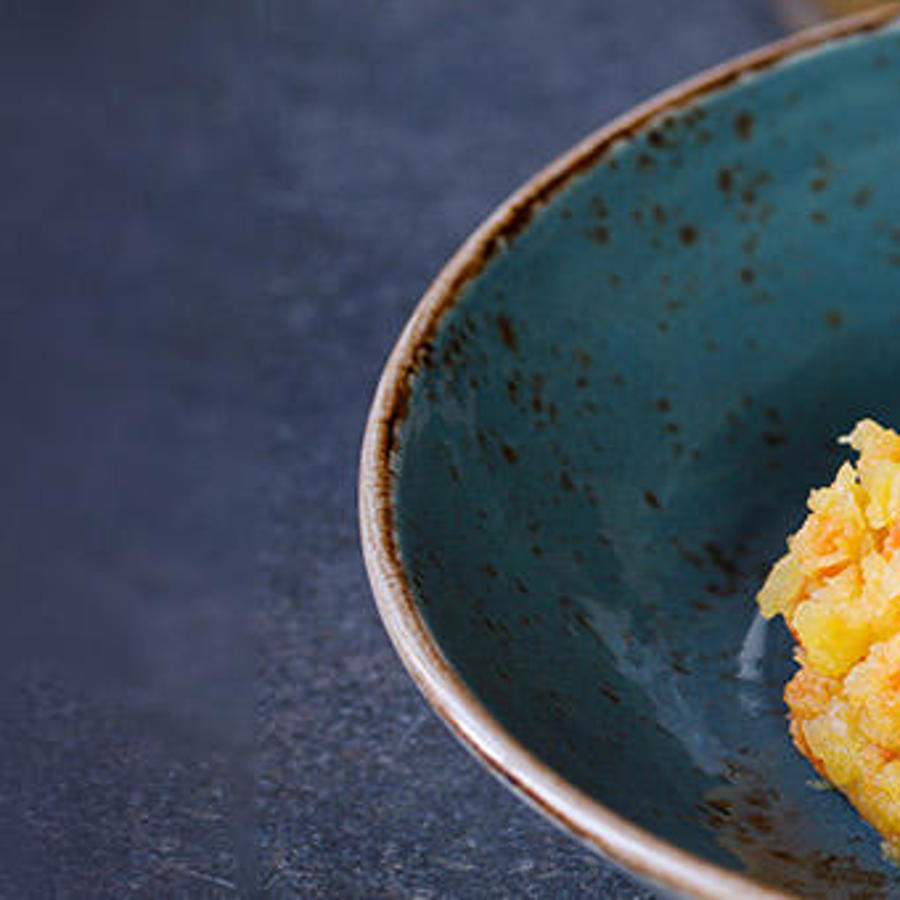
For Burns Night menu ideas, you won’t have to stretch your imagination all too much. Stick to the classics: Haggis, neeps and tatties. For other traditional fare or Scottish-inspired options, you could serve up Cullen skink, roast meats or some game, even. And you might even put together a cheeseboard spotlighting Scottish cheeses, partnered with some oatcakes. For something sweet to round out the meal: Cranachan – the king of Scottish desserts.
The Whisky
Whisky. It plays the central role throughout your Burns Night celebration. It’s used for the welcoming drams, for the toasts during the supper, and for relaxed sipping afterwards. While there’s an abundance of options to choose from, there’s one thing to keep in mind: it’s Scotch Whisky for Burns Night. That rule will immediately narrow things down somewhat.
Something else to bear in mind is Scotch whisky styles. You’ll want to start proceedings with lighter, more approachable whisky styles, and move on to richer, fuller or smokier whiskies as the evening progresses.
The goal is to have a small selection of Scotch styles to hand. That will help your guests feel fully immersed in the moment, as well as experience the pleasure of exploring different Scotch styles. Torabhaig Sound of Sleat, Blair Athol 2007, Glen Scotia 2014 and Ben Nevis 2019 are a great place to start.
The Poetry
The poetry accompanying your Burns Night celebration is as key as the whisky is. It shouldn’t feel like a performance, or a test of confidence, or be intimidating, though. There’s a few things you can do to keep dealings enjoyable:
Keep it short – use extracts of poems.
Make it social – share printed copies and invite guests to volunteer, even if it’s just a few lines of a verse
Pair poems with whisky – one poem, one dram
Some popular and accessible choices to include:
- Address to a Haggis
- Scotch Drink
- A Man’s a Man for a’ That
- Extracts from Tam o’ Shanter
The Toasts
Burns Night toasts should feel less like speeches and more like shared moments. They can range from personal and reflective, to warm and witty, to light-hearted and humorous. Keep them short. Aim to entertain, not impress. And if something doesn’t feel right for your group, leave it out.
Traditionally, your toasts should include:
The Immortal Memory – a toast reflecting on Robert Burns’ life and his lasting legacy, and why it matters to you
Toast to the Lassies – a playful, witty, good-natured speech celebrating women, strength, companionship and equality
Reply from the Lassies – a response to the Toast to the Lassies that’s sharper, funnier, a little more unexpected, ultimately ending with a toast to the hosts, guests or the evening itself
If you feel the full set of toasts doesn’t quite work with your setting, then take some liberty and cut it back to perhaps a shorter Immortal Memory, one single inclusive toast to “friends, poetry and good whisky”, or one-line toasts from each guest.
Final Thoughts
There’s no right or wrong way to host a Burns Night supper. Make the occasion work for you and your guests. The most important thing is that the people around the table feel connected. That, and having some fine Scotch whisky in glasses.
Head on over to our London Bridge and Covent Garden shops where we’ll be hosting a Burns Night barrel top, bringing together drams from across Scotland to celebrate Rabbie Burns. We'll be tasting from the shores of some of the country's most remote isles to whiskies from some familiar favourites. Each will have its own station, and you can leisurely move from one to the next, discovering the different styles at your own pace. Tickets are £10. Buy yours here.




