


 United States — would you like to set this as your default country of delivery?


 Trade
Trade  Shops & Events
  Customer Service
 Beyond tequila and mezcal: more agave spirits
Tequila and mezcal are increasingly two of the most popular spirits in the world, both created from Mexican agave. But they are not the only spirits made from this flavour-packed plant and Mexico is not the only place where agave grows. What agave spirits are there beyond tequila and mezcal?

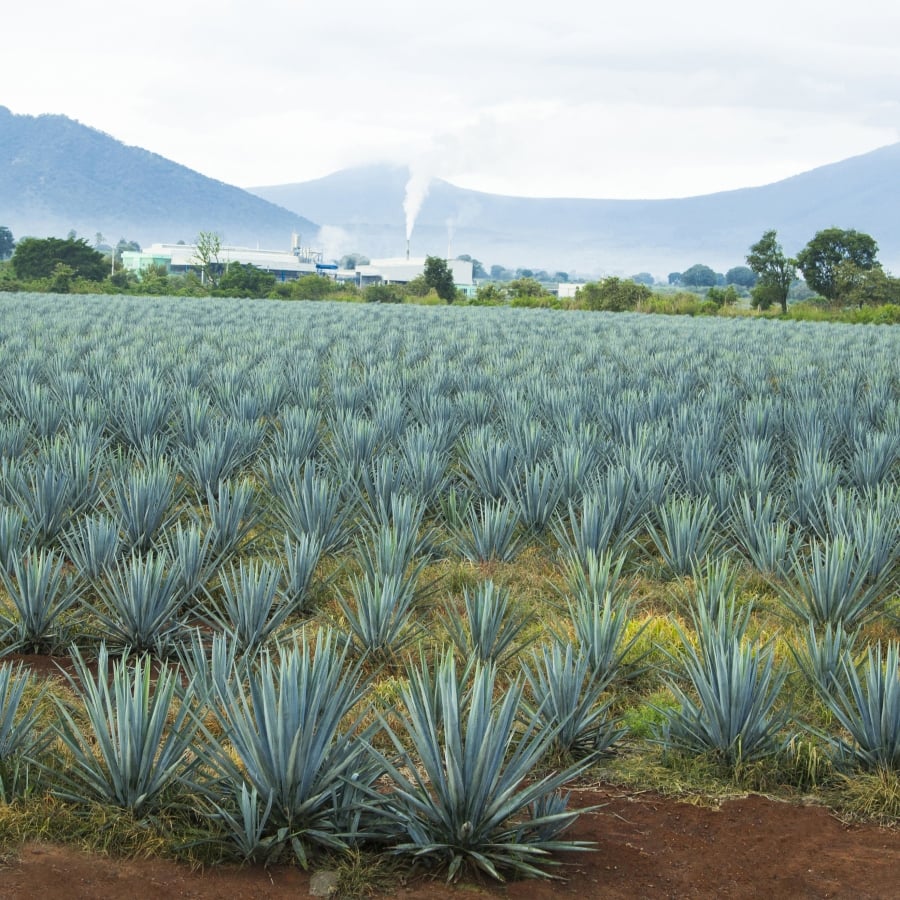
Fields of agave
Agave is a hardy plant. You can find it all over the world, but when it comes to turning it into tasty beverages, the heartlands of production are in Mexico. However, while tequila and mezcal have slowly made their way out into the wider world, they are not the only agave spirits that are made in Mexico, to say nothing of elsewhere in the world.
Making agave spirits
Agave is a plant that is often mistaken for a cactus. Made up of a core covered in spiky leaves, it’s easy to see why, but they are actually part of a family of plants that includes yucca, asparagus and orchids. The non-spiky core – the piña – is the key to making agave spirits. It’s packed with carbohydrates that turn into sugars when cooked, ready for yeast to eat to create alcohol.
Agave variety
One of the key aspects to working out what type of agave spirit is being made is the type of agave used. There are more than 200 species growing in Mexico, but only about 30 of them are regularly used to make agave spirits. Each of these has its own unique characteristics, with the amount of carbohydrate, size, ease of growing and rarity all contributing to how and where they are used. Along with those is maybe the most key factor: flavour. Agave spirits almost all focus on the flavours that come from the agave itself, as well as from other parts of the production process. This makes sense, as agaves are expensive and time-consuming to grow, so you want to make sure you get the most from them.
Location
The other key factor in determining your type of agave spirit is where it is produced. The regulations around tequila and mezcal have tightened over the years, and with that have come definition and regulation of the other spirits – they may have started as loosely defined local spirits, but they now have clear rules.
Mexico is organised into states, and it's this administrative division that drives much of the definition of agave spirits, with all of them only being made in specific states.
Process
The agave-spirit-making process is comparable to others from around the world, just with a somewhat unique raw ingredient.
The agaves are harvested and have their leaves removed. The naked piñas are then cooked – this can be in large pressure cookers or steam ovens, or by roasting ovens and pits. This process converts their carbohydrates into sugar and creates a lot of extra flavour, depending on the cooking method.
Next, the cooked agaves are crushed to extract their juice. This can be done in a variety of ways, from automated mills to workers smashing them with hammers and axes. One of the most traditional methods is using a large stone wheel to crush the agaves, traditionally pulled around by a donkey or ox.
The result is agave juice and lots of fibrous leftovers, which are then combined, ready for fermentation. The amount of agave fibres used varies between types of agave spirit, styles and producers, with the most agave-forward spirits often getting that punch from them.
After the yeast has done its work, you’re left with an alcoholic agave beer, which is then distilled in a variety of types of still to create our final spirit. These can be modern column stills, copper pots or even small clay stills, but all give a different character to the resulting spirit.
Tequila and Mezcal
The two most common agave spirits are fairly easy to define. In short:
Tequila…
- must be made in Jalisco (where the town of Tequila is situated) or in specific regions of four other Mexican states.
- must be made solely from Blue Weber agave.
- is generally made from un-roasted agaves, and generally doesn’t have a smoky character.
Mezcal…
- must be made in one of nine Mexican states (although most is made in Oaxaca).
- can be made from any species of agave (although espadin is the most common).
- is often made from roasted agaves, which can give the resultant spirit a smoky character.
The main distinguishing factors between the two are the location where they can be made, which agaves they can be made from and the way the agaves are cooked.
Raicilla
Raicilla is made in the western municipalities of the state of Jalisco as well as in Nayarit, just to the north – an area better known for tequila production. It is made from a variety of agave species depending on the specific area where it is made, but Raicilleros – the people who make it – often use lechuguilla, espadin and mexicano. It follows more of the mezcal style of production, with smoky ovens, long fermentations to produce complex flavours and distillation in small stills that keep lots of the flavour created during fermentation.
The result is a spirit that is often a step up in intensity and complexity of flavour from mezcal, with the type of agave having a big flavour on the final result.
It’s rare to find outside of the areas where it is made, even in Mexico, but a few brands make it outside of the country, including La Venenosa and Maltrana. If you want to explore agave flavour outside of tequila and mezcal, Raicilla should be your first stop.
Bacanora
Bacanora is made in the northern Mexican state of Sonora, which shares borders with the US states of Arizona and New Mexico. Its proximity to the USA has led to it being maybe the best known of the ‘other’ agave spirits in the country, although it still lags way behind tequila and mezcal.
Like tequila, bacanora is named after a town – Bacanora, in the central-eastern part of the state. The climate is quite different to other parts of Mexico, with mountainous deserts compared to the damper and more temperate regions of the south. While producers must use espadin agaves – called yaquiana in Sonora – to make their spirit, they are very different in character from those grown elsewhere, especially those from Oaxaca, the traditional home of mezcal. Before the rules were formalised in 2000, other types of agave (and even other plants, of which more later) were used to make bacanora, traditions that continue, although under other names.
Bacanora is also mostly made from roasted agaves, giving it a smokiness, but also focuses on the flavour of the underlying agave – vegetal, peppery, sweet and sometimes minerally.
While it is more common to find outside of Mexico than some agave spirits, it’s not quite made it to Europe yet. We only see a few brands over here, including Aguamiel.
Sotol
A bit of a ringer inclusion, sotol is not made from agave. It is instead distilled from the sotol plant, Dasylirion, part of the same family as agave. The plant mostly grows in the deserts of Chihuahua in the north of Mexico, sharing borders with New Mexico and Texas, although varieties grow all over the country. Regulations state that sotol has to be made in Chihuahua or its eastern and southern neighbours of Coahuila and Durango.
The plant is similar in structure to agave, albeit with less vicious leaves and an ability to regrow after the piña is harvested. Production varies, with some producers steaming piñas and others roasting them, giving a wide variety of flavour, although generally a fresher and more grassy character than you may find in other agave spirits. We are fortunate to have a decent number of sotols exported to the UK, with Hacienda de Chihuahua being the first to arrive. It has been more recently joined by producers like La Higuera, Nocheluna and Ono.
Along with pure sotol spirits, you can also find mixtures of agave and sotol, especially in the north of Mexico. These can be old-fashioned bacanora recipes or more experimental spirits, depending on the producers. They aren’t consistently available, but keeping an eye on bottlers like Sin Gusano and Sotoleros is a good way of finding some excellent spirits that you won’t find anywhere else.
Other Mexican Spirits
There are more classifications of agave spirit in Mexico – with tuxca, pox and others mostly available close to where they are made – but there are still more that don’t fall into any of the specific regulatory categories. These are classed as destilado de agave, Spanish for agave spirits. These can be anything from mezcal-like spirits made outside of the right regions or with changes to production that mean they can’t put a category on their labels. In general, these are small-batch interesting spirits that can offer a lot of complexity to agave explorers, and they’re worth a look. Our recommendation is Lalocura, which makes incredible spirits that dig deep into the flavours found in the agave plant. They’re not cheap, but worth every penny.
Outside of Mexico
While Mexico is the heart of agave spirit production, as tequila and mezcal have made their way around the world, distillers outside of the country have started to source local agave and make their own.
Agave plants do grow pretty much everywhere, but varieties which have desirable flavours and enough carbohydrates to make them a viable ingredient are much less common. We’ve seen a few producers pop up in South Africa and Australia, but their spirits are still quite hard to get hold of in the UK.
However, India’s Maya Pistola has managed to escape its country of origin and is now available more widely. It’s produced using americana agave in a tequila-like style, steaming the agave and distilling in copper pot-stills to get a balance of elegance and agave flavour. Its arrival is a sign that agave’s growth continues, now not only attracting new drinkers around the world, but also distillers.
Where to find out more
While there are increasingly more bars that serve agave spirits beyond tequila and mezcal, it can still be hard to find them without buying a whole bottle. This is one of the reasons why we started Tequila and Mezcal Show. Bringing in producers from all over Mexico and bottlers from the wider world, it’s a celebration of agave spirits. Most of the bottles available to taste are tequilas and mezcals, but we make sure that the wider agave category is represented, with sotols, bacanoras and raicilla all open and ready to try. We look forward to seeing you there!

La Venenosa Costa Raicilla
£79.50

Save
£15Maltrana Raicilla
£74.50

Bacanora Aguamiel
Out Of Stock

Hacienda de Chihuahua Plata Sotol
£51.25

La Higuera Wheeleri Sotol
£51.25

Sotol Ono
£58.75

Nocheluna Sotol
£61.50

Sin Gusano SotolEl Venado Small Bottle
£31.50

Sotoleros Romel Lechuguilla Sotol Lot 5
Out Of Stock

Maya Pistola Agavepura Joven
£31.95