


 United States — would you like to set this as your default country of delivery?



 Trade
Trade
 Shops & Events
 Customer Service
A Guide to Scotland’s Newest Whisky Distilleries
We explore the boom in whisky production that has taken place in Scotland since the year 2000 and get to know some of the key players in the Scottish new wave.


Nc'nean's founder Annabelle Thomas insisted on a green approach for her distillery on the Morvern peninsula
The early 21st century has been a time of expansion for the Scotch whisky industry, with more than 20 new distilleries making whisky everywhere from the borders in the south to John O’Groats in the north. This is in stark contrast to the 1990s, when only two new single malt distilleries came online – and one of those was inside an existing distillery…
Why are there so many new Scottish distilleries?
Broadly speaking, the reason for this abundance of new producers is a sharp increase in demand for single malts. While many today see this as the supreme form of whisky – with distillers as far afield as Bangalore and British Colombia making their own interpretations of the style – the truth is it was a niche offering until relatively recently.
While malt whiskies from single distilleries have been available in some form or another since the dawn of modern whisky making, sales accounted for as little as 1% of global volume in the 1980s with blends accounting for the lion’s share.
Declining sales of blended whisky in the 80s meant that by the final years of the 20th century Scottish distillers were sitting on stockpiles of quality aged single malt. A little marketing pizzaz and some landmark bottlings later and single malt as a concept grew from its slow growth in the 1970s and began to take shape in the public consciousness. Today, it makes up around 15% of the market with the rest being blends and a tiny proportion of other styles like grain or blended malt.
With demand for single malt rising, it’s perhaps unsurprising that a slew of enterprising businesspeople, and even a few honest-to-god whisky lovers, would start drawing up plans and shopping for stills.
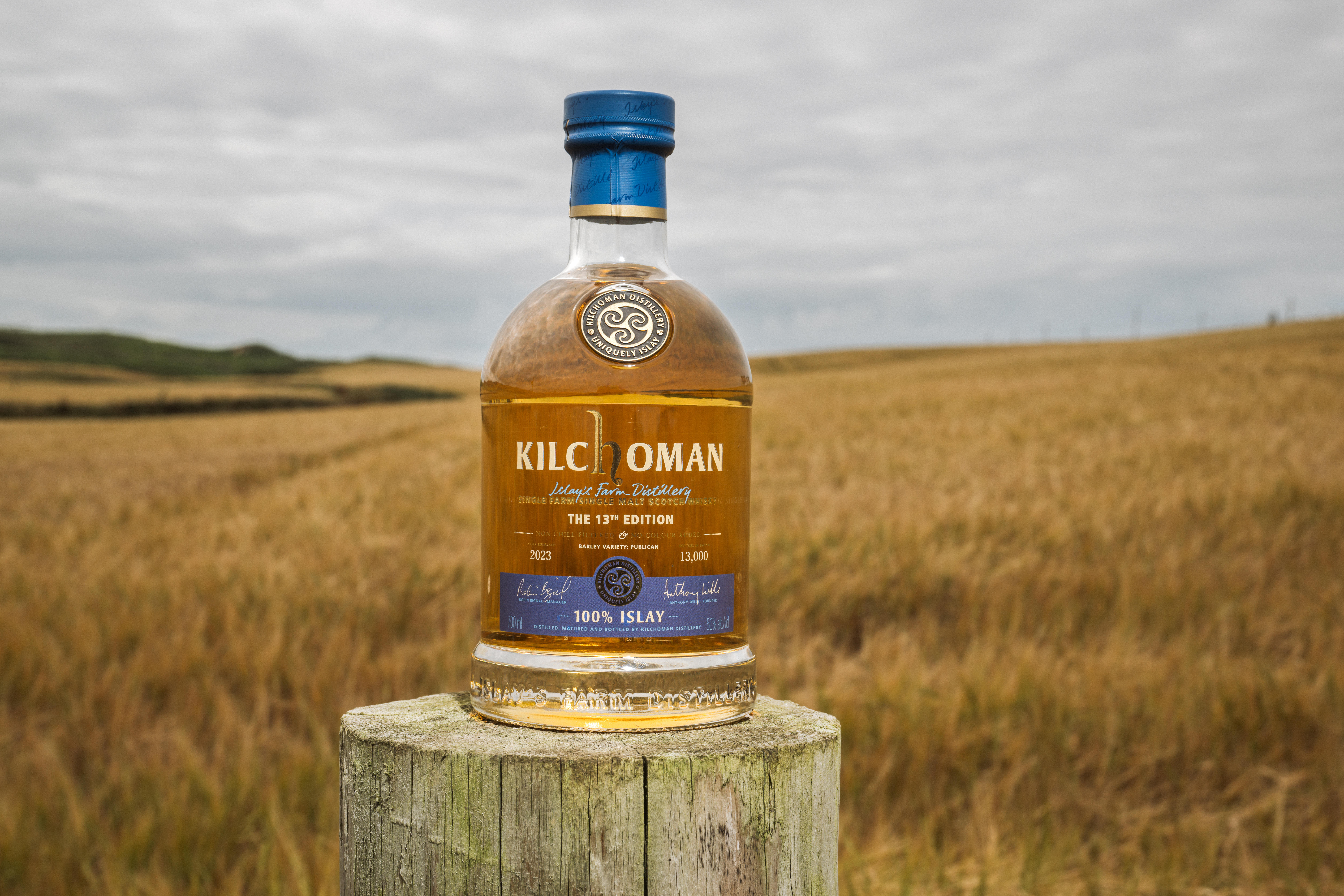
The first new distilleries to launch in Scotland since 2000 were small producers Daftmill in the Lowlands and Kilchoman on Islay. But in the 2010s the scene exploded, with more than 20 new producers coming online. These range in magnitude from tiny operations with bijou stills to titanic modern plants like Roseisle and Dalmunach.
This bounty of new distilleries is great for the whisky enthusiast. It means a greater variety of styles and flavours, as well as a reinvigoration of the local industries in the Lowlands and Campbeltown where single malt production all but disappeared in the 20th century. It also anticipates a new model in which small distilleries can make a name for themselves solely as single malt producers, rather than primarily as suppliers for blends.
New Scottish distilleries you should know
Navigating this great abundance of new distilleries could seem daunting, but if you’re looking for something new on the shelf among the grand old names then these are a great place to start.
Ardnamurchan
Est. 2014
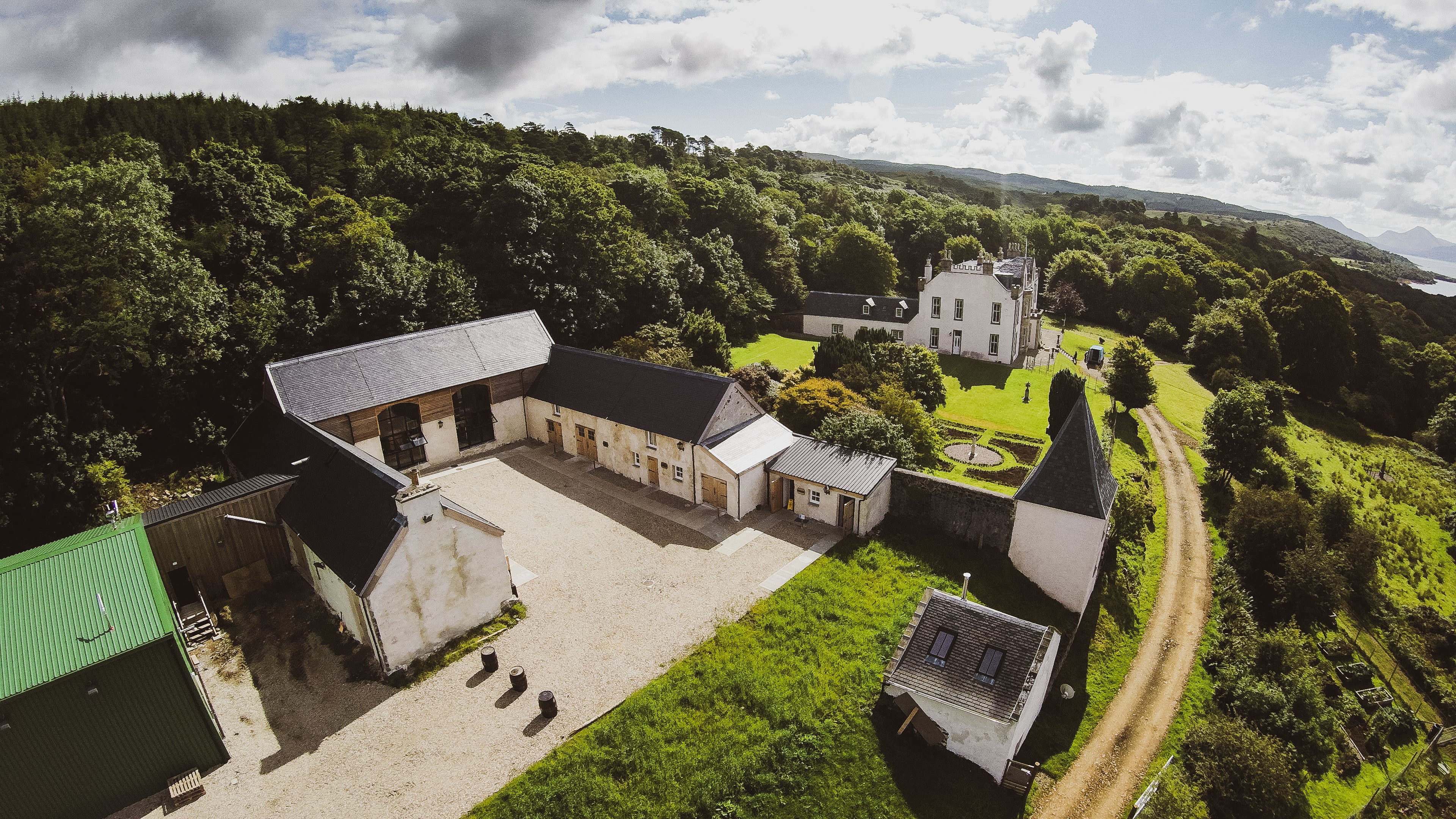
A new environmentally friendly distillery with an old-school character, Ardnamurchan takes its name from the rugged peninsula on which it stands. It produces both peated and un-peated spirits, which are often vatted together to create single malts with a pronounced earthiness and fruity notes that speak to a focus on fermentation. While still young, we’ve seen some fantastic limited releases that showcase this characterful spirit in a number of cask types including rum, Sauternes and even white wine from a certain sparkling-wine-producing region of France. A whisky geek favourite and definitely one to watch.
Nc’nean
Est. 2017
South of Ardnamurchan, on the opposite side of Loch Sunart, we find Nc’nean. This distillery has championed a green approach to whisky making since the start, working with organic barley from Scottish farms and striving to eliminate waste in packaging. It was among the first distilleries in the world to earn B Corp certification in reflection of its commitment to sustainability, accountability and transparency. The flagship Nc’nean Organic Single malt shows a peachy, biscuity character with fruit and spice notes dialled up through partial ageing in rejuvenated red wine casks. These shaved, toasted and re-charred casks (STRs for short) were an innovation of the late great Dr Jim Swan who also helped to design the distillery.
Daftmill
Est. 2005
Many new distilleries bring their single malt to market once it has attained the legal minimum age of three years. This was not the case for Daftmill’s co-founders Francis and Ian Cuthbert. The project was a labour of love for them and they were prepared to wait until they felt their whisky was ready. The distillery itself is a tiny operation nestled among the barley fields on the Cuthbert family farm in the Scottish Lowlands. Suppliers of grain to the whisky industry for decades, Francis and Ian broke into distilling with a desire to create fruity, grassy single malts in the classic Lowland style. When their inaugural release finally landed on shelves in 2018 it was a complete success, subtle and refined with notes of white flowers, lemons, green leaves and soft herbs. New releases are still hotly anticipated by collectors, so it’s a good idea to snap up a bottle of Daftmill if you get the opportunity.
Dalmunach
Est. 2014
The new generation of Scottish distilleries are by no means all small, crafty operations. Dalmunach in Speyside is every bit a modern single malt distillery: large in scale, adaptable to meet the blending needs of owners Pernod Ricard and fitted with the latest eco-friendly mod cons. We have only seen a handful of bottlings to date, although some casks are finding their way to the warehouses of independent bottlers. A six-year-old single malt named ‘The Wulver’ – after a benevolent wolf creature from Scottish mythology – shows a striking mix of tart green fruits, honeyed flapjacks, and spring blossoms.
Dornoch
Est. 2016
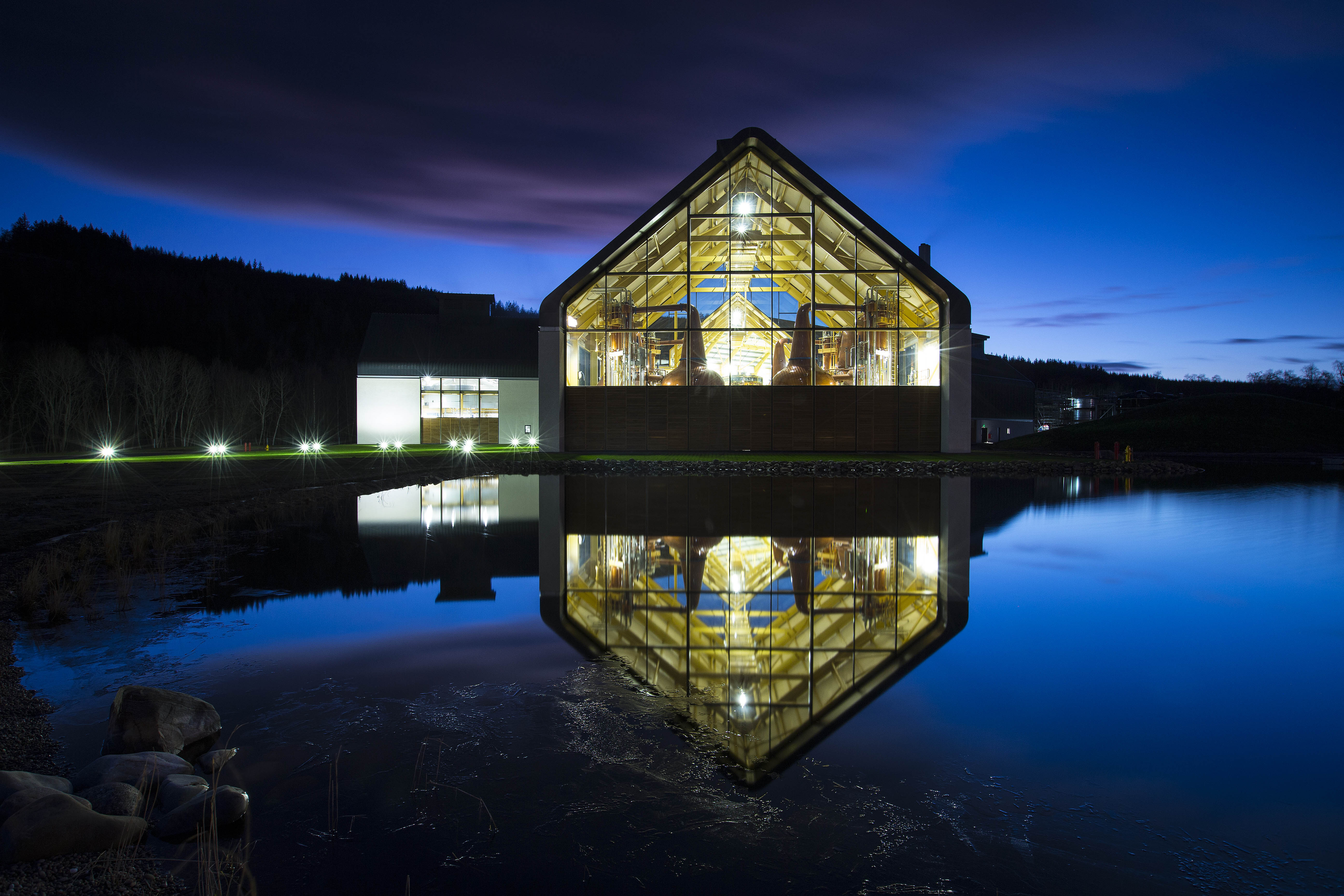
At the exact opposite end of the spectrum, we have one of Scotland’s smallest distilleries. It began as the dream of brothers Phil and Simon Thompson, who’s lifelong love of old-fashioned single malts led them eventually to install a set of Portuguese brandy stills in a disused fire shed behind the Dornoch Castle Hotel. Their work is marked by a focus on fermentation, with Simon Thompson cultivating yeast strains and even working with spent brewers’ yeast, a practice once common that has all but vanished from the whisky industry. Perhaps unsurprisingly, their work has drawn the attention of single malt enthusiasts around the world who scramble to pick up the rare bottlings of Dornoch single malt. At the time of writing, Phil and Simon are working to build a larger site – Struie distillery – a short walk from the hotel grounds where it all began.
Torabhaig
Est. 2017
When Torabhaig first fired its stills, it became the first new distillery on the Isle of Skye for nearly 200 years. It has since been devoted to producing a robust style of peated single malt with a pronounced maritime character. A common theme in the Scottish new wave is a focus on transparency. Torabhaig embodies this by communicating a great deal of detail about fermentation times, peating levels and which casks are used to age its whiskies. There have been several expressions released to date, but the flagship Allt Gleann is a great place to start. Where some new distilleries lean into oak influence when releasing young whiskies, this is very much a display of distillery character, with grilled citrus fruits, brine, shellfish and green apples. A great choice if you’re a fan of typically West Coast whiskies and you’re looking for something new.
Ardnahoe
Est. 2019
Records indicate that at least 29 distilleries have called Islay home over the years, but by the end of the 20th century only seven remained active. The recent boom in distillery building has seen a revitalisation of the whisky making community on the island, first with the establishment of farm distillery Kilchoman in 2005 and more recently Ardnahoe. This small, gleamingly modern operation on Islay’s north coast boasts the longest lyne arms in Scotland. These tubes that carry vapourised alcohol and other flavour compounds from the pot still to the condenser were designed that way to maximise the contact between spirit and copper, making for a cleaner spirit. The ongoing Ardnahoe Infinite Loch bottling showcases a distillery character that’s unmistakably Islay but still offers a sense of individuality with notes of shellfish, seaweed, oranges and spices.
And many more…
This is just a small cross section of the new distilleries that have popped up across Scotland. At the time of writing there are more than a dozen distilleries working hard and laying down stocks for the future, with many more under construction. In the years to come we will see new whisky producers enlivening the scene across Scotland.
This means more opportunities for budding distillers to bring fresh perspective to the industry and a greater range of styles available to us than at any other time in history. While there’s an undeniable gravity to Scotland’s grand old distilleries, these newcomers aren’t necessarily looking to unseat the centuries old whisky makers we know and love. By finding room on our shelves, and in our hearts, for something new we can help to support a more diverse whisky scene in the future. A cause well worth raising a glass to.
Shop our favourite whiskies from new distilleries here
-

Kilchoman 100% Islay9 Year Old Bot.2024 14th Edition
Out Of Stock
-

Nc'nean Organic Single Malt
£51.95
-


Ardnamurchan AD Single Malt
£46.95
-


Ardnamurchan AD08:18Oloroso Sherry Cask Exclusive to The Whisky Exchange
Out Of Stock
-


Dalmunach 6 Year OldWulver Exclusive to The Whisky Exchange
£59.95
-

Ardnahoe Infinite Loch
£58.25

