


 United States — would you like to set this as your default country of delivery?


 Trade
Trade  Shops & Events
  Customer Service
 A Look at Old & Rare Japanese Whisky
With more than 100 years of whisky-making history in Japan, what are the old and rare bottles that collectors look for?

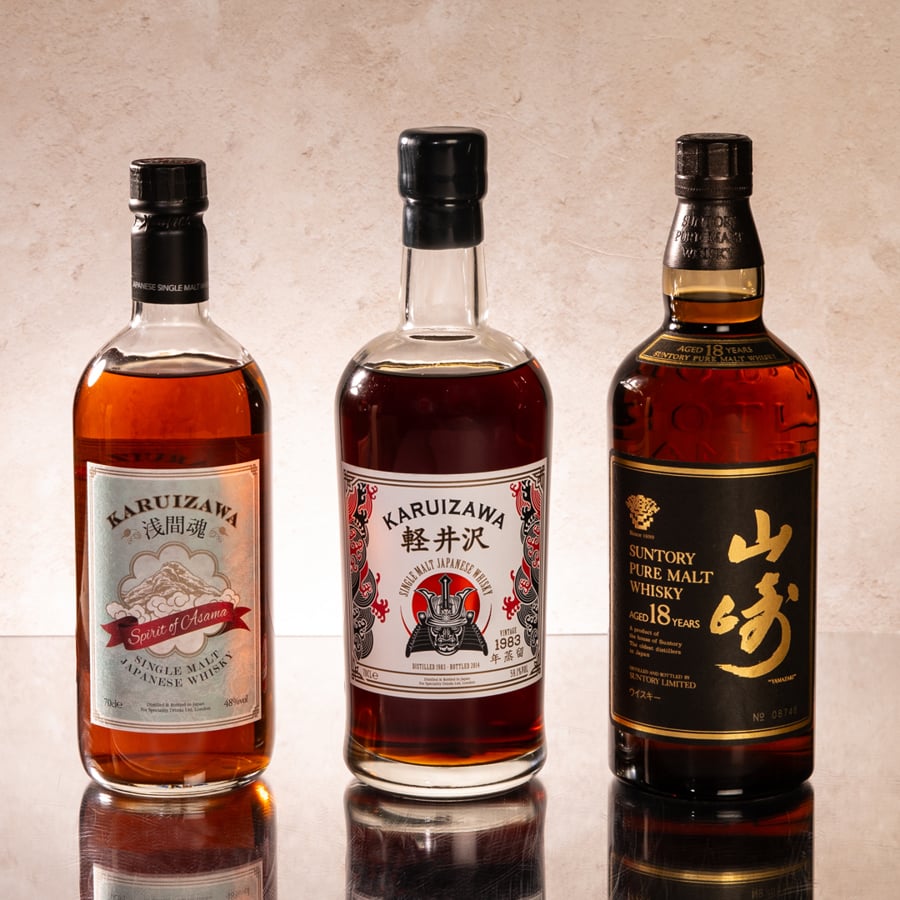
While Japan has become incredibly well-known for its whisky over the past 20 years, its whisky history stretches back much further. With the first dedicated whisky distillery starting in 1928, there are more than one hundred years of bottlings to look back on, and while they were often not that popular on release, they have become sought-after in more recent times. Add to those more recently distilled and bottled releases, and you have a wide range of old and rare whiskies that drinkers and collectors seek out.
This list covers some of the more famous producers and bottles, but when you start digging, you quickly realise that there is a whole world of Japanese whisky that hasn’t been seen outside of its native country.
Suntory
Suntory is Japan’s original whisky maker. The company hired chemist Masataka Taketsuru in 1923, after the company that had sent him to Scotland to learn how to make whisky had decided not to continue their project. Taketsuru and Shinjiro Torii, owner of Kotobukiya, as Suntory was called at the time, chose Yamazaki, an area between Kyoto and Osaka, as the site of Japan’s first whisky distillery. It was built quickly, with the first spirit running in December 1924.
In the 100 years since, Kotobukiya has become Suntory, and its one distillery has grown to be a multinational portfolio, with its three main Japanese distilleries (Yamazaki, Hakushu and Chita) joined by distilleries in the USA and Scotland. The company’s Japanese releases have included some excellent whiskies over the years, with many now falling into the old and rare category.
Yamazaki
As Suntory’s oldest distillery, Yamazaki’s releases have often been the company’s oldest and rarest. While Yamazaki 18 Year Old and Yamazaki 25 Year Old can be hard to get hold of, it’s the even older, limited editions that are most sought after.
Yamazaki 50 Year Old has seen a number of releases over the years, with a bottle of the original 2005 release being the most expensive Japanese whisky bought at auction for many years. It was, however, surpassed in age by the 2020 release of Yamazaki 55 Year Old, which, as of writing, holds the record for the oldest Japanese single malt whisky.
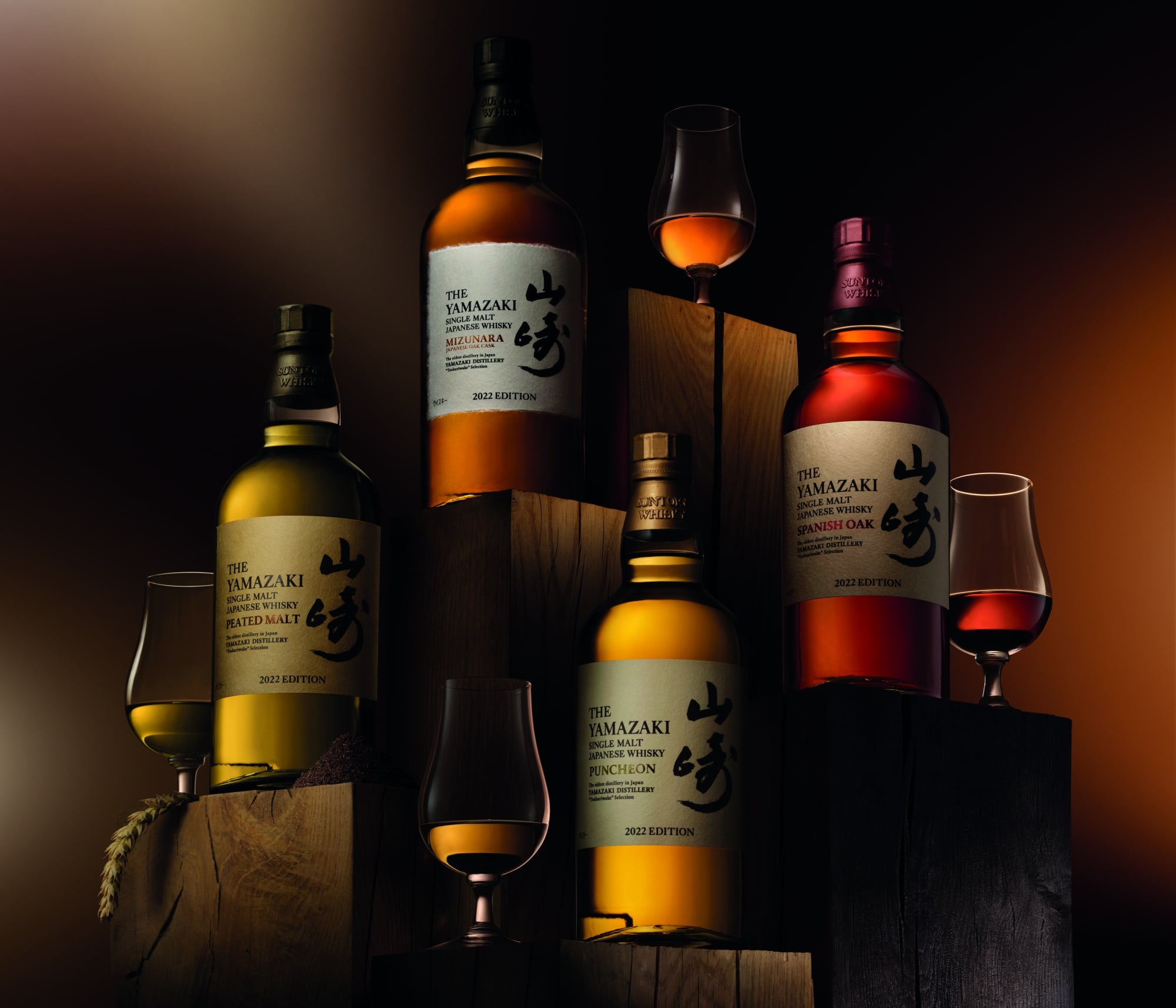
Along with the older whiskies, more youthful limited releases from the distillery have also turned heads. The yearly Yamazaki Cask Collection releases of sherry-, bourbon-, mizunara- and puncheon-matured whisky that have since morphed into the Suntory Tsukuriwake Collection, have always been popular with collectors. This increased even further after the Yamazaki Sherry Cask 2013 was awarded ‘Best Whisky in the World’ in Jim Murray’s Whisky Bible, helping to bring Japanese whisky even more into the limelight.
Hakushu
Hakushu, Suntory’s second distillery, was founded in 1964, so almost certainly has some old whisky squirrelled away in its warehouses, but this hasn’t made its way out into the market in the same way as Yamazaki’s. However, there are some sought-after bottlings in the distillery’s collection, often leaning into styles that aren’t normally seen from the distillery.
The distillery’s normal style of whisky – epitomised by Hakushu Distiller’s Reserve – focuses on combining smoke and bourbon casks, and its sherry cask releases have been much more uncommon. We were fortunate at The Whisky Exchange to have an exclusive sherry-cask release for our 10th anniversary in 2009 – Hakushu 1989 Sherry Cask, bottled at about 20 years old. We think it was the second-ever sherry cask release of Hakushu, and we’ve seen a number of bottlings follow over the years, along with other releases similar to the Yamazaki Cask Collection.
Blended Whisky
As with most Japanese producers, Suntory has focused mostly on blended whisky over the years. This started with its first-ever release – Shirofuda, ‘White Label’, the first domestically produced Japanese whisky – and continues today with its mass-market, highball-friendly Kakubin and worldwide releases of Hibiki.
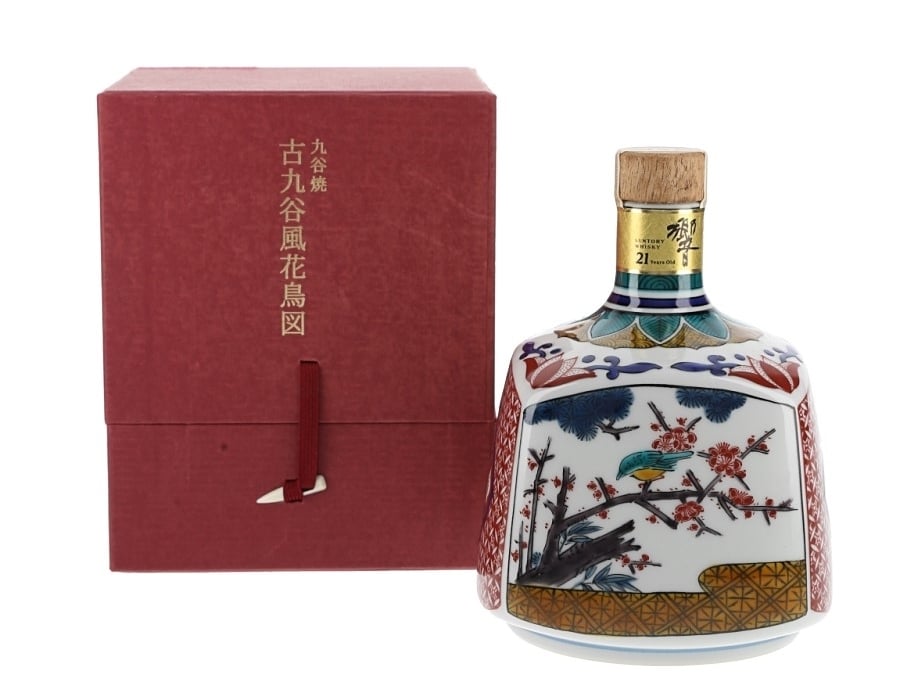
Hibiki, the company’s flagship blend, not only has a range of core releases that can be hard to find – with the Hibiki 17 Year Old commanding large prices, sometimes more than the more available Hibiki 21 Year Old – but also many special releases. The most easily obtainable of these are the yearly Hibiki Blossom Harmony bottlings, released to celebrate the yearly blooming of cherry blossom across Japan. These are finished in cherry-wood (sakura) casks, tying the whisky into the celebrations.
Nikka
Japan’s second whisky company, founded by former Suntory whisky maker Masataka Taketsuru in 1934, doesn’t have quite as many special editions as its rival, but still has a few gems.
Yoichi
After Taketsuru left Suntory, he went north and founded Yoichi distillery on Hokkaido, Japan’s northernmost main island. Releases from Yoichi have varied from being fairly common to being rather rare, depending on how much availability Nikka has had over the years, and older bottlings (both in age and release date) fall into both the old and rare categories.
Outside of Nikka’s own bottlings, there have also been a small number of independent bottlings of Yoichi, most notably by the Scotch Malt Whisky Society (aka SMWS). They managed to get 20 casks from the distillery, which were bottled as distillery 116 (the SMWS use codes to hide the names of the distilleries they bottle whisky from) – bottlings 116.1 to 116.20. They are highly sought-after, with only a few hundred bottles of each released between 2002 and 2014.
Blended Whisky
Despite its distilleries (Yoichi and Miyagikyo) being celebrated, Nikka’s blended whiskies have always had more fame. The Nikka Taketsuru blended malt range was a fixture in the awards of the early 2000s and beyond, although we now know that the releases often featured Scotch whisky from Ben Nevis, also owned by Nikka. This doesn’t change the fact that they are excellent whiskies, although it has impacted the value of some of the older award-winning bottles.
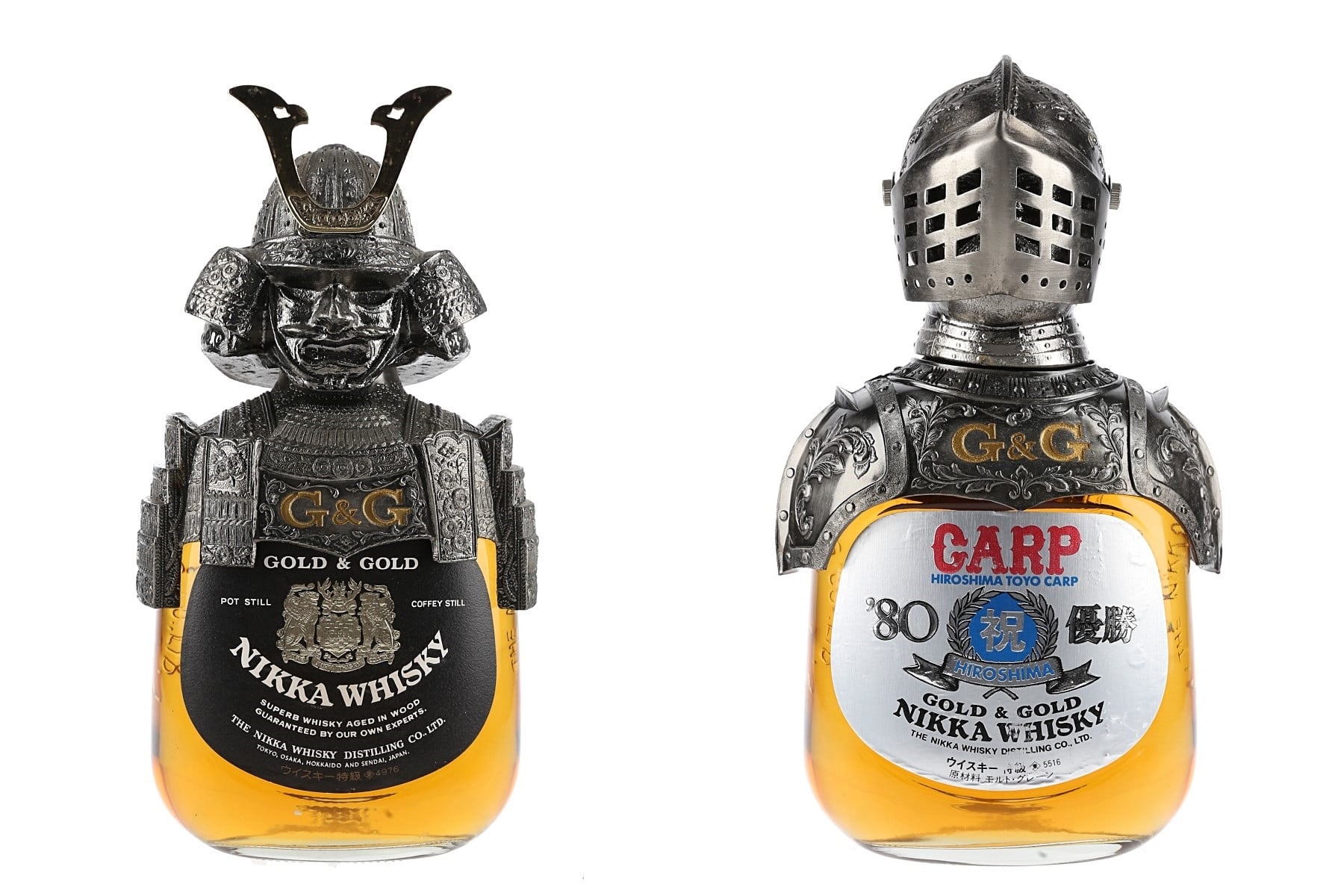
Outside of the award winners, Nikka’s range of blended whiskies has attracted collectors, with some of the more attractive bottles turning heads outside of Japan. The most well-known of these is the Nikka Gold and Gold Samurai Edition, which can go for high prices at auction, despite being quite readily available in travel retail in Japan. It was originally launched in 1966, and the older releases are very collectable.
Chichibu and Venture Whisky
Chichibu is one of the first of Japan’s new wave of distillers and only started making whisky in 2008. However, in the years since, many of its bottlings have become collectable favourites, as well as being sought after by drinkers. Owner and head distiller Ichiro Akuto cut his teeth at Suntory before returning to his family company, the owners of the now-closed Hanyu distillery. After overseeing the closure of Hanyu (of which more later), he founded Venture Whisky to sell casks of Hanyu and, more recently, his own blends (many of which are now rare and sought-after), as well as open Chichibu.
Chichibu, at the time of writing, doesn’t have any ongoing releases. It does have regularly appearing limited editions, with releases like Chichibu Floor Malted, Red Wine Cask, Peated and Chibidaru showing the current state of the distillery’s whisky. Other bottlings, such as Double Distilleries, and the Paris and London Editions, are released as special editions or are selected for events – Paris for Whisky Live Paris and London (originally) for our Whisky Show.
Among the regular releases, we have also seen Chichibu On The Way, a snapshot of where the distillery was on the path to a first ten-year-old release. This culminated in Chichibu The First Ten, which picked up awards around the world, cementing the distillery’s reputation.
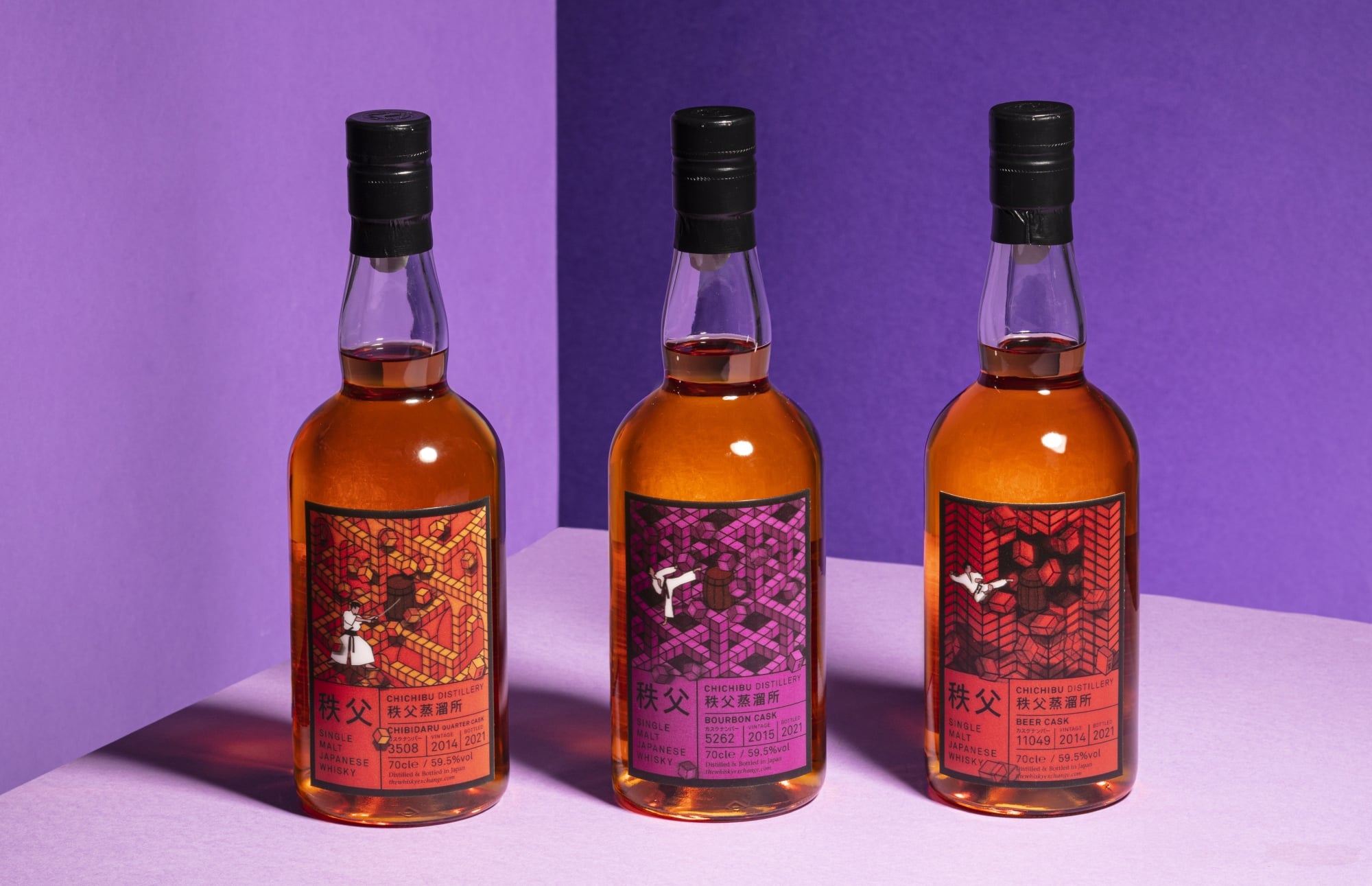
Chichibu has become a focus for collectors due to the distillery’s frequent collaborations with bars and restaurants. These single casks and small-batch bottlings occasionally appear on retail websites like The Whisky Exchange, being snapped up quickly, often through ballots. They also attract a lot of attention on auctions.
Akuto-san has now opened a third distillery - at Tomakomai on Hokkaido, producing grain whisky - and the story of Chichibu and Venture whisky continues.
Find out more about Chichibu >
Closed Distilleries
While Japanese whisky is now well-known around the world, it wasn’t always the case, and the 1990s and early 2000s saw closures across Japan as the local market focused on other drinks. The subsequent rise in popularity has seen whiskies from closed distilleries become very sought after by fans of old and rare whisky, and helped create a mystique around Japanese whisky.
Hanyu
Built by the Akuto family and opened in 1946, Hanyu eventually closed in 2000, being dismantled by 2004. Ichiro Akuto, founder of Chichibu, bought the remaining stock and spent the next few years selling them as single cask and small-batch bottlings across Japan and later around the world. The whisky built a reputation for being excellent and sparked an interest in closed Japanese distilleries.
These days, there are very few, if any, casks of Hanyu remaining, and bottles often appear on the secondary market. While there are many individual bottles that collectors search for, the best known are part of the Cards range.
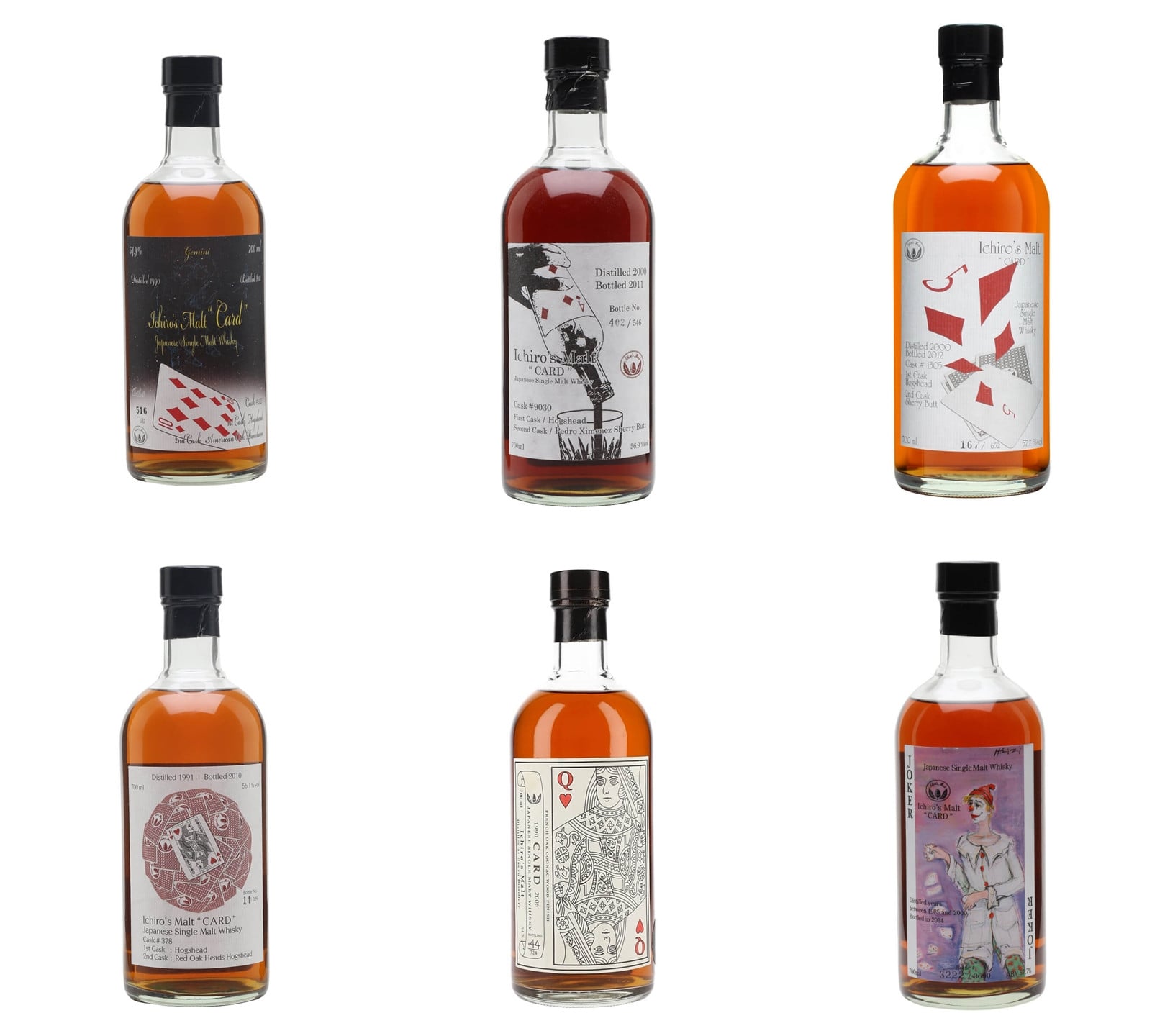
The Hanyu Cards are a collection of single cask whiskies from Hanyu, each bottled with a different playing card on the label - a total of 54 whiskies in the regular set, including two jokers, one in colour and one in black and white, as well as 4 extra variant editions that are even rarer. A very small number of full sets have sold at auction over the years, and while individual bottles do pop up from time to time, they are still very rare.
Shirakawa
Shirakawa is the least well-known of the closed Japanese distilleries, with only one bottle readily available on the market. Small amounts are rumoured to have appeared via ‘fill your own bottle’ shop Vom Fass in the early 2000s, but these were sold without a distillery name and rarely, if ever, appear on the secondary market.
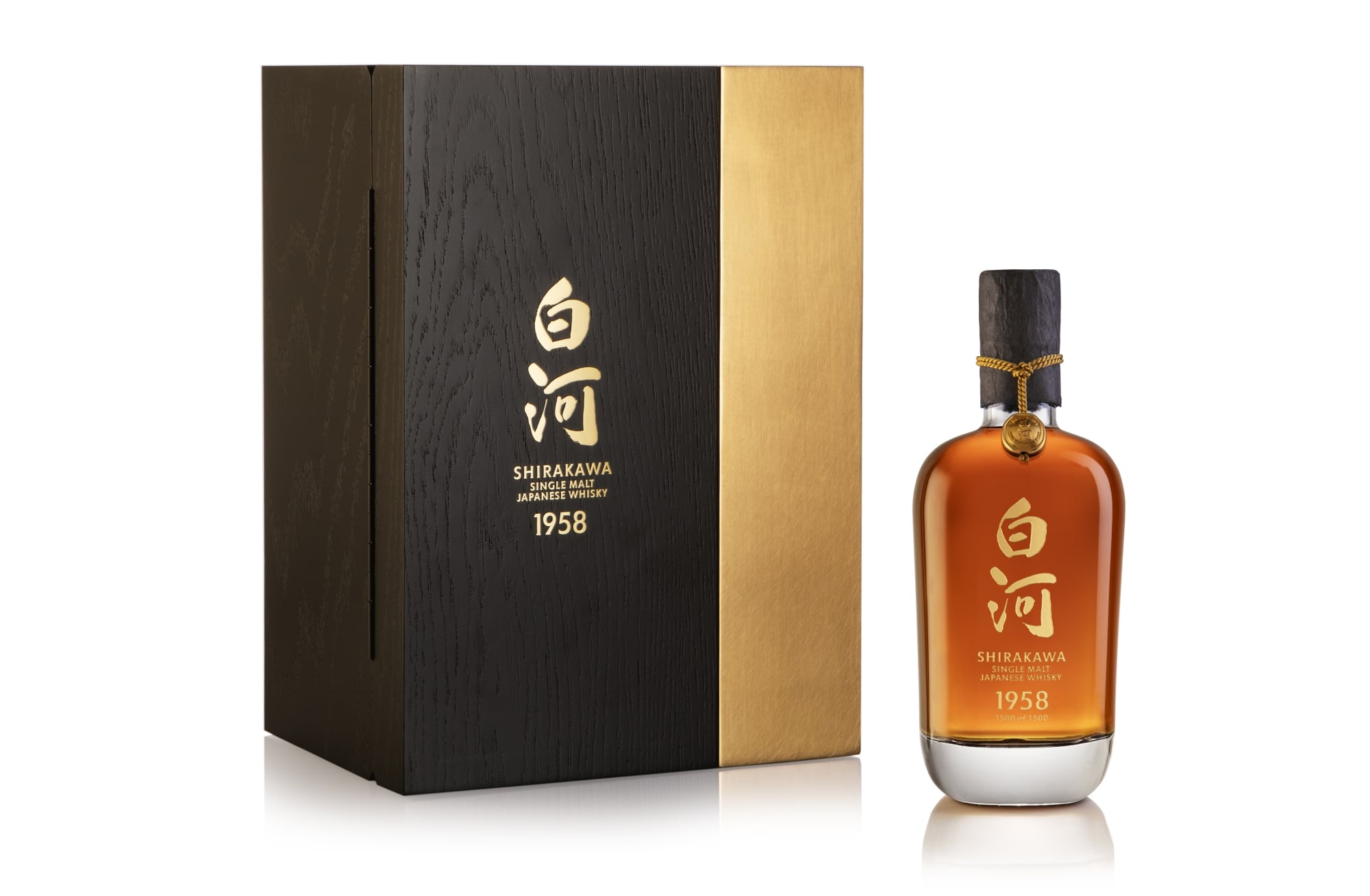
Shirakawa was owned by Takara Shuzo, which has owned Scottish distiller Tomatin since 1986, and produced single malt from 1951 to 1969. The one release that has hit the market is Shirakawa 1958, aged in cask for an undisclosed amount of time and then transferred first to ceramic jars and then to steel tanks, before being bottled for release in 2022.
Shirakawa 1958 is the earliest vintage of single malt whisky released from Japan, and with only 1,500 bottles released, it firmly sits in the old and rare camp.
Karuizawa
The flagship of closed Japanese distilleries, Karuizawa took the market that Hanyu had helped to start and pushed it to stratospheric levels.
Karuizawa was founded in 1955 and mostly produced whisky for blending, but launched the first ever bottling of Japanese single malt in 1976, beating industry pioneers Suntory and Nikka by almost a decade. Unfortunately, it didn’t become known outside of Japan until it was too late, and the distillery stopped making whisky in 2000. It officially closed in 2011 and was entirely dismantled by 2016. Fortunately, bottler Number One Drinks managed to buy the remaining casks, and Karuizawa started to trickle out into the world.
While at first take-up was slow, with bottles of decades-old Karuizawa sitting on the shelves at The Whisky Exchange for under £100, the reputation of the distillery quickly started to grow, and with that came scarcity and rising prices.
These days, almost all of the remaining casks of Karuizawa have been bottled, with even The Whisky Exchange’s co-founder Sukhinder Singh selling his final two casks at auction in March 2026, marking an end to an era of bottling whisky from the distillery.
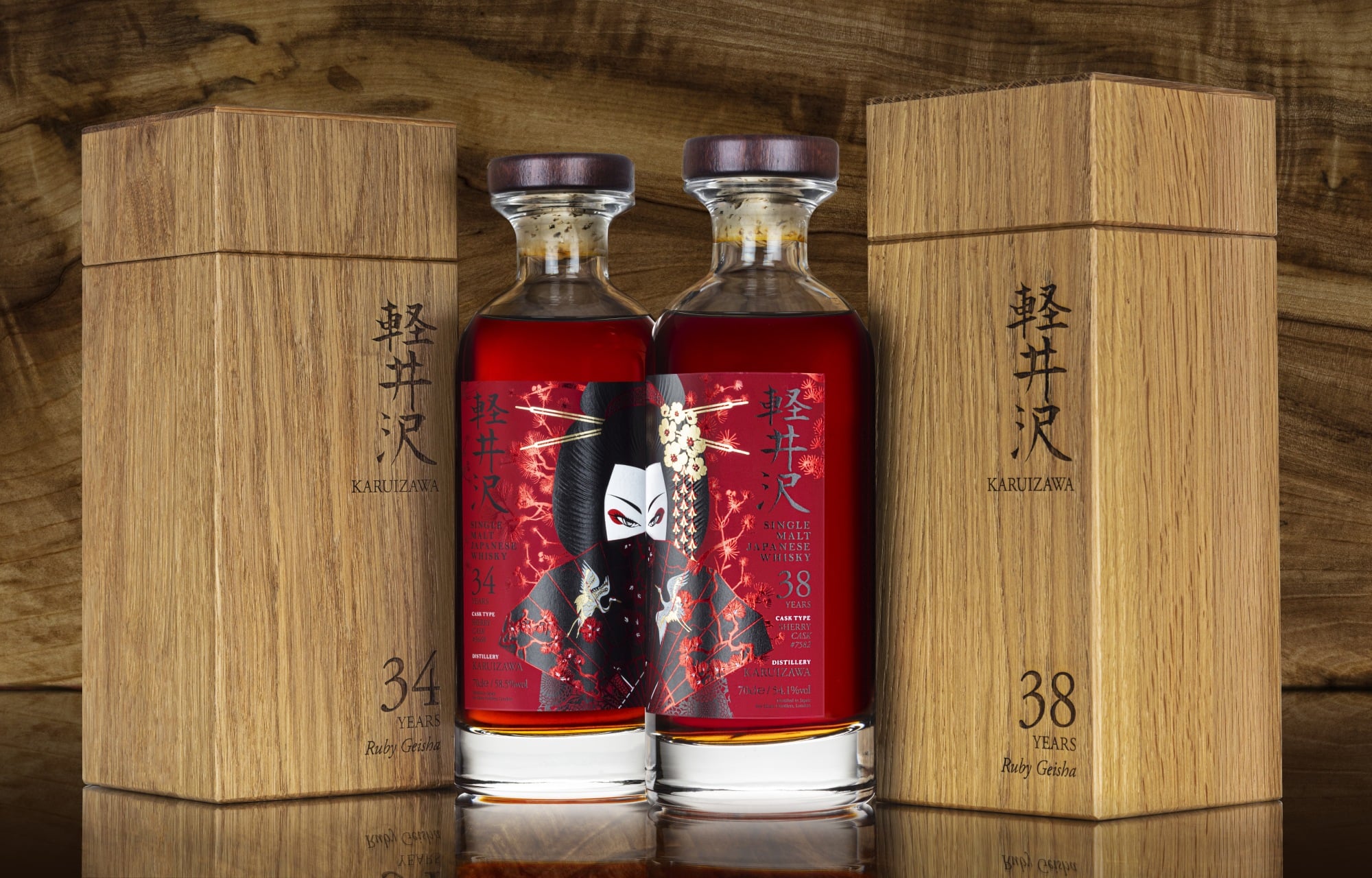
While there are hundreds of bottles that we could mention – many of them, including the Karuizawa Marriage and Karuizawa 50 Year Old available on our website – The Whisky Exchange’s Karuizawa Geishas series is one of the best known. This range of nine pairs of bottles of whisky features Japanese geishas on the labels and showcases whiskies from 29 to 40 years old, with all but one matured in ex-sherry casks.
Alongside the Geishas sits Number One Drinks' Noh series, each featuring a different mask from Japanese Noh theatre on the label. These are increasingly hard to find as many have been opened, an ongoing issue with finding bottles of Karuizawa, because the spirit is impeccable and despite the high prices, they are often drunk.
Find out more about Karuizawa >
The Rest
There are many more bottlings of old and rare Japanese whisky that are very much worth seeking out. From releases from closed grain distillery Kawasaki, to rare early blends from Suntory and Nikka, and limited editions from Ichiro Akuto, there are whiskies out there for collectors and drinkers alike, covering the full 100+ years of Japanese whisky history. Our best advice is to choose a style or brand, read widely, and start looking – there are a huge number of great whiskies to find.

Yamazaki 55 Year Old
Out Of Stock

Yamazaki Sherry CaskBot.2013
Out Of Stock

Suntory Tsukuriwake Cask Collection 20244 Bottles
£3,675

Suntory Hakushu 1989TWE 10th Anniversary Sherry Cask
Out Of Stock

Hibiki Blossom HarmonyBot.2022
Out Of Stock

Chichibu 10 Year OldThe First Ten
£1,200

HanyuThe Joker Colour Label
Out Of Stock

Shirakawa 1958
£25,000


Karuizawa Marriage 1965+197250 Year Old
£39,000

Karuizawa 50 Year Old1965 Vintage
£35,000

Karuizawa 30 Year OldFirst Geisha Bourbon Cask #8606
£10,000

Chichibu London Edition 2021
£500

Chichibu London Edition 2022
£500

Chichibu London Edition 2023
£360

Chichibu London Edition 2024
£350